
Most WordPress SEO tutorials bury the useful part under plugin settings and checklists. The better approach is simpler: fix the issues that block visibility first, then improve the pages that already have a chance to win. A green light in an SEO plugin does not mean the page deserves to rank.
WordPress SEO works best when you treat it like a sequence, not a pile of tactics. Start with crawlability and indexing, clean up titles and internal links, and only then worry about polish. If your rankings are flat, the problem is usually prioritization, not effort.
If you need a broader baseline before working through the steps below, read our practical guide for DIY WordPress site owners. If your current setup already feels messy, our guide on how to fix WordPress SEO setup problems pairs well with this tutorial.
Start With Indexing Before Anything Else

If Google cannot crawl the right pages or index them correctly, every later optimization is weaker than it should be. Fixing indexing first gives the rest of your work a chance to matter.
Check that your important pages are indexable, included in your XML sitemap, and linked from crawlable pages on your site. Google recommends using crawlable HTML anchor links with descriptive anchor text, which is why buried pages and weak internal navigation cause so many avoidable SEO problems.
On a typical WordPress site, the first checks are straightforward. Make sure the site is not set to discourage search engines. Review whether thin tag archives, author archives, attachment pages, or internal search results are being indexed when they should not be. Most site owners do not have one catastrophic problem. They have a stack of smaller issues that compound over time.
Use One SEO Plugin and Configure It Well
One well-configured SEO plugin is enough. Running overlapping plugins often creates duplicate metadata, conflicting canonicals, and competing sitemap outputs that make troubleshooting harder than it needs to be.
This is one of the easiest wins on WordPress because it removes confusion fast. If you have multiple plugins handling titles, schema, redirects, or social metadata, simplify the setup before you change your content. A cleaner setup sends clearer signals.
Fix Page Titles Before You Rewrite Content

Titles usually have more impact than small body-copy edits because they shape both relevance and clicks. Improve your highest-value titles first: homepage, service pages, category pages, and posts already getting impressions.
Google recommends writing descriptive, concise title text and advises against keyword stuffing and repetitive boilerplate. That means a title should describe the page clearly, not cram every variation into one line.
| Weak title | Stronger title |
|---|---|
| SEO Services | SEO Company | SEO Expert | WordPress SEO Services for Small Businesses |
| Blog | WordPress SEO Tips for Service Businesses |
| Home | WordPress SEO Consultant for Growing Sites |
The goal is not to write clever titles. The goal is to make each page unmistakably clear. Distinct titles also help Google understand why one page should rank instead of another similar page on your site.
Write Meta Descriptions for Important Pages
Meta descriptions do not fix rankings by themselves, but they can improve how your page is summarized in search results. They work best when they are page-specific, direct, and aligned with the searcher’s intent.
Google says it may use the meta description when it better summarizes the page, and it recommends unique descriptions that accurately describe specific pages. If your plugin is generating the same description pattern across dozens of URLs, fix that before publishing more content.
Strengthen Internal Links With Purpose

Internal links are one of the most underused WordPress SEO levers because they improve discovery, clarify hierarchy, and move authority toward the pages that matter most. Good links do more than connect pages. They explain relationships.
Link related posts to service pages. Link supporting articles to broader guides. Make sure important pages are reachable through standard HTML links, not just menus, filters, or sitemaps. Google’s documentation says good anchor text should be descriptive and reasonably concise, so avoid vague anchors like “read more” when a clearer phrase would help both users and search engines.
If your content feels disconnected, build small topic clusters instead of publishing in random directions. That often produces faster gains than writing another isolated article.
If you’re experiencing these symptoms, our team at WordPress SEO Expert can help.
Do Technical Cleanup Before Chasing Advanced Tactics
Technical SEO on WordPress is usually less about advanced tricks and more about removing clutter. Canonicals, redirects, archive settings, and duplicate URLs deserve attention long before you worry about extra schema features.
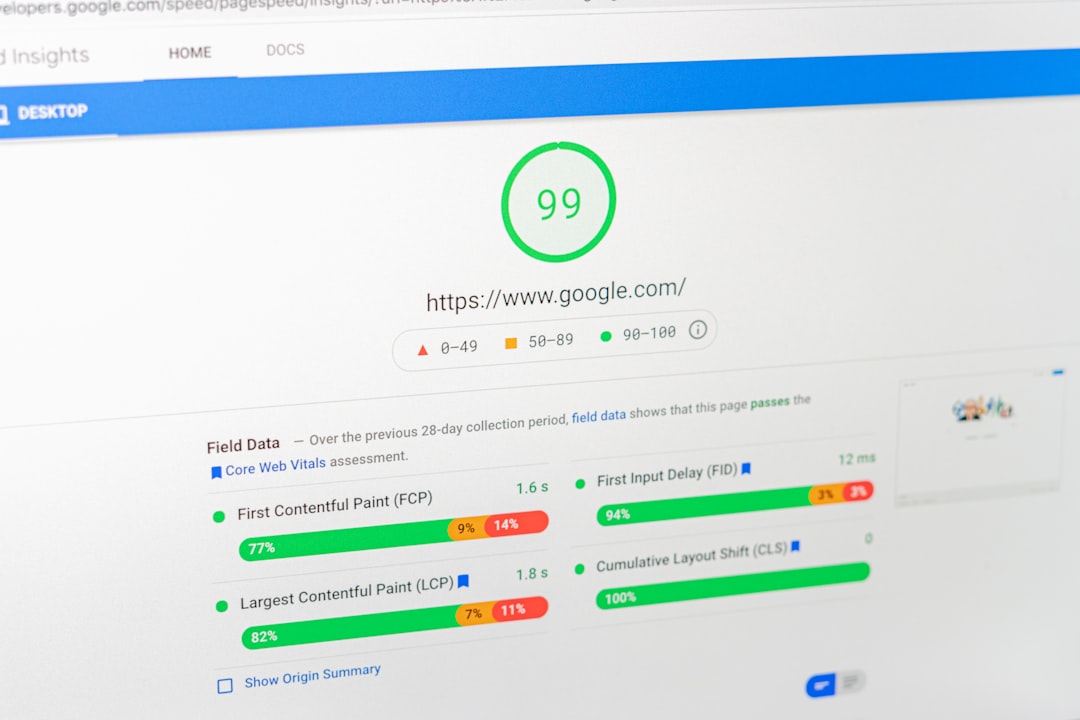
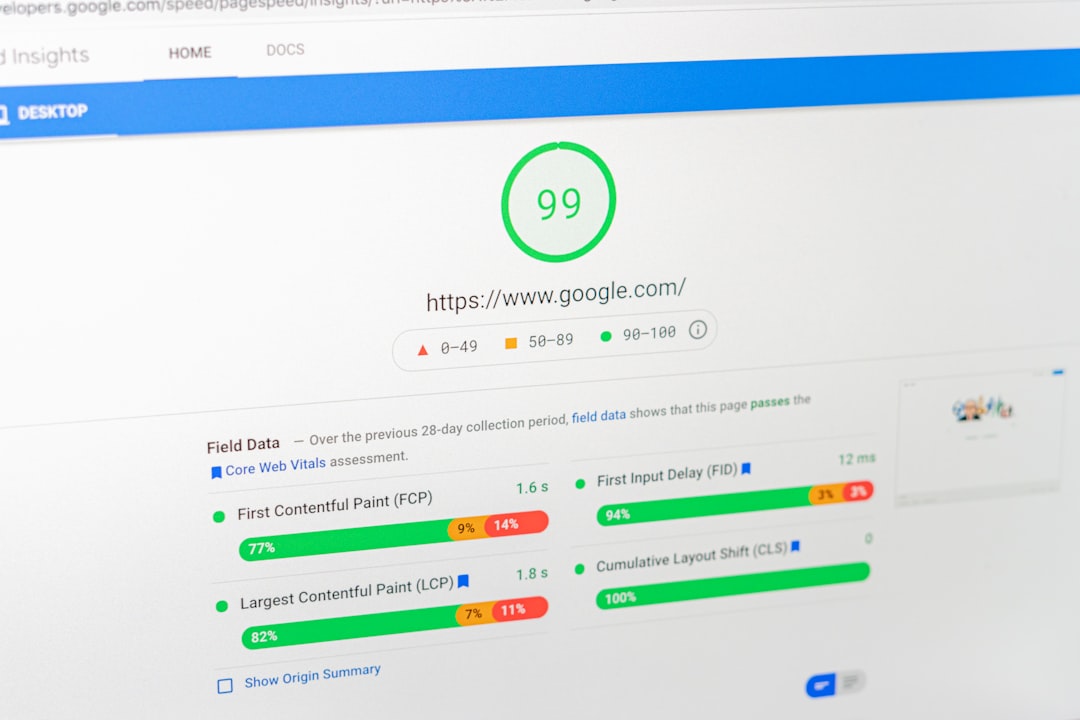
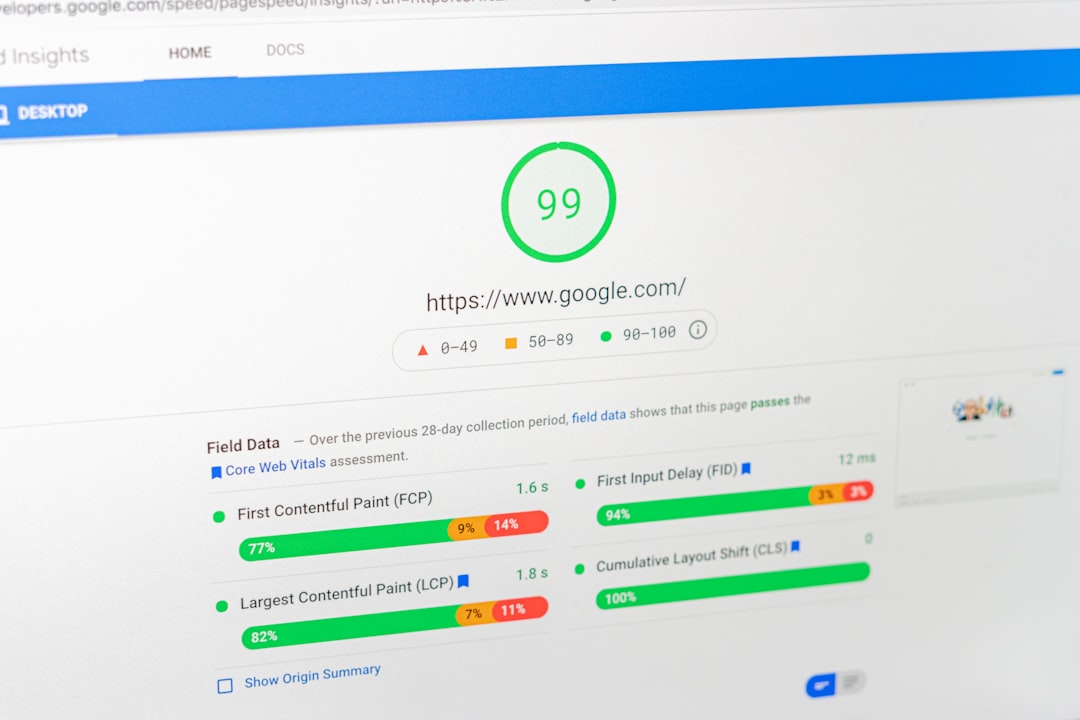
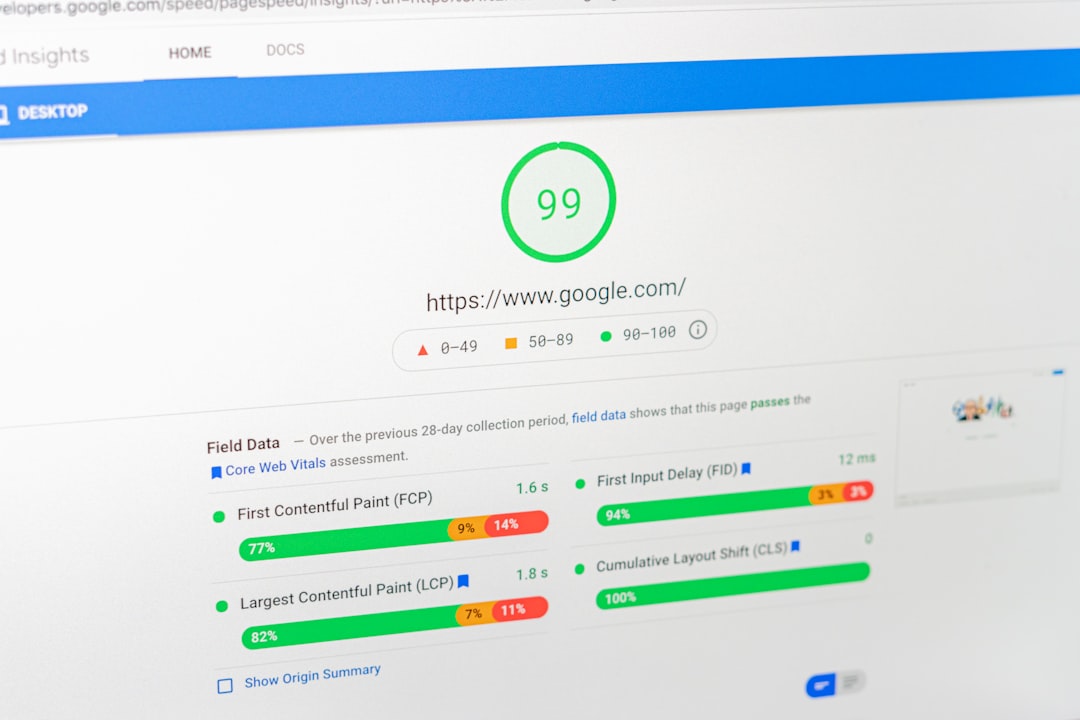
Attachment pages, thin archives, parameter URLs, and inconsistent internal linking create more drag than most site owners realize. Fix the issues that block visibility before the issues that polish visibility. You do not need a perfect score. The goal is a site that loads cleanly, is easy to use, and sends consistent signals about which pages matter most.
Focus on Pages That Already Show Potential
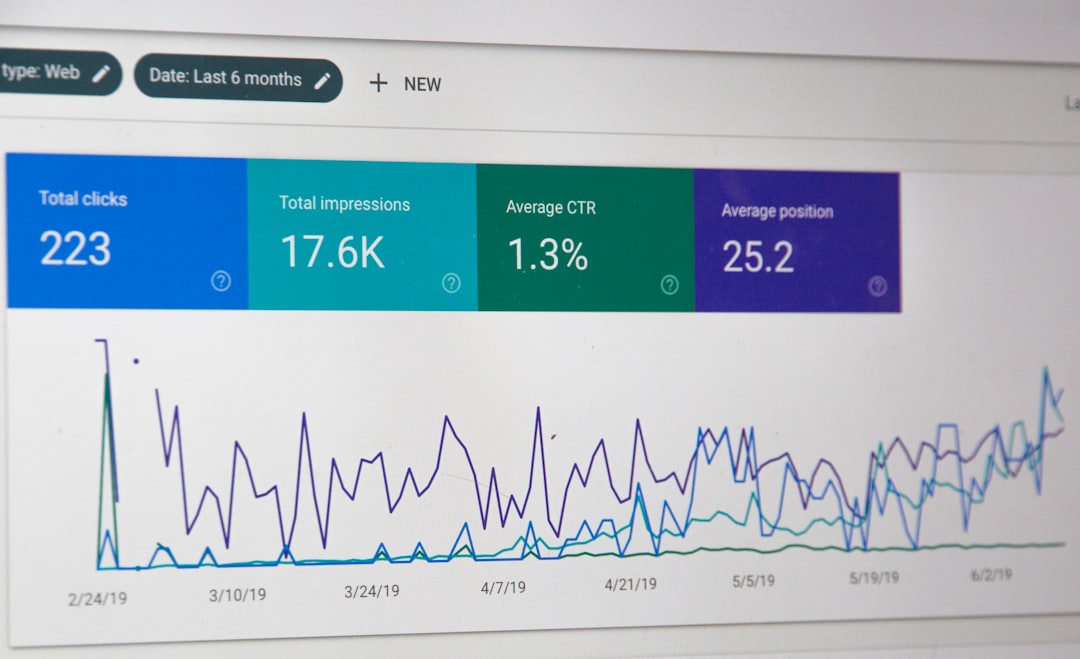
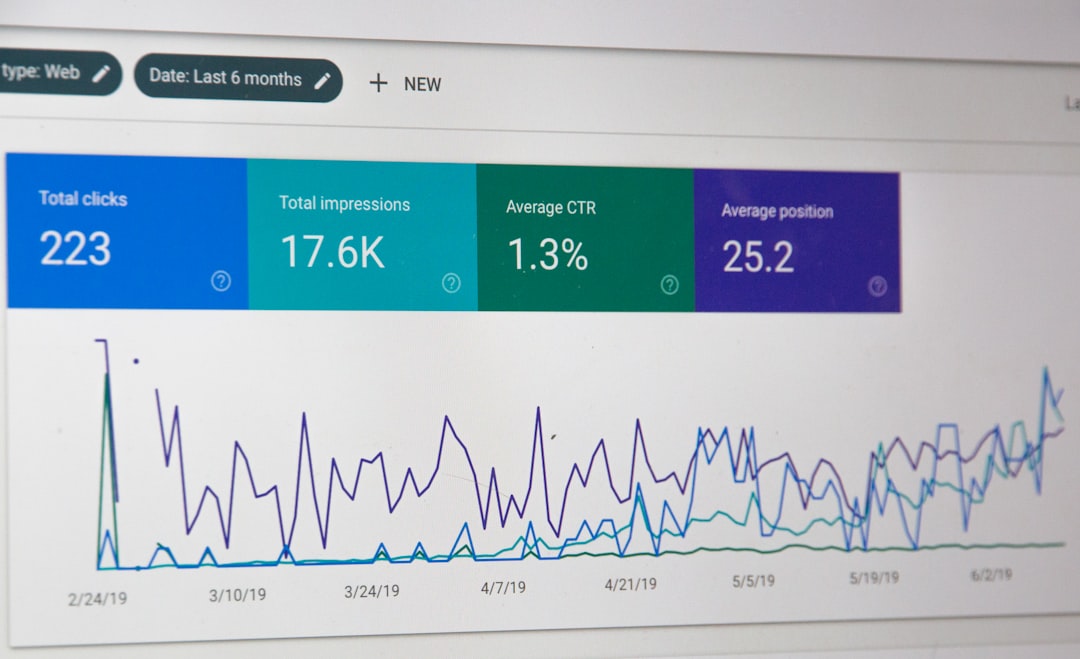
The fastest SEO gains often come from improving pages that already earn impressions. Instead of starting from zero with a new post, strengthen pages that Google already associates with relevant searches.
Look for pages with impressions but weak click-through rates, or pages ranking close to page one. Tighten the title, sharpen the opening, improve internal links, and make the page more directly useful. This is usually a better use of time than expanding your site with thin near-duplicate content.
A Practical Order of Operations
Most WordPress SEO work becomes easier once you stop trying to fix everything at once. Follow a simple order so each improvement supports the next one.
| Priority | What to fix | Why it comes first |
|---|---|---|
| 1 | Indexing and crawl access | Pages cannot rank if search engines cannot reach them properly |
| 2 | SEO plugin conflicts | Conflicting output creates unclear sitewide signals |
| 3 | Titles and templates | Improves topical clarity and click potential |
| 4 | Internal links | Supports discovery, hierarchy, and page importance |
| 5 | Canonicals and redirects | Reduces duplication and cleans up version conflicts |
| 6 | Meta descriptions | Improves search-result summaries on key pages |
| 7 | Extra polish | Supports performance after the foundation is stable |
What to Stop Doing
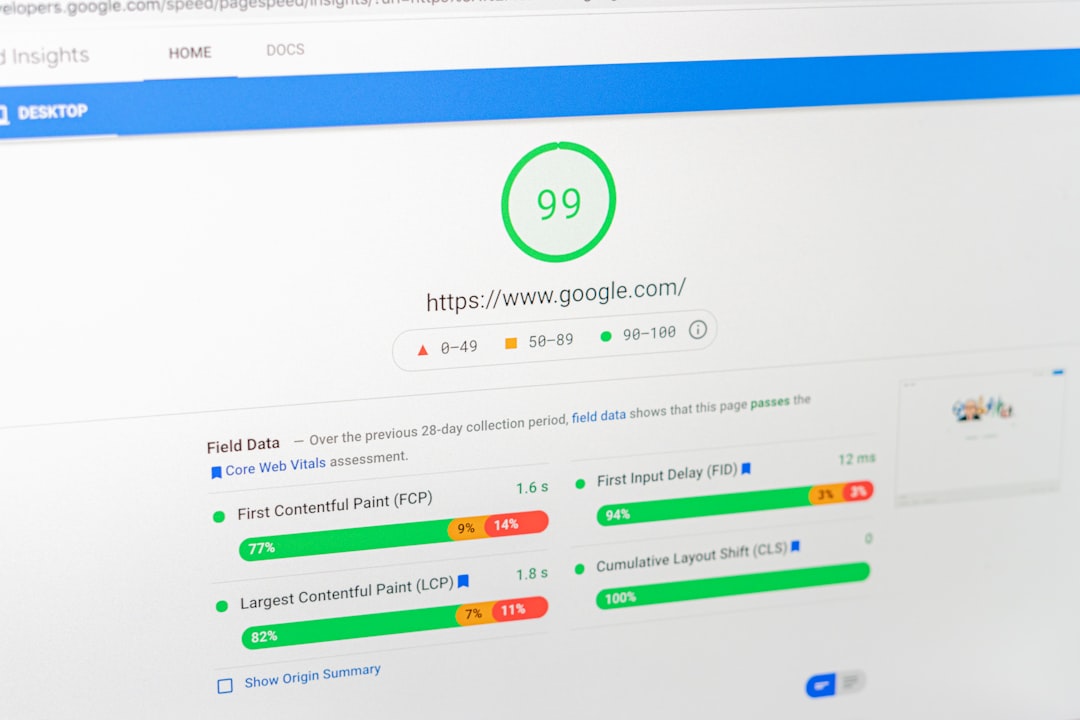
Stop measuring progress by plugin scores alone. Stop stacking features because they are available. Stop publishing overlapping posts just to target slight keyword variations. Those habits make WordPress SEO feel active while keeping the core problems in place.
Better results usually come from simplification: one plugin, cleaner titles, stronger internal links, fewer duplicate URLs, and a tighter map of which pages should rank for what.
When to Get Help
If you have done the basic work and rankings are still flat, the bottleneck is usually not effort. It is uncertainty about what is actually wrong. That is where a diagnostic review helps more than another checklist.
WordPress SEO Expert can help you sort out whether the real problem is indexing, duplication, weak targeting, or plugin clutter. Book a free SEO consultation. No pitch, no pressure. Just an honest look at what your site actually needs and whether your current setup is part of the solution or part of the problem.
Contact WordPress SEO Expert today to schedule a consultation.