
Low rankings usually come from a scattered plan, not one missing plugin. If you want to optimize WordPress SEO, focus on a short list of fixes that improve crawling, indexing, page quality, and internal linking before you chase plugin scores or publish more content.
Most site owners do not have one catastrophic SEO problem. They have a stack of smaller issues: weak title tags, thin internal links, slow templates, indexable archive clutter, and pages that do not clearly match search intent. That is why a page can be well written and still underperform.
This guide walks through the WordPress SEO tips that usually make the biggest difference first. If you are not sure whether the real issue is technical, on-page, or content-related, review this WordPress SEO checklist for new websites alongside the steps below so you do not miss a foundational setting.
Start With the Fixes That Affect the Whole Site
The fastest SEO wins usually come from sitewide settings, not from editing one blog post at a time. Check indexing, permalink structure, your sitemap, and your title templates before you spend hours rewriting copy.
Begin with these basics inside WordPress:
| Area | What to check first | Why it matters |
|---|---|---|
| Indexing | Make sure search engine visibility is enabled and important pages are not set to noindex | If search engines cannot index the page, nothing else matters yet |
| Permalinks | Use a clean URL structure such as post name | Readable URLs are easier to crawl, share, and maintain |
| SEO plugin setup | Use one SEO plugin only and configure titles, meta templates, and sitemaps | Multiple SEO plugins often create duplicate tags and conflicts |
| Archives | Review tag, author, and date archives | Low-value archive pages can dilute crawl attention and create thin index pages |
| Internal links | Link related pages together with descriptive anchor text | Internal links help search engines understand page relationships and priority |
If your site has recently slowed down while rankings stalled, pair these SEO fixes with the speed recommendations in how to improve WordPress site speed for SEO. Technical friction often hides behind what looks like a content problem.
Use One SEO Plugin and Set It Up Properly
There is no single best SEO plugin for WordPress, but there is a best one for your setup. What matters more than brand choice is using one plugin cleanly and configuring the settings that control titles, canonicals, schema, and sitemaps.
A messy plugin stack is a common reason WordPress SEO stalls. Running overlapping SEO tools can create duplicate meta tags, conflicting canonical signals, and competing sitemap files. One plugin, set correctly, is almost always the better move.
When reviewing your plugin setup, check the homepage title, page title template, meta description patterns, XML sitemap behavior, and whether low-value archives should stay indexable. Do not treat the plugin score as the goal. The goal is clearer search signals and better page matching.
Weak vs stronger title example
Weak title: SEO Services | SEO Company | SEO Expert
Stronger title: WordPress SEO Services for Small Businesses
The stronger version is clearer, less repetitive, and better aligned with what a real searcher might type. Apply that same logic to service pages, category pages, and blog posts.
Match Each Page to One Clear Search Intent
Many WordPress pages underperform because they try to rank for several different intents at once. Pick the primary question the page should answer, then make the title, heading structure, introduction, and supporting sections reinforce that exact topic.
For example, a service page should not read like a general blog post, and a blog post should not try to sell like a homepage. When intent is mixed, rankings often plateau because search engines cannot confidently classify the page.
A simple framework helps:
| Page type | Main SEO job | What to avoid |
|---|---|---|
| Homepage | Clarify who you help and what you do | Generic slogans with no service context |
| Service page | Rank for a commercial intent topic | Long unrelated educational sections |
| Blog post | Answer one search question clearly | Trying to target every variation in one article |
| Category page | Organize related content or products | Thin archive pages with no unique value |
If you are experiencing these symptoms, our team at WordPress SEO Expert can help. We diagnose whether the real bottleneck is search intent mismatch, weak internal architecture, or a technical issue before recommending changes.
Improve On-Page SEO Without Stuffing Keywords
Good on-page SEO is mostly about clarity, not repetition. Use your main keyword in the title, the page heading, the opening paragraph, and a few natural subheadings, then focus on covering the topic thoroughly in plain language.
This is where many site owners get pulled off course by plugin scoring systems. Green lights can be useful reminders, but they are not rankings. A page with mechanical keyword repetition often performs worse than a page that answers the topic directly and reads naturally.
Prioritize these on-page improvements:
| Element | What to do | Common mistake |
|---|---|---|
| Title tag | Lead with the topic and make it specific | Repeating near-identical keywords |
| H1 | Use one clear main heading | Making it vague or unrelated to the title |
| Intro paragraph | Answer the topic quickly | Starting with filler or brand-first copy |
| Subheadings | Organize the next questions a reader has | Using generic headings that add no meaning |
| Images | Add descriptive filenames and alt text where relevant | Stuffing alt text with keywords |
Build Internal Links That Support Rankings
Internal links are one of the most overlooked WordPress SEO tips because they look simple. In practice, they help search engines discover pages, understand topic relationships, and identify which pages on your site carry the most weight.
The mistake is adding random links after publishing. A better approach is to link from relevant supporting pages to the page you most want to rank, using anchor text that describes the destination naturally. That gives search engines stronger context than generic anchors.
As you update older posts, add links to your most important service pages and cornerstone articles. If you already have content on audits, speed, or technical setup, connect those pieces so the site reads like a structured resource, not a pile of isolated posts.
Fix Technical Issues Before Publishing More

If rankings are flat across the site, publishing more content is usually not the first fix. Technical issues such as crawl waste, duplicate archives, bad canonicals, thin templates, and slow page generation can suppress good content before it gets a fair chance.
This is especially common after redesigns, migrations, or plugin changes. The content may still be fine, but the underlying signals have changed. When that happens, review the site as a system instead of rewriting pages blindly.
Check these technical areas in order:
| Priority | Area | What to review |
|---|---|---|
| 1 | Indexing | Noindex settings, robots instructions, sitemap inclusion |
| 2 | Canonicals | Whether pages point to the correct preferred URL |
| 3 | Duplicate content | Archive pages, parameter URLs, and copied service copy |
| 4 | Speed | Heavy images, excessive plugins, slow templates, weak hosting |
| 5 | Mobile usability | Layout shifts, tap targets, and content hidden on smaller screens |
Most site owners do not need a hundred-point checklist. They need the right four or five checks in the right order. That is usually enough to uncover what is actually limiting performance.
Do Not Ignore Site Speed
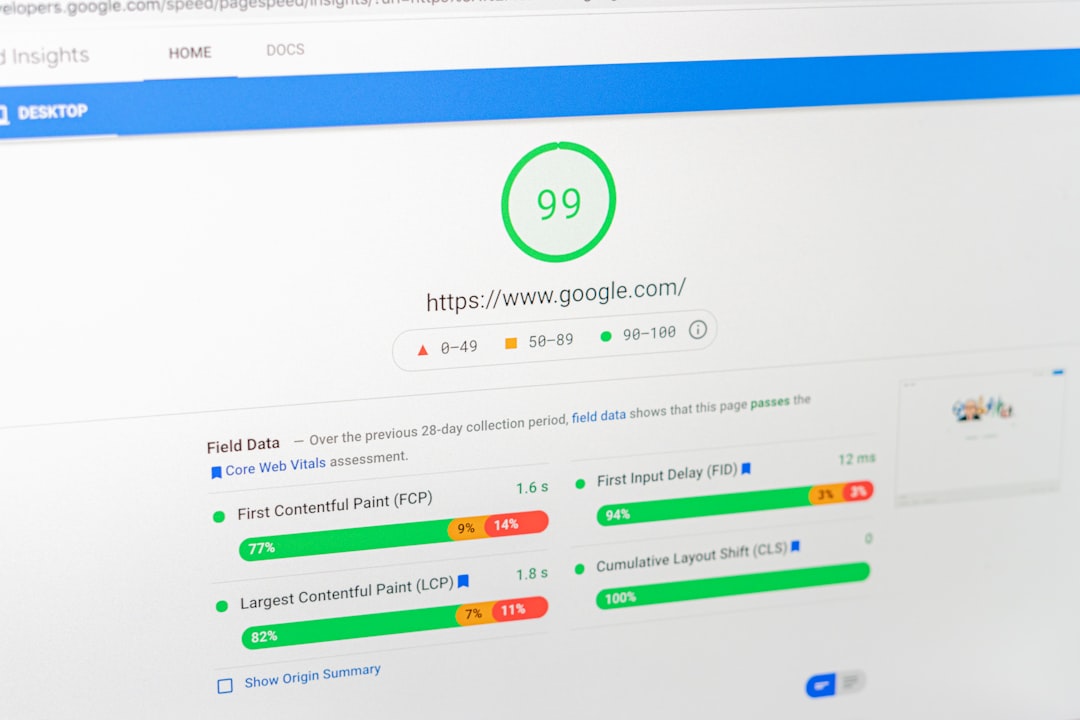
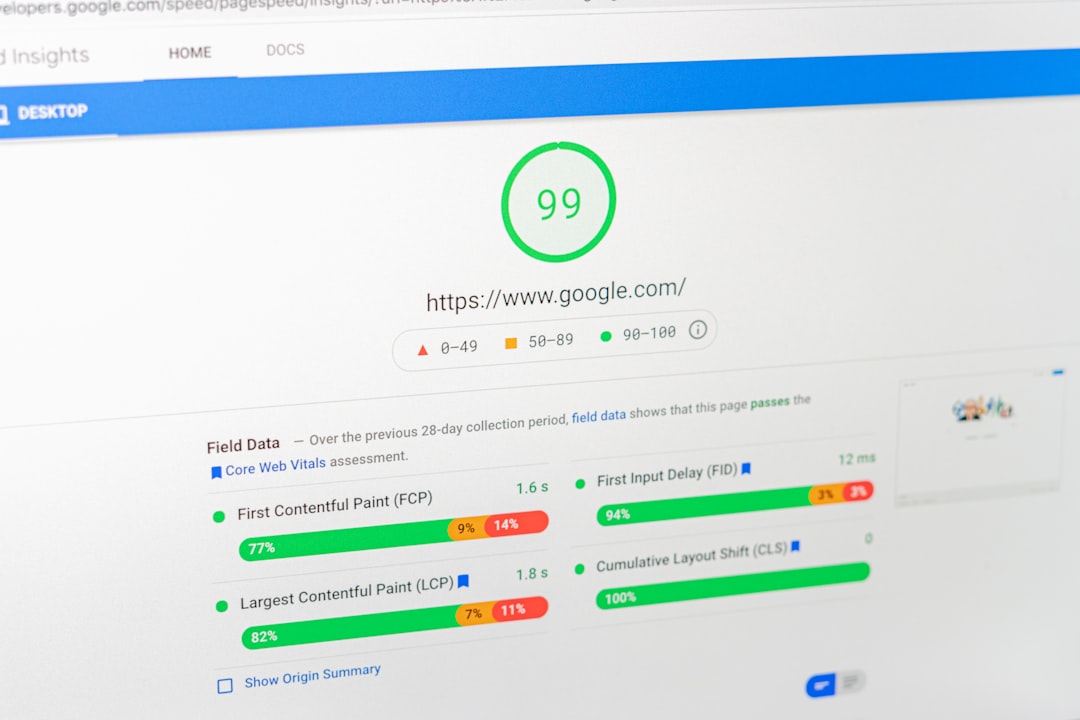
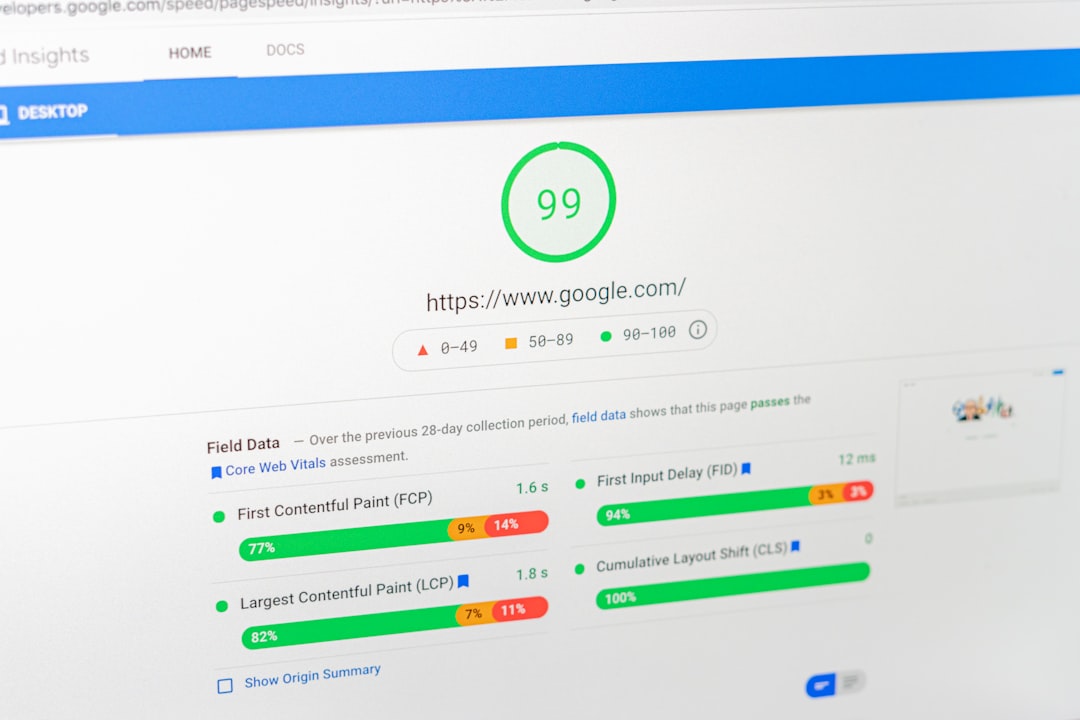
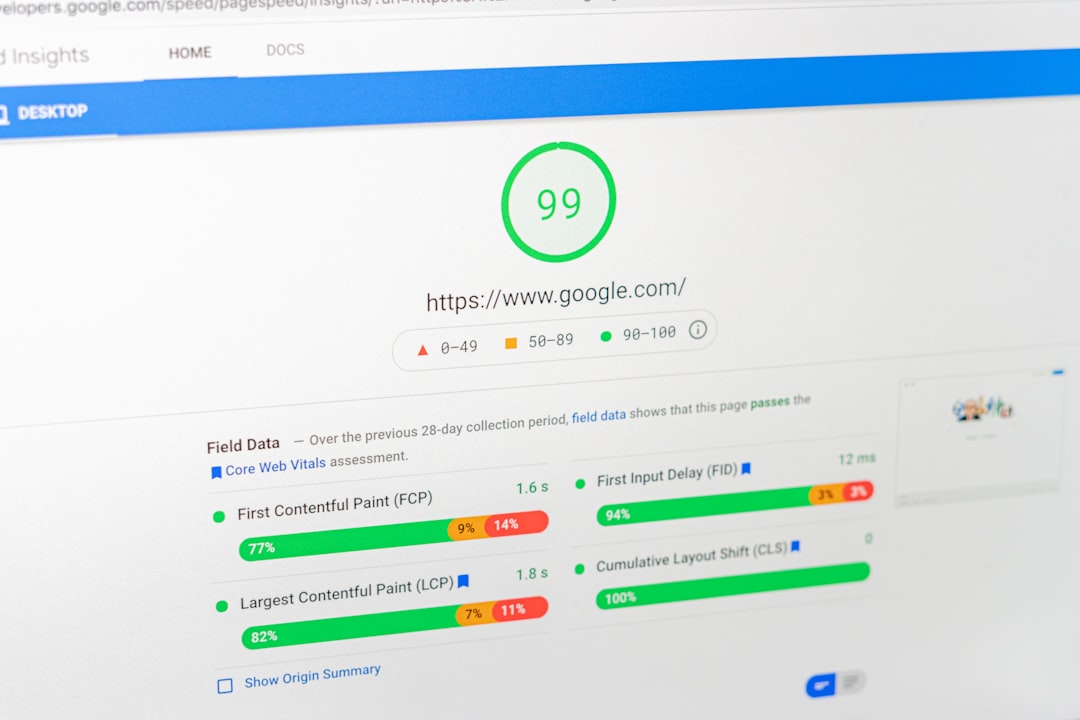
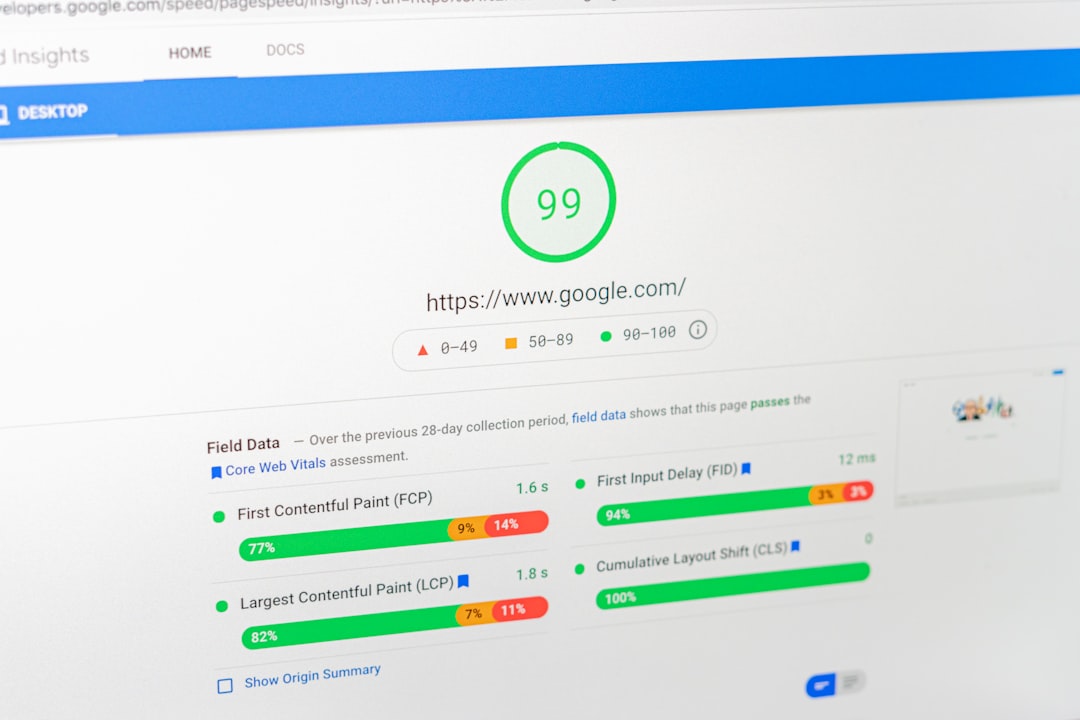
Speed rarely fixes weak content on its own, but a slow WordPress site can drag down user experience and make every SEO improvement less effective. If pages load heavily, start with image compression, cleaner caching, and fewer unnecessary plugins.
A practical target is a site that feels fast, stable, and easy to use on mobile. You do not need a perfect lab score. You need pages that load reliably, avoid layout jumps, and let users reach the answer without friction.
If your site still struggles after basic speed fixes, revisit these real WordPress speed fixes for SEO and work through the highest-impact items first instead of installing more optimization plugins.
A Simple WordPress SEO Order of Operations
If you want a practical stopping point, follow a clear order: make sure the site can be indexed, clean up titles and structure, strengthen internal links, improve weak pages, then address speed and template issues. That sequence prevents wasted effort.
Use this order when rankings feel stuck:
| Step | Action | Why this comes first |
|---|---|---|
| 1 | Confirm indexability and sitemap health | Pages must be crawlable before they can rank |
| 2 | Rewrite weak titles and headings | These change relevance signals quickly |
| 3 | Add internal links to priority pages | Helps distribute authority across the site |
| 4 | Expand or refocus pages with mixed intent | Improves topical alignment |
| 5 | Address speed and template friction | Supports better user experience and crawling |
That is the difference between a clean SEO plan and random busywork. You are not trying to do everything. You are trying to remove the biggest bottleneck first.
When to Get a Second Set of Eyes
If you have already published content, installed a reputable SEO plugin, and handled the basics, but rankings still are not moving, the issue is usually diagnostic. Something in the setup, structure, or page targeting needs to be reviewed with more precision.
WordPress SEO Expert can help you pinpoint what to fix first. If you want a second set of eyes before changing settings or rewriting pages, request a free WordPress SEO audit and we will help you separate high-impact fixes from noise.
Contact WordPress SEO Expert today to schedule a consultation. We will review what is holding the site back and give you a clearer order of operations, not a generic checklist that never gets implemented.