
Low rankings on an older WordPress site usually come from a stack of smaller problems, not one missing plugin. Existing websites often have legacy settings, thin internal linking, overlapping content, and technical clutter that quietly hold pages back even when new posts keep getting published.
This guide focuses on what to check first on a live site that already has traffic, pages, and history. The goal is not to chase plugin scores. It is to find the bottlenecks that keep important pages from ranking, then fix them in the right order.
Start with crawl and index basics

The first priority is making sure search engines can crawl and index the pages that matter. If important URLs are blocked, no amount of content updates or plugin tweaking will move rankings very far.
Check WordPress under Settings, then Reading, and confirm the Search Engine Visibility option is not discouraging indexing. WordPress also gives site owners enough flexibility to create duplicate URL paths, thin archives, or mixed canonical signals over time, so this is where older sites deserve a careful review. If you want a structured process, review our WordPress SEO audit walkthrough before changing settings.
On an existing site, look closely at the homepage, service pages, category pages, and older blog posts. Make sure each one loads as a live 200 page, is linked from somewhere discoverable, and does not point search engines toward another URL by mistake.
Clean up plugin overlap before anything else
Older WordPress sites often accumulate overlapping SEO, schema, redirect, and sitemap features. That creates mixed signals and makes troubleshooting harder than it needs to be.
Use one main SEO plugin for titles, meta descriptions, XML sitemaps, and index controls. Then verify the front-end output instead of trusting the dashboard summary. A plugin can say a page is optimized while the actual source code shows duplicate titles, conflicting canonicals, or multiple schema systems competing on the same page.
This is also the right time to review settings added by themes and page builders. Many sites are not technically broken. They are just carrying too many overlapping features that create noise. Removing one unnecessary SEO layer is often more helpful than installing another plugin.
Fix titles and headings that are too generic
Pages that already exist usually do not need a full rewrite first. They often need clearer titles, better heading structure, and a tighter match to what the searcher actually wants.
Google recommends title text that is descriptive, concise, and not repetitive across the site. On older WordPress websites, it is common to find title patterns that repeat the same broad phrase across service pages, location pages, or posts. That weakens relevance and makes multiple pages compete with each other.
A weak title might read: SEO Services | SEO Company | SEO Expert. A stronger version is more specific to the page topic and audience. The same principle applies to H1s and section headings. Make them clear enough that both users and search engines can tell exactly what the page is about without guessing.
Improve internal linking on pages you already have

Internal linking is one of the fastest wins on an established site because it does not require new backlinks or a full redesign. It helps search engines discover pages, understand topic relationships, and pass more authority to the URLs that matter most.
Start with pages tied to leads, sales, or core services. Then look for older blog posts that mention those topics without linking to them. Use descriptive anchor text that explains the destination naturally. Google specifically recommends crawlable links with relevant anchor text, so avoid vague phrases and empty calls to action where possible.
If your site also struggles with template weight or sluggish pages, pair your internal linking cleanup with the fixes in our WordPress site speed SEO guide. Existing websites often underperform because technical friction and weak linking compound each other.
Review content overlap before publishing more
Publishing more content is usually not the first answer for an existing website. Many sites already have too many similar posts targeting adjacent phrases with no clear primary page.
Look for older posts that cover nearly the same topic, service pages that target the same keyword from different angles, and archive pages that add little value. In many cases, one stronger page with a clearer structure will perform better than several thin or overlapping pages. Existing content should earn its place. If it does not, improve it, merge it, redirect it, or leave it out of the main SEO plan.
Check canonicals and duplicate paths
Canonical problems are common on existing WordPress websites, especially after redesigns, plugin changes, or URL migrations. When Google sees multiple similar URLs, a clear canonical preference helps consolidate signals instead of splitting them.
Pay close attention to category archives, tag archives, paginated URLs, filtered WooCommerce pages, attachment URLs, and any version of a page that can load through more than one path. Canonicals are usually a cleaner solution than mixing duplicate pages with noindex rules across the same set of URLs. The main goal is consistency. One preferred URL per page type is easier to crawl, easier to link to, and easier to rank.
Speed still matters, but diagnose it correctly

Page speed matters on existing websites because technical bloat tends to build over time. The mistake is treating speed as a plugin score problem instead of a template, hosting, and asset problem.
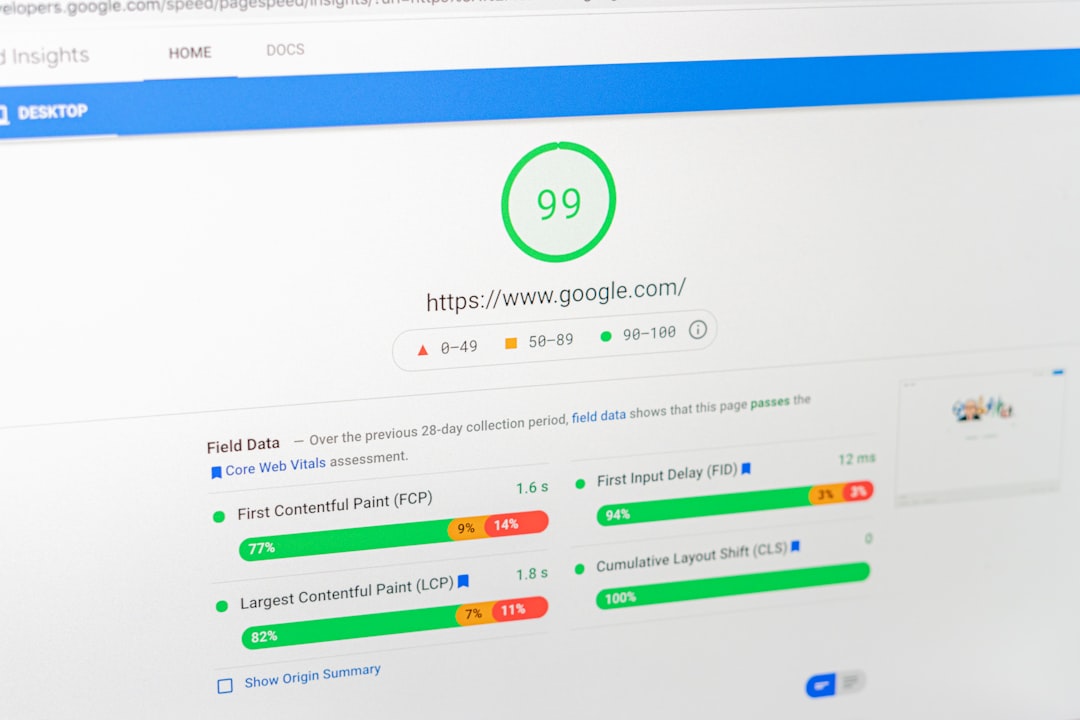
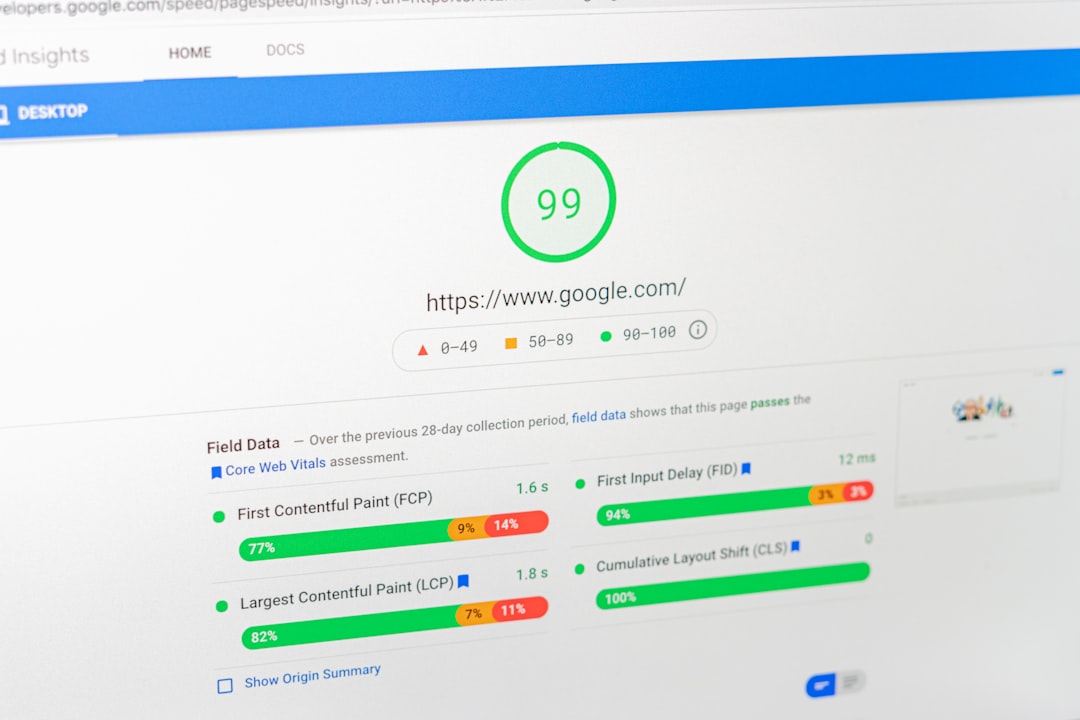
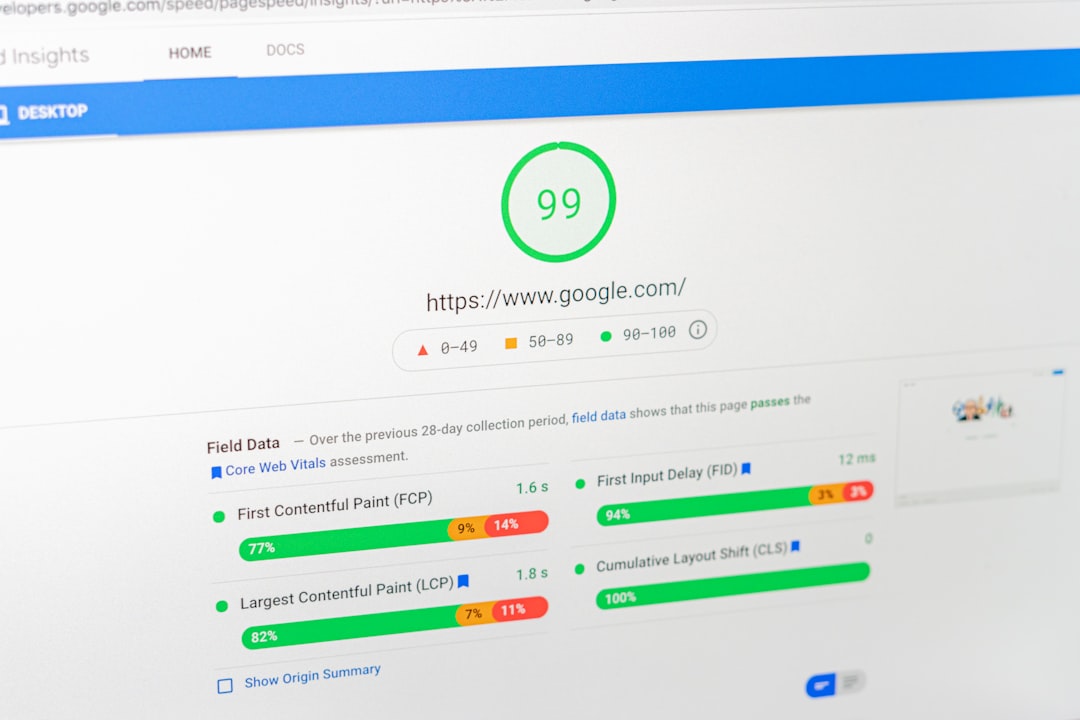
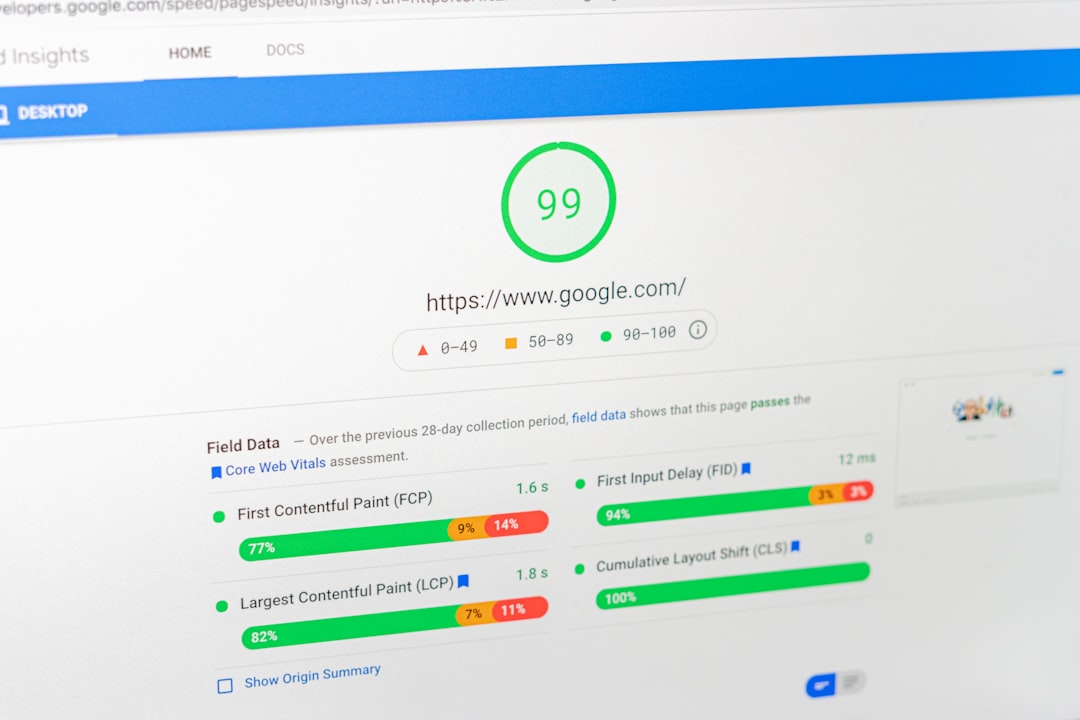
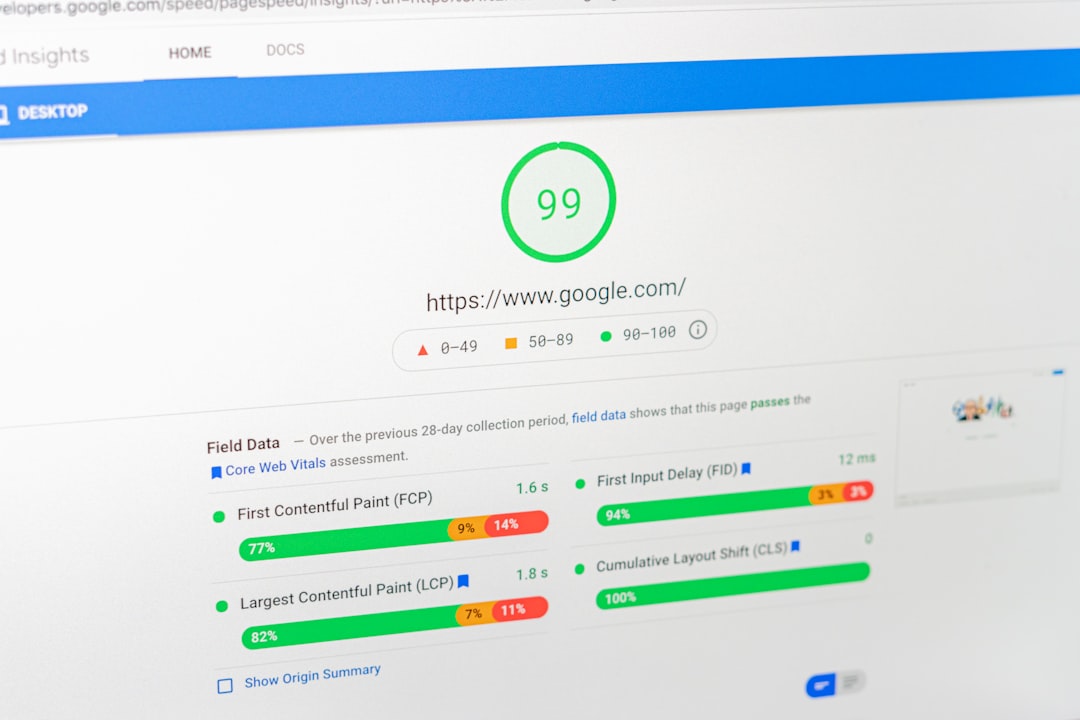
Google’s Core Web Vitals focus on loading performance, interactivity, and visual stability. In practical terms, older WordPress sites usually improve fastest when you compress oversized images, reduce render-blocking scripts, trim plugin weight, and use a cleaner caching setup. You do not need a perfect lab score. You need a site that loads reliably and feels stable on mobile devices.
If you are not sure whether speed is the bottleneck or just one symptom, WordPress SEO Expert can help you sort out the difference before you spend time changing themes or plugins.
A practical fix-first checklist
Most site owners need a short priority list, not a giant SEO spreadsheet. Start with blockers, then improve the pages closest to revenue, then work outward into structure and content cleanup.
| Area | What to check first | Why it matters |
|---|---|---|
| Indexing | Search Engine Visibility, noindex tags, canonical targets, sitemap inclusion | Pages cannot rank if they are blocked or sending the wrong signals |
| Plugin setup | One SEO plugin, one sitemap system, clean schema output | Reduces conflicting metadata and troubleshooting noise |
| On-page SEO | Unique titles, one clear H1, useful H2 structure | Improves intent match and page clarity |
| Internal links | Links to service pages, orphan content, weak anchors | Helps discovery and authority flow across the site |
| Content overlap | Posts or pages targeting the same query | Prevents cannibalization and thin content sprawl |
| Performance | Heavy images, script bloat, caching, hosting response | Removes friction that affects usability and crawl efficiency |
What to do first if rankings have been stuck
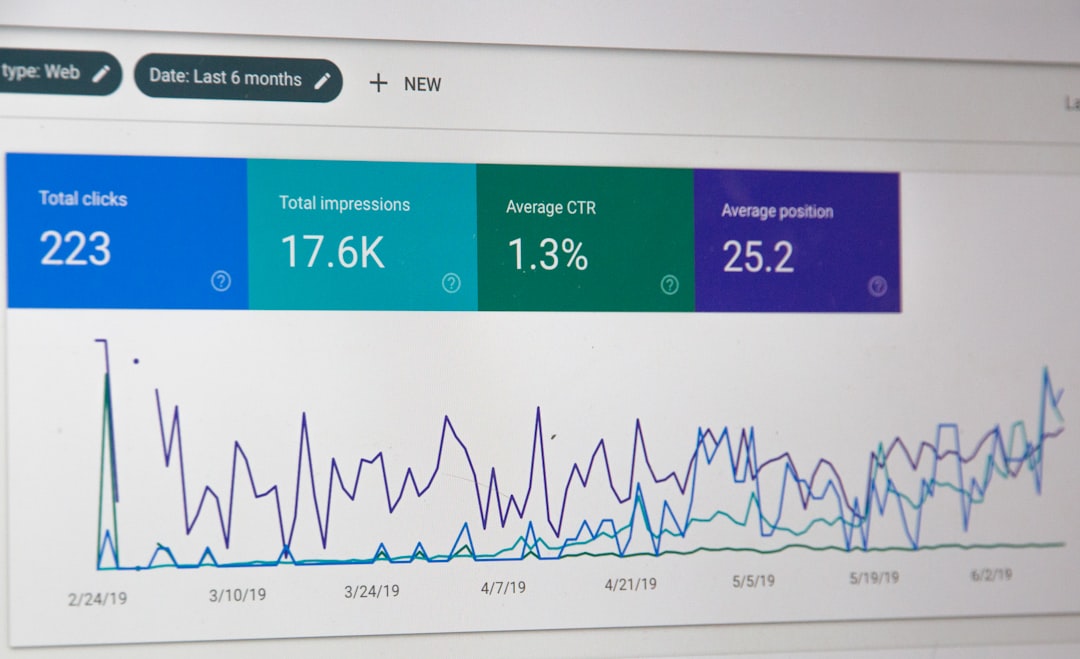
If rankings have been flat for months, start by auditing your existing pages before creating new ones. Check whether the right pages are indexable, whether they target distinct search intent, and whether internal links support them clearly.
Then make a short action plan. Fix index and canonical problems first. Tighten titles and headings next. Improve internal links after that. Only once those basics are in better shape should you decide whether you truly need more content. This order prevents busywork and gives you a cleaner baseline for measuring results.
If you want a second set of eyes before changing settings, WordPress SEO Expert can review the technical setup, page targeting, and internal linking issues holding the site back. Book a free SEO consultation if you want a practical fix list instead of another generic checklist.
Final takeaway
WordPress SEO for existing websites is mostly about cleanup and prioritization. Most sites do not have one catastrophic problem. They have a stack of smaller issues that compound over time and make good pages underperform.
Work from crawlability to on-page targeting to internal links to performance. That sequence gives you the best chance of seeing progress without rebuilding everything. If you want help diagnosing what to fix first, contact WordPress SEO Expert today to schedule a consultation.