WordPress SEO for beginners works best when you stop chasing plugin scores and start fixing the pages and settings that affect visibility first. If your traffic is flat, the problem is usually not effort. It is usually a scattered setup, unclear priorities, or pages that do not send strong signals about what they should rank for.
That is why beginners should focus on a short list of fundamentals: clear titles, clean site structure, one SEO plugin, useful content, and internal links that connect related pages. Google recommends descriptive and concise titles, helpful people-first content, and accurate page descriptions. Those basics matter more than squeezing every last feature out of your plugin. Google’s title guidance, meta description documentation, and people-first content guidance all point in the same direction.
If you are new to the platform, this practical WordPress SEO guide for DIY site owners gives useful background, while this post on fixing WordPress SEO setup problems helps if your site already feels cluttered or inconsistent.
Start With One SEO Plugin
Beginners should keep their setup simple. One well-configured SEO plugin is enough, and adding more often creates confusion instead of better rankings.
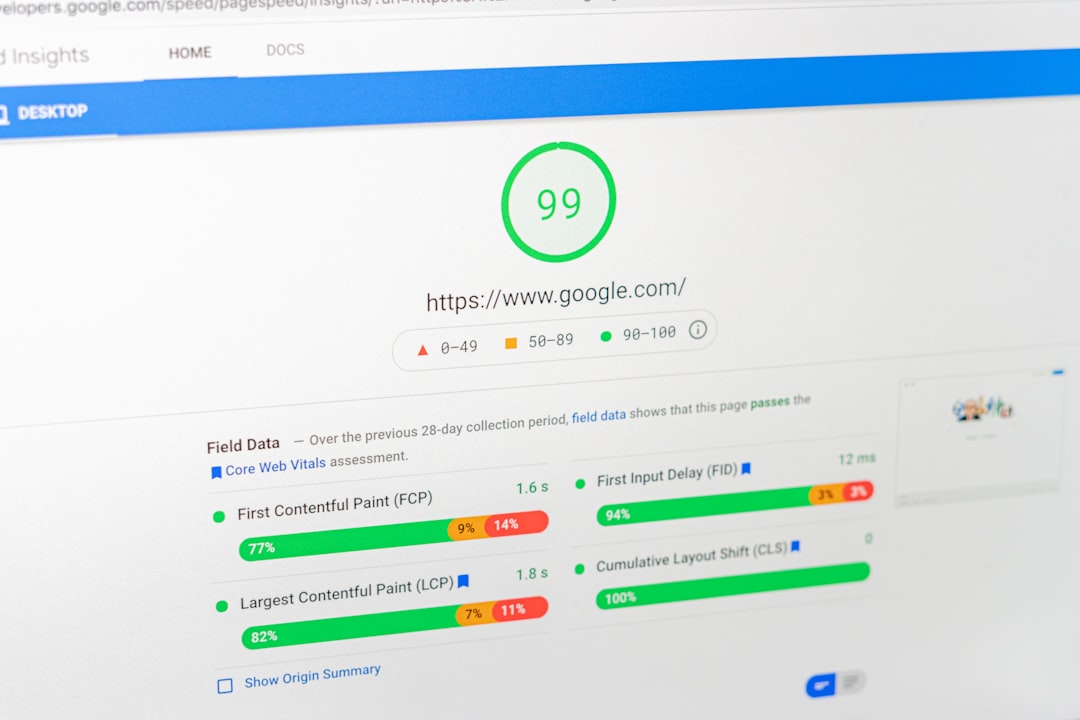
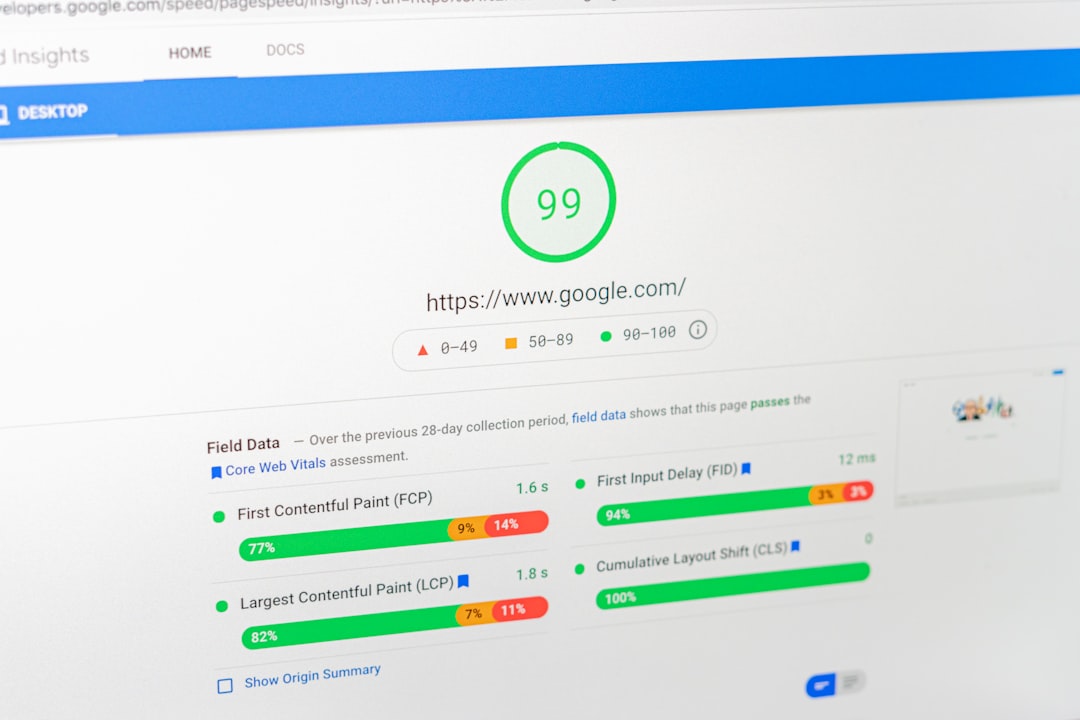
This is one of the fastest ways to avoid technical problems early. Running overlapping plugins can create duplicate metadata, conflicting canonicals, and multiple sitemap outputs. A green light in an SEO plugin does not mean the page deserves to rank. The plugin can help you manage titles, descriptions, sitemaps, and index settings, but it cannot replace useful content or clear page targeting.
Write Better Page Titles First
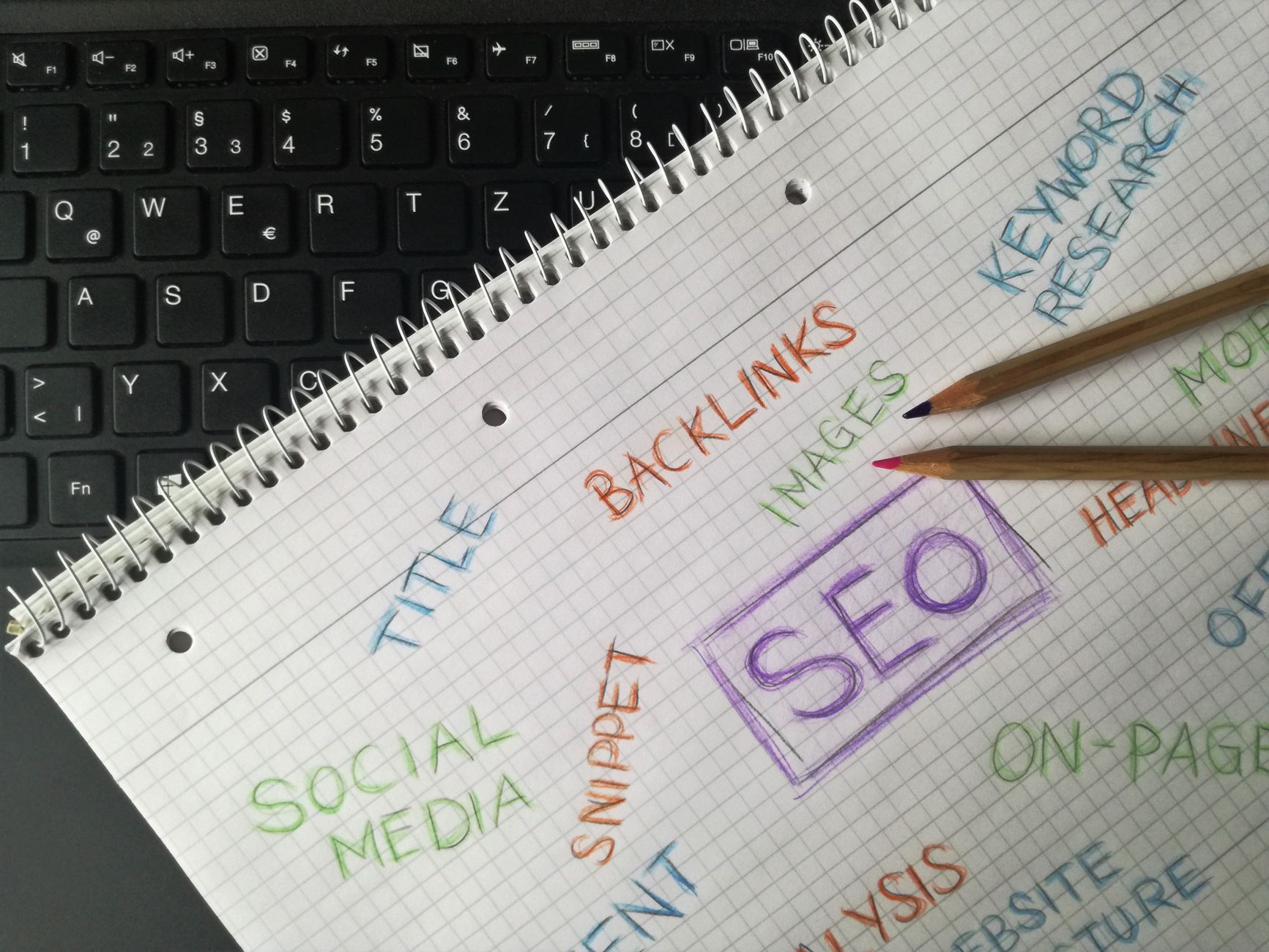
Your page titles are one of the clearest signals you control. Fixing weak titles is often the simplest beginner improvement because it affects both relevance and clicks.
Google says titles should be descriptive, concise, and unique to the page. It also warns against keyword stuffing and repetitive boilerplate. That means titles should describe the page plainly instead of cramming in every variation you can think of. Google’s documentation on title links is worth reviewing if you are unsure how far to go.
| Weak title | Stronger title |
|---|---|
| SEO Services | SEO Company | SEO Expert | WordPress SEO Services for Small Businesses |
| Blog | WordPress SEO Tips for Beginners |
| Home | Local Plumbing Repairs in Austin |
Strong titles help users and search engines understand the page quickly. They also make your site easier to maintain because each important page has a distinct purpose.
Keep Meta Descriptions Useful
Meta descriptions support clicks, not rankings directly. Beginners should treat them as short summaries that help the right visitor choose your page in search results.
Google may use the meta description in search snippets when it gives users a better summary of the page. Write a unique description for your homepage, key service pages, and your strongest blog posts first. Make it specific, natural, and aligned with what the page actually covers. Google’s meta description guidance explains why generic descriptions often get ignored.
Use Clear Headings and Simple Structure
Pages rank more easily when their structure is obvious. A beginner-friendly page usually needs one clear main topic, one H1, and subheadings that break the page into logical sections.
Most WordPress themes already output the page title as the H1, so you usually do not need to force extra heading tricks. Use H2s for major sections and H3s only when you need a subsection inside a larger point. This keeps the page readable and makes it easier for both users and search engines to follow the topic.
Build Internal Links as You Publish
Internal links are one of the most practical beginner wins. They help search engines discover pages and show which content on your site is most important.
Google recommends crawlable links with descriptive anchor text. In practice, that means linking related blog posts and service pages with phrases that explain what the reader will find next. If you publish a new article about SEO setup, link it naturally to a broader guide and to any page that solves the next step in the process. Google’s developer SEO guidance supports this approach, and our setup problem guide is a good example of a page that should connect to beginner content.
If you are experiencing these symptoms, our team at WordPress SEO Expert can help.
Focus on Helpful Content, Not Volume

Beginners do not need a huge publishing schedule. A few useful pages built around real questions will usually outperform a pile of thin articles written just to hit a keyword target.
Google recommends creating helpful, reliable, people-first content instead of pages made mainly to attract search traffic. That means each post should answer a real question, match a clear intent, and give the reader enough value that they do not need to search again right away. Google’s people-first content guidance is a better model than any plugin checklist.
A simple content plan for beginners is enough: create one main service or category page for each core topic, then publish supporting posts that answer related questions and link back to the main page. That structure is easier to manage than writing several thin posts that compete with each other.
Check Indexing Before Chasing Advanced Fixes
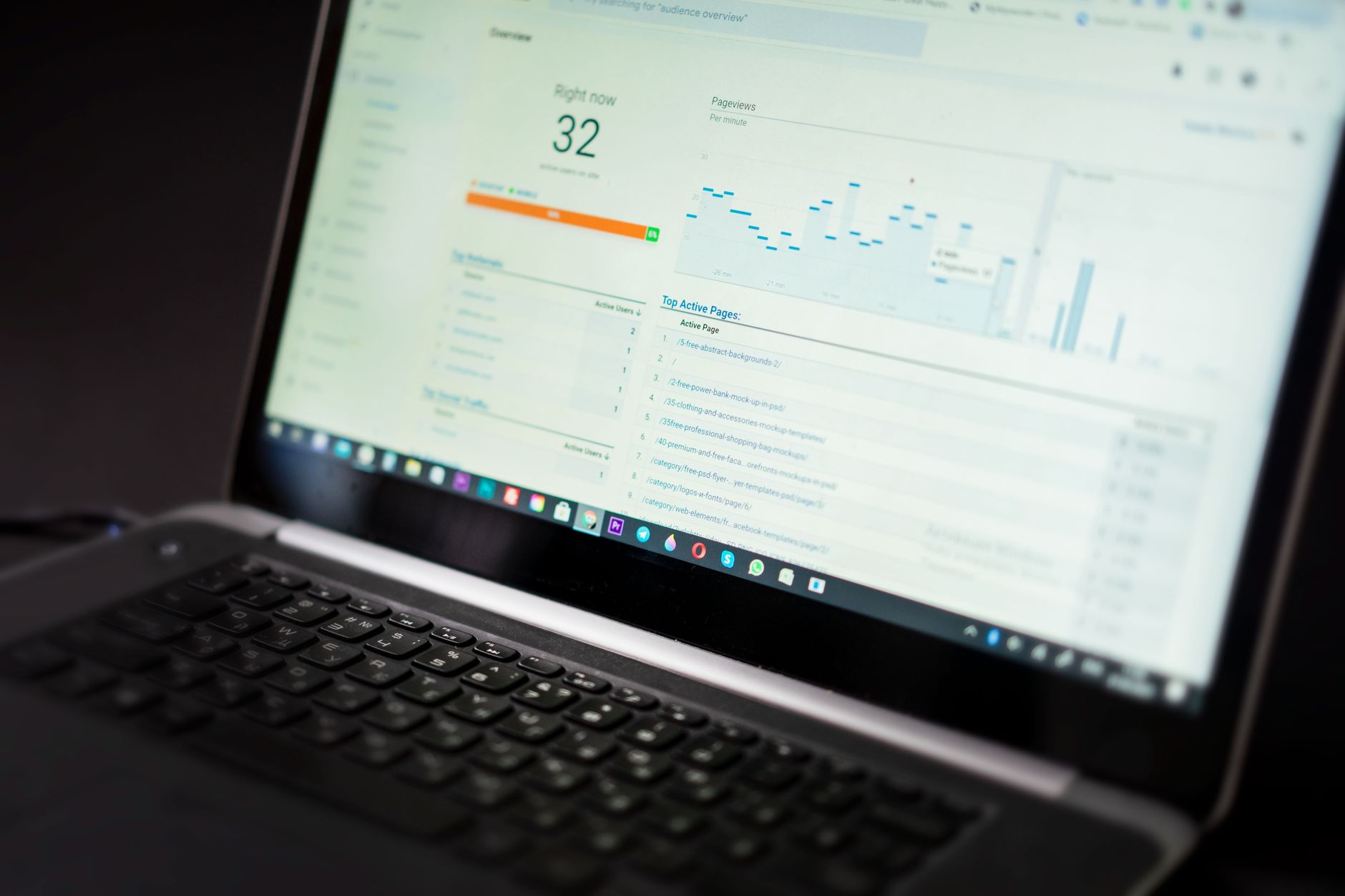
If your pages are not getting seen, confirm they can be crawled and indexed before spending time on advanced tweaks. Visibility problems usually start lower in the stack.
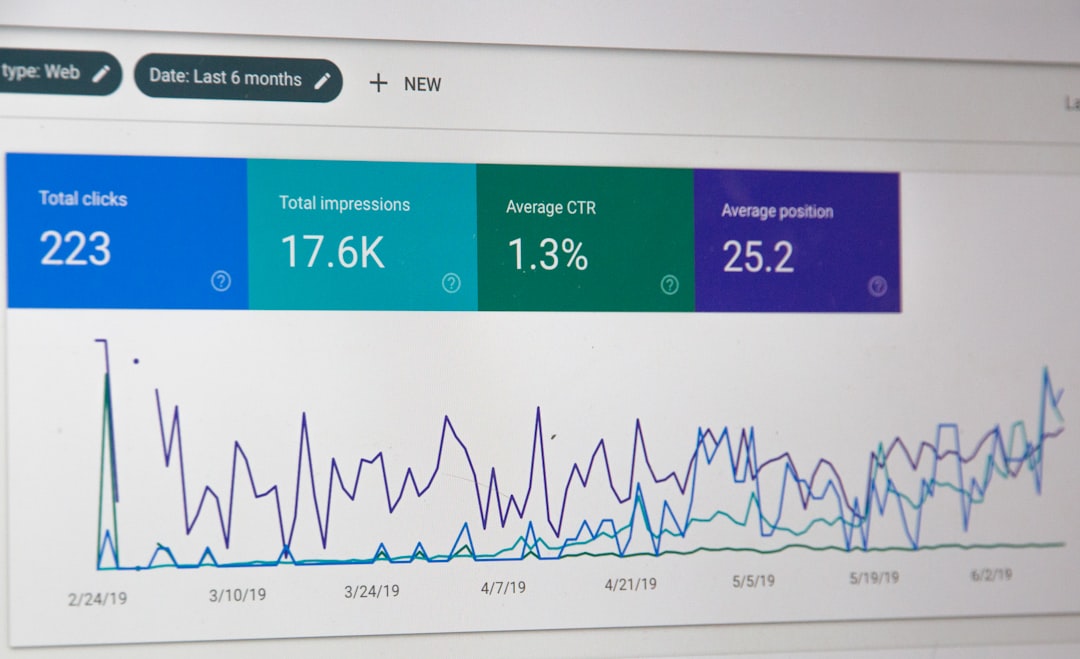
Look in Google Search Console for excluded pages, sitemap issues, or URLs that should be indexed but are not. Beginners also need to watch for thin archive pages, attachment pages, and old URLs left behind after redesigns. Fix the issues that block visibility before the issues that polish visibility. If you need a deeper roadmap, our practical guide for DIY site owners walks through the broader sequence.
What Beginners Should Ignore
Some SEO tasks matter far less than beginners assume. You do not need perfect plugin scores, endless add-ons, or a different tactic for every page type.
Do not obsess over green lights, keyword density tools, or adding another plugin because a tutorial recommended it. Do not publish separate pages for tiny keyword variations if one stronger page can answer the topic well. You do not need a perfect score. The goal is a site that loads cleanly, is easy to use, and sends consistent signals about which pages matter most.
A Simple Beginner SEO Checklist
A short checklist beats a long scattered to-do list. Start with the items that help search engines understand and trust your most important pages.
| Priority | What to do |
|---|---|
| 1 | Use one SEO plugin and remove overlapping tools |
| 2 | Write unique titles for homepage, services, and main posts |
| 3 | Add useful meta descriptions to important pages |
| 4 | Check that key pages are indexable and in your sitemap |
| 5 | Link related pages together with descriptive anchor text |
| 6 | Publish useful content that answers real questions |
When to Get Help
If beginner SEO work is starting to feel messy, that usually means the site needs prioritization more than more tools. A clear diagnosis can save weeks of random changes.
WordPress SEO Expert helps site owners sort out whether the real issue is indexing, duplication, weak targeting, internal links, or plugin clutter. Book a free SEO consultation. No pitch, no pressure. Just an honest look at what your site actually needs and whether your current setup is part of the solution or part of the problem.
Contact WordPress SEO Expert today to schedule a consultation if you want a practical SEO plan that is easier to manage and more likely to work.