
WordPress SEO gets easier when you stop treating it like a plugin checklist. Most beginners do not need more tools. They need a simple order of operations: make sure search engines can reach the right pages, make each page clearly about one topic, and connect those pages with useful internal links.
A green light in an SEO plugin does not mean the page deserves to rank. Google recommends clear, descriptive titles, useful page descriptions, and crawlable links with relevant anchor text, which is why the basics matter more than feature overload. If you are trying to learn the essentials without getting buried in jargon, this is where to start.
What WordPress SEO really means

WordPress SEO means helping search engines understand which pages on your site matter, what those pages are about, and how they connect. It is not a trick, and it is not something a plugin can finish for you automatically.
Think of it in plain language. If your site is hard to crawl, full of duplicate pages, or vague about what each page should rank for, search engines have to guess. Good SEO reduces that guesswork. One well-configured plugin is enough. The real work is choosing better page topics, writing stronger titles, cleaning up weak archives, and linking related pages together.
If you want a broader baseline after this beginner overview, read this practical guide for DIY site owners. It goes deeper into the layers that affect rankings once the basics are in place.
The 5 basics beginners should fix first
Beginners usually get better results by fixing a few important basics in the right order. Start with visibility and clarity before you worry about advanced features. Fix the issues that block visibility before the issues that polish visibility.
| Priority | What to check | Why it matters |
|---|---|---|
| 1 | Search engine visibility and indexing | Your pages cannot rank if they are blocked or excluded |
| 2 | One SEO plugin only | Too many plugins can create conflicting signals |
| 3 | Page titles and headings | These help search engines understand page topics |
| 4 | Internal links | They help users and crawlers find important pages |
| 5 | Thin archives and duplicate pages | These can waste attention on low-value URLs |
1. Make sure your site is visible to search engines
The first check is simple: confirm that your site is not telling search engines to stay away. In WordPress, this setting is easy to miss, and it can quietly hold your site back no matter how much content you publish.
In WordPress, go to Settings and Reading, then look for the checkbox that discourages search engines from indexing the site. If it is checked on a live site, uncheck it. After that, set up Google Search Console so you can see which pages are indexed, which are excluded, and whether Google is finding your sitemap.
2. Use one SEO plugin, not several
One SEO plugin is enough for most sites. Running multiple SEO plugins often creates duplicate metadata, conflicting canonicals, and competing sitemap outputs that make troubleshooting harder, not easier.
If you inherited a site, check whether old plugins are still active alongside a newer one. This is common after redesigns and migrations. Keep the plugin you actually plan to use, then remove the rest once settings and metadata are handled safely. If your current setup feels messy, a guide to fixing WordPress SEO setup problems can help you spot common conflicts.
3. Write better titles and headings
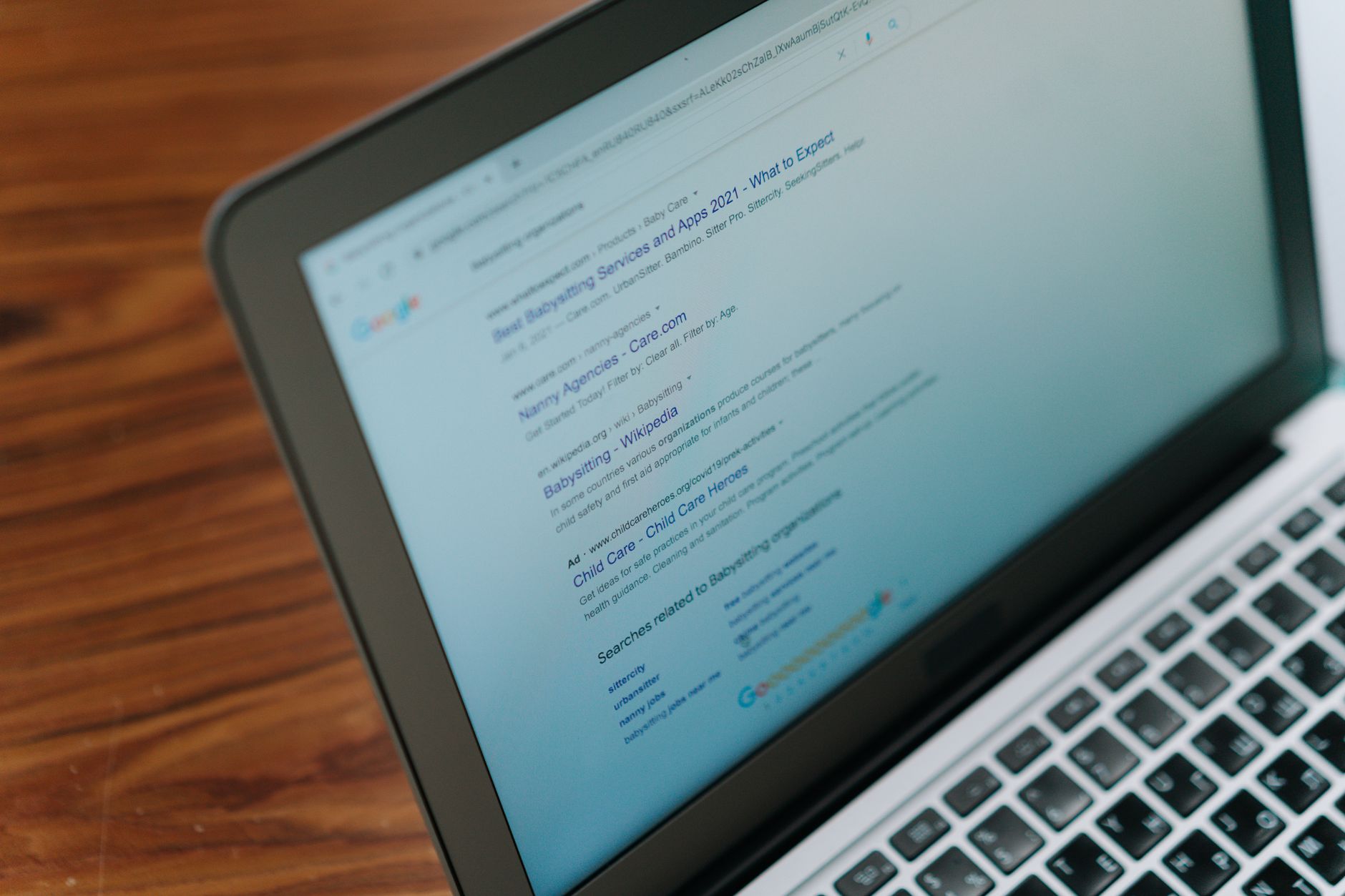
Titles and headings are beginner-friendly fixes because they have a big effect on clarity. Google recommends descriptive, concise title text and advises against keyword stuffing and repetitive boilerplate. That means your page title should describe the page, not try to cram in every variation you can think of.
Each page should also have one clear main heading. Usually, your WordPress page title becomes the H1 automatically. Keep it readable and specific. The title shown in search results and the heading on the page can be similar, but both should clearly match the topic.
| Weak title | Stronger title |
|---|---|
| SEO Services | SEO Company | SEO Expert | WordPress SEO Services for Small Businesses |
| Blog | WordPress SEO Tips for Beginners |
| Home | WordPress SEO Help for Small Business Websites |
4. Add internal links that help people move

Internal links help search engines discover your pages and understand which topics belong together. They also help real visitors find the next useful page instead of leaving after one visit. This is one of the simplest SEO improvements beginners can make.
Google recommends crawlable HTML links with descriptive anchor text. In practice, that means linking naturally from one relevant page to another using phrases that describe the destination. A post about site speed can link to a speed guide. A beginner post like this can link to a practical setup guide. Avoid vague anchor text when a clearer phrase would help.
5. Clean up thin archives and duplicate clutter
Many WordPress sites create extra pages automatically, and beginners often do not realize those pages exist. Tag archives, author archives, date archives, and attachment pages can add clutter if they are thin or repetitive.
You do not need to delete everything. You do need to decide which pages are useful and which ones only repeat content. If a tag page has one post on it, it usually is not helping. If a single-author site has an author archive that looks just like the blog page, it often does not need to be indexed. Simpler structure usually performs better than inflated structure.
What beginners should stop worrying about
Beginners waste a lot of time on low-priority details because many SEO tutorials make everything sound urgent. Most sites do not have one catastrophic problem. They have a stack of smaller issues that compound over time. That is why prioritization matters more than perfection.
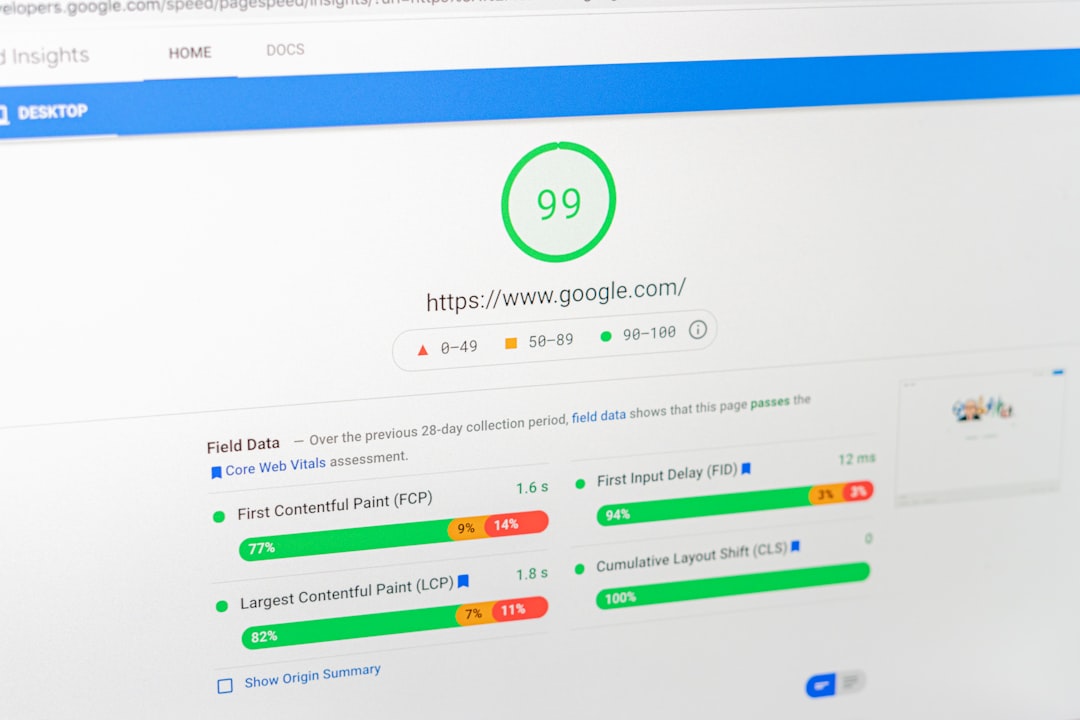
Do not obsess over getting every plugin light to turn green. Do not install extra plugins just to add more dashboards. Do not publish thin posts only to target tiny keyword variations. And do not assume schema or meta descriptions will rescue a page that is weak, unfocused, or buried with no internal links. You do not need a perfect score. The goal is a site that loads cleanly, is easy to use, and sends consistent signals about which pages matter most.
A simple beginner SEO routine
If you want a manageable routine, review your site once a month instead of trying to fix everything in one weekend. A short, repeatable process is easier to sustain and usually leads to better decisions.
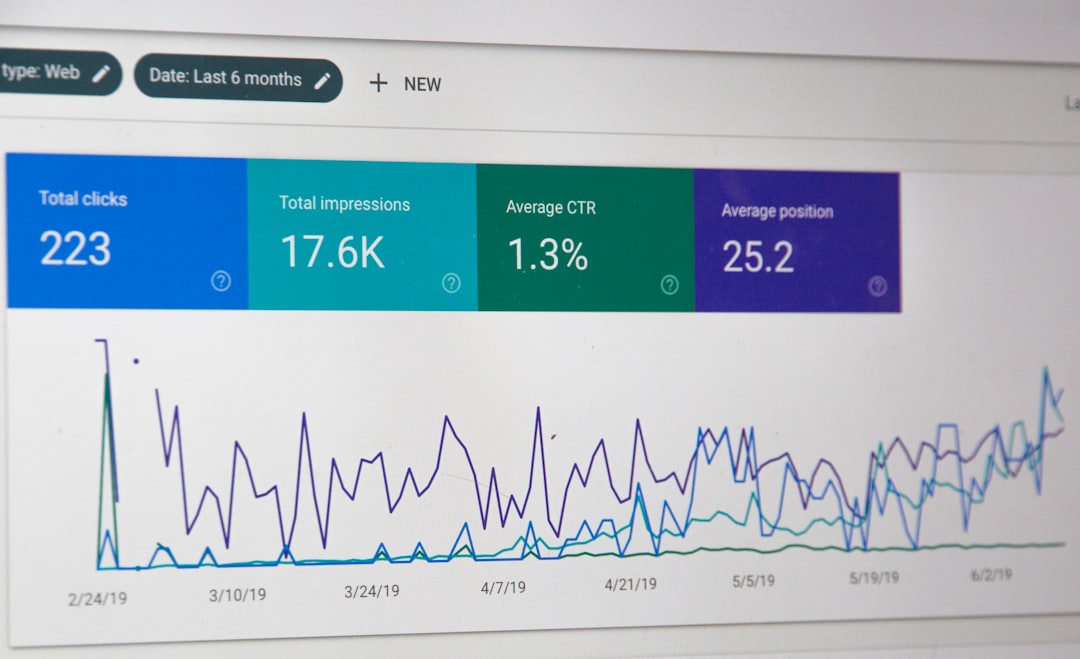
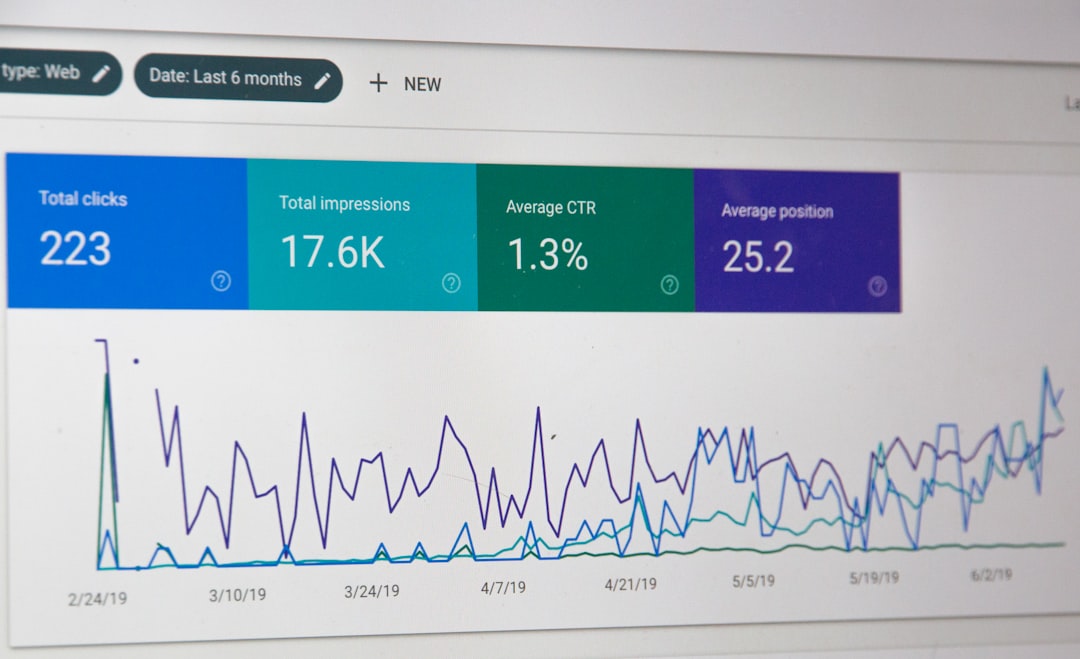
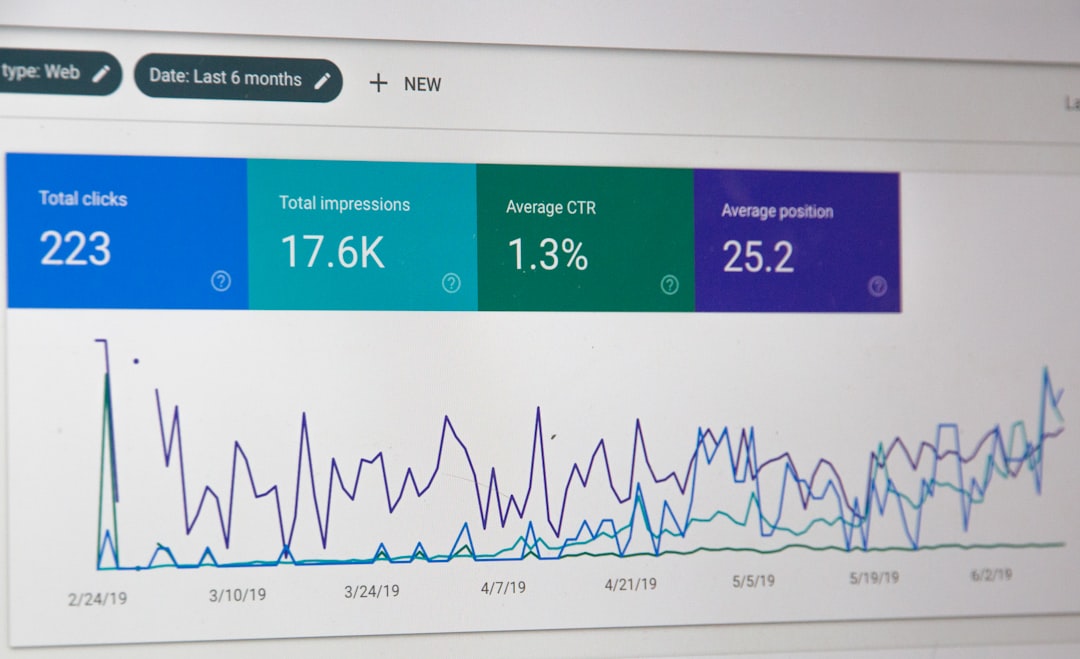
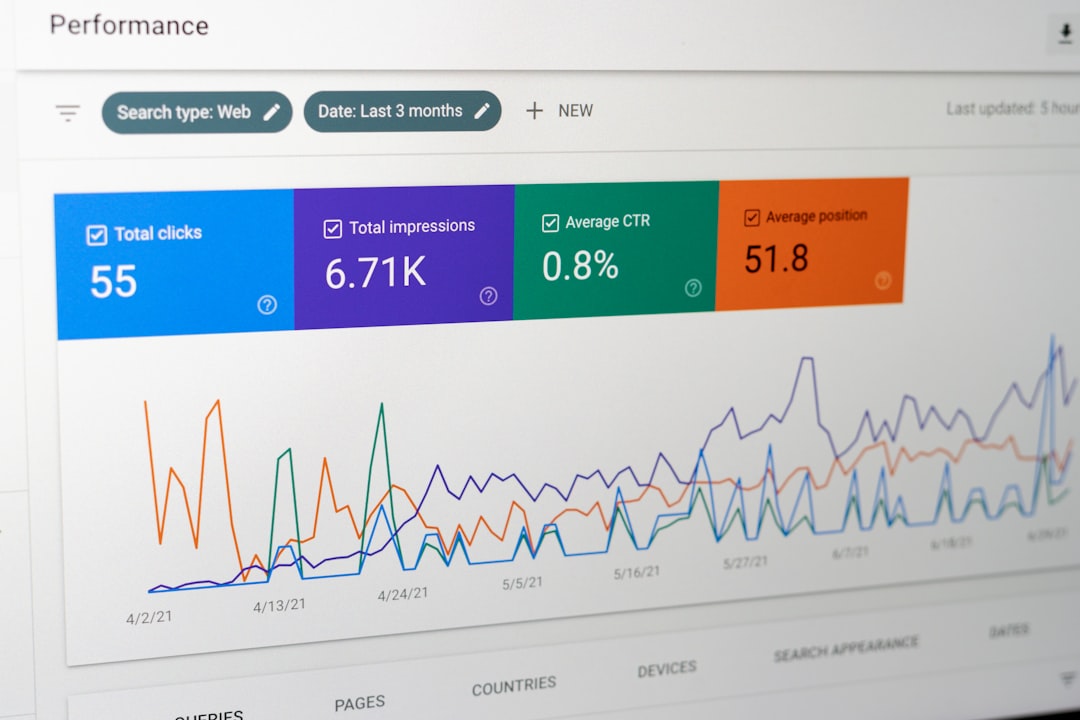
Check Search Console for indexing issues and pages getting impressions. Improve titles on pages that already have some visibility. Add internal links from newer posts to older important pages. Remove plugin clutter when you find overlap. Then update one key page at a time instead of scattering your effort across twenty pages. If you are experiencing these symptoms, our team at WordPress SEO Expert can help.
When it makes sense to get help
Some beginner problems are not really beginner problems. If rankings are flat after basic cleanup, the issue may be indexation, duplication, weak targeting, or a migration problem hiding in the background. That is where an outside diagnosis can save time.
WordPress SEO Expert works with site owners who are tired of guessing which task matters first. Book a free SEO consultation. No pitch, no pressure. Just an honest look at what your site actually needs and whether your current setup is part of the solution or part of the problem. Contact WordPress SEO Expert today to schedule a consultation.