WordPress SEO for beginners works best when you stop chasing isolated tactics and start building a simple order of operations. Service businesses usually do not need more plugins or more posts first. They need a site structure that makes core services easy to crawl, easy to understand, and easy to trust.
A green light in an SEO plugin does not mean the page deserves to rank. If rankings are flat, the problem is usually prioritization. Start with the pages that bring leads, make sure those pages are indexable, and strengthen the signals that tell Google what each service page is about.
If you need a broader baseline before building your plan, review our practical WordPress SEO guide for DIY site owners. If you want a simpler task-by-task roadmap, our WordPress SEO checklist for service businesses pairs well with this strategy.
Start With Your Service Pages
Your service pages should come before blog content, advanced schema, or endless plugin settings. For most service businesses, these pages are the ones that need to rank, earn trust, and turn search traffic into calls or form submissions.
Pick your homepage, your main service page, and 2 to 5 supporting service pages first. Give each page one clear topic. If one page targets website design, another targets local SEO, and another targets WordPress maintenance, do not blur them together with generic copy that tries to cover everything at once.
Beginners often make the mistake of writing thin pages for every slight variation. A stronger approach is to build fewer pages with clearer intent. One useful service page usually outperforms several weak pages competing for the same search.
Use One SEO Plugin and Configure It Well
One well-configured SEO plugin is enough. Running overlapping plugins often creates duplicate metadata, conflicting canonicals, and competing sitemap outputs that make troubleshooting harder than it should be.
That matters for beginners because plugin clutter feels productive while quietly creating confusion. Keep one primary SEO plugin, use its title and meta settings, and avoid stacking extra plugins that duplicate the same functions. If your current setup feels messy, our post on how to fix WordPress SEO setup problems walks through the cleanup process.
Fix Indexing Before You Rewrite Copy
If search engines cannot crawl or index the right pages, content improvements will underperform. Fix indexing first so your effort lands on pages that can actually show up in search.
Check whether your main service pages are crawlable, linked from your navigation or body content, and included in your XML sitemap. Google recommends using crawlable HTML links and descriptive anchor text, which is why important pages should be reachable through standard links rather than buried behind scripts or weak site structure.
For a beginner strategy, the goal is simple. Make sure the pages you want to rank are not blocked, not orphaned, and not hidden beneath thin archive pages or unnecessary duplicates.
Write Better Titles Than Your Competitors
Your page title is one of the clearest signals you control. Google recommends descriptive, concise title text and warns against keyword stuffing and repeated boilerplate, so beginners should focus on clarity instead of trying to cram every variation into one field.
Service businesses do better with titles that match a real service and audience. Generic titles waste space and make it harder for both users and search engines to understand the page quickly.
| Weak title | Stronger title |
|---|---|
| SEO Services | SEO Company | SEO Expert | WordPress SEO Services for Small Businesses |
| Home | Family Law Attorney in Phoenix |
| Plumbing | Emergency Plumbing Repair in Denver |
Titles do not need to be clever. They need to be specific. If the page is about one service in one market, say that clearly and move on.
Keep Headings and Copy Focused
Strong headings help users scan the page and help search engines understand the page structure. The simplest beginner rule is one clear H1, then H2s for major sections that explain the service, process, outcomes, and next step.
Do not force exact-match keywords into every heading. Use natural wording that still reinforces the topic. A service page should explain what you do, who it helps, what problems it solves, and what the visitor should do next. That is more useful than writing to satisfy a plugin score.
Build Internal Links Around Buyer Intent
Internal links are one of the easiest beginner wins because they help search engines discover pages and understand which pages matter most. They also move visitors from informational content to service pages without forcing a hard sell.
Link blog posts to relevant services, link related services to each other when the connection is useful, and make sure every important page gets support from more than just the main menu. Google advises using descriptive anchor text, so link phrases like service-specific help or setup guidance rather than vague text.
For example, a post about beginner strategy can naturally point readers to a broader WordPress SEO guide and to a more specific SEO checklist for service businesses. That gives both users and search engines a clearer path through the site.
Publish Less, But Make Each Page Stronger
Most beginners publish too many weak pages too early. Service businesses usually grow faster from improving core pages and adding a few well-chosen supporting articles than from posting constantly without a clear map.
Start with topics tied directly to buyer questions. Write articles that answer real concerns, then connect those articles back to the related service pages. This creates a small but useful content cluster instead of a scattered blog full of disconnected posts.
If you are experiencing these symptoms, our team at WordPress SEO Expert can help. A focused review can show whether your flat performance comes from weak targeting, thin internal links, indexing issues, or a plugin setup that is sending mixed signals.
A Simple Beginner SEO Order of Operations
Beginners need an order they can actually follow. Fix the issues that block visibility before the issues that polish visibility, then improve the pages most likely to bring leads.
| Step | What to do first | Why it matters |
|---|---|---|
| 1 | Choose your core service pages | These are usually your highest-value SEO targets |
| 2 | Check indexing and crawl access | Pages cannot rank if search engines cannot reach them |
| 3 | Clean up plugin overlap | Prevents conflicting SEO signals sitewide |
| 4 | Rewrite page titles and H1s | Improves clarity and topical targeting |
| 5 | Strengthen internal links | Helps discovery, context, and hierarchy |
| 6 | Add supporting blog content | Expands topical coverage around key services |
What Beginners Should Stop Doing
Stop measuring progress by plugin scores, bulk publishing, or how many SEO settings you have touched. Those activities feel like momentum, but they often distract from the handful of improvements that actually help service pages perform.
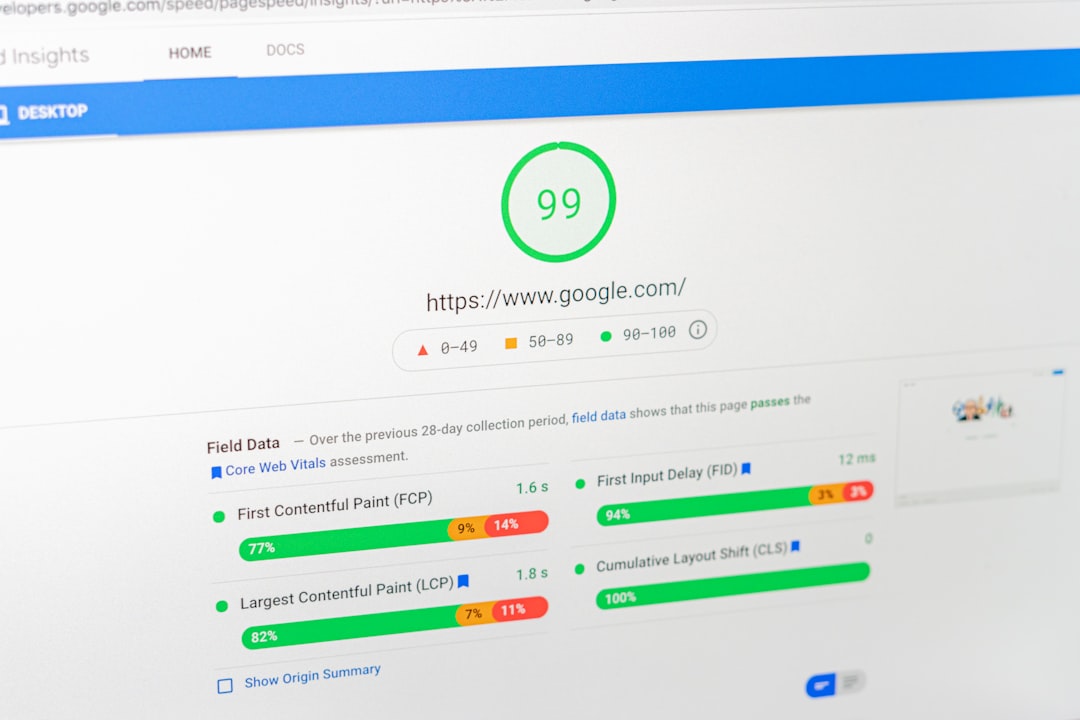
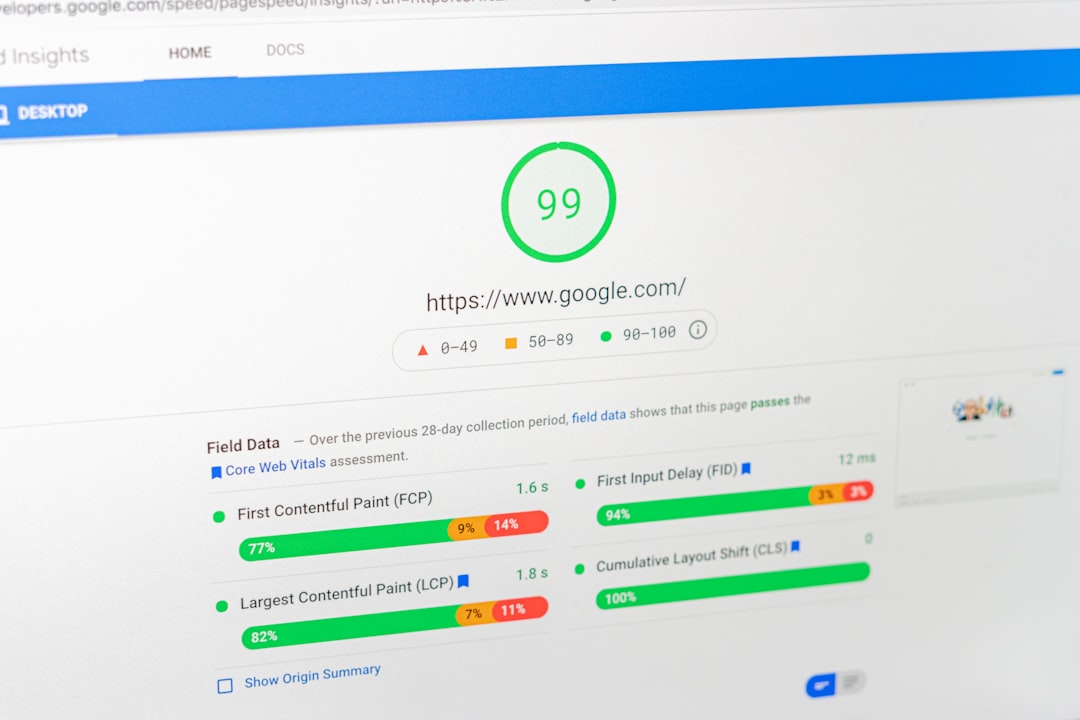
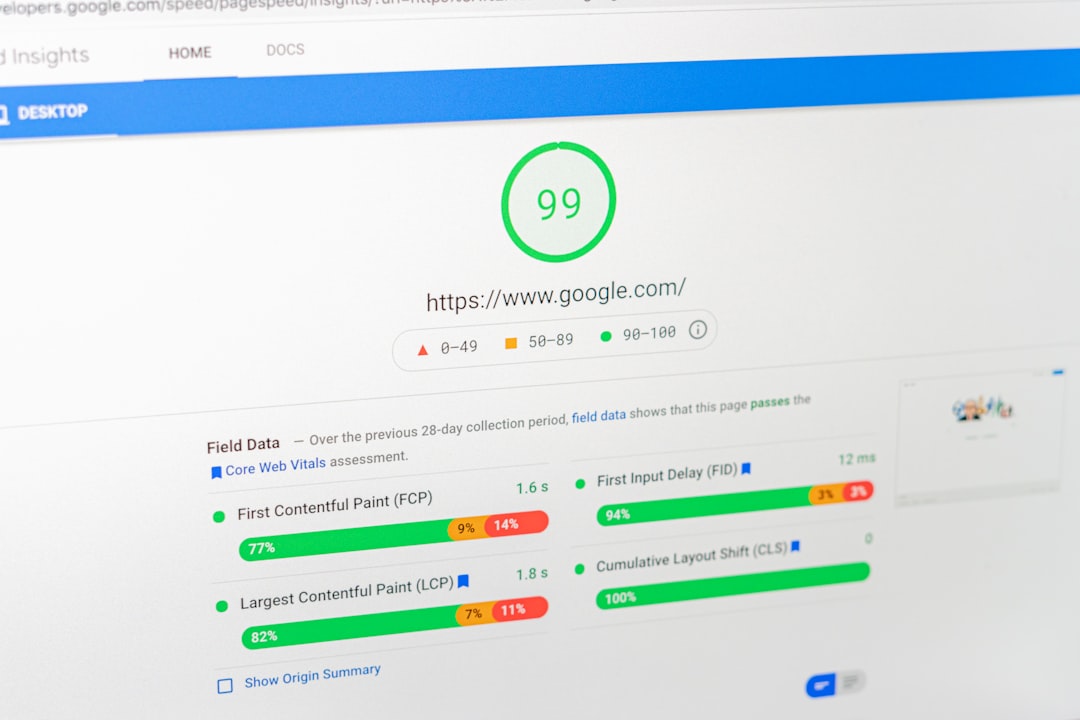
You do not need a perfect score. The goal is a site that loads cleanly, is easy to use, and sends consistent signals about which pages matter most. That usually means fewer plugins, clearer titles, stronger internal links, and a tighter content plan.
When to Get Help
If you have already put in effort and rankings are still flat, the issue is usually diagnosis, not motivation. A second set of eyes can often tell whether the real bottleneck is structure, indexing, weak page targeting, or overlapping tools.
WordPress SEO Expert can help you sort through what matters first and what can wait. Book a free SEO consultation. No pitch, no pressure. Just an honest look at what your site actually needs and whether your current setup is part of the solution or part of the problem.
Contact WordPress SEO Expert today to schedule a consultation if you want a practical SEO plan for your service business without the usual plugin clutter and generic advice.