Better organic traffic usually comes from a cleaner setup, not more plugins. If your WordPress site has flat rankings, the problem is often a stack of smaller issues like weak titles, messy indexing rules, duplicate signals, and thin internal linking rather than one catastrophic error.
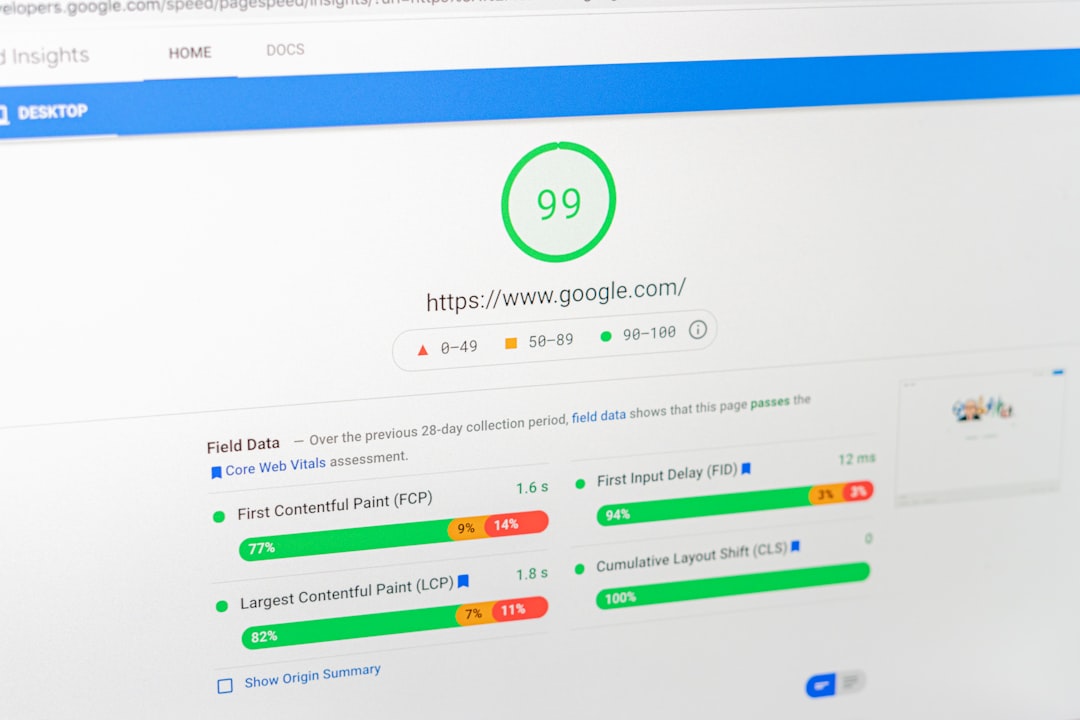
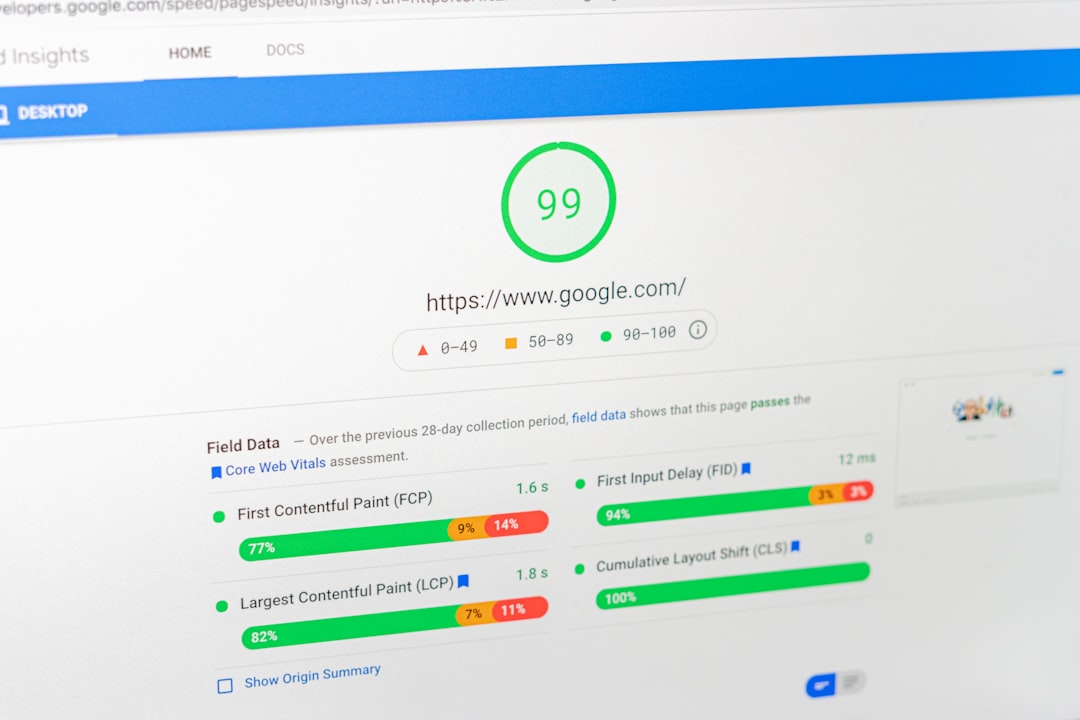
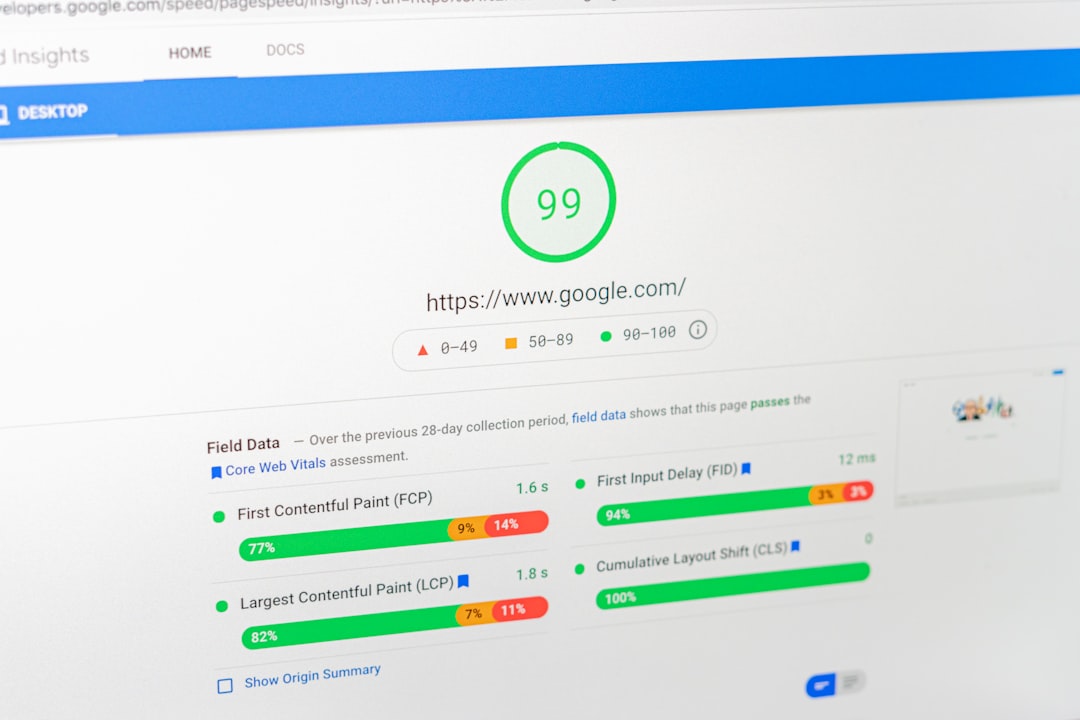
A green light in an SEO plugin does not mean the page deserves to rank. The goal is a site that search engines can crawl easily, users can navigate easily, and your most important pages can understand each other through clear structure and descriptive links.
Start With the Setup That Affects Visibility First
The first job is to remove anything that blocks discovery or creates conflicting signals. Fix the issues that block visibility before the issues that polish visibility, because better wording will not help if the wrong pages are indexed or your plugin stack is fighting itself.
Begin by checking whether search engines can reach the pages that matter most. Google recommends descriptive, concise titles, unique page descriptions where helpful, and crawlable HTML links with relevant anchor text. That means your setup should support clear page titles, logical internal links, and one consistent source of SEO output instead of overlapping tools.
If your site already feels cluttered, our guide to fixing WordPress SEO setup problems is a useful companion to this walkthrough.
Use One SEO Plugin and Configure It Well
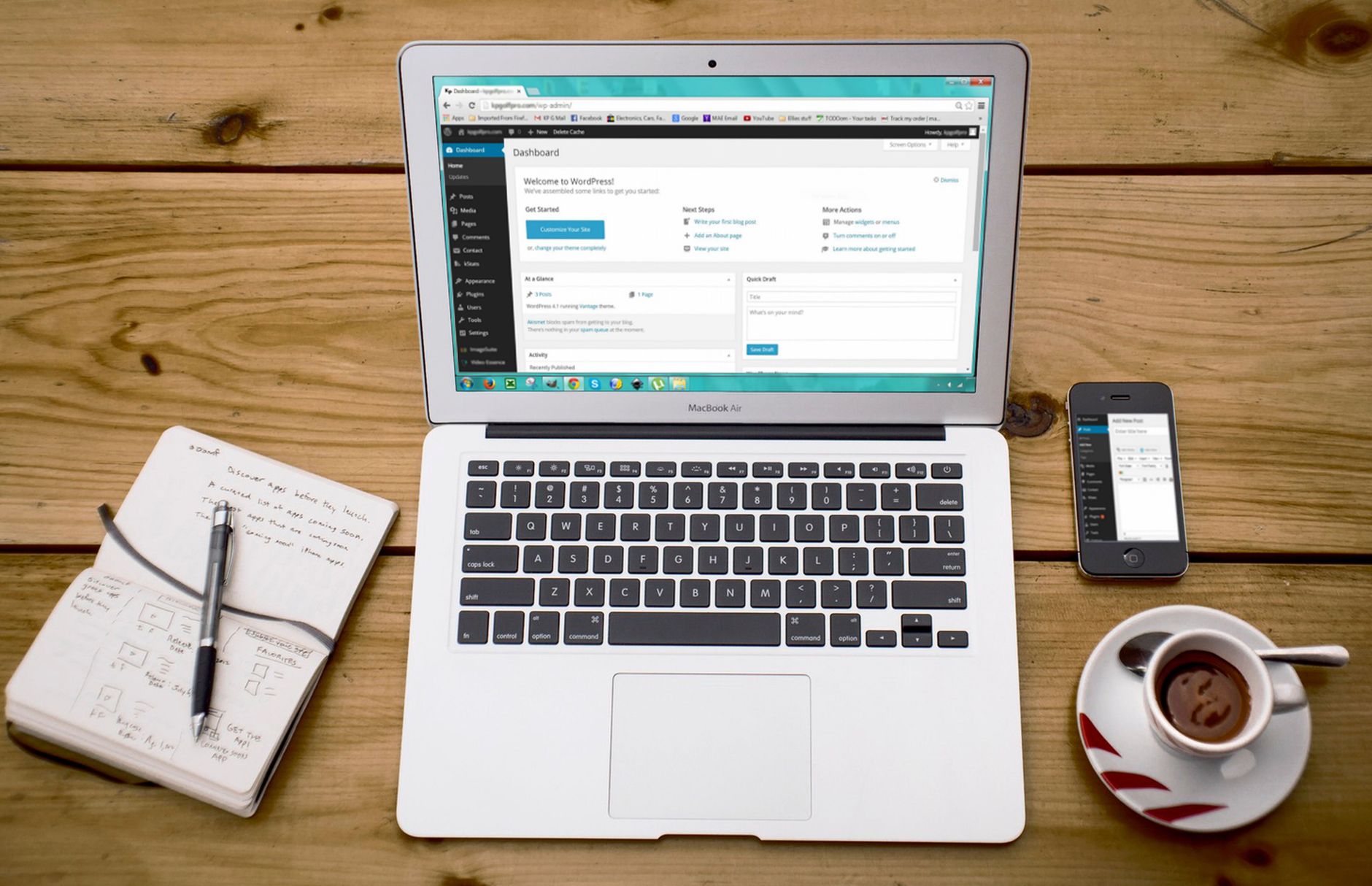
One well-configured SEO plugin is enough for most WordPress sites. Running overlapping SEO plugins often creates duplicate metadata, competing canonicals, and conflicting sitemap output that make ranking problems harder to diagnose.
Choose one primary plugin and handle your titles, meta descriptions, schema defaults, social previews, and sitemap settings there. You do not need a perfect score. You need a setup that sends consistent signals about which pages matter most and what each page is actually about.
If you are still deciding between tools, our practical WordPress SEO guide for DIY site owners explains where plugins help and where they become a distraction.
Check Indexing, Sitemaps, and Noindex Settings

Organic traffic cannot grow if the wrong pages are indexed or your best pages are hard to find. Review your sitemap, reading settings, archive rules, and noindex options before you spend time rewriting content across the site.
On a typical WordPress site, the pages that should usually stay indexable are your homepage, core service pages, key category pages, product pages, and high-value blog posts. Pages that often need review include author archives, date archives, thin tag archives, internal search pages, and attachment pages. Most site owners do not have one catastrophic problem. They have a stack of smaller issues that compound over time.
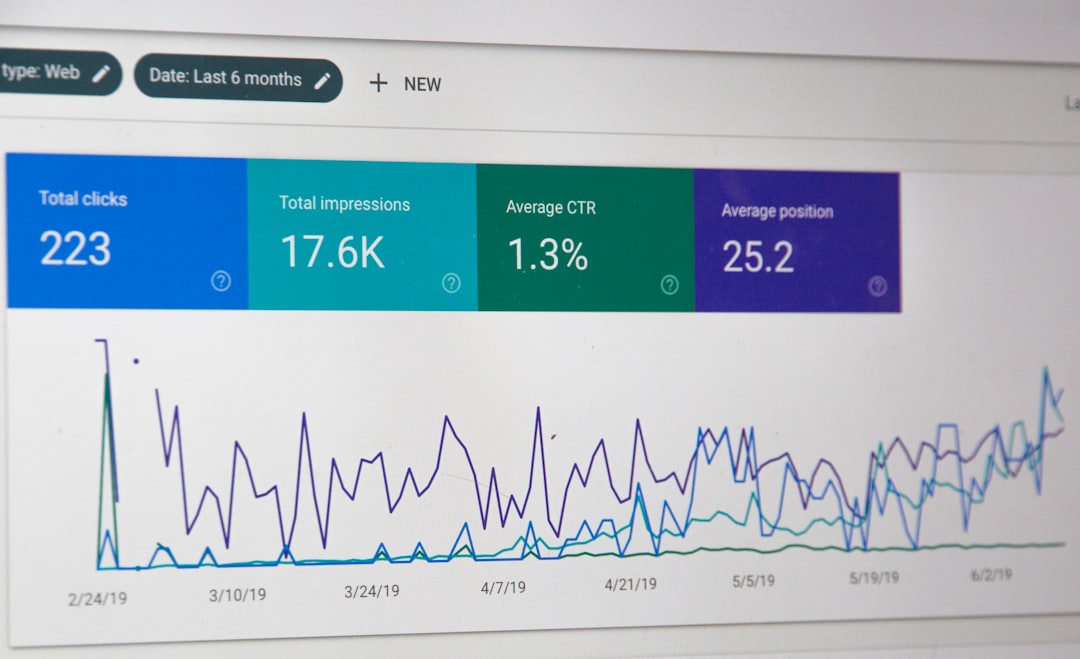
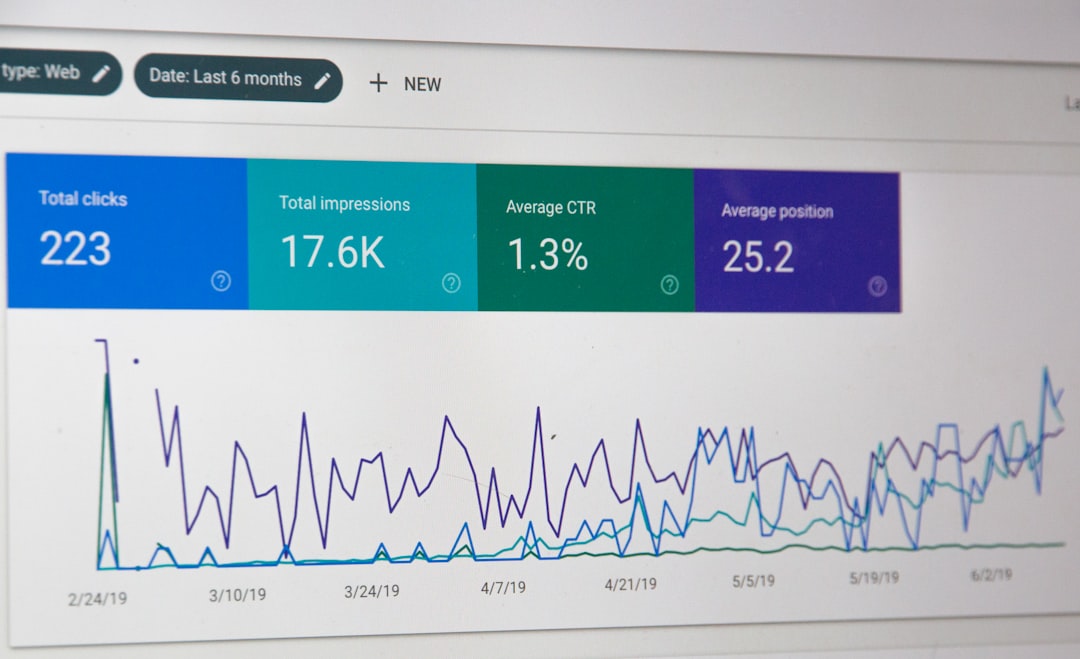
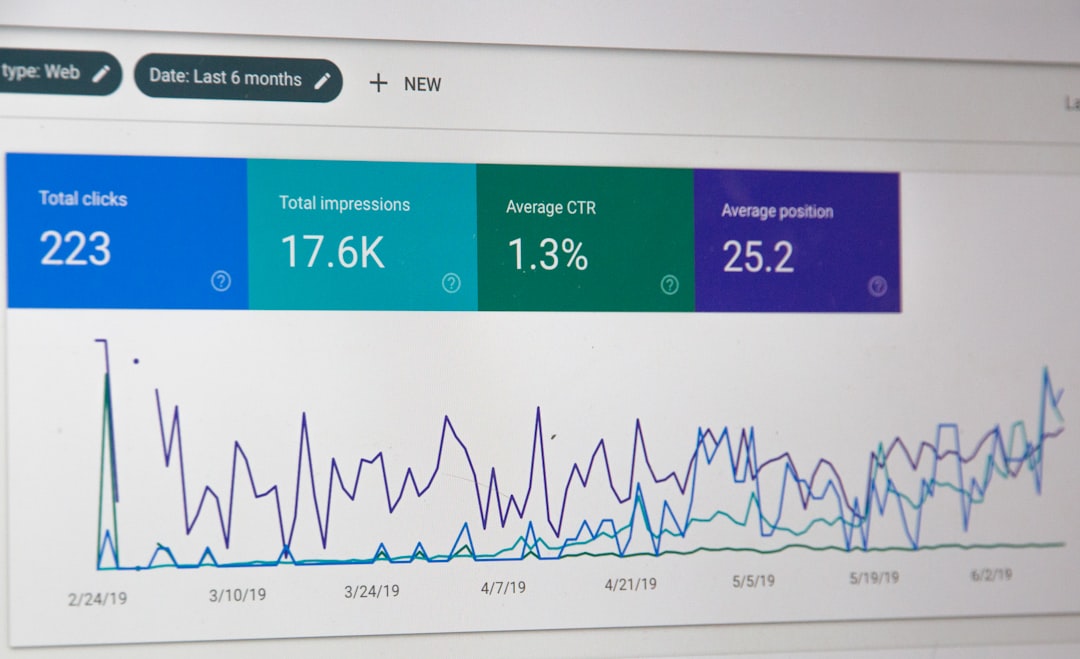
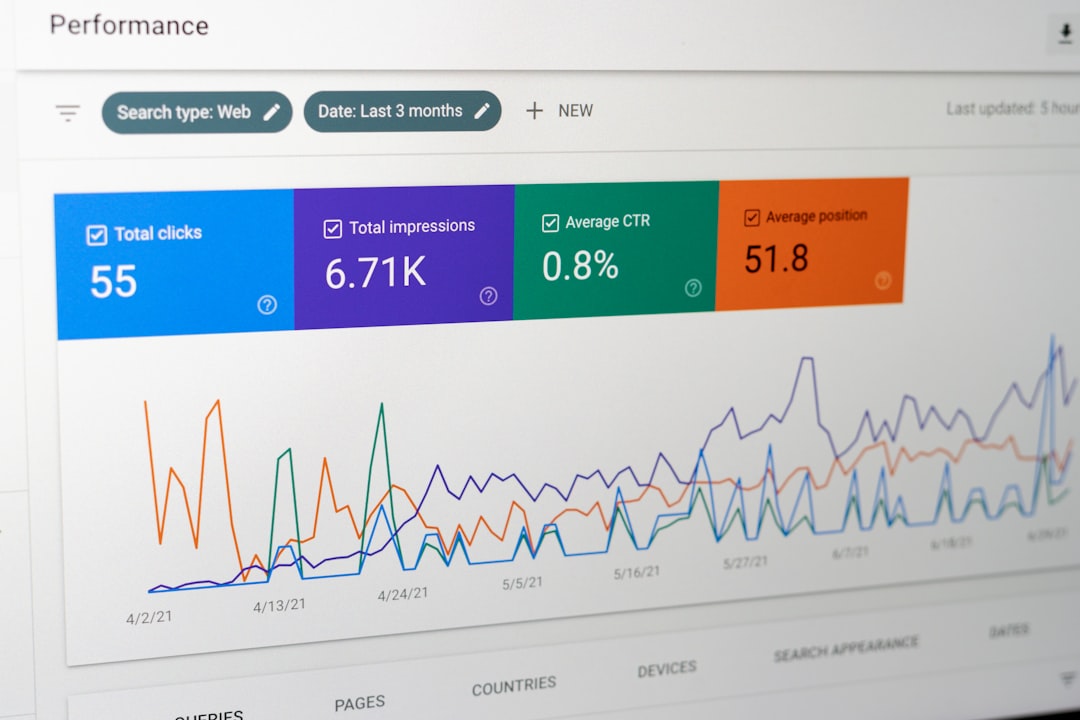
Use Google Search Console to see which pages are excluded, which are indexed, and whether any important URLs are missing. If your indexing rules are unclear, WordPress SEO Expert can help you sort out what should stay visible and what should stay out of the index.
Fix Title Tags Before You Chase Content Volume
Title tags are one of the clearest on-page signals you control, so they deserve attention early. Google advises site owners to write descriptive and concise title text and to avoid keyword stuffing or repetitive boilerplate across pages.
That means each important page needs a distinct title that matches its purpose. Your homepage, primary services, top categories, and posts already earning impressions should be the first pages you review.
| Weak title | Stronger title |
|---|---|
| SEO Services | SEO Company | SEO Expert | WordPress SEO Services for Small Businesses |
| Blog | WordPress SEO Tips for Service Businesses |
| Home | WordPress SEO Consultant for Growing Websites |
Notice the pattern. The stronger version is more specific, easier to understand, and less dependent on stuffing variations into the same field. A green light in an SEO plugin does not make a weak title stronger.
Write Meta Descriptions as Click Support
Meta descriptions support clicks, not rankings by themselves. Google may use your meta description when it gives a more accurate summary of the page, so the real job is clarity rather than squeezing in every keyword variation.
Write unique descriptions for your most important pages first. Keep them specific to the page, summarize the benefit clearly, and avoid copying the same template across dozens of URLs. If all your service pages sound the same in search results, your setup is hiding differences that users need to see.
Strengthen Internal Links With Descriptive Anchor Text
Internal links help search engines discover pages, understand hierarchy, and connect your supporting content to your money pages. Google recommends crawlable HTML links with descriptive anchor text, which is why weak linking structures quietly limit many WordPress sites.
Make sure every important page is linked from other relevant pages on the site, not just your main menu or sitemap. Link related articles to service pages, connect overlapping blog posts, and avoid vague anchor text that says nothing about the destination.
If your site has useful pages that rarely get internal links, they are often under-supported rather than under-optimized. This is one of the fastest practical wins for a site that already has decent content but weak structure.
If you’re experiencing these symptoms, our team at WordPress SEO Expert can help. A focused review often shows whether your real problem is indexing, duplication, weak targeting, or internal links that are too thin to support your core pages.
Clean Up Duplicate Signals and Archive Bloat
Duplicate signals dilute relevance and make WordPress harder to manage. Review archives, attachment URLs, parameter URLs, and old redirected pages so your setup points consistently to the main version you want search engines to trust.
Common trouble spots include thin tag archives, duplicate author archives on single-author sites, filter URLs, and outdated URLs left behind after redesigns. The fix is usually simpler than site owners expect: keep the useful version, redirect old versions where needed, and stop creating new duplicates through plugin overlap or careless templates.
Keep Schema and Extras in Their Place
Schema, social previews, and advanced plugin features are support layers, not shortcuts. Use them after your crawlability, page targeting, and internal structure are in better shape, because they do not compensate for weak foundations.
Most WordPress sites do better with simple, accurate defaults than with every module turned on. The goal is not to activate more features. The goal is to reduce conflicting output and make your core signals easier to understand.
A Practical SEO Setup Order
Prioritization is what turns SEO effort into traffic. Work through your setup in an order that protects visibility first, then improves clarity, then adds polish.
| Priority | What to review | Why it matters |
|---|---|---|
| 1 | Indexing and crawl access | Pages cannot perform if search engines cannot reach or index them properly |
| 2 | SEO plugin conflicts | Conflicting output creates misleading signals across the site |
| 3 | Titles and templates | Improves topical clarity and click potential |
| 4 | Meta descriptions | Supports cleaner, more relevant search snippets |
| 5 | Internal links | Strengthens discovery, hierarchy, and page relationships |
| 6 | Archive and duplicate cleanup | Reduces crawl waste and diluted signals |
| 7 | Schema and extras | Refines the setup after the foundation is stable |
What to Stop Doing
Stop treating plugin scores as the goal, and stop publishing more pages before your setup makes sense. Organic traffic usually improves when the site becomes clearer, not busier.
That means fewer overlapping tools, stronger page titles, better internal links, cleaner archive settings, and less duplication. You do not need a perfect score. You need a site that loads cleanly, is easy to use, and sends consistent signals about which pages matter most.
When to Get Professional Help
If your rankings are still flat after the basics are in place, the issue is usually prioritization rather than effort. A second set of eyes can quickly tell you whether the bottleneck is technical SEO, content targeting, duplication, or plugin clutter that has built up over time.
WordPress SEO Expert can help you sort the technical issues from the distractions and build a practical plan around what will move visibility first. Book a free SEO consultation. No pitch, no pressure. Just an honest look at what your site actually needs and whether your current setup is part of the solution or part of the problem.
Contact WordPress SEO Expert today to schedule a consultation if you want a clearer WordPress SEO setup built for better organic traffic instead of better plugin scores.