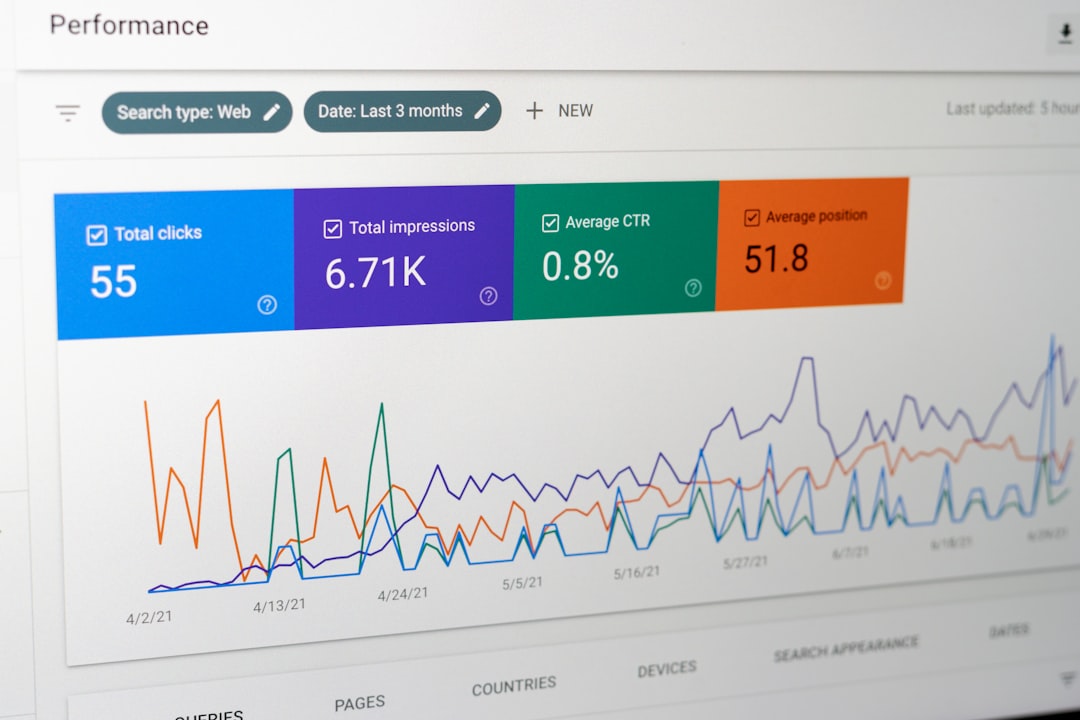
WordPress SEO services should help you fix the issues that block visibility first, not bury you in reports or plugin settings. If your rankings are flat, the problem is usually prioritization, not effort, and the right service should give you a clear plan for what matters now, what can wait, and what is quietly getting in your way.
A green light in an SEO plugin does not mean the page deserves to rank. Good WordPress SEO work looks beyond checklists and focuses on indexing, duplicate content, internal links, page targeting, and technical conflicts that keep strong pages from performing. If you need a baseline before comparing service options, start with our practical guide for DIY WordPress SEO.
What do WordPress SEO services actually include?
Strong WordPress SEO services usually combine technical cleanup, on-page improvements, content guidance, and ongoing measurement. The point is not to do everything at once. The point is to fix the issues that block visibility before the issues that polish visibility.
On a typical WordPress site, that means reviewing indexation rules, sitemap output, canonicals, archive settings, title templates, internal linking, page speed bottlenecks, and content overlap. For WooCommerce sites, it may also include filter URLs, duplicate category paths, and product variation issues. One well-configured SEO plugin is enough. Running overlapping plugins often creates duplicate metadata, conflicting canonicals, and competing sitemap outputs.
Core areas a service should cover
A reliable provider should be able to explain the work in plain language before they start. You should know whether the priority is indexing, duplication, weak page targeting, internal links, or technical clutter from your current setup.
| Service area | What it should address |
|---|---|
| Technical SEO | Crawl access, indexing, canonicals, redirects, archives, sitemap health |
| On-page SEO | Title tags, headings, content targeting, internal links, metadata |
| Content strategy | Which pages to keep, combine, improve, or create next |
| Performance review | Speed bottlenecks, heavy templates, plugin bloat, image handling |
| Reporting | Clear priorities, measurable progress, and next-step recommendations |
How can you tell if a service is a good fit?
A good fit feels diagnostic, not theatrical. You should hear specific questions about your rankings, templates, plugins, page types, migration history, and search goals, not generic promises about getting you to page one fast.
Look for a provider who can explain why your traffic is flat in terms that match your site. Many businesses do not have one catastrophic problem. They have a stack of smaller issues that compound over time. A useful service will help you separate high-impact fixes from low-value busywork and will not tell you to chase plugin scores as if they guarantee rankings.
Signs the service is likely worth your time
The strongest services are usually simple in how they diagnose problems. They do not need hype to sound credible. They need a clear explanation of what they found, what they recommend, and why that order makes sense.
Useful signs include a focus on one primary SEO plugin, an explanation of how they handle duplicate URLs, attention to internal linking, and a willingness to review what already exists before recommending more content. If your setup already feels messy, our guide on how to fix WordPress SEO setup problems shows the kinds of issues a good provider should spot quickly.
What should you avoid when hiring?
You should avoid any service that sells shortcuts, vague checklists, or overlapping tools without explaining the downside. WordPress sites are easy to overcomplicate, and cluttered recommendations often create new problems instead of solving old ones.
Be cautious if the service pushes multiple SEO plugins, promises fast rankings on a fixed timeline, or talks more about reports than about your actual pages. It is also a warning sign if they cannot explain how they handle archives, canonicals, redirects, or thin content after a redesign or migration. If you are experiencing these symptoms, our team at WordPress SEO Expert can help.
Common red flags
These issues tend to show up before disappointing results. The problem is not always bad intent. Sometimes it is just generic SEO advice applied to a WordPress site that needs a more careful technical review.
| Red flag | Why it matters |
|---|---|
| Multiple SEO plugins recommended | Can create duplicate metadata and conflicting sitewide signals |
| Heavy focus on plugin scores | Does not prove the page matches intent or deserves to rank |
| No clear priority order | Leads to scattered work and slow progress |
| Generic content plans | Often create overlap and keyword cannibalization |
| Big promises with little diagnosis | Usually means the advice is templated, not site-specific |
When does professional help make sense?
Professional help makes sense when the site has real complexity, rankings are stuck despite effort, or you are dealing with a redesign, migration, WooCommerce sprawl, or plugin conflicts. In those cases, guessing usually costs more time than getting a proper diagnosis.
That does not mean you need a massive monthly retainer. Sometimes the best next step is a focused audit and a prioritized action plan. Other times, ongoing help makes sense because your site needs implementation support, content coordination, and technical cleanup across multiple templates or sections.
What should you ask before you hire?
The best questions are the ones that force clarity. You want to understand how the provider thinks, how they prioritize, and whether they can translate SEO problems into WordPress-specific action.
Ask what they would review first on your site, how they handle plugin overlap, how they approach archive pages and duplicate content, what they consider a realistic early win, and what success would look like in the first few months. You do not need a perfect score. You need a site that loads cleanly, is easy to use, and sends consistent signals about which pages matter most.
A simpler way to choose WordPress SEO help
The right WordPress SEO service should leave you less confused after the first conversation, not more. You should come away with a clearer sense of whether your main problem is technical, structural, content-related, or a combination of smaller issues that have been compounding quietly.
WordPress SEO Expert works with site owners who are tired of generic advice and want a practical diagnosis of what to fix first. Book a free SEO consultation. No pitch, no pressure. Just an honest look at what your site actually needs and whether your current setup is part of the solution or part of the problem.
Contact WordPress SEO Expert today to schedule a consultation if you want clear direction on whether your rankings are being held back by indexing, duplication, weak targeting, or plugin clutter.