
Beginner WordPress SEO mistakes usually come from trying to do too much at once, not from ignoring SEO entirely. Most site owners do not have one catastrophic problem. They have a stack of smaller issues that compound over time, especially when plugin settings, page targeting, and internal links all pull in different directions.
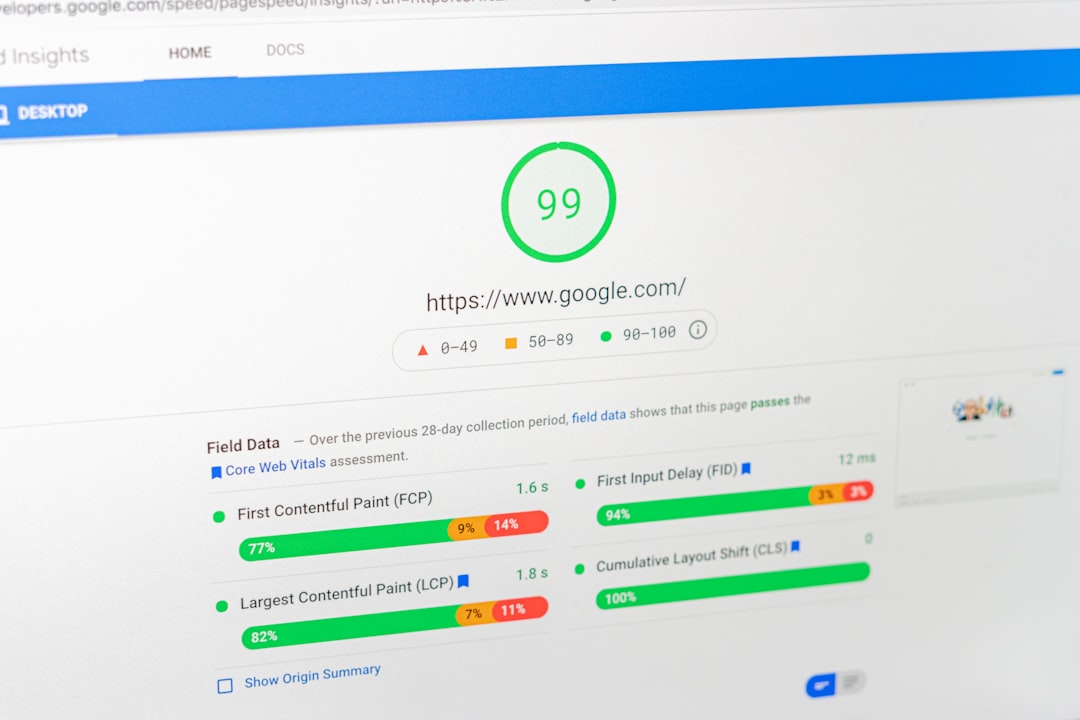
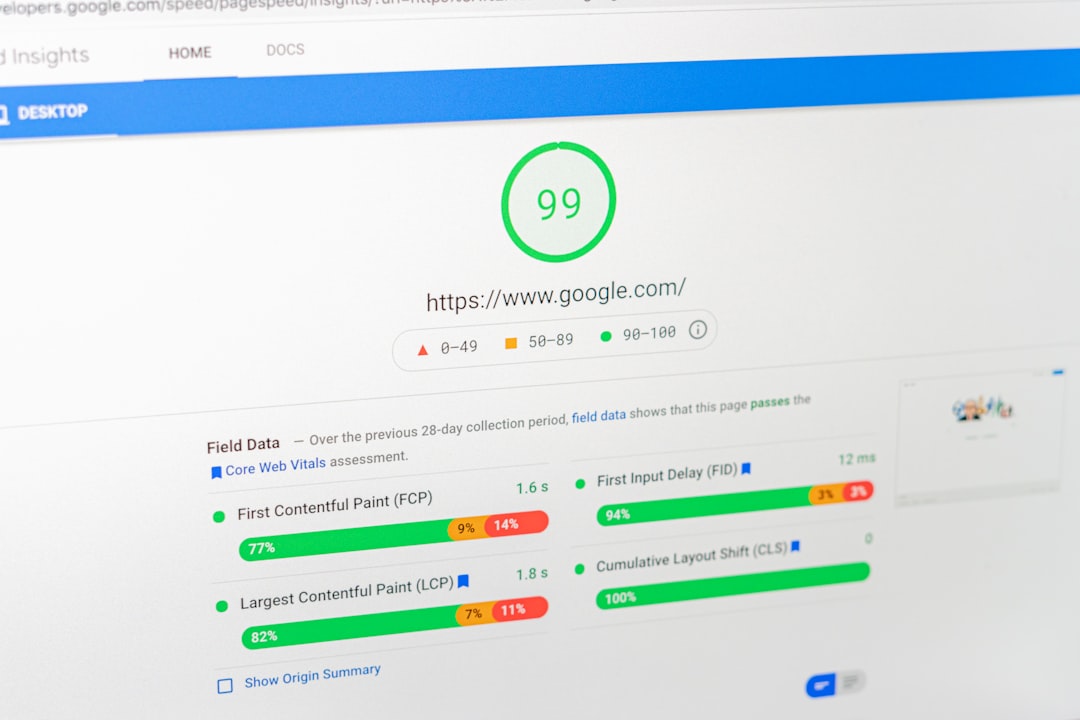
A green light in an SEO plugin does not mean the page deserves to rank. Google recommends descriptive, concise titles, unique page descriptions, and crawlable HTML links with clear anchor text, which is why the basics matter more than chasing plugin scores or adding extra tools you do not need.
If you are trying to figure out whether your rankings are flat because of indexing problems, weak targeting, or plugin clutter, this practical WordPress SEO guide for DIY site owners is a strong place to start before you change anything major.
Using too many SEO plugins

One well-configured SEO plugin is enough for most WordPress sites. Running overlapping plugins often creates duplicate metadata, conflicting canonicals, and competing sitemap outputs, which makes the site harder to troubleshoot and sends mixed signals to search engines.
This mistake is common on sites that changed owners, went through redesigns, or added tools one by one without a plan. Keep one primary SEO plugin, configure it properly, and remove the extras unless they solve a truly separate problem. Simplicity usually performs better than a crowded setup.
Writing for plugin scores instead of people

Plugin checklists can help catch missing basics, but they are not a ranking strategy. Google’s own guidance focuses on helpful, descriptive content and strong page titles, not on whether a plugin shows a perfect score inside the editor.
Beginners often force awkward keyword repetition just to turn a red light green. That usually weakens the page instead of improving it. Write naturally, answer the searcher’s question clearly, and then use your plugin to confirm the technical details are in place.
Using weak or repetitive page titles
Your title tag is one of the clearest on-page signals you control. Google recommends writing descriptive, concise title text and specifically warns against keyword stuffing and repeated boilerplate, so vague titles or lists of repeated keywords are a common beginner mistake.
| Weak title | Stronger title |
|---|---|
| SEO Services | SEO Company | SEO Expert | WordPress SEO Services for Small Businesses |
| Blog | WordPress SEO Tips for Beginners |
| Home | Local Plumbing Repairs in Austin |
The better titles are specific, readable, and matched to the page’s real purpose. If your title could fit ten different pages on your site, it is probably too generic.
Leaving important pages underlinked
Internal links help search engines find your pages and understand which ones matter most. Google recommends crawlable HTML links with descriptive anchor text, so beginners who rely only on menus or sitemaps often leave valuable pages isolated.
Link related posts and pages together in a way that helps the reader move naturally to the next step. For example, if your setup still feels cluttered, review how to fix common WordPress SEO setup problems and connect those lessons back to your key service or category pages.
If you are seeing these patterns on your site, our team at WordPress SEO Expert can help. A focused review often reveals whether the real issue is indexing, duplication, weak internal linking, or a plugin setup that is creating more noise than value.
Indexing pages that should stay out of search
Not every WordPress-generated page needs to rank. Thin tag archives, author archives on single-author sites, search result pages, and attachment pages can create duplication or low-value URLs that distract from the pages you actually want indexed.
Beginners often leave these defaults untouched, then wonder why search engines spend time on pages that add little value. Fix the issues that block visibility before the issues that polish visibility. In many cases, that means cleaning up archive rules before publishing more content.
Publishing thin content just to publish more
More posts do not automatically mean more rankings. Publishing several shallow pages around tiny keyword variations often creates overlap, weakens topical clarity, and makes internal linking harder instead of easier.
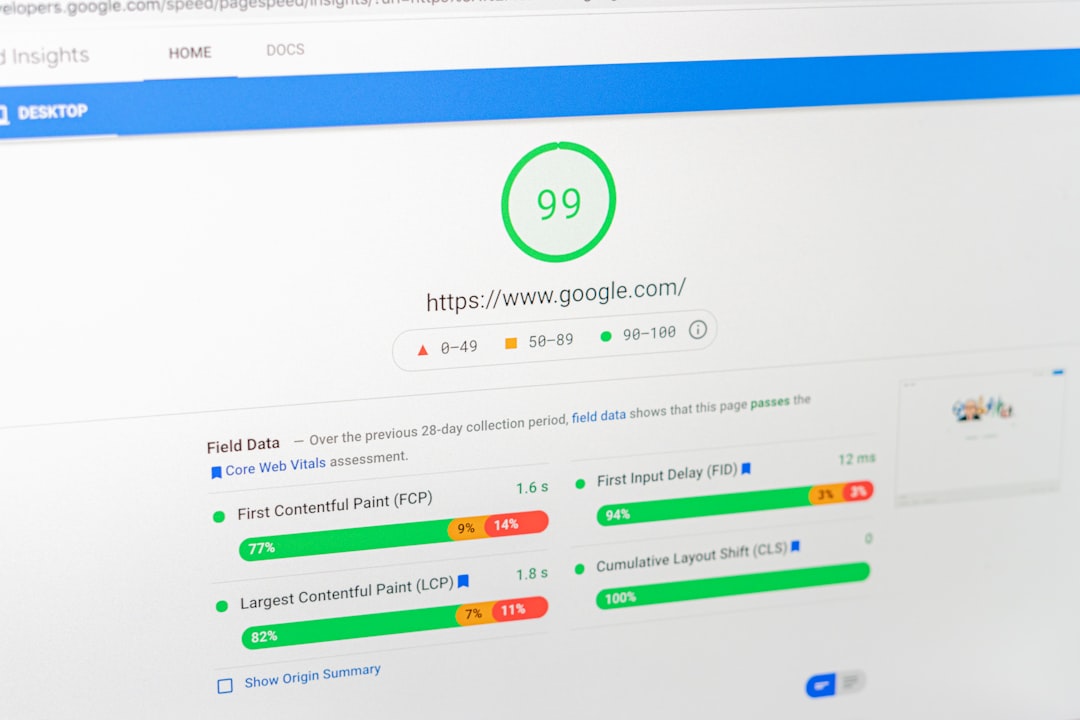
One strong page usually beats several thin pages chasing the same intent. Focus on pages that answer a clear question, support your core services, and fit into a sensible site structure. The goal is not volume. The goal is a site that loads cleanly, is easy to use, and sends consistent signals about which pages matter most.
Skipping Search Console and guessing
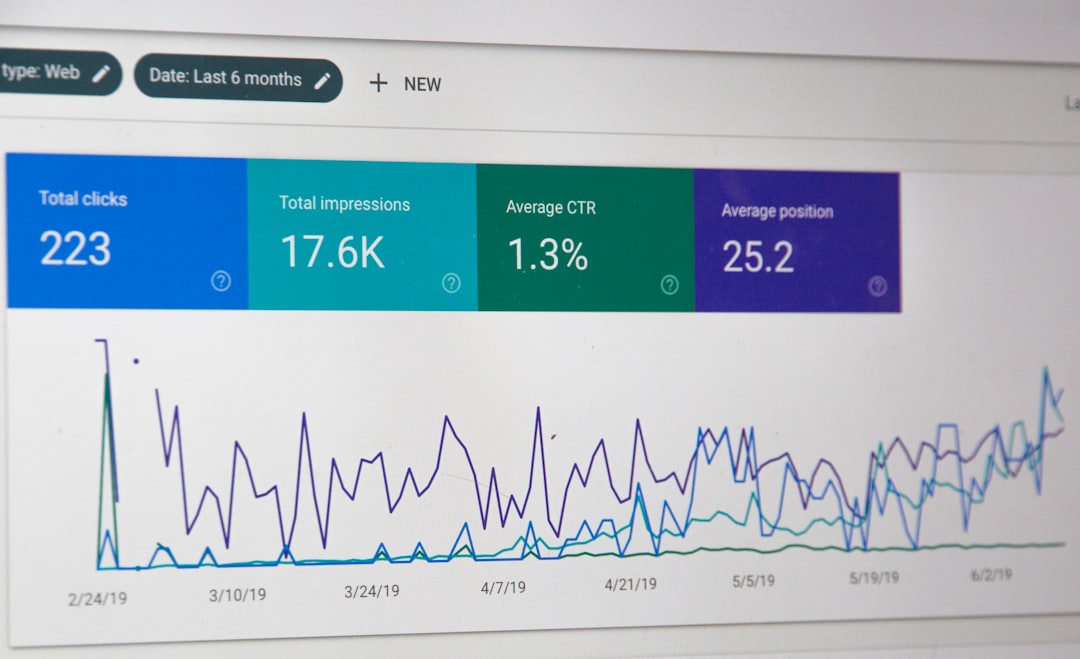
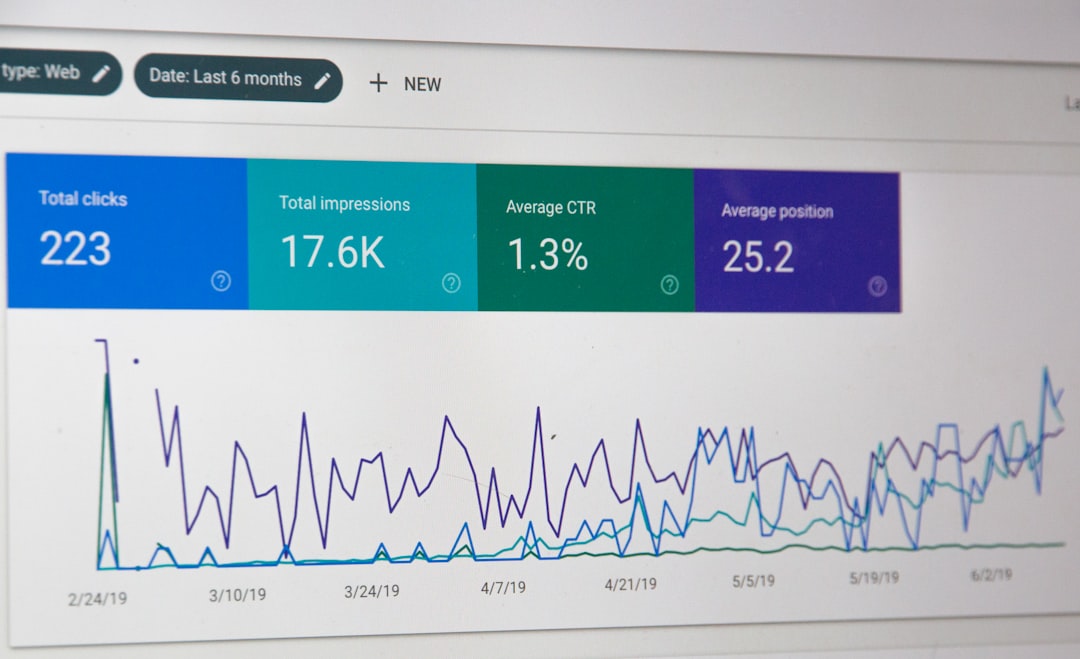
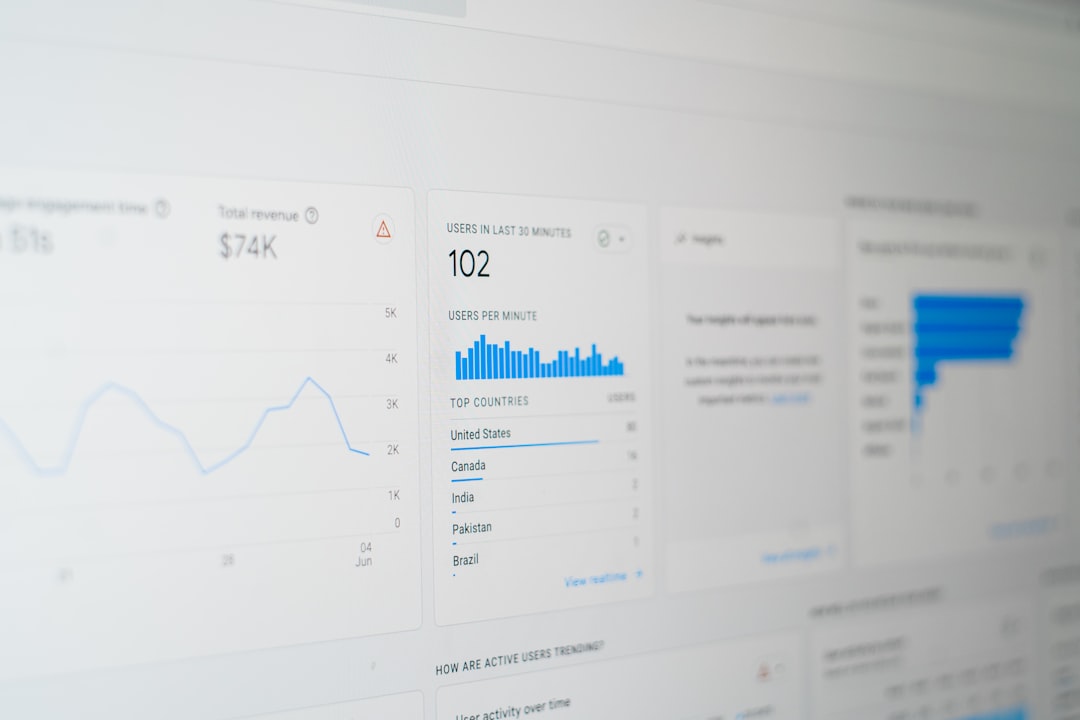
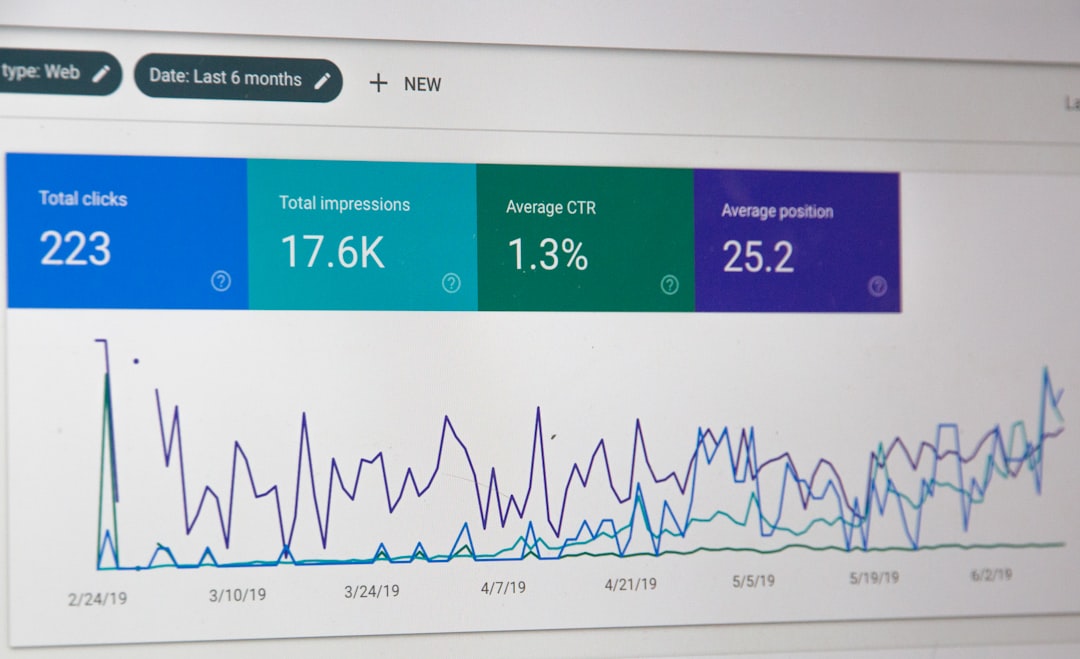
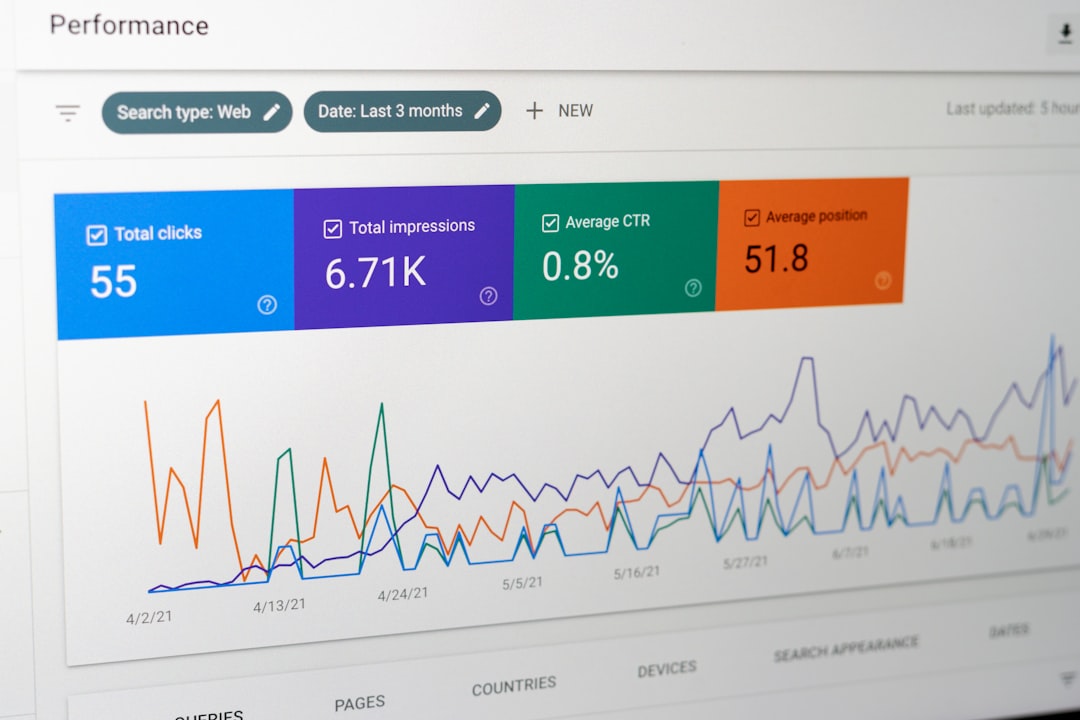
Google Search Console gives you direct feedback about indexing, impressions, clicks, and search queries. Beginners often skip it, which leads to random changes based on assumptions instead of real evidence.
Even a quick monthly review can show whether a page is being discovered, whether titles may need improvement, and whether some URLs should not be indexed at all. You do not need perfect data analysis. You need enough visibility to stop guessing.
A better way to approach beginner WordPress SEO
The smartest beginner approach is to simplify the setup, strengthen the important pages, and work in the right order. Start with crawlability and indexing, then improve titles, headings, and internal links, and only after that worry about polish items like extra schema features or minor plugin modules.
If your rankings are flat and you are not sure whether the real problem is indexing, duplication, weak targeting, or plugin clutter, WordPress SEO Expert can help. Book a free SEO consultation. No pitch, no pressure. Just an honest look at what your site actually needs and whether your current setup is part of the solution or part of the problem.
Contact WordPress SEO Expert today to schedule a consultation if you want a practical plan instead of another generic checklist.