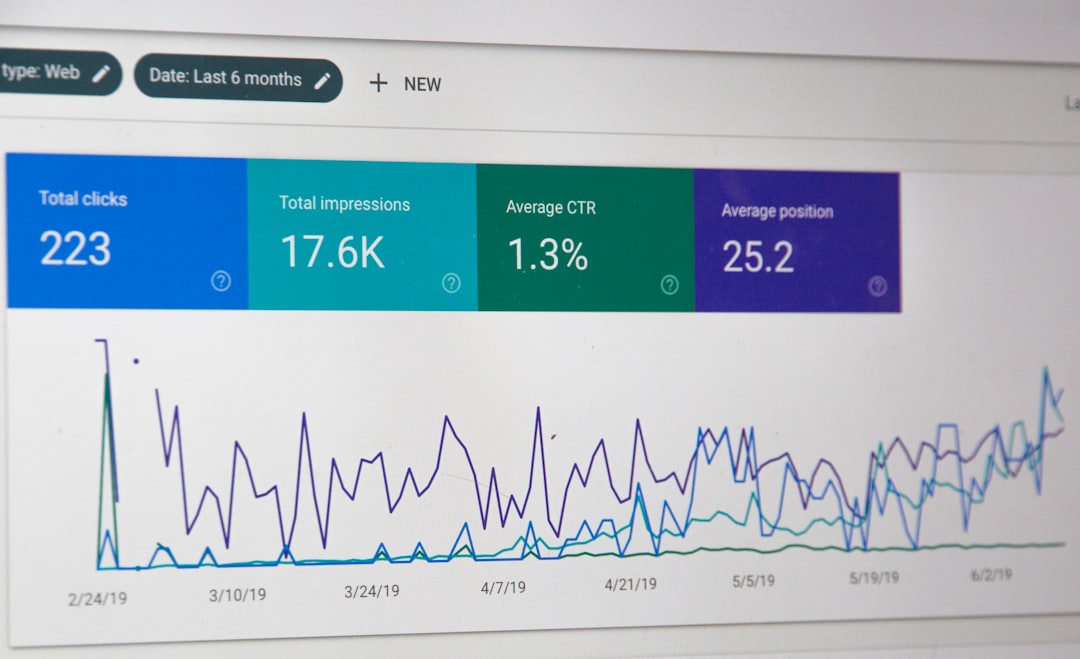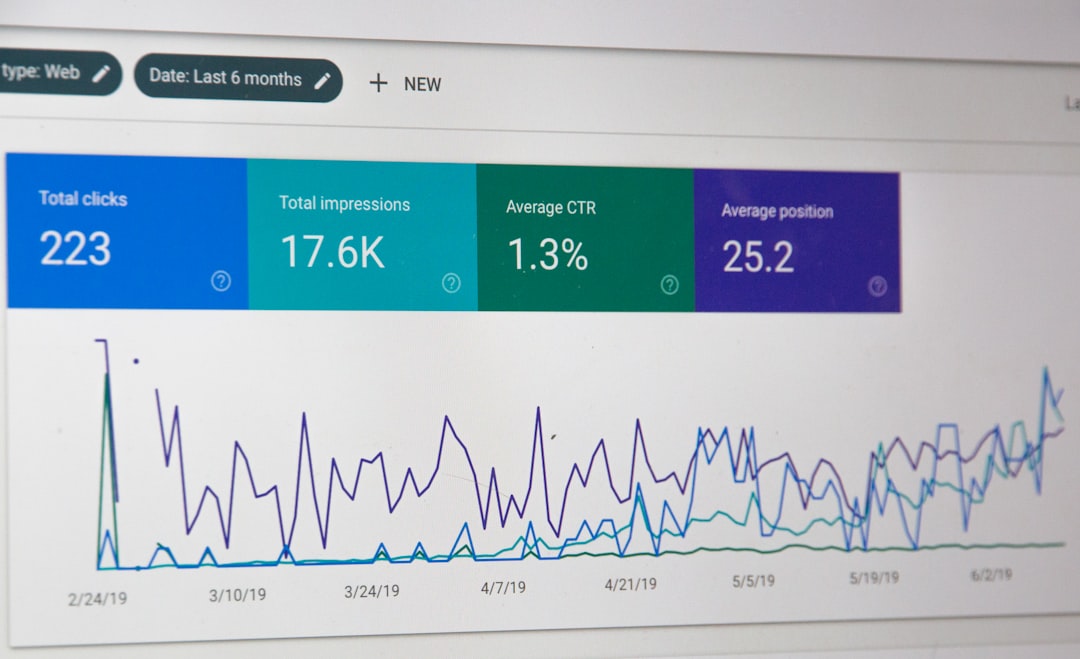

Low rankings in WordPress usually come from a stack of smaller issues, not one broken plugin. If your pages are published but traffic is flat, the real fix is to diagnose the technical, on-page, and site structure problems in the right order so you stop guessing and start improving the pages that matter.
There is no single best fix for every site. Some WordPress sites are held back by indexing settings, some by weak page targeting, and others by duplicate URLs, thin internal linking, or slow templates. The goal is not to chase plugin scores. The goal is to make your site easier for search engines to crawl and easier for people to use.
Start With the Issues That Block Growth
The fastest gains usually come from fixing the problems that prevent crawling, indexing, and clear page relevance. Before rewriting content or buying links, confirm that search engines can access the right pages and understand what each page is supposed to rank for.
| Issue | What to check first | Why it matters |
|---|---|---|
| Pages not ranking at all | Search engine visibility setting, noindex tags, robots rules, sitemap health | If important pages are blocked or excluded, other SEO work will not show results |
| Pages rank poorly | Title tags, headings, search intent, internal links, thin copy | Google needs clearer relevance and better page signals |
| Traffic dropped after changes | Redirects, canonicals, URL changes, template changes, crawl errors | Migrations and redesigns often break signals that were working before |
| Good content but weak performance | Page speed, image handling, plugin bloat, mobile usability | Slow or clunky pages reduce usability and can weaken search performance over time |
| Too many similar pages | Category archives, tag archives, filter URLs, parameter pages | Duplicate or near-duplicate URLs dilute signals and waste crawl attention |
Common WordPress SEO Issues and How to Fix Them
Most site owners do not have one catastrophic problem. They have several moderate issues compounding together. That is why a page can be well written and still underperform. The sections below cover the problems we see most often and the practical fix for each one.
1. Search engines cannot index the right pages

If key pages are blocked from indexing, SEO stalls immediately. Check Settings, your SEO plugin, and page-level settings before you touch content. A site can look fine to visitors while quietly telling search engines to stay away.
Start by reviewing the Search Engine Visibility checkbox in WordPress, noindex settings in your SEO plugin, and any robots.txt rules that affect important sections. Then confirm that your XML sitemap includes the pages you actually want indexed. If you need a broader pre-launch and settings review, see our WordPress SEO checklist for new websites.
Canonical tags matter here too. Google recommends using rel=”canonical” to indicate the preferred version of a duplicate or near-duplicate page, including on the canonical page itself. If product filters, tracking parameters, or duplicate slugs are creating extra URLs, your canonical setup needs a second look. A deeper walkthrough is available in how to fix WordPress SEO problems.
2. Title tags are vague, repetitive, or stuffed
Weak titles make it harder for search engines and users to understand the page. Google recommends descriptive, concise title text and advises against keyword stuffing or boilerplate titles repeated across multiple pages.
A weak title often looks like this: Home | SEO Services | SEO Company. It says very little about the actual page. A stronger version is more specific to the topic and audience, such as WordPress SEO Services for Small Businesses. The point is clarity, not squeezing in every variation.
Keep the page title aligned with the main heading, the search intent, and the body copy. If your service pages all reuse the same title formula with only the city changed, rewrite them to reflect the actual topic of each page. This is one of the simplest ways to improve relevance without overhauling the site.
3. Pages target no clear keyword or intent

Many WordPress pages fail because they try to rank for everything at once. Each important page should have one primary topic, a clear search intent, and supporting subtopics that help the page answer the query completely.
If a service page tries to target web design, SEO, local SEO, speed optimization, and content writing all on one URL, relevance gets diluted. Split broad topics into focused pages when the intent is clearly different. Then support those pages with internal links and useful supporting articles. For a more structured approach, review our WordPress SEO strategy for small business.
4. Internal linking is too thin or too random

Internal links help search engines discover pages, understand topic relationships, and prioritize important URLs. If strong pages are isolated, they are harder to rank even when the content itself is good.
Link from relevant blog posts to service pages, from parent topic pages to narrower pages, and between closely related guides where the next question naturally comes up. The anchor text should describe the destination clearly. If your site already has useful content but it is disconnected, this fix can be more valuable than publishing another article.
If you are seeing multiple SEO issues at once, our team at WordPress SEO Expert can help you sort out what to fix first before you change settings across the entire site.
5. Site speed problems are dragging down usability
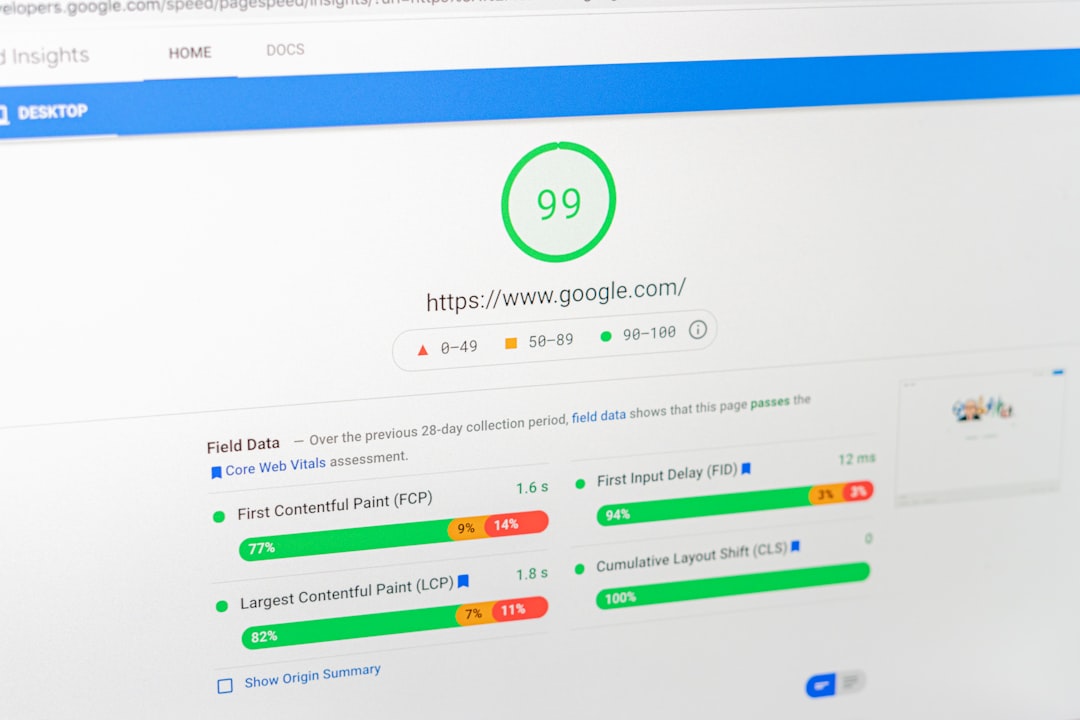
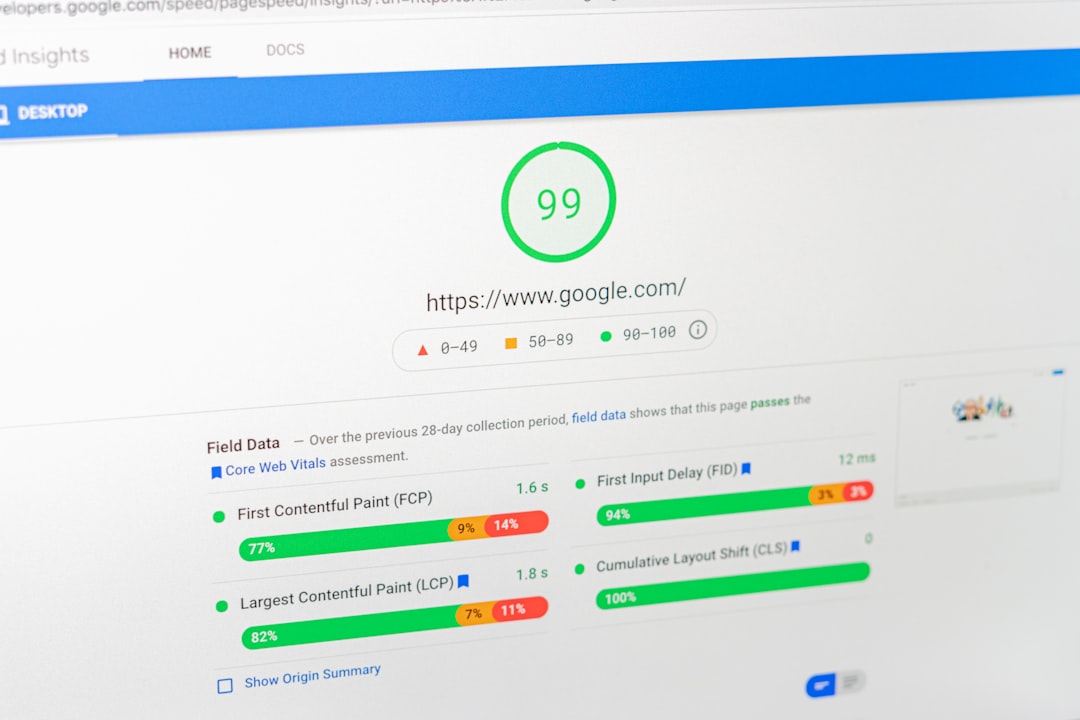
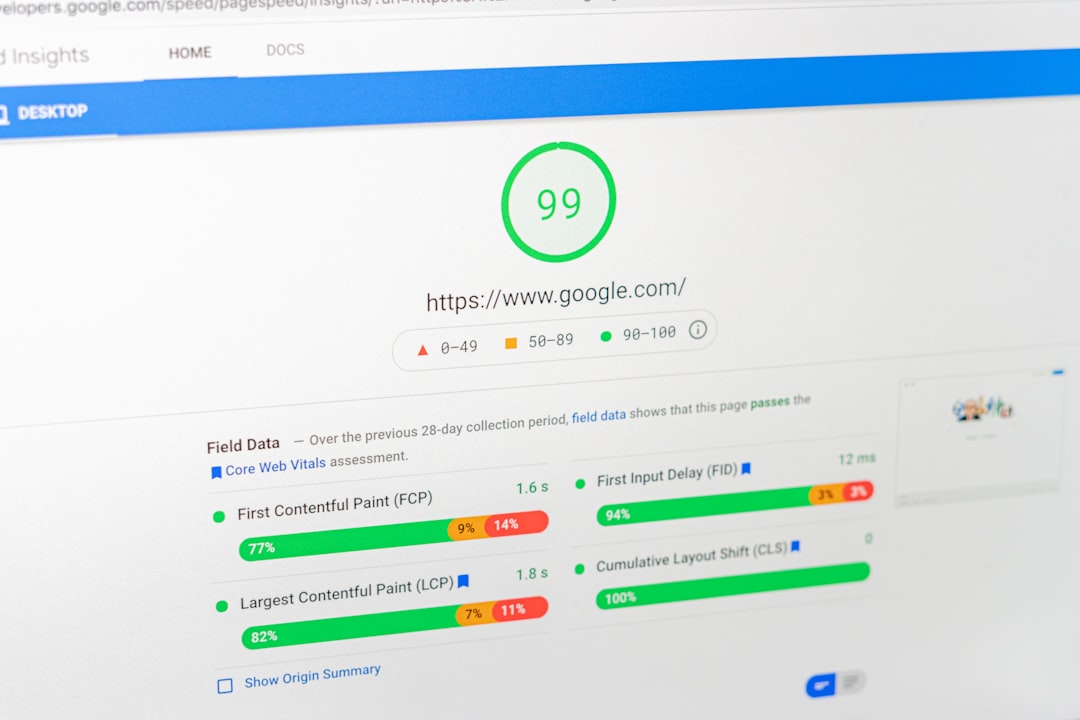
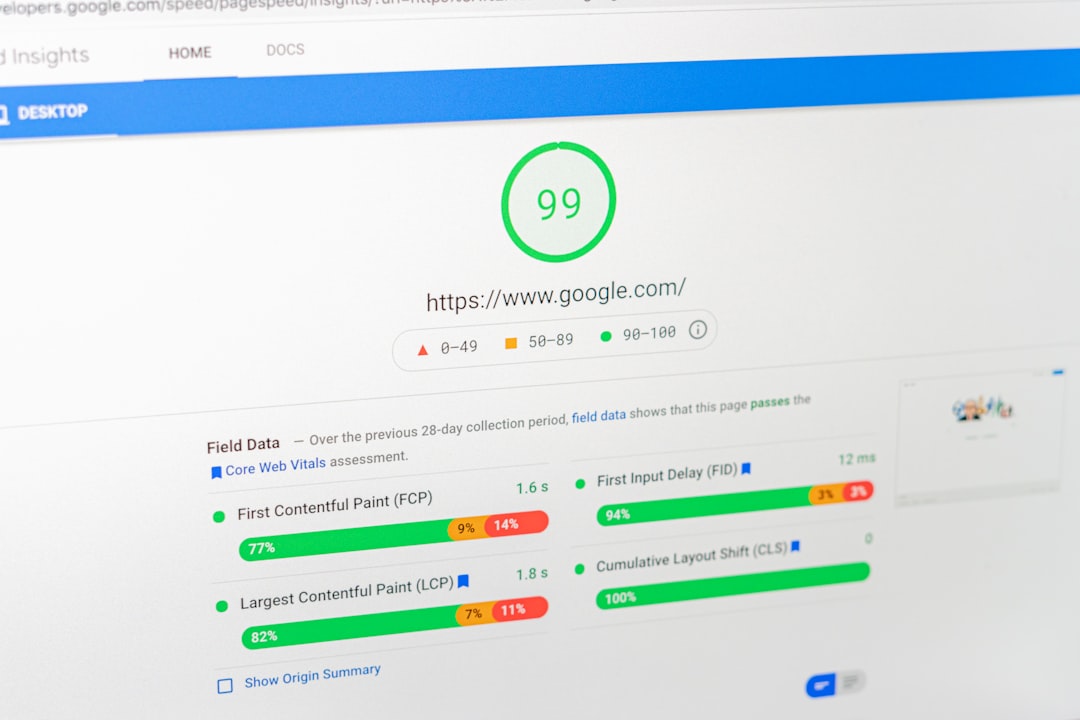
Speed issues rarely come from one setting alone. They usually come from oversized images, heavy themes, too many plugins, render-blocking assets, and scripts loaded on pages that do not need them. The right fix is to measure the bottleneck, not blindly install more optimization plugins.
WordPress introduced native lazy loading for images in version 5.5, which means many sites already have a baseline image-loading improvement built in. Google also makes clear that Core Web Vitals are part of its ranking systems, but better scores alone do not guarantee top rankings. Treat page speed as both a usability issue and a supporting SEO factor, not a magic switch.
Start with image compression, caching, script cleanup, and template simplification before chasing advanced tweaks. If this is the main bottleneck on your site, read how to improve WordPress site speed for SEO for a more practical breakdown.
6. Duplicate content and archive bloat confuse the site structure
WordPress can create more indexable URLs than most site owners realize. Category archives, tag archives, author archives, date archives, attachment pages, and filtered URLs can all create duplication or thin pages if left unmanaged.
Not every archive is bad. The problem is when low-value archives compete with your main pages or flood the index with thin content. Review which archives deserve indexing and which should be noindexed or consolidated. WooCommerce sites need extra attention here because product filters and variation URLs can multiply quickly.
7. SEO plugins are installed, but the setup is messy
More SEO plugins do not mean better SEO. In many cases, overlapping plugins create conflicting schema, duplicate meta settings, and confusing indexation rules. One clean setup is better than a stack of tools that all touch the same outputs.
Pick one primary SEO plugin, confirm titles, meta descriptions, sitemaps, schema basics, and indexation settings, then leave the rest alone unless there is a real gap. Green lights inside a plugin are not the target. Clear pages, stable technical settings, and stronger content alignment are what move results.
A Practical Fix Order for Most Sites
If your rankings are stuck, the right order matters. Fixing content before technical access issues is wasted effort. Most WordPress sites improve faster when they follow a short, prioritized roadmap instead of a giant checklist.
| Priority | Fix this first | Expected outcome |
|---|---|---|
| 1 | Indexing, crawl access, sitemap, canonicals | Important pages can be discovered and processed correctly |
| 2 | Title tags, headings, page targeting, search intent | Pages send clearer relevance signals |
| 3 | Internal linking and site structure | Authority flows better to important pages |
| 4 | Speed, mobile usability, template cleanup | Stronger user experience and fewer performance bottlenecks |
| 5 | Content expansion and link building | Better competitiveness once the foundation is solid |
When to Get Help
If you have already published content, installed an SEO plugin, and handled the basics, but rankings still are not moving, the issue is usually diagnostic rather than motivational. You do not need another generic checklist. You need someone to identify the exact bottleneck.
WordPress SEO Expert can review your setup, identify what is blocking growth, and help you prioritize fixes without turning your site into a plugin experiment. If you want a second set of eyes before making major changes, request a free WordPress SEO audit or book a free SEO consultation with WordPress SEO Expert.