

WordPress SEO for beginners usually breaks down in a few predictable places: indexing, page targeting, plugin clutter, weak internal links, and titles that say almost nothing. If your traffic is flat, the problem is rarely that you have missed one secret setting. It is usually that the basics are out of order.
A green light in an SEO plugin does not mean the page deserves to rank. Search engines still need to crawl the page, understand what it is about, and see how it fits into the rest of your site. That is why the fastest gains usually come from fixing the issues that block visibility before the issues that polish visibility.
If you want a broader baseline first, review our practical WordPress SEO guide for DIY site owners and our guide to fixing WordPress SEO setup problems. Both will help you see how these beginner issues connect.
Issue 1: Search Engines Cannot Find the Right Pages
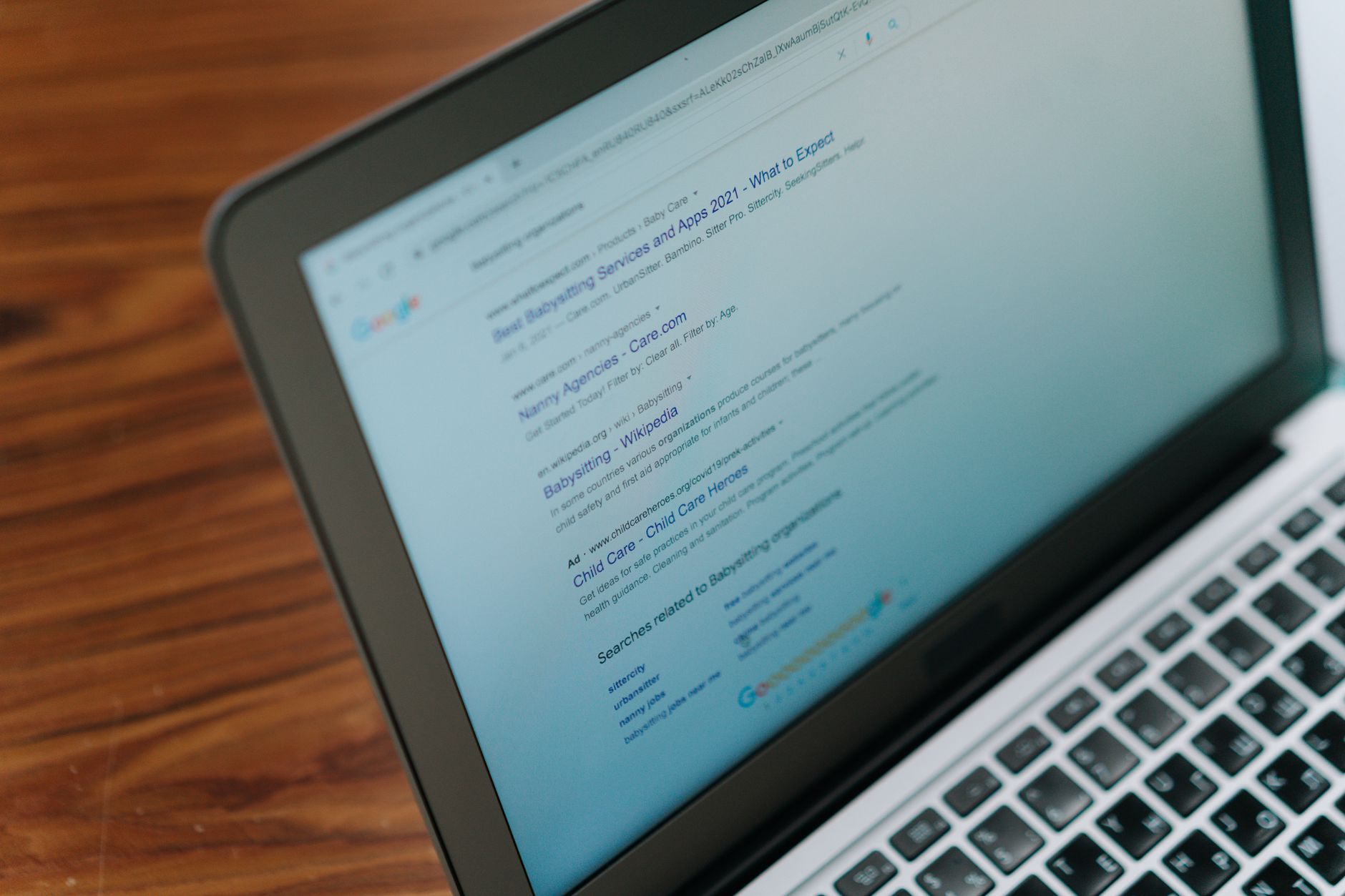
The first thing to check is whether your important pages can actually be crawled and indexed. If Google cannot reach a page or is told not to index it, no amount of title editing or content polishing will fix the ranking problem.
Beginner sites often run into hidden noindex settings, thin archive pages, attachment pages, or important pages that are barely linked from anywhere else. Google recommends crawlable HTML links and says every important page should be reachable from another findable page. It also recommends descriptive page titles and meta descriptions so search engines can understand the page more clearly.
What to do first:
Check WordPress Reading settings to make sure search engine visibility is not disabled. Review your XML sitemap in your SEO plugin. Make sure your key pages are linked from your navigation or from related content. Noindex thin tag or author archives if they do not add value.
Issue 2: Using Too Many SEO Plugins
One well-configured SEO plugin is enough. If you run overlapping SEO, schema, redirect, and social metadata plugins without a clear reason, you can end up with duplicate metadata, conflicting canonicals, and competing sitemap outputs.
This is one of the most common beginner mistakes because more tools feels like more optimization. In practice, it usually creates confusion. Pick one main SEO plugin, configure it properly, and remove overlapping tools unless they serve a distinct purpose your main setup does not handle.
If your setup already feels messy, our WordPress SEO checklist that actually works can help you simplify what to review first.
Issue 3: Weak Titles and Meta Descriptions


Your title tag is one of the clearest signals you control. Weak titles make it harder for search engines and users to understand the page, while vague or repetitive meta descriptions make the search result less compelling to click.
Google recommends descriptive, concise title text and warns against keyword stuffing and repeated boilerplate. It also says meta descriptions should be human-readable and should summarize the specific page well. That means the goal is clarity, not cramming every variation into one field.
| Weak title | Stronger title |
|---|---|
| SEO Tips | WordPress SEO Tips for Beginners |
| Home | WordPress SEO Services for Small Businesses |
| Best SEO Plugin | SEO Plugin | SEO Tools | How to Choose One WordPress SEO Plugin |
Fix your homepage, main service pages, and posts that already get impressions before worrying about lower-value pages. A better title on an important page usually matters more than rewriting twenty minor descriptions.
Issue 4: No Clear Keyword Target or Search Intent
Many beginners write pages around topics they like instead of the intent a searcher actually has. When a page tries to target several different ideas at once, it becomes less useful to users and less clear to search engines.
Start by asking what the searcher wants to do on that page. Are they trying to learn, compare, or hire? A service page should target a service intent. A blog post should usually target an informational question and then link naturally to the relevant service or commercial page.
Most site owners do not have one catastrophic problem. They have a stack of smaller issues that compound over time. Thin posts, overlapping topics, and vague titles often work together to flatten rankings.
Issue 5: Poor Internal Linking

Internal links help search engines discover pages, understand site structure, and see which pages matter most. They also help visitors move from a broad question to the page where they can take action.
Google recommends descriptive anchor text and crawlable links with href attributes. That means your important pages should be linked from related articles, service pages should not sit isolated, and orphan pages should be fixed. A page that only exists in your sitemap is usually under-supported.
A simple beginner fix is to go through your top blog posts and add links to the most relevant service or cornerstone pages. Then link related posts to each other using clear anchor text that describes the destination.
If you are experiencing these symptoms, our team at WordPress SEO Expert can help. A focused review often shows whether the real issue is internal linking, indexing, duplication, or weak page targeting.
Issue 6: Thin Archives and Duplicate URLs
WordPress can generate more indexable URLs than beginners expect. Tag archives, author archives, attachment pages, and inconsistent URL versions can all dilute signals if they are left unmanaged.
You do not need to panic and delete everything. The goal is to keep the pages that help users and de-emphasize the ones that create duplication. If an archive adds no unique value, noindex it. If multiple URLs point to the same content, choose a preferred version and keep your internal linking consistent.
Google’s structured data guidance also makes an important broader point: technical markup and signals should match what users can actually see on the page. The same logic applies here. Clean structure beats inflated complexity.
Issue 7: Chasing Scores Instead of Usability
Plugin scores can be useful prompts, but they are not the goal. A page can score well inside a plugin and still fail because it is slow, unfocused, repetitive, or unhelpful.
You do not need a perfect score. The goal is a site that loads cleanly, is easy to use, and sends consistent signals about which pages matter most. That means fewer distractions, clearer page purpose, simpler plugin choices, and better internal connections across the site.
A Better Order for Beginner SEO Fixes
If you are not sure where to start, use a strict order of operations. This keeps you from wasting time on cosmetic tasks while bigger technical or structural problems are still holding the site back.
| Priority | What to fix | Why it comes first |
|---|---|---|
| 1 | Indexing and crawl access | Pages cannot rank if search engines cannot reach them |
| 2 | Plugin conflicts and sitemap setup | Sitewide conflicts create misleading signals |
| 3 | Duplicate URLs and archive settings | Reduces confusion and wasted crawl attention |
| 4 | Page titles and headings | Improves clarity and relevance |
| 5 | Internal links | Strengthens discovery and context |
| 6 | Meta descriptions and schema cleanup | Supports better presentation after the foundation is stable |
When Beginner Problems Need Expert Help
Beginner SEO problems are usually fixable, but they are hard to untangle when several small issues overlap. If your rankings are flat and you are not sure whether the real problem is indexing, duplication, weak targeting, or plugin clutter, WordPress SEO Expert can help.
Book a free SEO consultation. No pitch, no pressure. Just an honest look at what your site actually needs and whether your current setup is part of the solution or part of the problem.
Contact WordPress SEO Expert today to schedule a consultation if you want a practical roadmap instead of another generic checklist.

















