
WordPress SEO is easier when you stop chasing scores and start following a sequence. Most beginners do not need more plugins or more content first. They need a clean setup, clear page targeting, and a simple order of operations that fixes visibility problems before polishing details.
A green light in an SEO plugin does not mean the page deserves to rank. One well-configured SEO plugin is enough. The goal is not a perfect score. The goal is a site that loads cleanly, is easy to use, and sends consistent signals about which pages matter most.
If you want a broader baseline before working through the steps below, start with this practical WordPress SEO guide for DIY site owners. If your current setup already feels messy, this walkthrough on fixing WordPress SEO setup problems pairs well with this beginner process.
Step 1: Choose One SEO Plugin
Start by simplifying your setup. Beginners get into trouble when they install overlapping SEO, schema, sitemap, and redirect plugins that all try to control the same signals. Keep one primary SEO plugin and remove tools that duplicate its core functions.
WordPress SEO Expert recommends taking a simple approach here. One plugin can usually handle titles, meta descriptions, XML sitemaps, canonicals, and basic schema. Running several SEO plugins often creates duplicate metadata, conflicting canonicals, and competing sitemap outputs that are harder to diagnose than the original problem.
If you already have a cluttered stack, do not add another tool to compensate. Clean up the stack first, then configure the plugin you keep properly.
Step 2: Make Sure Search Engines Can Crawl Key Pages
Before you rewrite pages, confirm that your important URLs can actually be found and indexed. If search engines cannot crawl your pages through normal HTML links, stronger copy and better keywords will not solve the core problem.
Google explains that crawlable links should use standard HTML anchor elements with an href attribute, and that descriptive link text helps users and search engines understand pages more clearly. Google also recommends that every page have a descriptive title and meta description and be reachable from another findable page on the site. Review Google’s link best practices and its SEO guidance for developers if you want the original documentation.
For beginners, the practical checks are simple: verify that your main pages are linked in navigation or body copy, confirm your sitemap is enabled, and make sure you are not accidentally noindexing important content.
Step 3: Fix Titles Before Anything Else
Your page titles are one of the clearest signals you control. Beginners often leave them vague, duplicate them across pages, or stuff several variations into one field. A better title is specific, concise, and aligned with the page’s actual purpose.
Google recommends writing descriptive, concise title text and warns against keyword stuffing and repetitive boilerplate in title elements. Google’s title link documentation is worth reading because it explains why titles like Home, Services, or long stuffed phrases usually underperform.
| Weak title | Stronger title |
|---|---|
| SEO Services | SEO Company | SEO Expert | WordPress SEO Services for Small Businesses |
| Blog | WordPress SEO Tips for Beginners |
| Home | WordPress SEO Consultant for Service Businesses |
Fix your homepage, primary service pages, and posts that already get impressions first. Those pages usually produce the fastest improvement once the titles become clearer.
Step 4: Write Better Meta Descriptions and Headings
Meta descriptions and headings help clarify what the page offers, even though they do different jobs. Your description supports clicks from search results. Your headings help organize the page so users and search engines can follow the topic more easily.
Google says it may use the meta description tag to generate a search snippet when that text better summarizes the page, and it advises creating useful, descriptive summaries for important URLs. Google’s meta description guidance is clear on that point. For headings, keep one clear H1, then use H2s and H3s in a logical order instead of using headings only for styling.
Beginners do not need to overcomplicate this step. Write headings that match the questions readers actually have, and write meta descriptions that make the page sound worth clicking.
Step 5: Build Internal Links With Purpose
Internal linking is one of the simplest SEO wins for a small WordPress site. It helps search engines discover pages, understand relationships between topics, and see which pages matter most. It also helps users move naturally from a broad article to a more specific page.
Google’s Search Essentials say to use words people would actually use to look for your content in prominent places like titles, headings, and link text. That matters because generic anchors like read more or click here do very little to clarify context. Google’s Search Essentials and its link guidance both support a clearer internal linking approach.
Link related posts to each other, and link informational pages to the service or category pages you actually want to strengthen. If you are building out your process, this WordPress SEO guide can help you think in layers instead of disconnected tasks.
If you are experiencing these symptoms, our team at WordPress SEO Expert can help.
Step 6: Improve Speed Without Chasing Perfect Scores
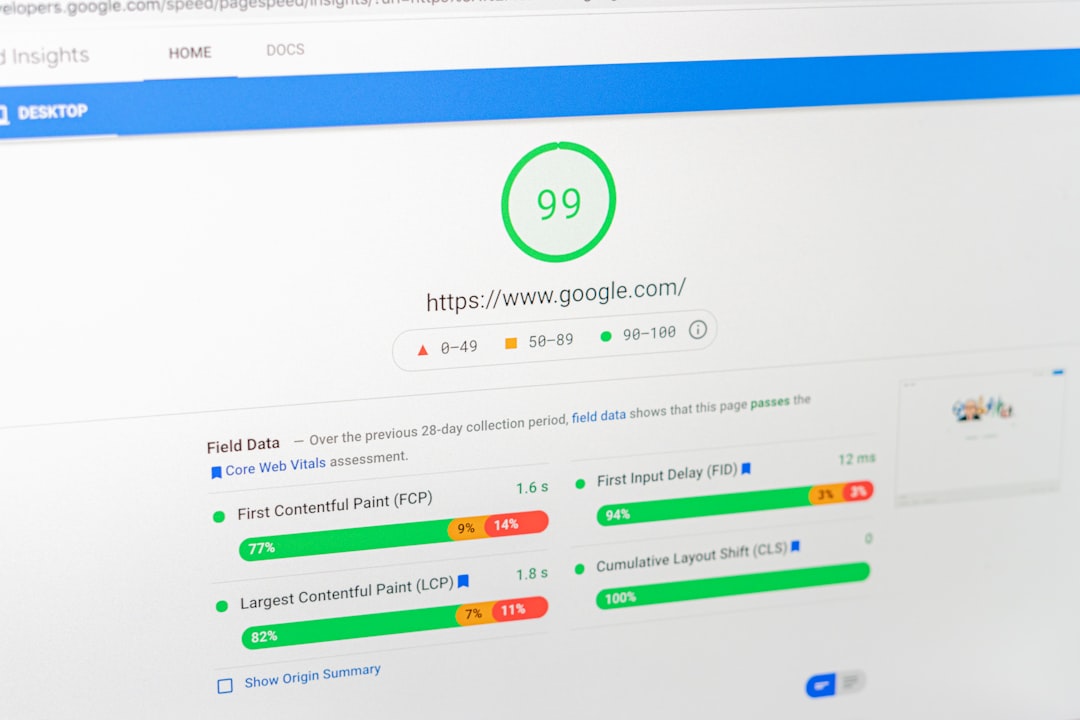
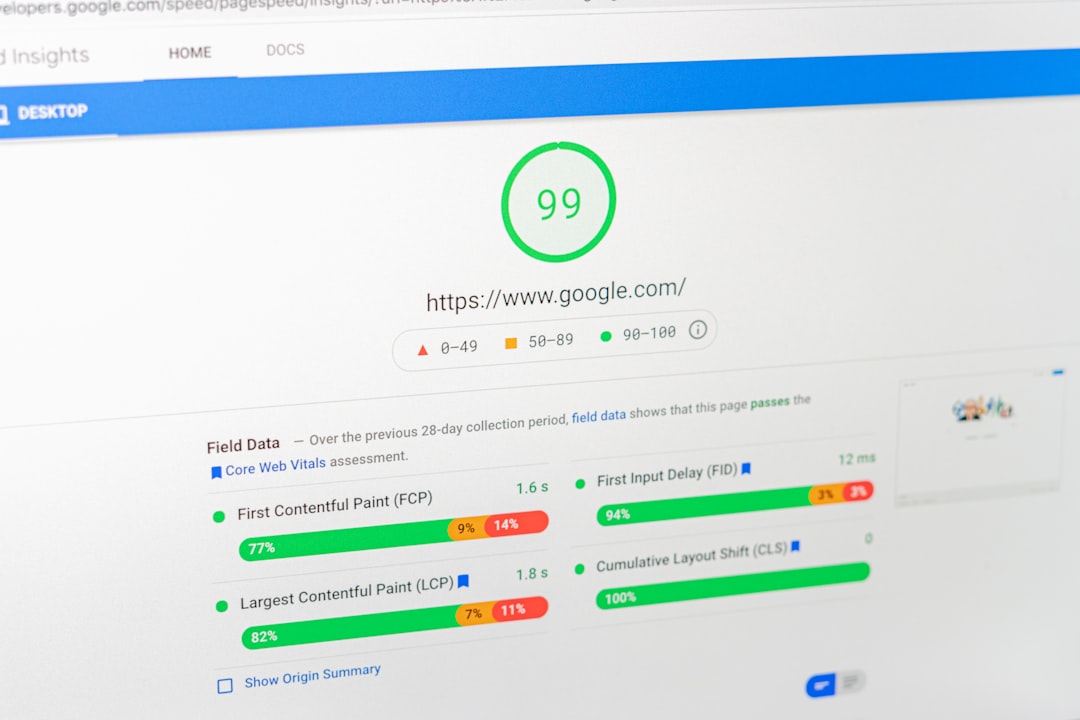
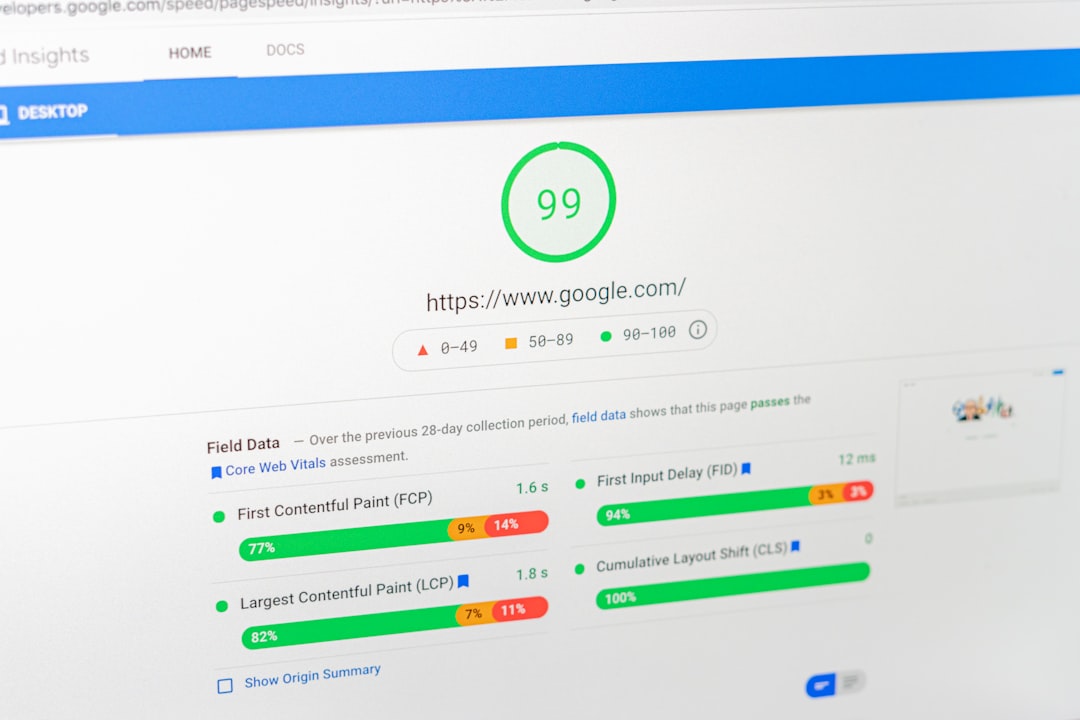
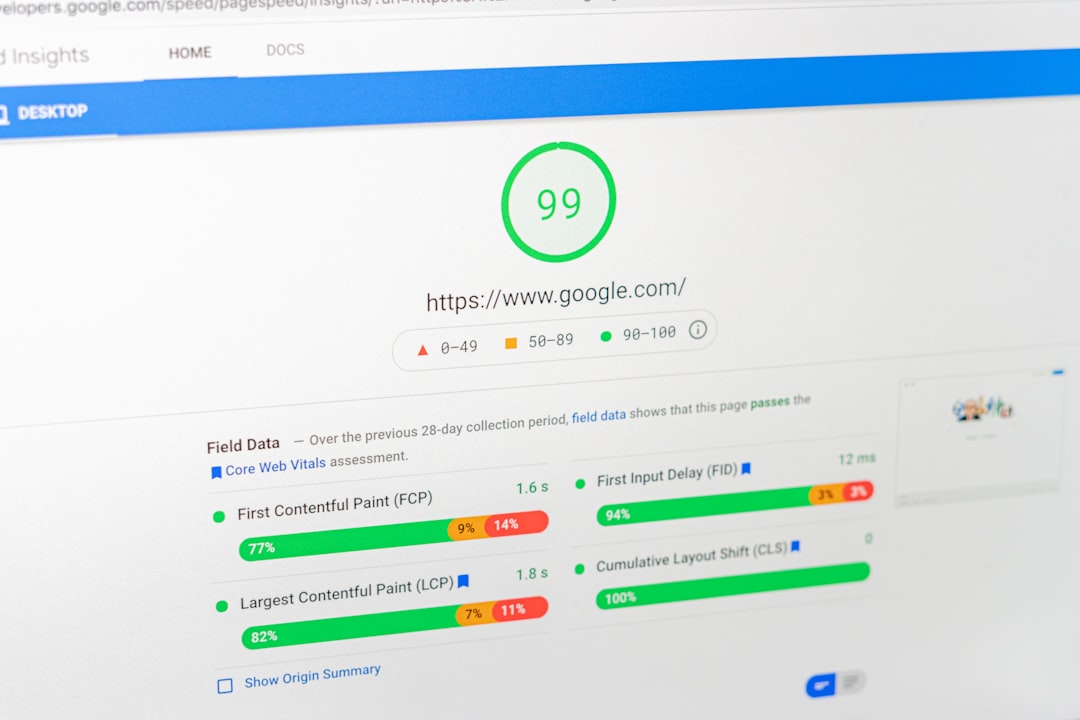
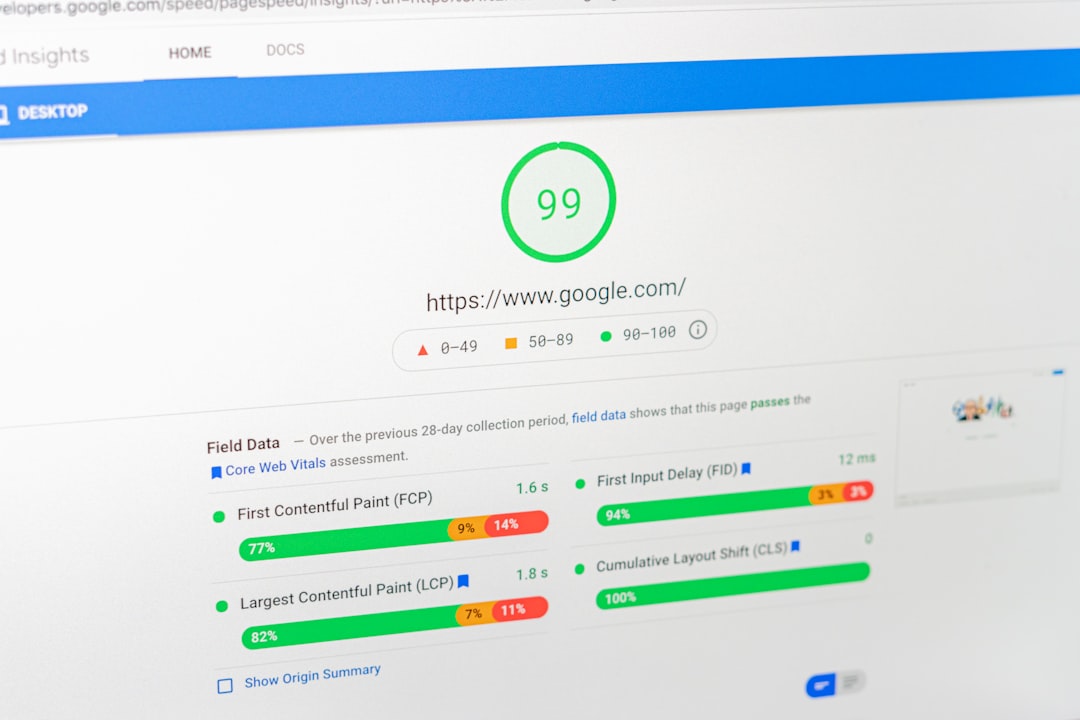
Site speed matters, but beginners often waste time chasing a flawless performance grade instead of improving the experience on real pages. A cleaner, faster site usually comes from fewer plugins, lighter images, and a sensible caching setup, not endless toggles.
Focus on practical fixes: compress large images, enable caching, remove plugins you do not need, and test a few important templates instead of obsessing over every page. Most site owners do not have one catastrophic speed problem. They have a stack of smaller issues that compound over time.
You do not need a perfect score. The goal is a site that loads cleanly, is easy to use, and supports the pages that matter most.
Step 7: Track What Happens in Search Console
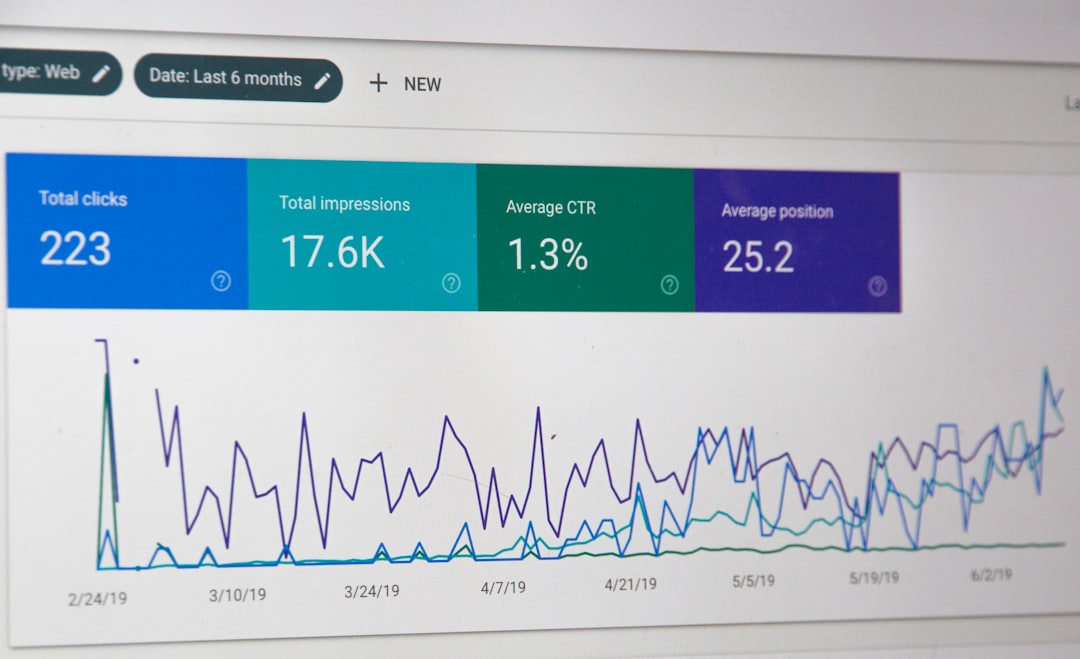
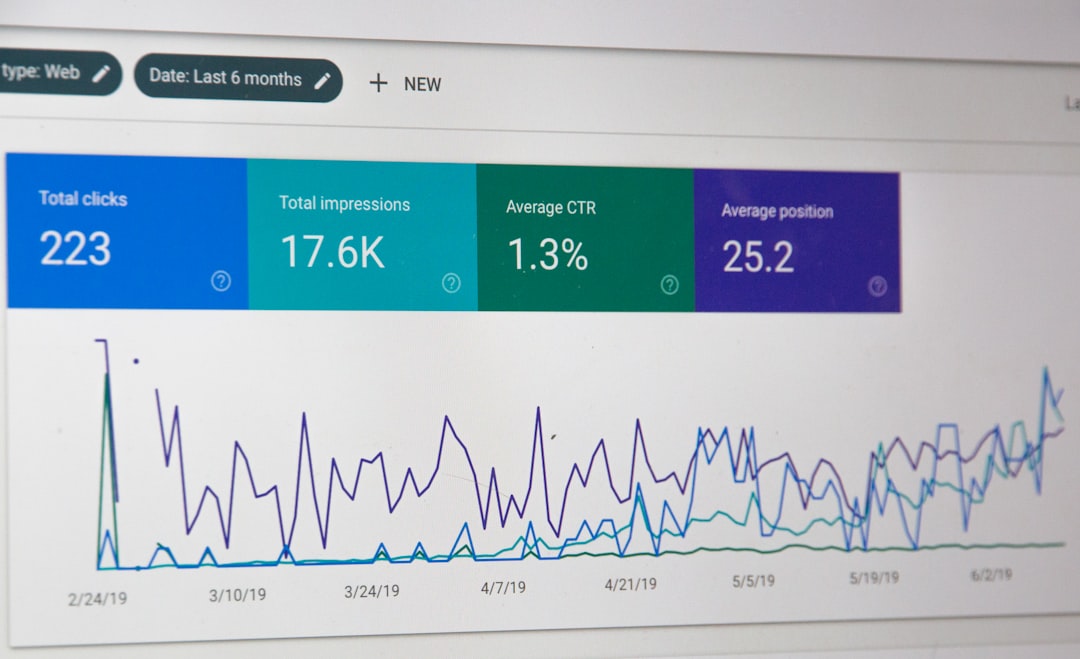
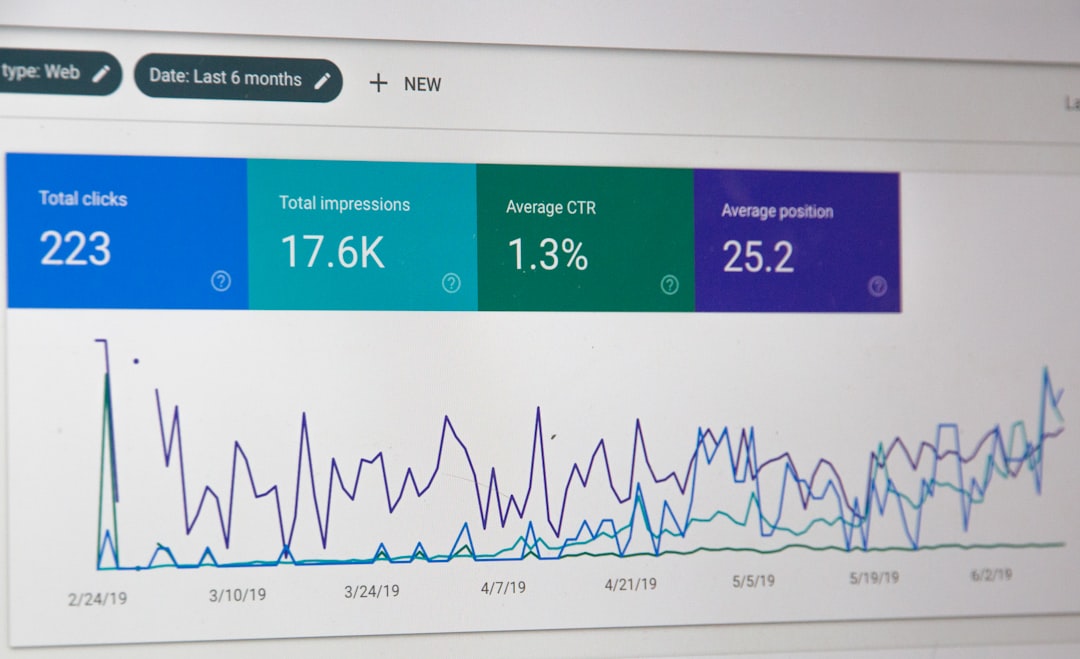
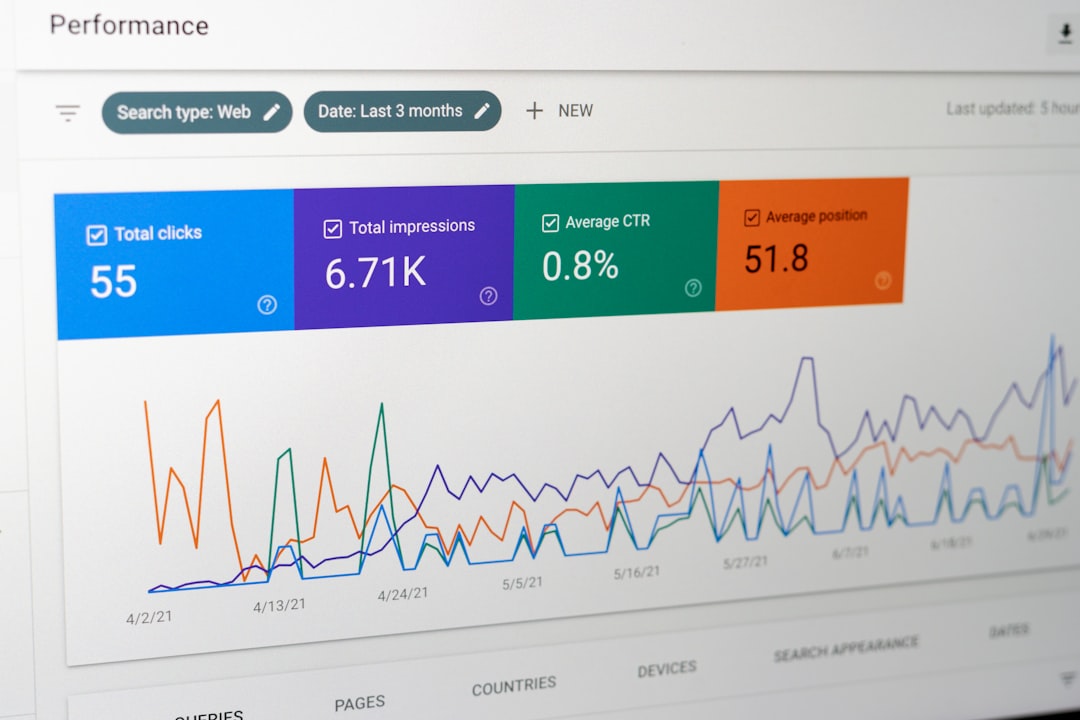
Beginners improve faster when they stop guessing and start checking real search data. Search Console shows which queries already trigger impressions, which pages are getting clicks, and where indexing issues may be suppressing performance.
This is where prioritization becomes easier. Pages with impressions but weak clicks may need better titles and meta descriptions. Pages with no impressions may have indexing, targeting, or internal linking problems. Review your reports monthly so small issues do not turn into long-term stagnation.
A Simple Beginner SEO Workflow
If you are unsure what to do first, follow a short sequence instead of bouncing between random tasks. The right order is usually simpler than beginners expect and far more effective than trying to optimize everything at once.
| Priority | What to do | Why it matters |
|---|---|---|
| 1 | Keep one SEO plugin | Prevents conflicting signals and duplicate outputs |
| 2 | Check crawlability and indexing | Pages cannot rank if search engines cannot reach them |
| 3 | Fix titles and headings | Clarifies topic targeting and improves relevance |
| 4 | Improve meta descriptions | Supports better search snippets and clicks |
| 5 | Add internal links | Strengthens discovery, hierarchy, and context |
| 6 | Improve speed basics | Creates a better user experience without overengineering |
| 7 | Review Search Console monthly | Shows what is improving and what still needs work |
When Beginners Should Ask for Help
If your rankings stay flat after the basics are in place, the problem is usually prioritization, not effort. WordPress sites often accumulate plugin clutter, weak targeting, duplicate pages, and thin internal links slowly enough that the site owner cannot see the pattern clearly.
WordPress SEO Expert can help you sort out whether the real issue is indexing, duplication, weak titles, or a setup that is sending mixed signals. Book a free SEO consultation. No pitch, no pressure. Just an honest look at what your site actually needs and whether your current setup is part of the solution or part of the problem.
Contact WordPress SEO Expert today to schedule a consultation if you want a practical plan instead of another plugin checklist.