
SEO growth takes time, but a focused strategy can prevent a WordPress website from wasting effort on low-impact activities. Instead of trying every SEO technique at once, businesses can prioritize improvements that strengthen visibility, usability, and content quality.
Here are practical ways a WordPress SEO Consultant can help a website build momentum.
Start With an SEO Audit
Before making major changes, understand the website’s current condition.
An audit can identify:
- Technical problems
- Indexing issues
- Weak pages
- Missing keywords
- Broken links
- Slow-loading pages
- Internal linking gaps
- Content opportunities
This creates a starting point for prioritizing work.
Focus on High-Value Keywords

Not every keyword deserves equal attention.
Look for search terms that are relevant to the business and connected to what customers actually need.
For example, a service business may prioritize:
Service + location
Service + problem
Service + customer type
This can create more targeted opportunities than focusing only on broad, highly competitive keywords.
Improve Existing Pages
Updating pages that already receive impressions or traffic can be a practical SEO opportunity.
Consider improving:
- Content depth
- Headings
- Search intent alignment
- Internal links
- Images
- Page titles
- Outdated information
Existing pages already have a history with search engines, so improving them can be part of an efficient SEO workflow.
Build Topic-Relevant Content
Instead of publishing unrelated articles, create groups of content around important topics.
For example, a WordPress SEO website could create content covering:
- WordPress SEO basics
- Technical SEO
- On-page SEO
- Local SEO
- SEO audits
- Website speed
- Internal linking
Related content can then link to one another and to relevant service pages.
Strengthen Internal Linking
Internal links are often overlooked because they do not require external websites.
A simple structure can look like:
Main guide → Supporting article → Service page
Use descriptive anchor text and only add links where they help the reader.
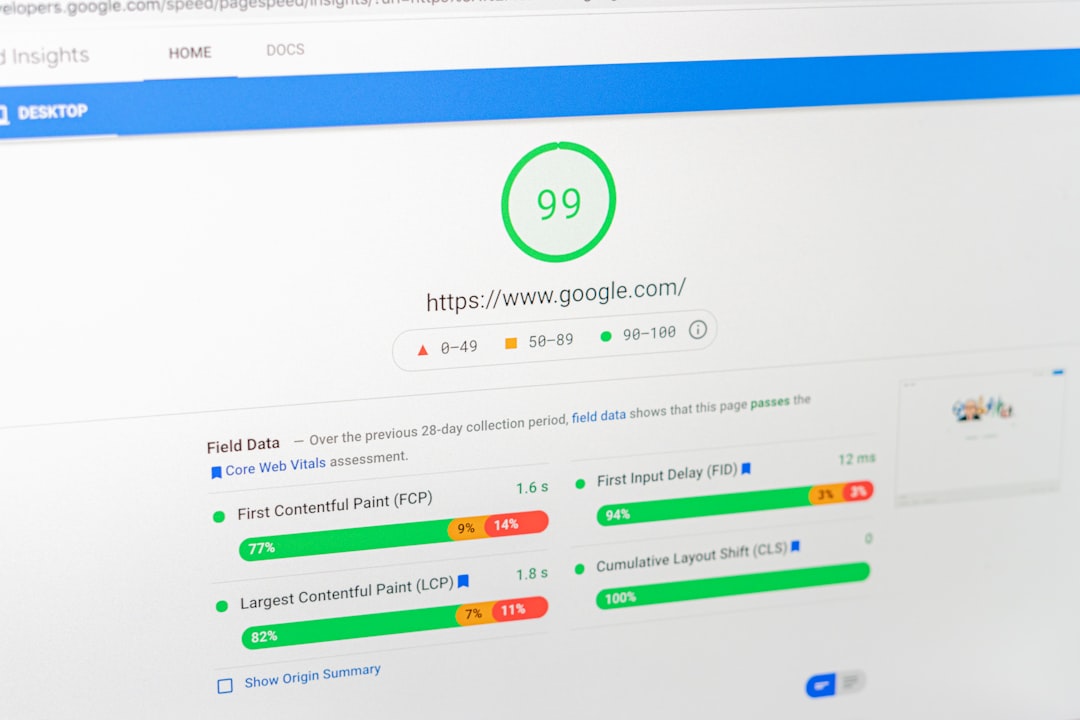
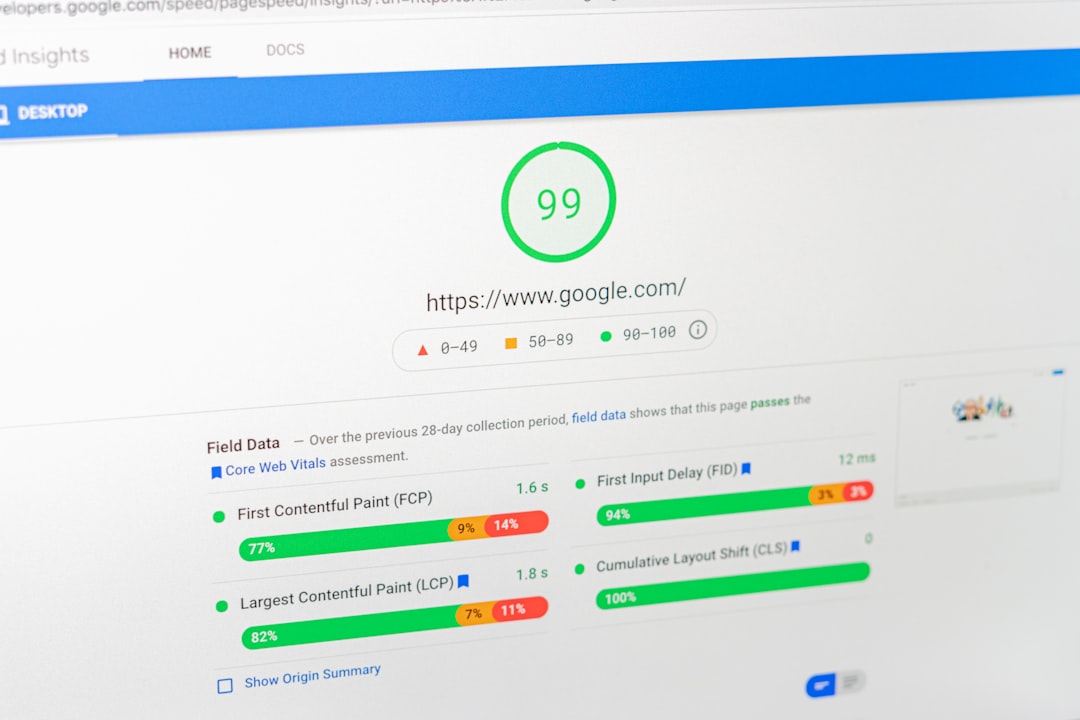
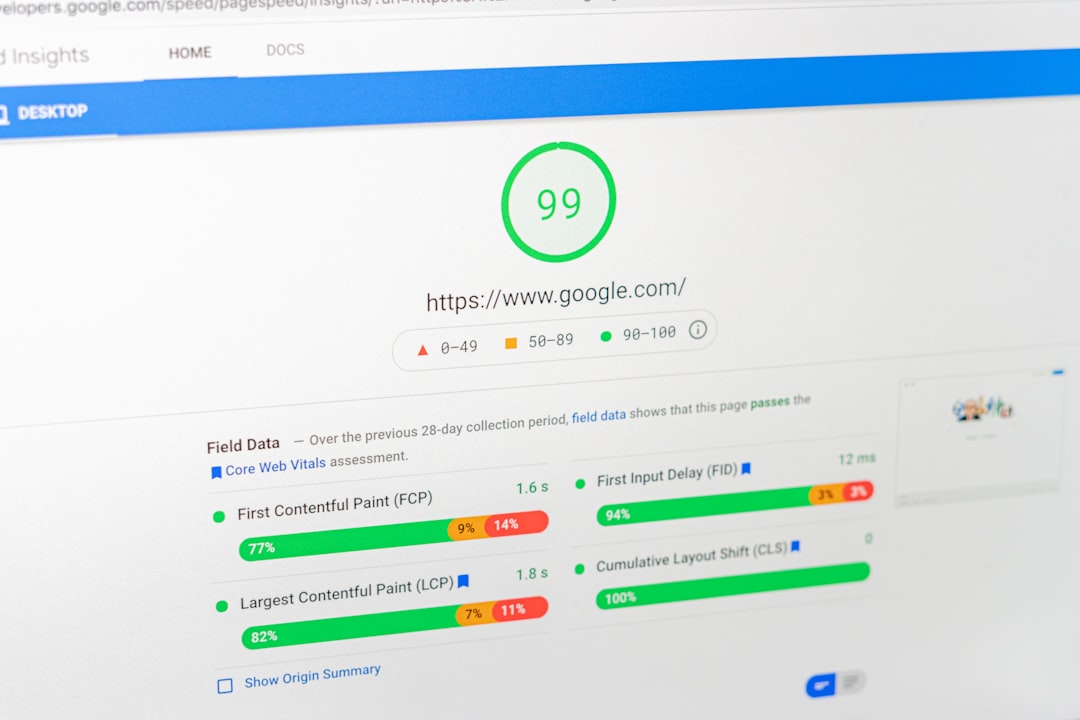
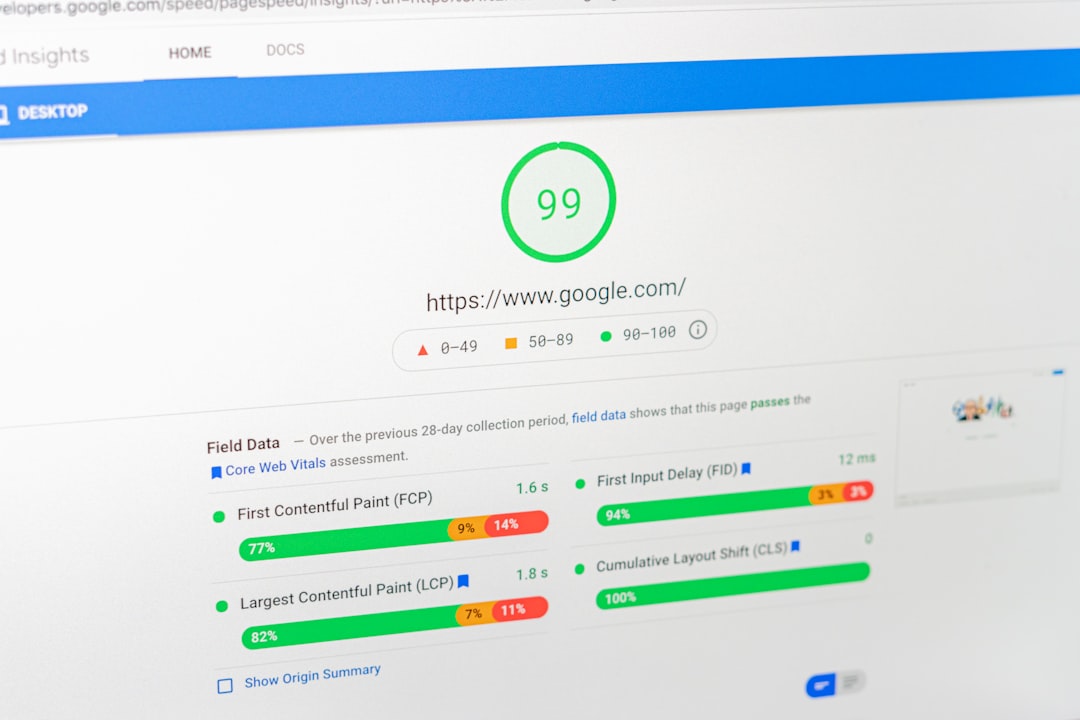
Improve Page Speed
Faster pages create a better user experience.
Common areas to review include:
- Image compression
- Caching
- Plugin usage
- Hosting
- Scripts
- Unnecessary page elements
Do not add optimization plugins blindly. First identify what is slowing the website down.
Optimize for Mobile Users
A large percentage of web searches happen on mobile devices.
Check whether visitors can easily:
- Read content
- Navigate menus
- Click buttons
- Complete forms
- View images
- Contact the business
A mobile-friendly website should be part of the core SEO strategy.
Earn Relevant Backlinks
Backlinks can support website authority when they come from relevant and trustworthy sources.
Possible strategies include:
- Helpful guest contributions
- Digital PR
- Resource outreach
- Industry partnerships
- Original research
- Useful statistics or guides
Quality and relevance matter more than simply increasing the number of links.
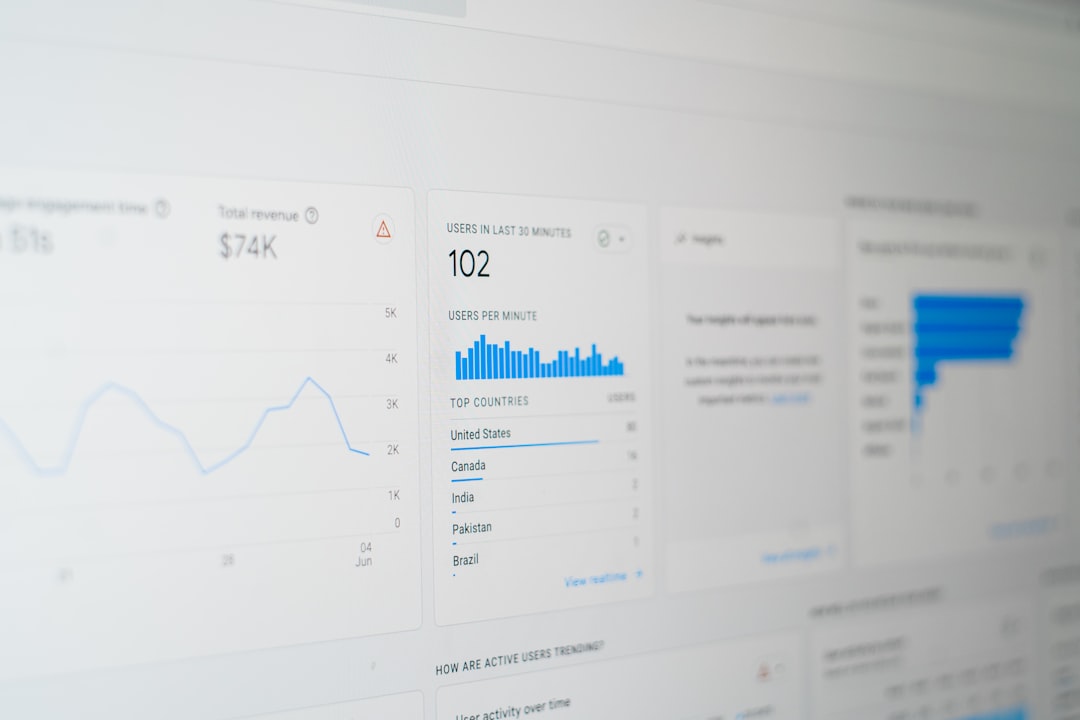
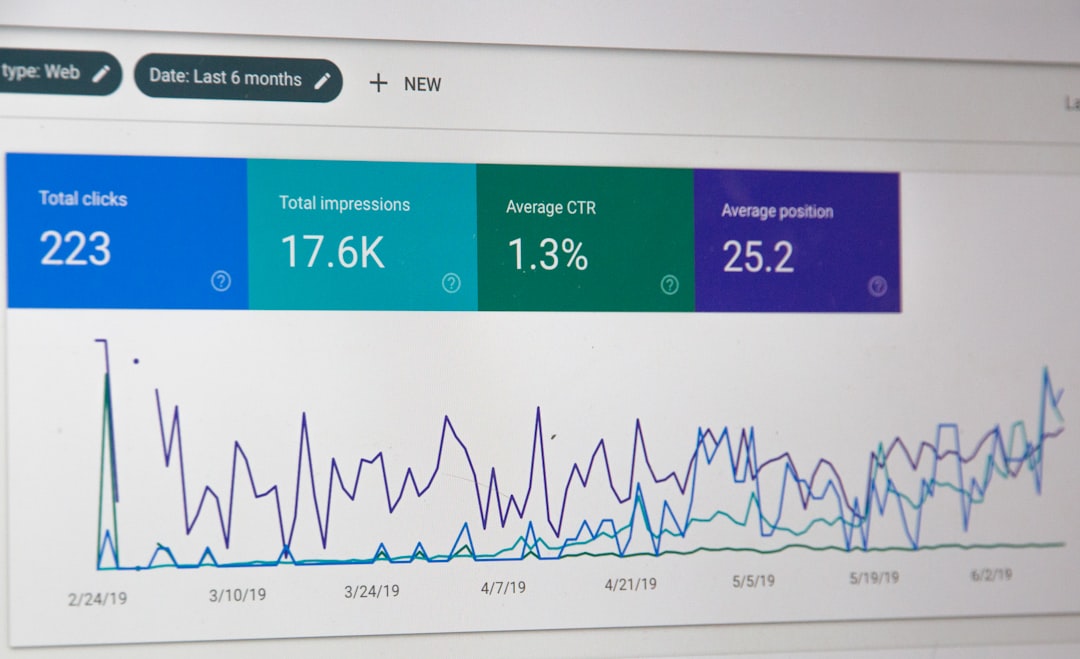
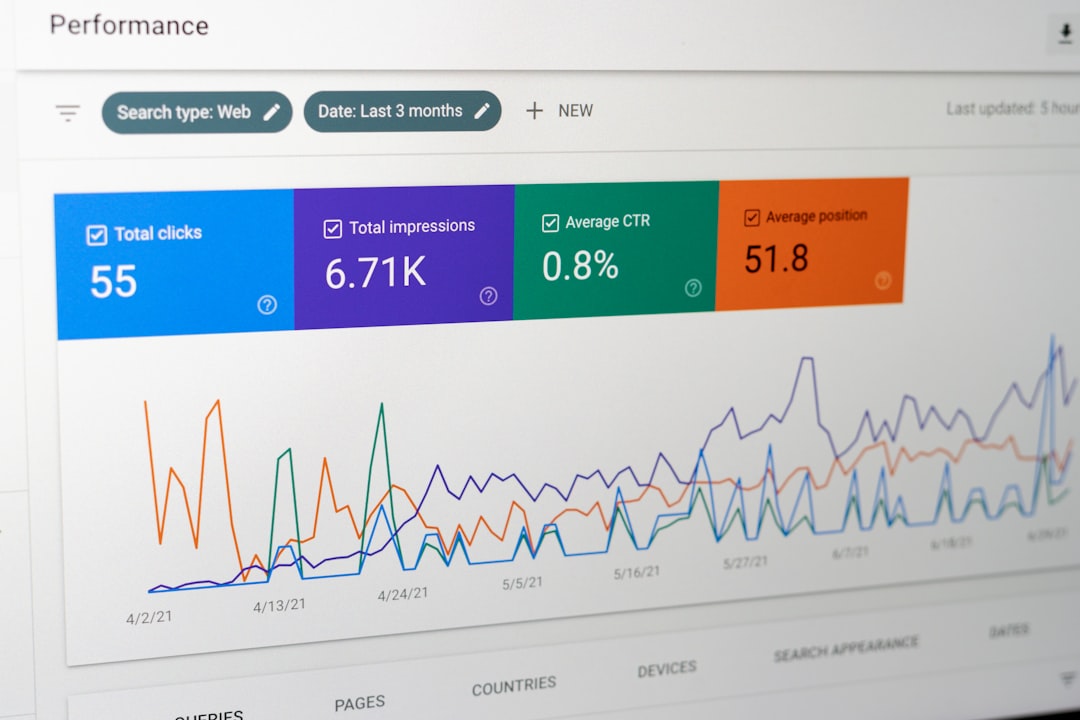
Track Progress Regularly

SEO decisions should be based on data.
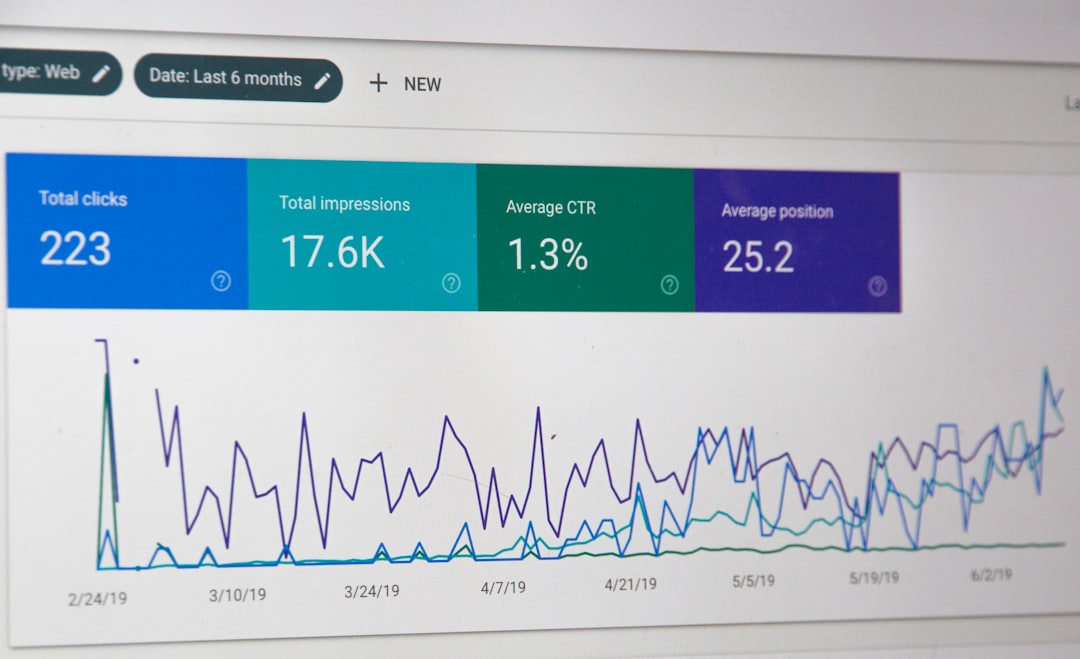
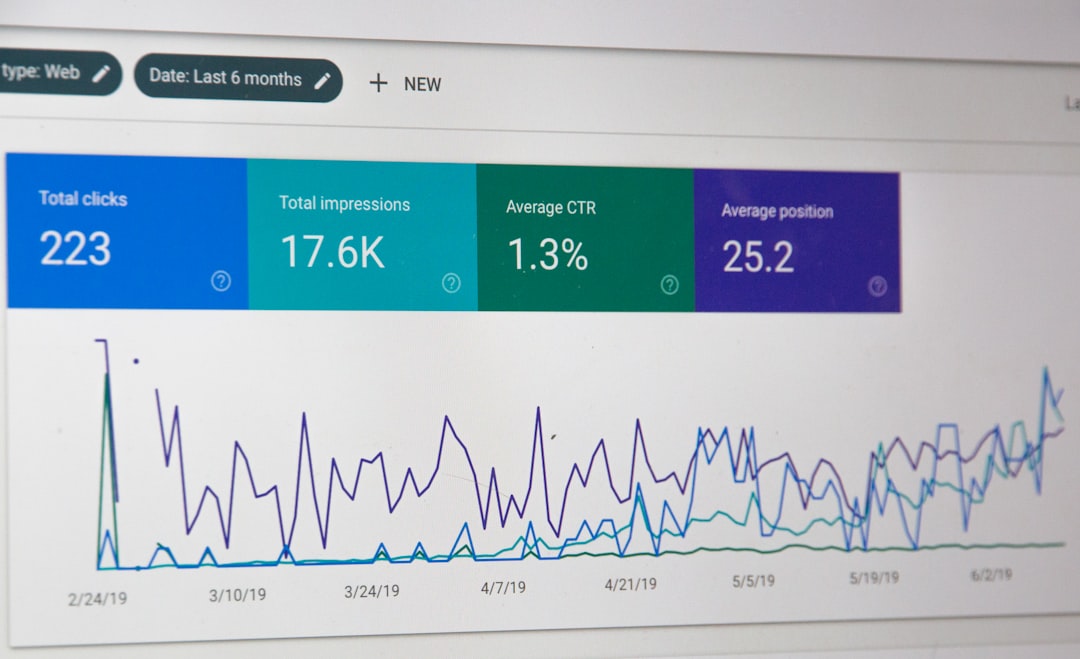
Track metrics such as:
| Metric | What to Monitor |
|---|---|
| Organic traffic | Growth or decline |
| Impressions | Search visibility |
| Clicks | Search engagement |
| Rankings | Keyword movement |
| Conversions | Business results |
Reviewing performance regularly helps determine which activities deserve more attention.
Prioritize Instead of Doing Everything
A practical SEO roadmap might look like:
Phase 1: Fix critical technical problems
Phase 2: Optimize important pages
Phase 3: Improve internal linking and content
Phase 4: Build relevant authority
Phase 5: Measure and refine
A WordPress SEO Consultant can help organize these activities according to the website’s current condition and business goals.
Faster SEO growth does not come from shortcuts. It comes from identifying the right opportunities, executing them properly, and continuously improving based on evidence.