
Improving SEO on a WordPress website requires more than adding keywords to pages. Small mistakes in technical settings, content, links, or website structure can make optimization less effective and may even create new problems.
Understanding common mistakes can help website owners build a cleaner and more sustainable SEO strategy.
1. Using Too Many Keywords
Keyword stuffing is one of the most common mistakes in SEO.
Repeating the same phrase unnaturally throughout a page can make the content difficult to read. Search engines are better at understanding topics and context, so content should be written primarily for people.
Use the main keyword naturally and include related terms where they genuinely fit.
2. Ignoring Search Intent

A page may target the right keyword but still fail to satisfy what users are looking for.
For example, someone searching for “WordPress SEO services” may want information about hiring a provider, while someone searching for “how to do WordPress SEO” is looking for educational guidance.
A WordPress SEO Consultant should consider the intent behind the search before optimizing a page.
3. Publishing Thin Content
Adding large numbers of short pages does not automatically improve SEO.
Pages should provide useful information and have a clear purpose. If several pages contain very little original value, they may be better combined, expanded, or removed where appropriate.
4. Neglecting Technical SEO
Content is important, but technical problems can prevent search engines from properly accessing important pages.
Common issues include:
- Incorrect noindex settings
- Broken links
- Poor redirects
- Duplicate URLs
- Missing sitemap
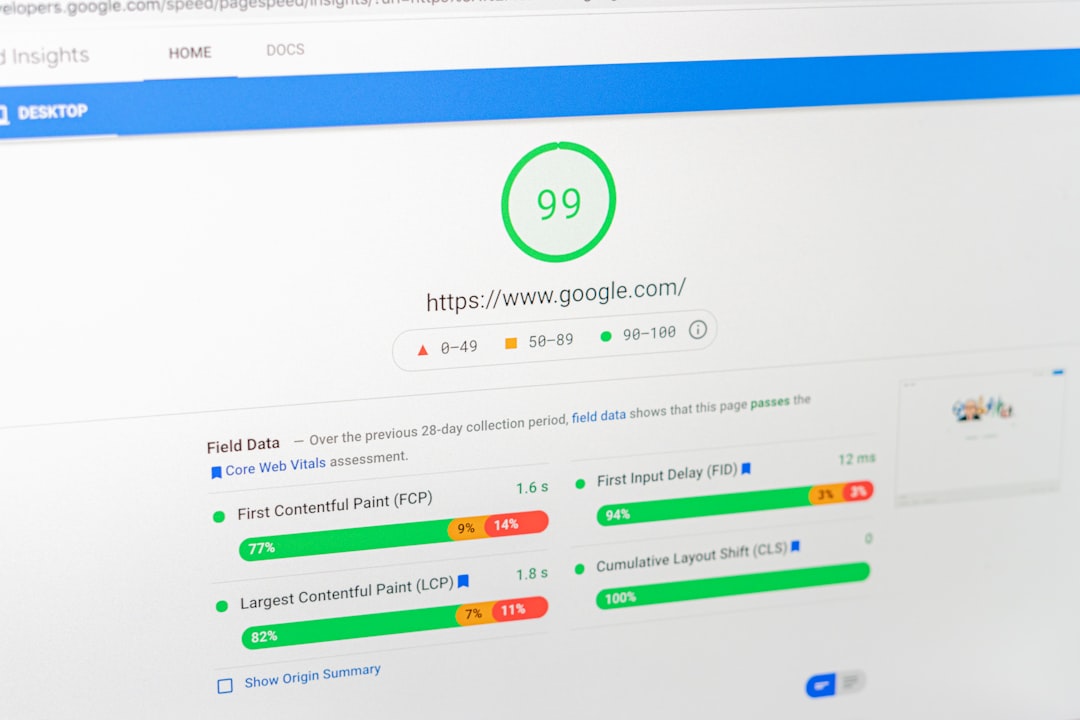
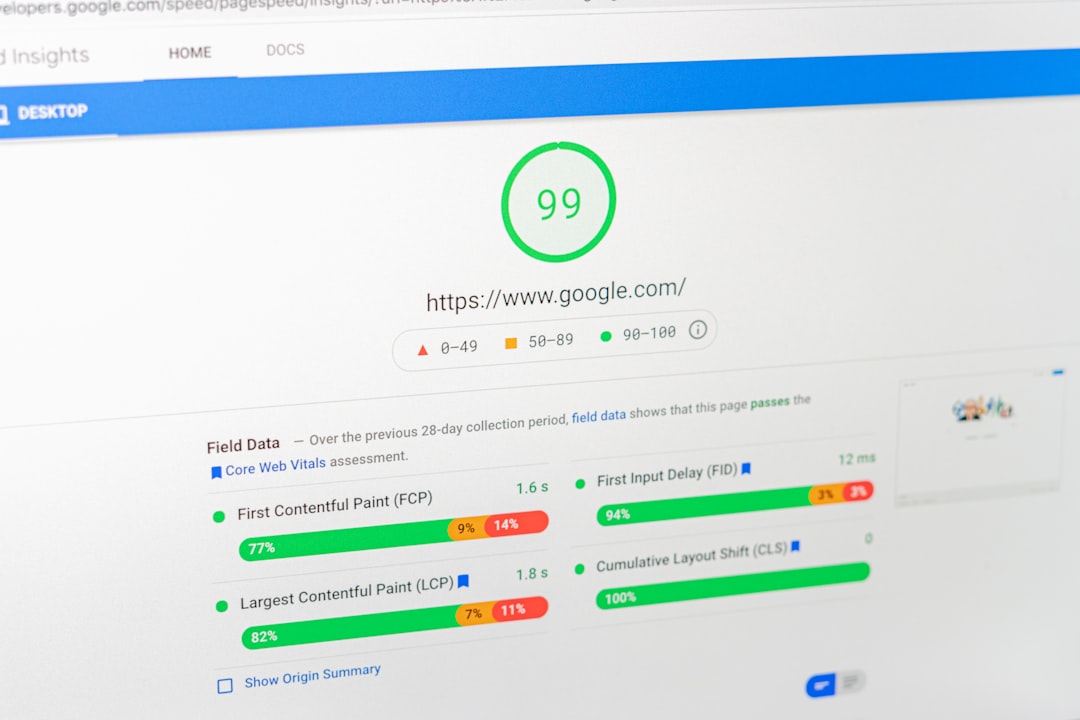
- Slow loading pages
- Mobile usability problems
Technical SEO should be reviewed regularly.
5. Creating Duplicate Pages
WordPress can generate additional URLs through categories, tags, filters, archives, and other features.
Not every URL needs to be indexed.
A proper strategy determines which pages should appear in search results and how duplicate or low-value URLs should be handled.
6. Ignoring Internal Linking
Internal links help visitors discover related information and help search engines understand relationships between pages.
For example, a blog about WordPress SEO can naturally link to a relevant SEO service page.
Important pages should not be isolated from the rest of the website.
7. Forgetting Mobile Optimization

A website may look excellent on a desktop but provide a poor experience on mobile devices.
Check:
- Text size
- Navigation
- Buttons
- Images
- Page loading
- Forms
- Overall layout
Mobile usability should be considered throughout the optimization process.
8. Chasing Backlinks Without Relevance
More backlinks do not automatically mean better SEO.
Links from unrelated or low-quality websites may provide little value. A better approach is to earn relevant mentions and links from trustworthy sources.
Potential opportunities include industry websites, useful resources, publications, and genuine partnerships.
9. Ignoring Existing Content
Some websites continuously publish new articles while older pages become outdated.
Updating existing content can sometimes be more useful than producing another article on the same subject.
Review older pages for:
- Outdated information
- Broken links
- Missing sections
- Weak titles
- New relevant information
10. Measuring Only Rankings
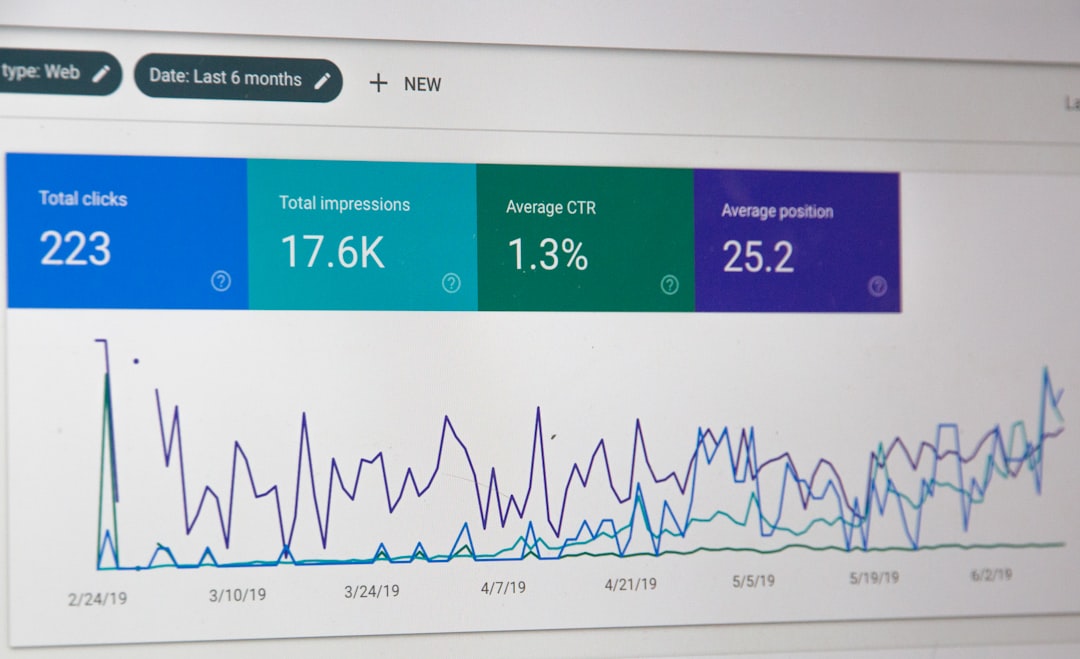
Keyword rankings are useful, but they are not the only SEO metric.
A broader measurement system can include:
| Metric | Purpose |
|---|---|
| Organic traffic | Measures search visitors |
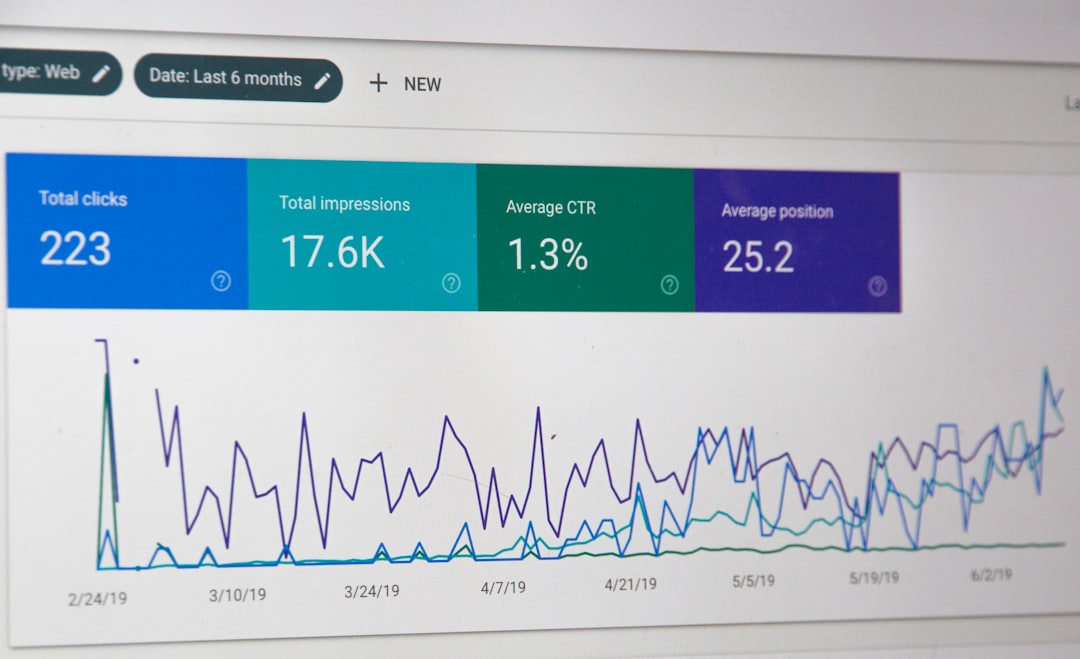
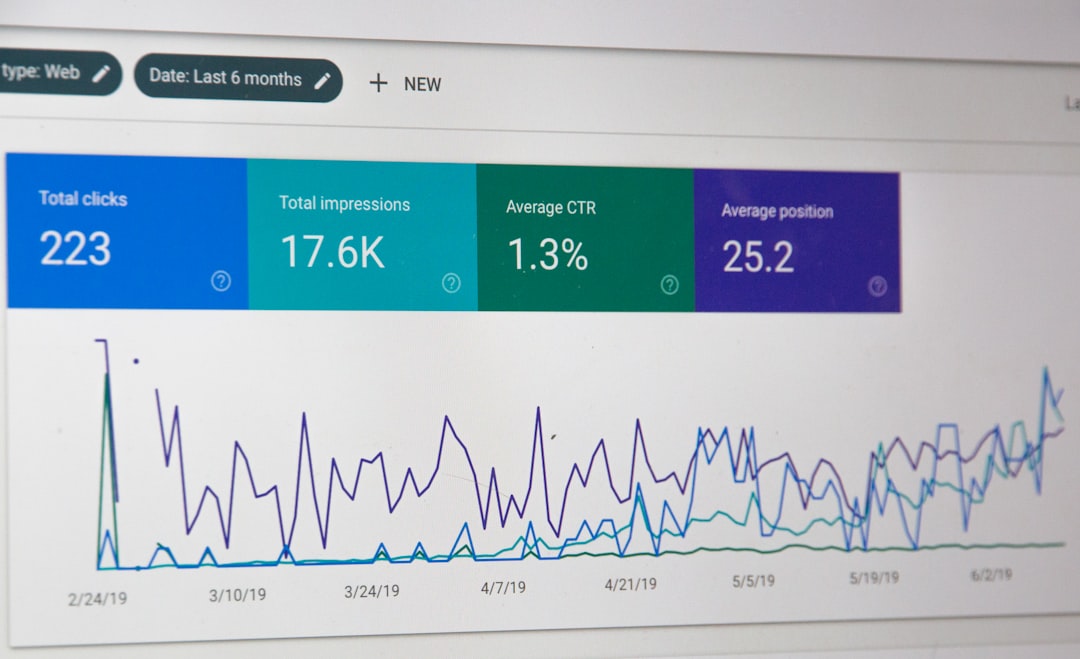
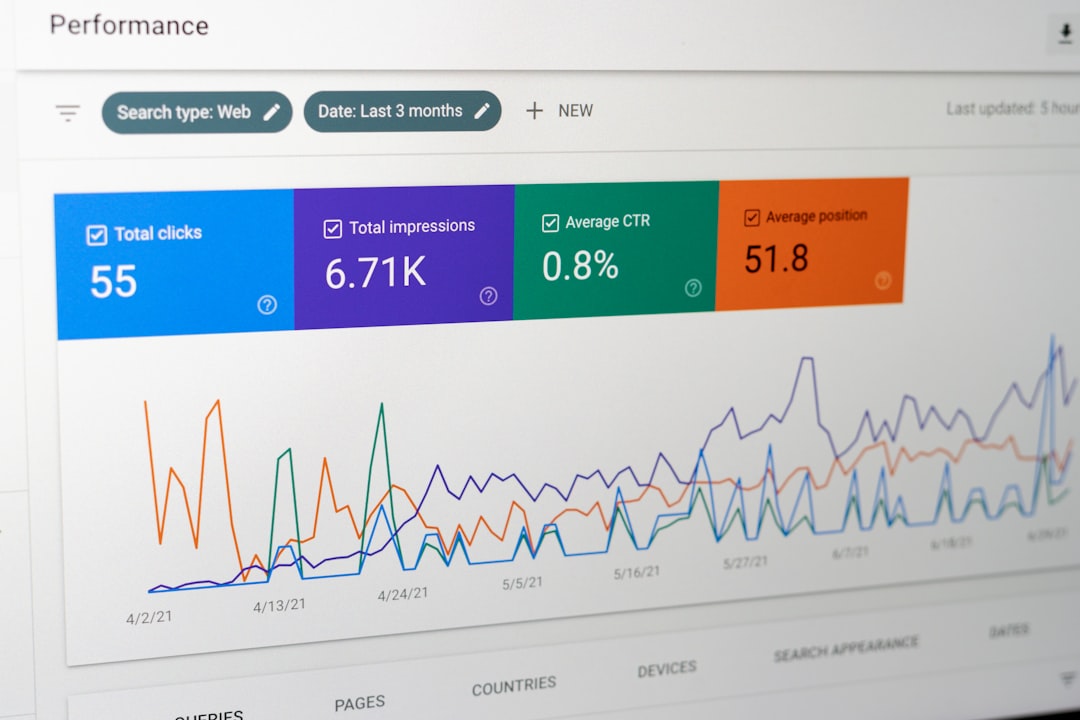
| Impressions | Shows visibility |
| Clicks | Measures search engagement |
| Leads | Measures business impact |
| Conversions | Measures outcomes |
This gives a more complete picture of SEO performance.
How a WordPress SEO Consultant Can Prevent These Mistakes
A structured SEO process makes it easier to identify technical, content, and strategic issues before they become larger problems.
A WordPress SEO Consultant can audit the website, prioritize important fixes, improve page targeting, strengthen internal links, and monitor results over time.
The goal is not to make hundreds of changes at once. Effective SEO focuses on relevant improvements that make the website more useful, accessible, and understandable for both users and search engines.