Improving Google rankings requires a combination of useful content, technical accessibility, strong website structure, and a good understanding of search intent.
There is no single WordPress setting that guarantees better rankings. Instead, businesses can improve multiple areas of the website through a consistent SEO process.
1. Understand Search Intent

Before optimizing a page, determine what searchers expect to find.
For example:
- “What is WordPress SEO?” → Educational content
- “WordPress SEO company” → Commercial/service content
- “How to improve WordPress speed” → Practical guide
The page should provide the type of information that best satisfies the query.
2. Improve Important Page Titles
Titles should clearly communicate the subject of a page.
Avoid stuffing several variations of the same keyword into a title.
A clear title can help users understand what they will find when they click the result.
3. Create Helpful Content
Content should answer questions thoroughly without adding unnecessary filler.
Useful content can include:
- Practical steps
- Examples
- Explanations
- Comparisons
- Tables
- Relevant statistics
- Supporting resources
The objective is to help the reader, not simply increase word count.
4. Build Strong Internal Links
Internal links can connect related pages across the website.
For example:
SEO Guide → Technical SEO Article → SEO Service Page
This structure can help visitors discover related information and make important pages easier to reach.
5. Keep URLs Clear
Use simple and descriptive URLs.
For example:
example.com/wordpress-seo-guide/
is easier to understand than a URL filled with unnecessary parameters.
For existing pages, review the consequences before changing established URLs.
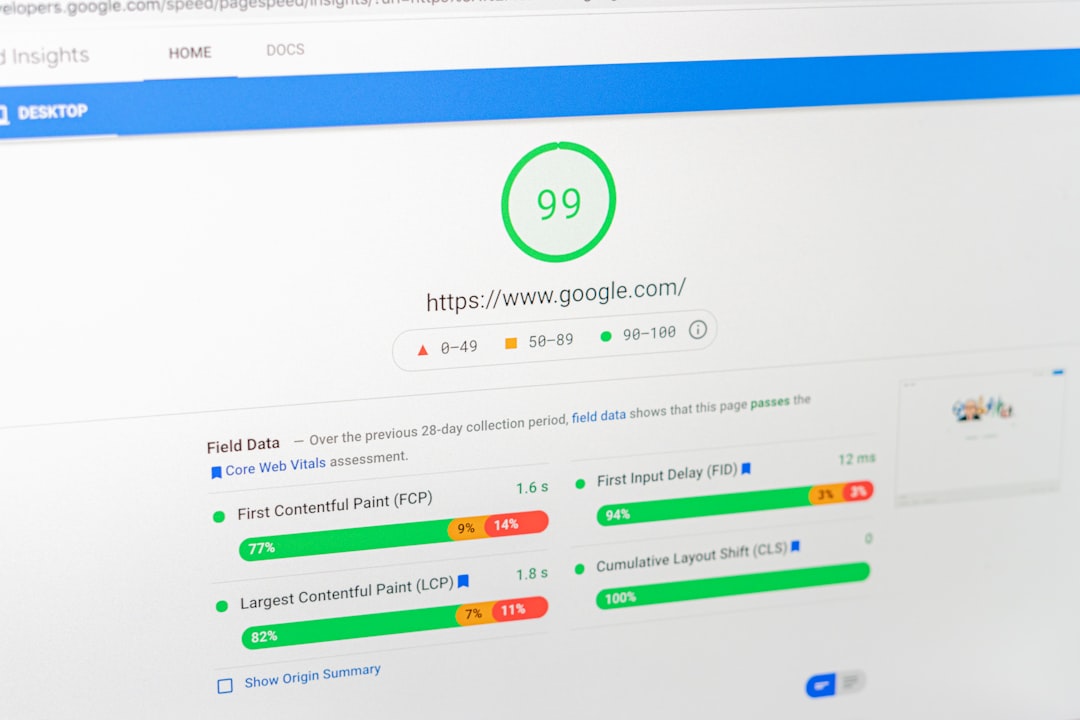
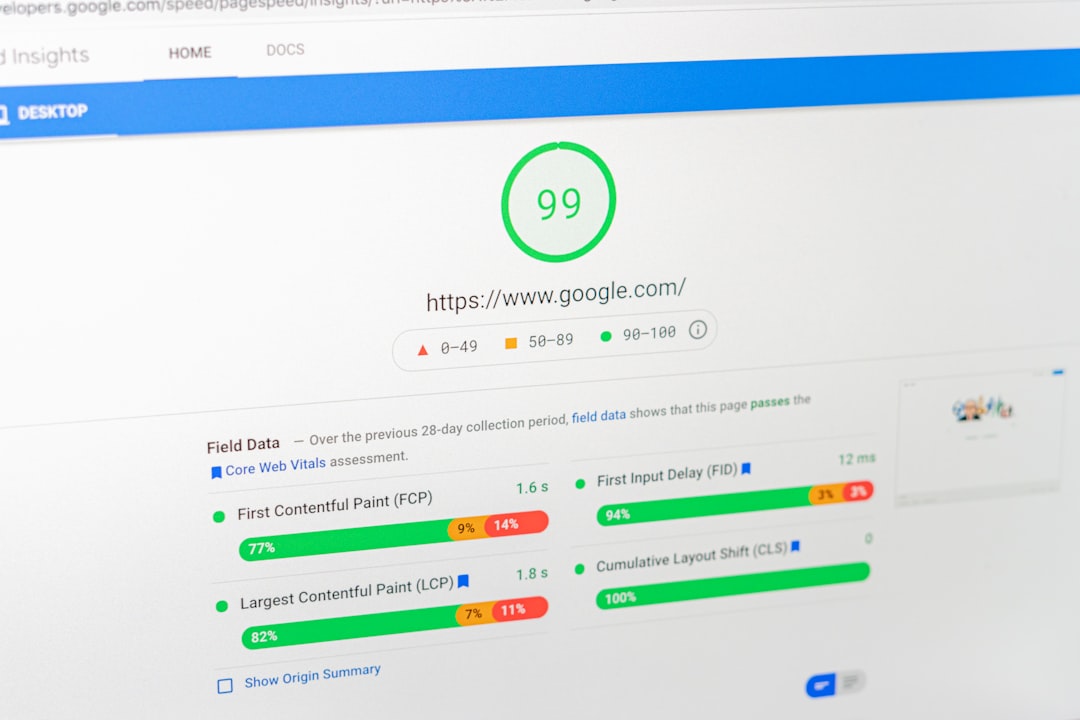
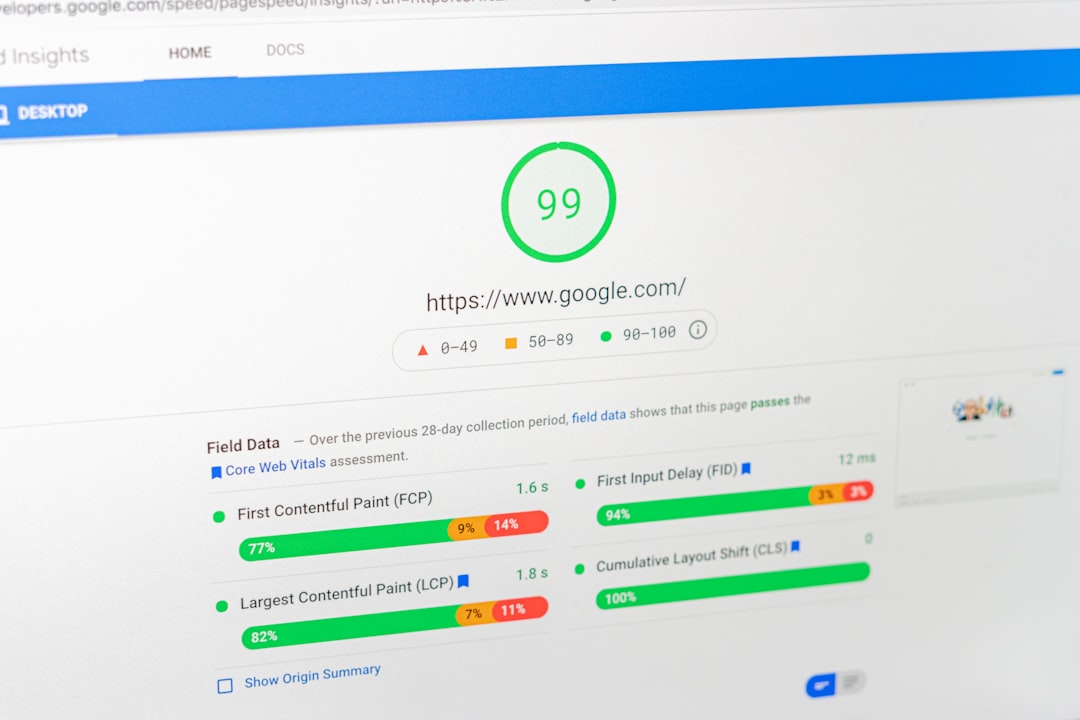
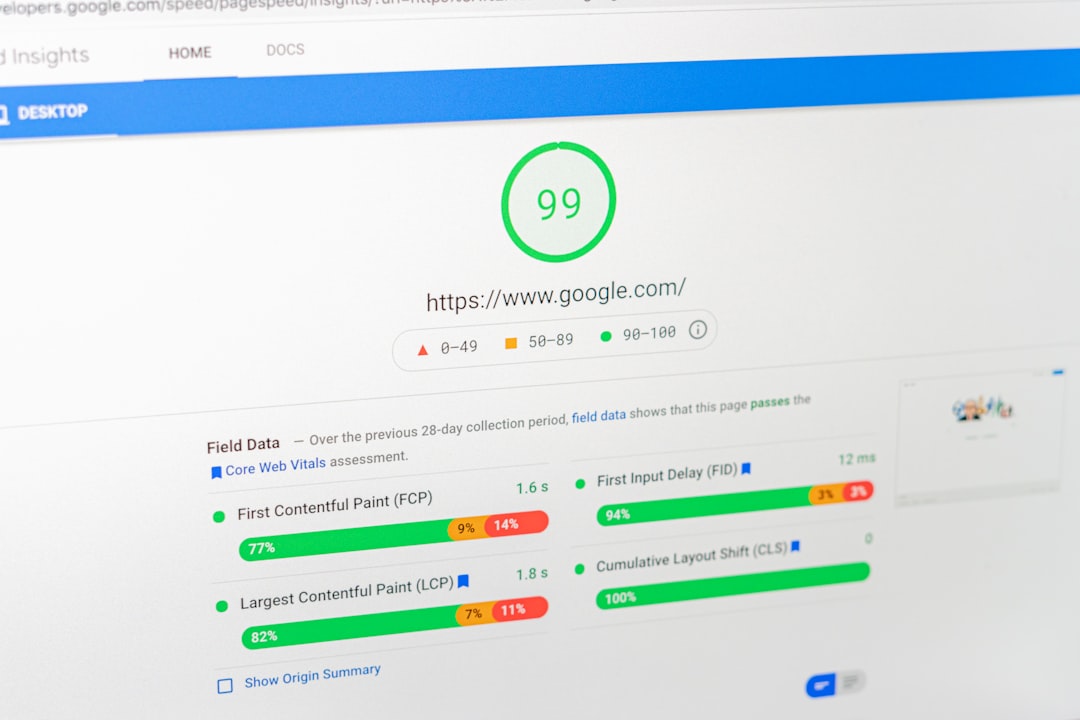
6. Improve Page Speed
Review the elements that may slow down the website.
Common areas include:
- Images
- Plugins
- Scripts
- Caching
- Hosting
- Third-party resources
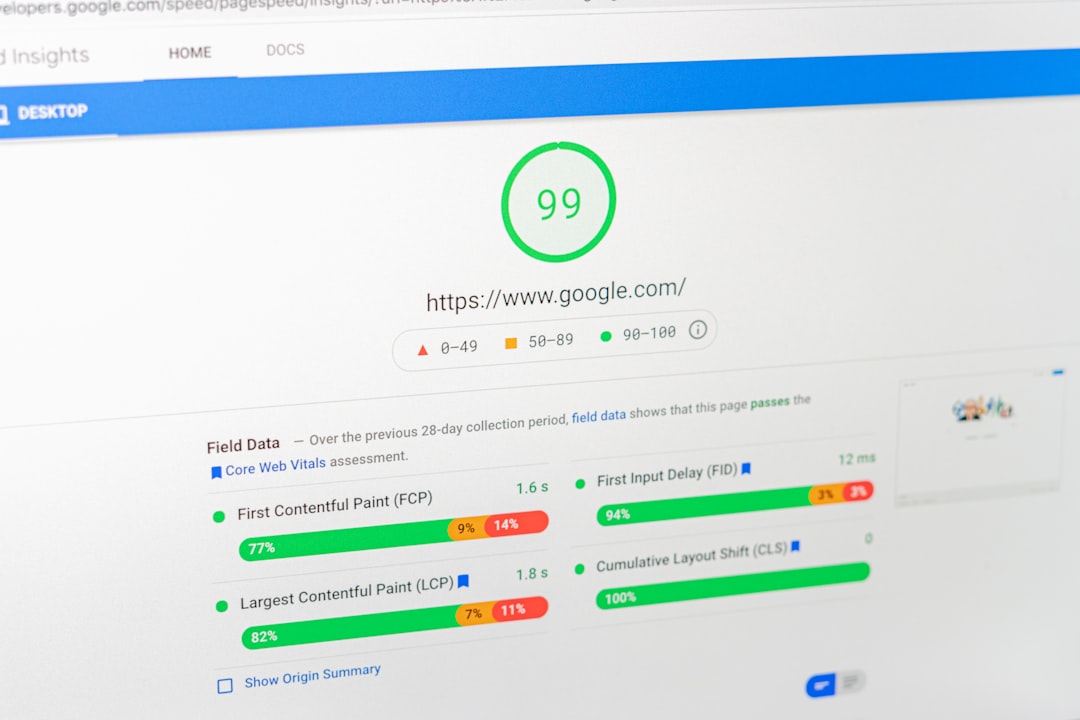
A WordPress SEO company can test performance and prioritize improvements based on actual issues.
7. Make Pages Mobile-Friendly
Important pages should be easy to use on mobile devices.
Check:
- Text readability
- Navigation
- Buttons
- Forms
- Images
- Page loading
A responsive website provides a better experience for visitors using different devices.
8. Keep Content Updated
Searchers want accurate information.
Review older pages periodically and update information when necessary.
An update might involve:
- Replacing outdated examples
- Adding missing information
- Improving headings
- Removing unnecessary sections
- Adding relevant internal links
Do not update content merely to change its publication date; make meaningful improvements.
9. Strengthen Technical SEO

Technical SEO supports the accessibility of the website.
Review:
| Technical Area | What to Check |
|---|---|
| Indexing | Important pages accessible |
| Sitemap | Correct URLs included |
| Robots.txt | No unnecessary blocking |
| Canonicals | Preferred versions correct |
| Redirects | Old URLs handled properly |
| Links | Broken links identified |
10. Build Relevant Authority
Relevant backlinks can support a website’s overall authority.
Potential strategies include:
- Digital PR
- Industry resources
- Partnerships
- Useful guest contributions
- Relevant business listings
Quality and relevance should remain the focus.
11. Monitor Search Data
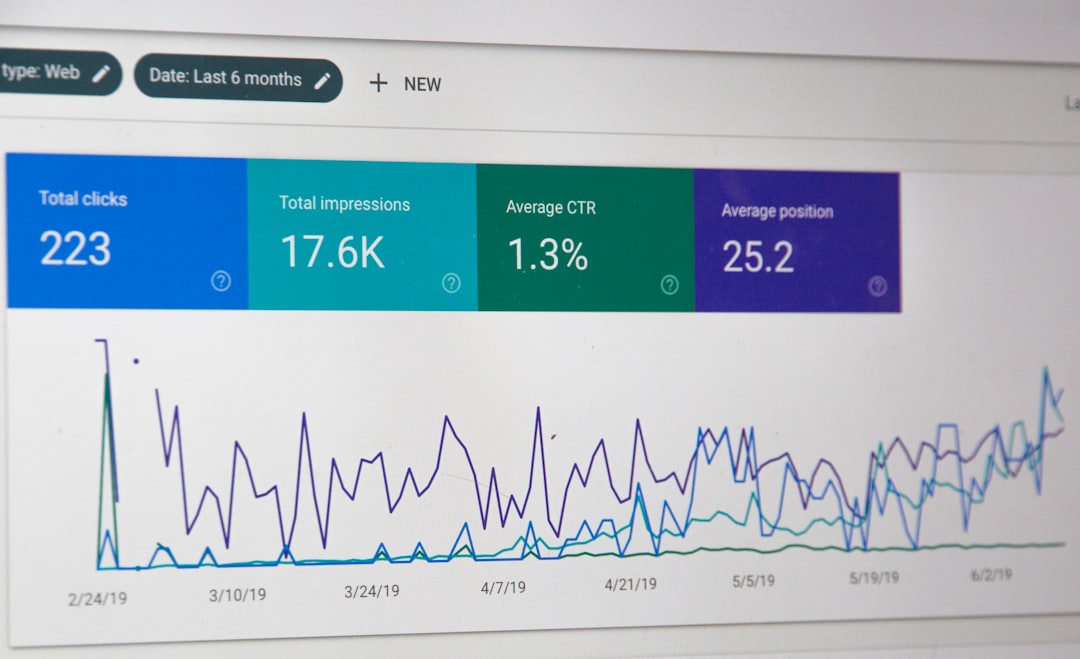
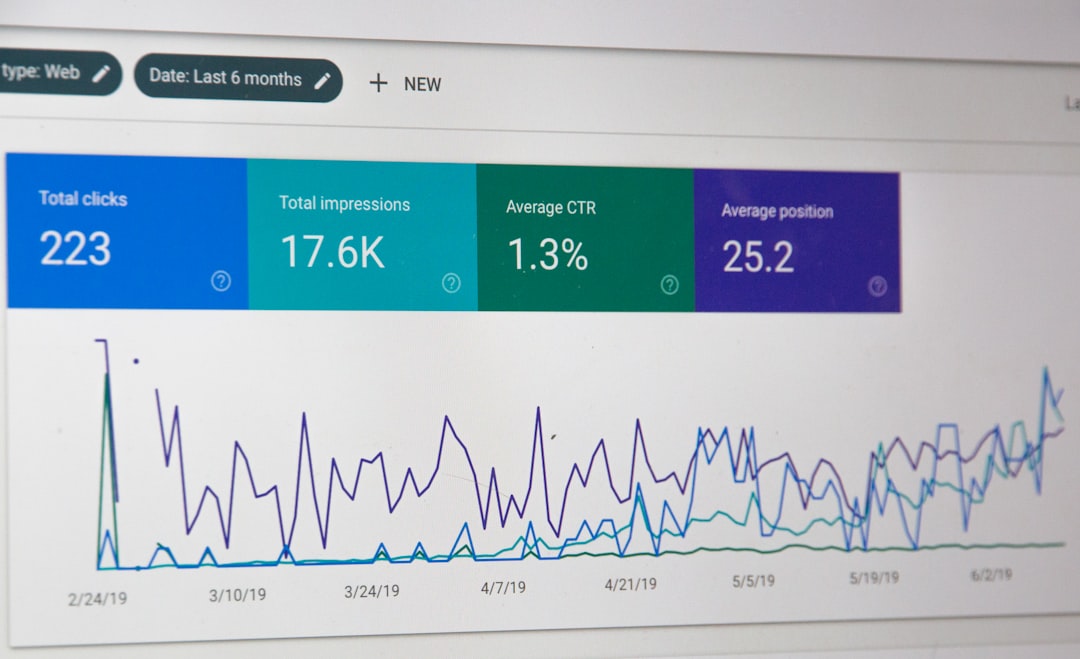
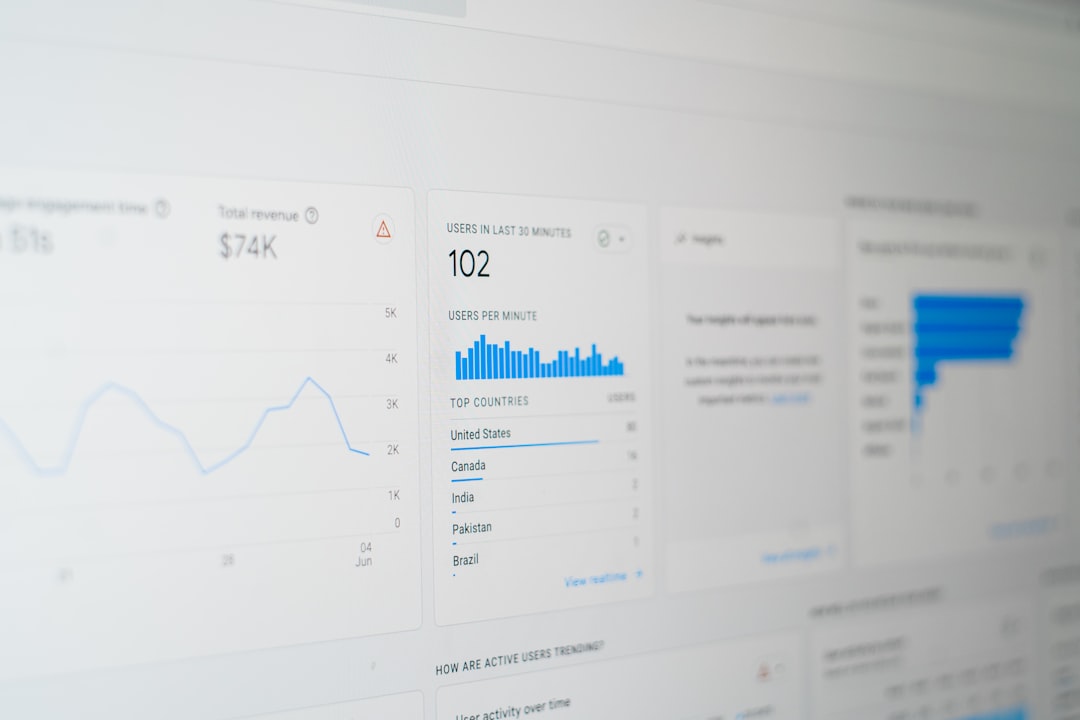
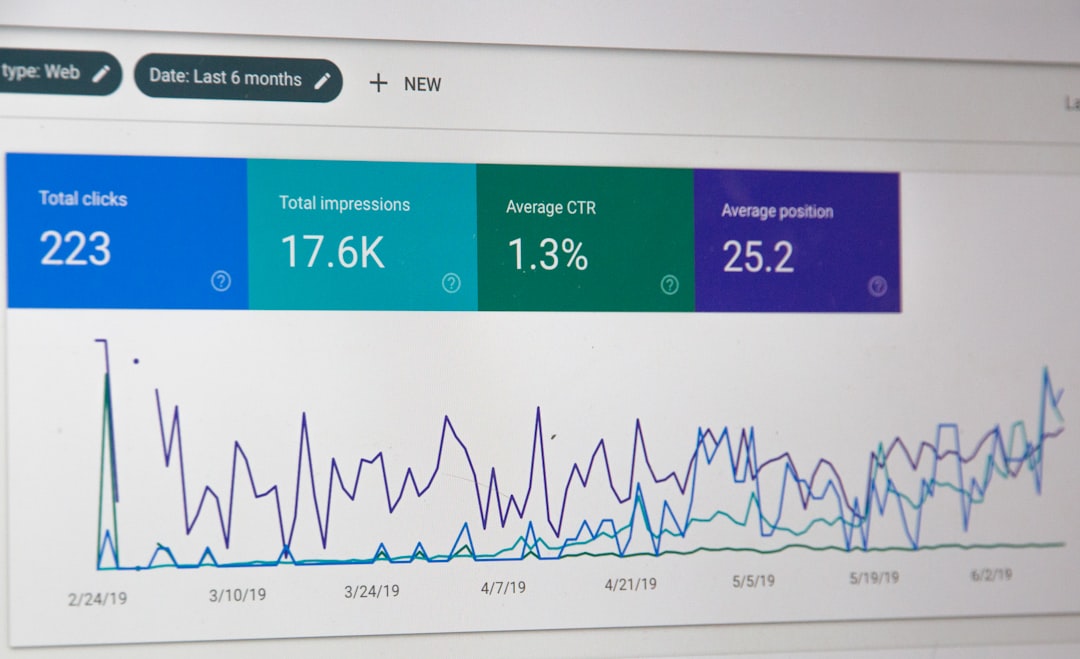
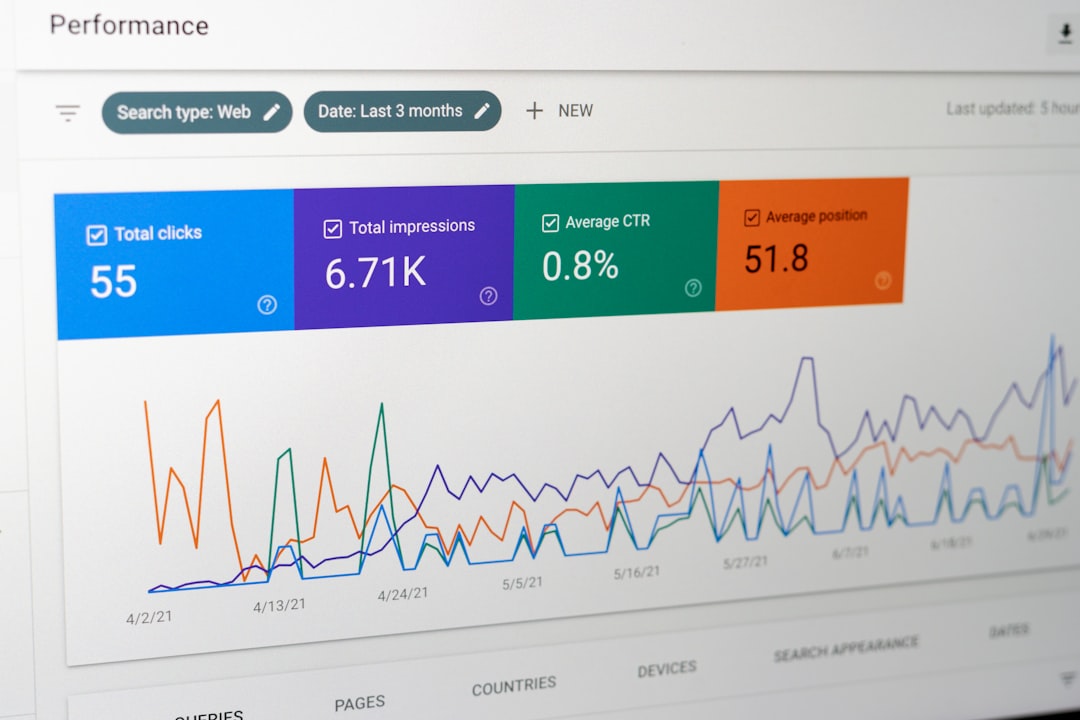
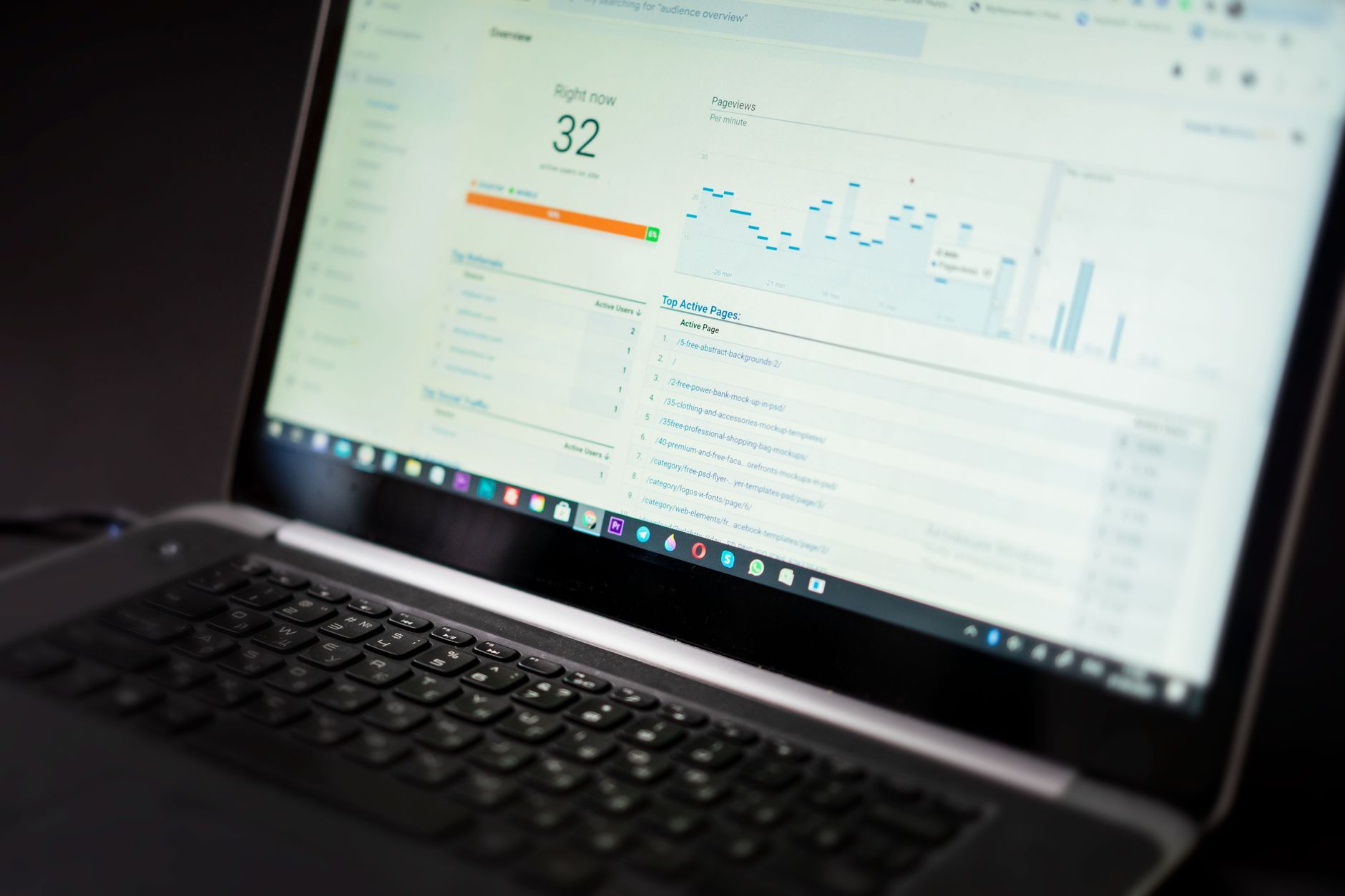
Google search performance data can show how the website is performing.
Monitor:
- Impressions
- Clicks
- CTR
- Search positions
- Landing pages
- Search queries
A page with increasing impressions but few clicks may need a review of its search-result presentation and content relevance.
12. Focus on Business Value
Higher rankings are useful when they attract relevant visitors.
A strong SEO strategy should also consider whether organic visitors:
- Contact the business
- Request a quote
- Purchase products
- Book a service
- Engage with important content
A WordPress SEO company can combine technical SEO, content strategy, on-page optimization, internal linking, performance improvements, and measurement to support these broader objectives.
Rather than chasing individual rankings, the focus should be on building a useful, technically sound website that can earn relevant search visibility over time.