
A business website needs more than an attractive design to perform well in search results. It should be easy for search engines to crawl, simple for visitors to navigate, and useful enough to encourage people to take action.
A WordPress SEO company can help businesses organize these different areas into a practical SEO strategy.
Start With the Website Structure
A clear structure helps both visitors and search engines understand the website.
A typical business website may have:
- Homepage
- About page
- Service pages
- Product pages
- Blog
- Contact page
- Location pages
Important services should not be buried several clicks deep. Visitors should be able to reach key pages easily.
Optimize Service Pages

Service pages are often among the most valuable pages on a business website.
Each page should clearly explain:
- What the service is
- Who it is for
- Main benefits
- How the service works
- Common customer questions
- How to get started
Instead of creating one page for every minor keyword variation, focus on creating genuinely useful service pages that match search intent.
Research Relevant Keywords
Keyword research helps identify what potential customers are looking for.
For business websites, consider keywords based on:
- Services
- Products
- Locations
- Problems
- Questions
- Customer needs
Search volume is useful, but relevance and intent are equally important.
Improve On-Page SEO
Important on-page elements include:
- Page title
- Main heading
- Subheadings
- URL
- Body content
- Internal links
- Images
- Meta description
These elements should work together to clearly communicate the topic of each page.
Avoid forcing keywords into every sentence. Natural language is easier for users to read and makes content more useful.
Create Supporting Content
A business blog can support commercial pages by answering questions related to the company’s services.
For example, a web development company could publish articles about:
- Website maintenance
- Website speed
- Mobile optimization
- Security
- Conversion optimization
These articles can naturally link back to relevant service pages.
Improve Internal Linking
Internal links help visitors discover related information.
A simple structure could look like:
Blog Guide → Related Service → Contact Page
Use relevant anchor text and make sure the linked page provides additional value.
Focus on Mobile Experience
Business websites need to work properly across different screen sizes.
Check:
- Navigation
- Text size
- Buttons
- Forms
- Images
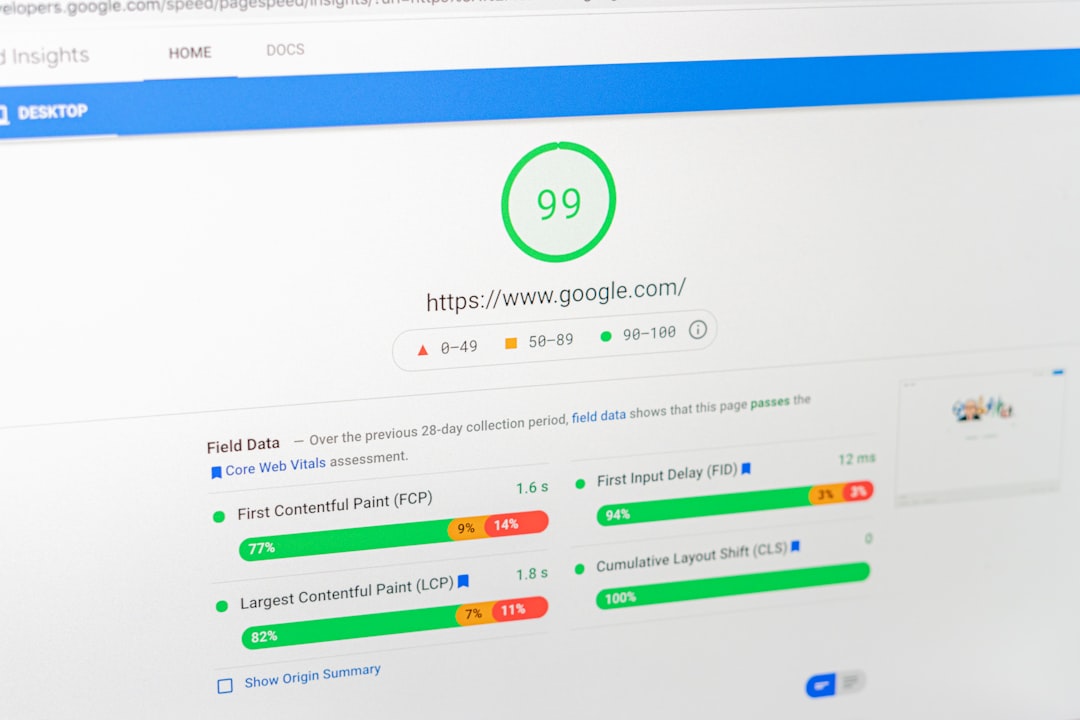
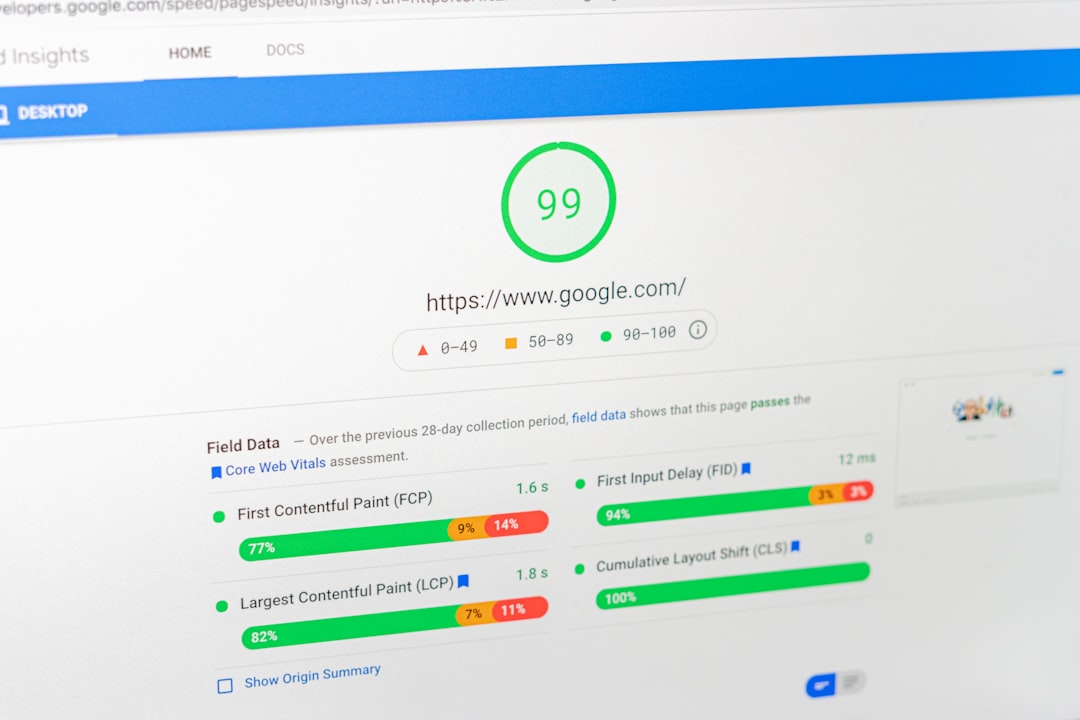
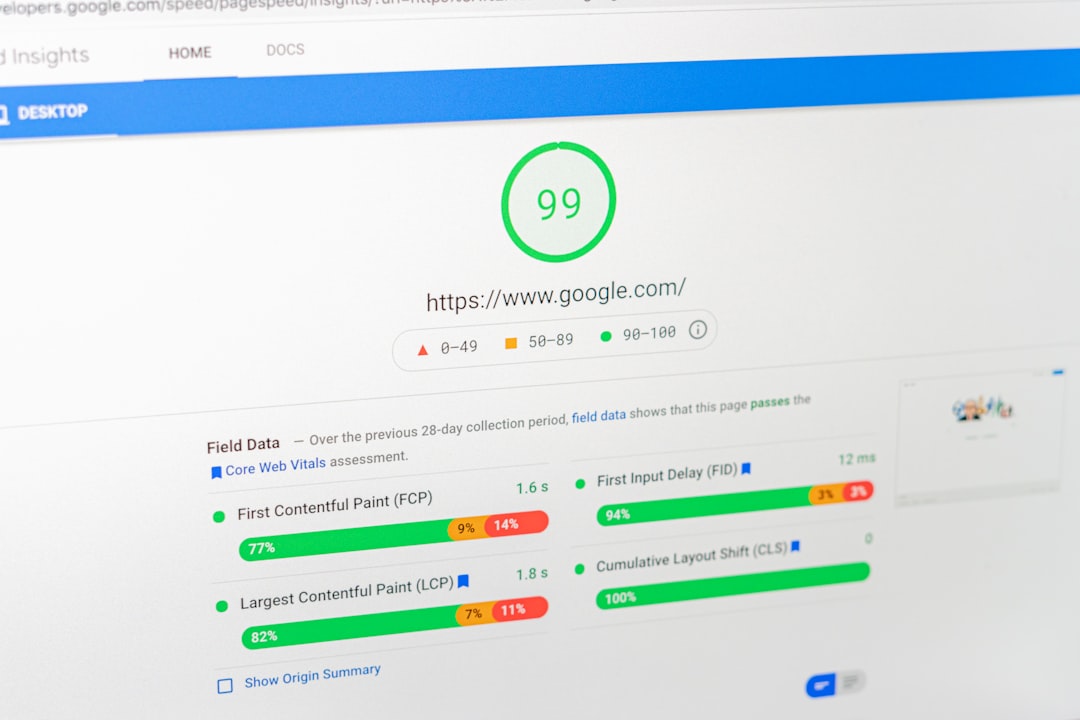
- Page loading
- Layout stability
Mobile usability should be reviewed regularly, especially after major design or plugin changes.
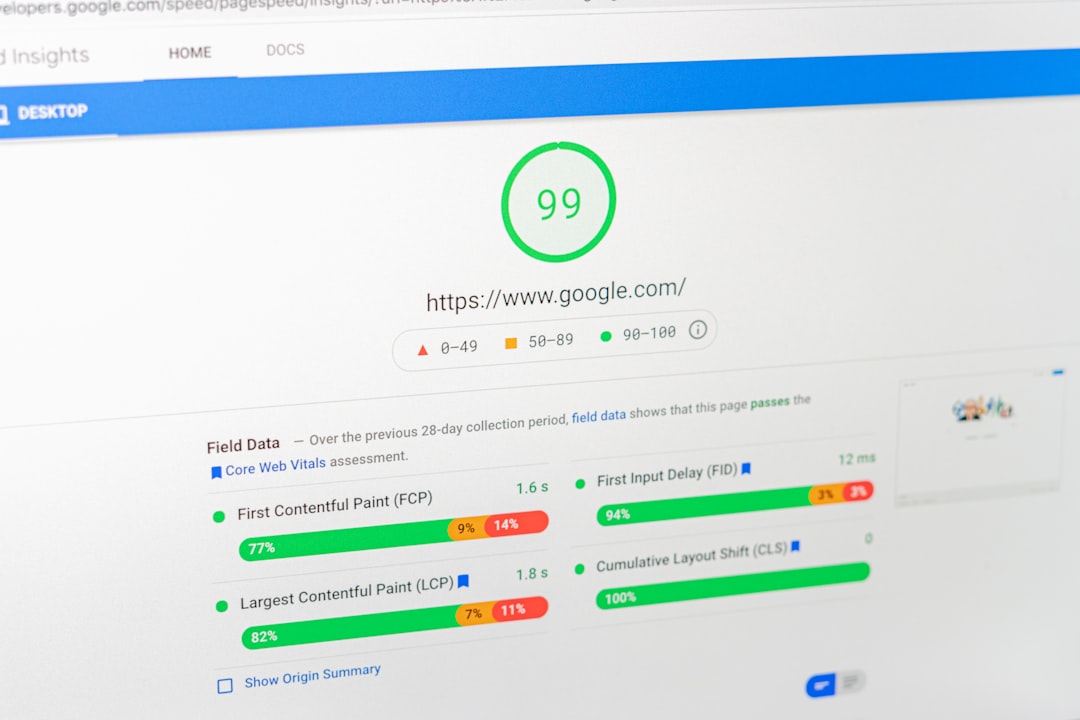
Improve Technical SEO
Technical problems can make it harder for search engines to access important pages.
A WordPress SEO company may review:
| Technical Area | What to Check |
|---|---|
| Indexing | Important pages available to search engines |
| Sitemap | Accurate URLs included |
| Robots.txt | Appropriate crawling instructions |
| Redirects | No unnecessary or broken redirects |
| Links | No important broken links |
| Canonicals | Correct preferred URLs |
Build Local Visibility
Businesses that serve specific locations should make their geographic relevance clear.
Local SEO may involve location pages, accurate business information, Google Business Profile optimization, and genuine customer reviews.
Avoid creating location pages for places the business does not actually serve.
Track Business Outcomes
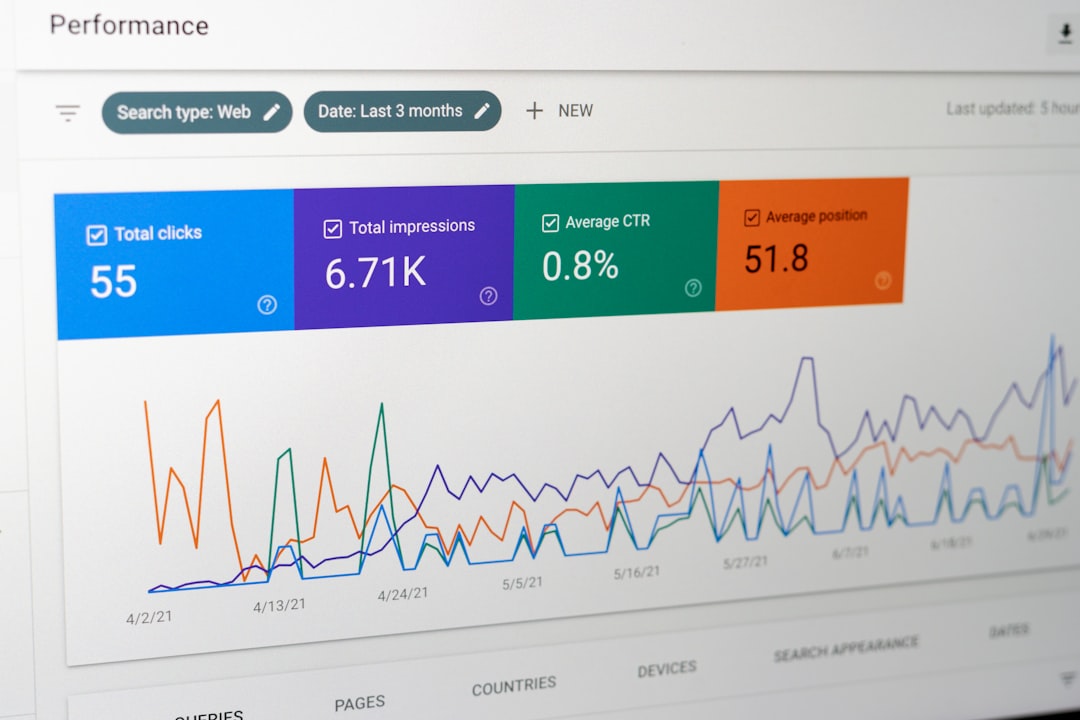
SEO performance should connect to business goals.
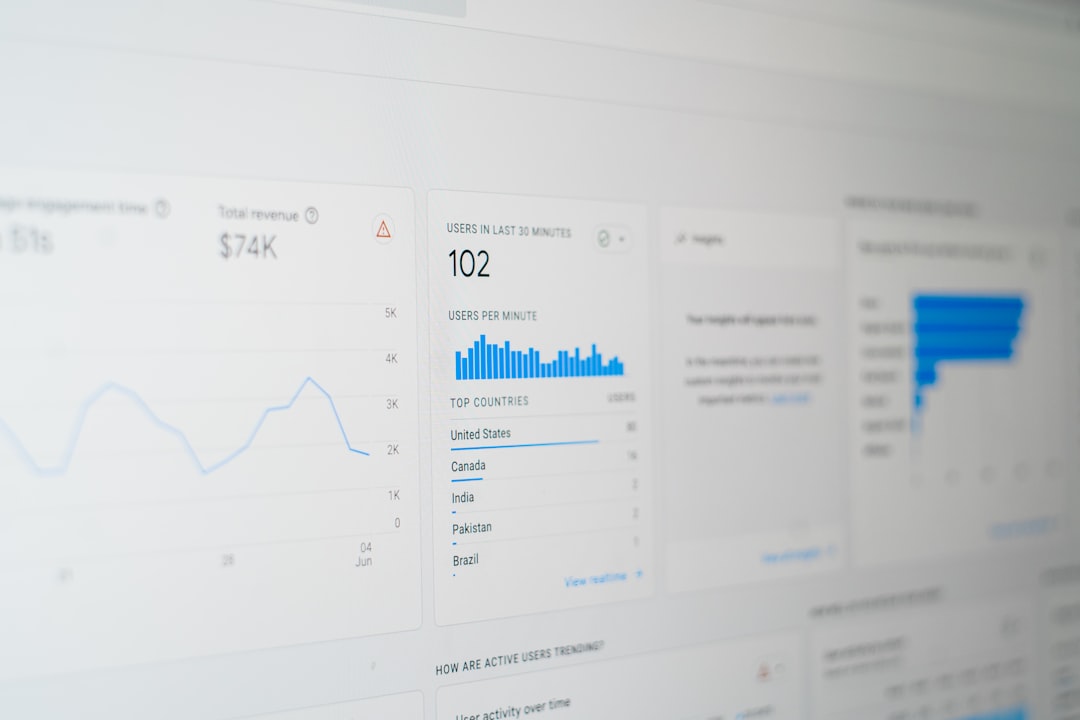
Useful metrics include:
- Organic traffic
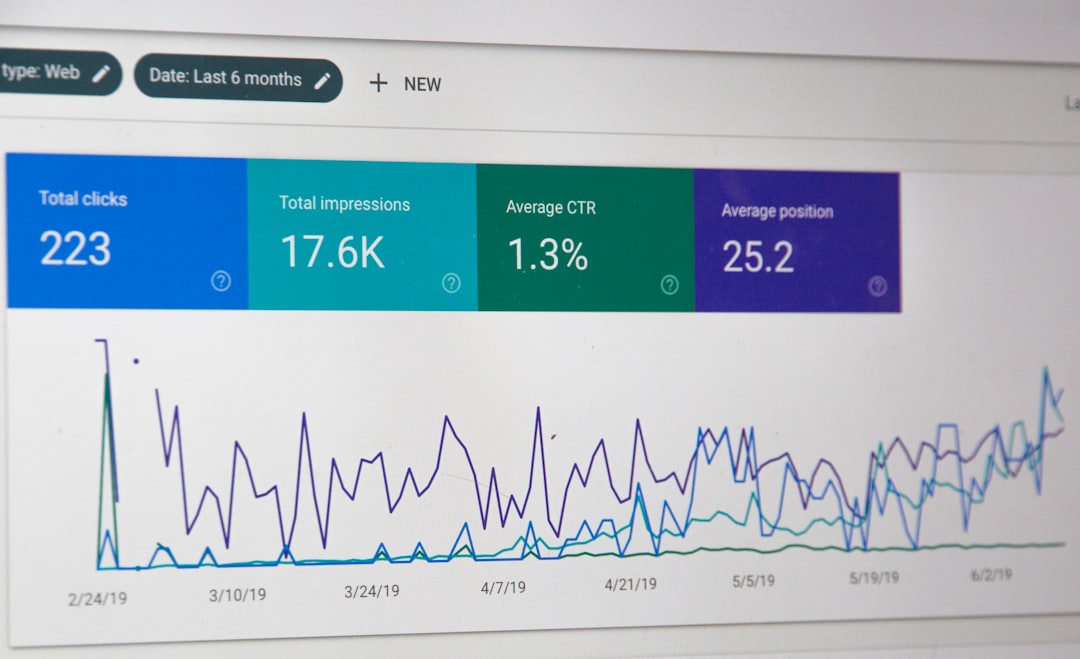
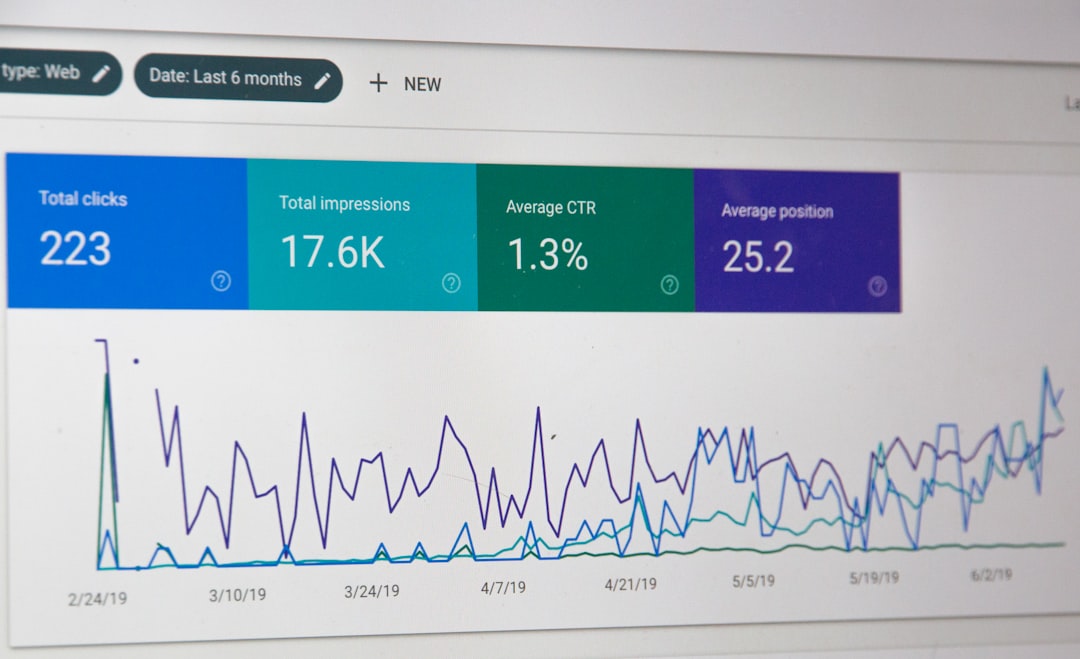
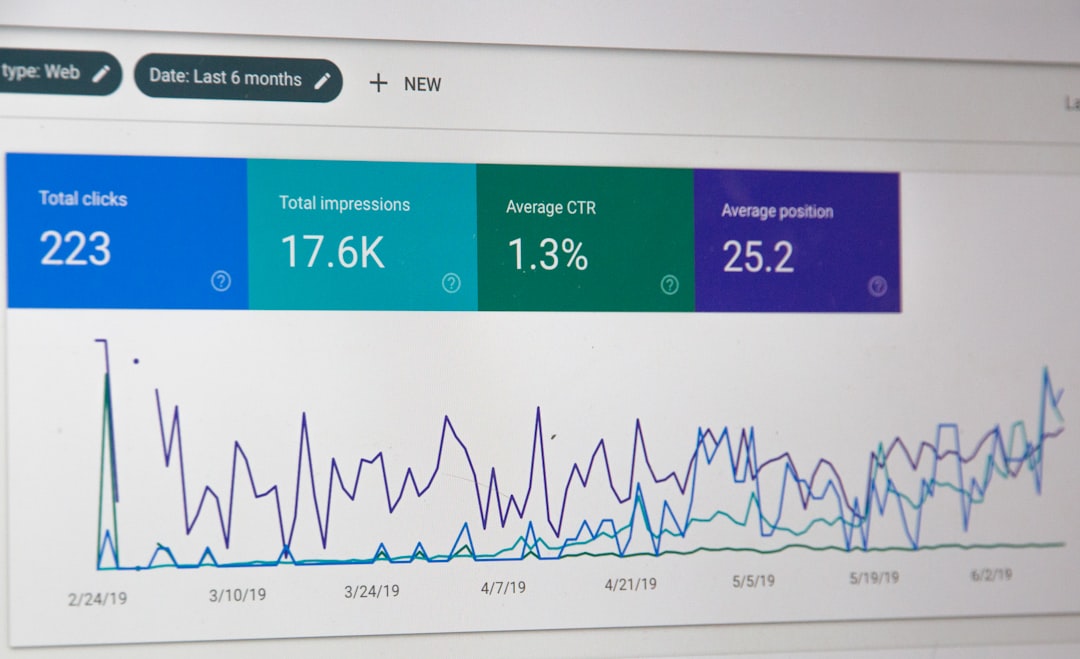
- Search impressions
- Keyword visibility
- Leads
- Form submissions
- Calls
- Sales
- Revenue
For example, a page receiving fewer visitors but generating more qualified leads may be more valuable than a high-traffic informational page.
When a WordPress SEO Company Can Help
Professional SEO support can be useful when a business lacks the time or expertise to manage technical SEO, content optimization, keyword research, and performance monitoring.
A WordPress SEO company can create a structured process based on the website’s goals and audience.
The focus should remain on building a website that is technically accessible, useful to visitors, and aligned with the searches that matter to the business.