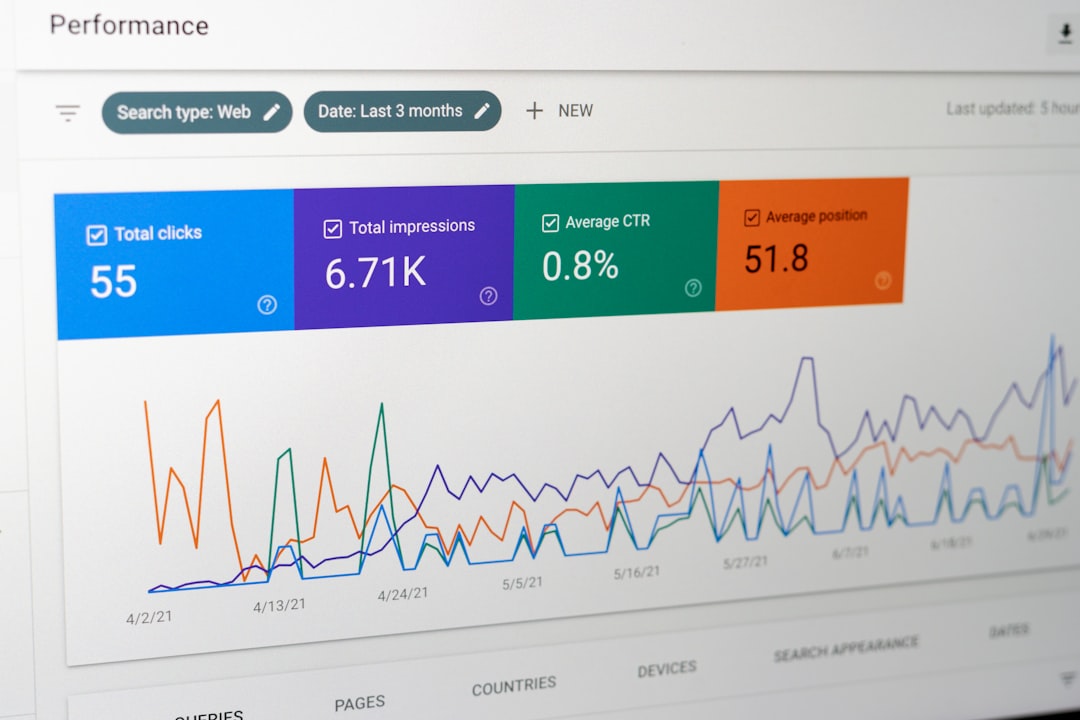

Hiring a WordPress SEO company is only one part of an SEO campaign. Businesses also need a clear way to understand whether the work is improving search visibility and supporting business goals.
SEO performance cannot be measured through a single number. A combination of traffic, visibility, technical improvements, and conversions provides a more complete picture.
Start With Clear Goals
Before measuring performance, define what SEO is expected to achieve.
Common goals include:
- More organic visitors
- Higher visibility for relevant searches
- More leads
- More sales
- Better local visibility
- Improved performance of important pages
The right metrics depend on these goals.
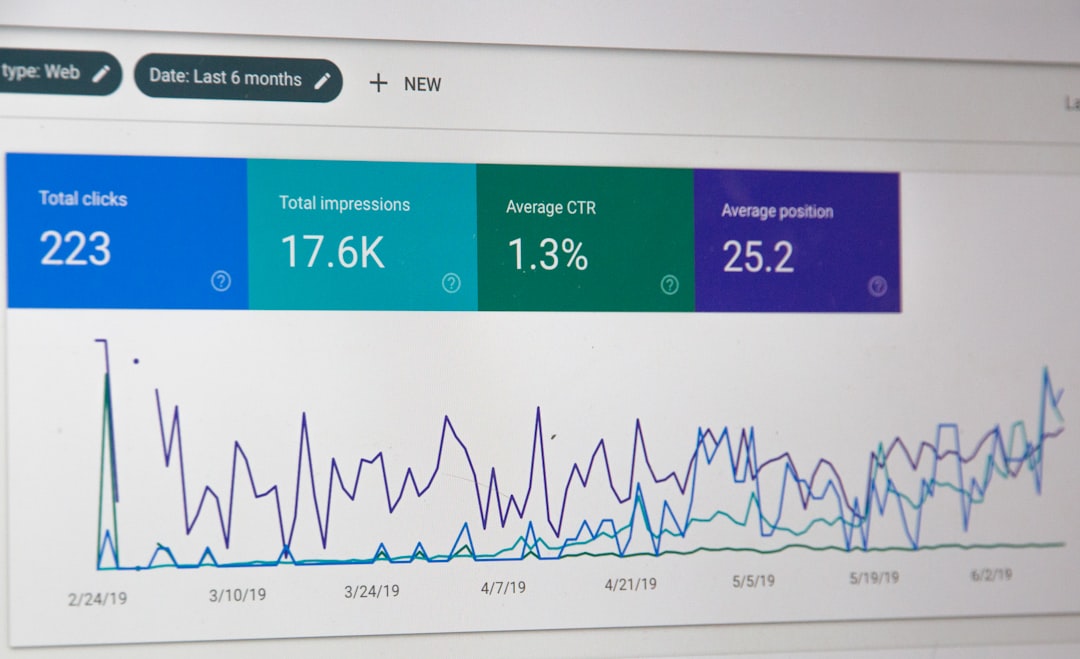
Track Organic Clicks

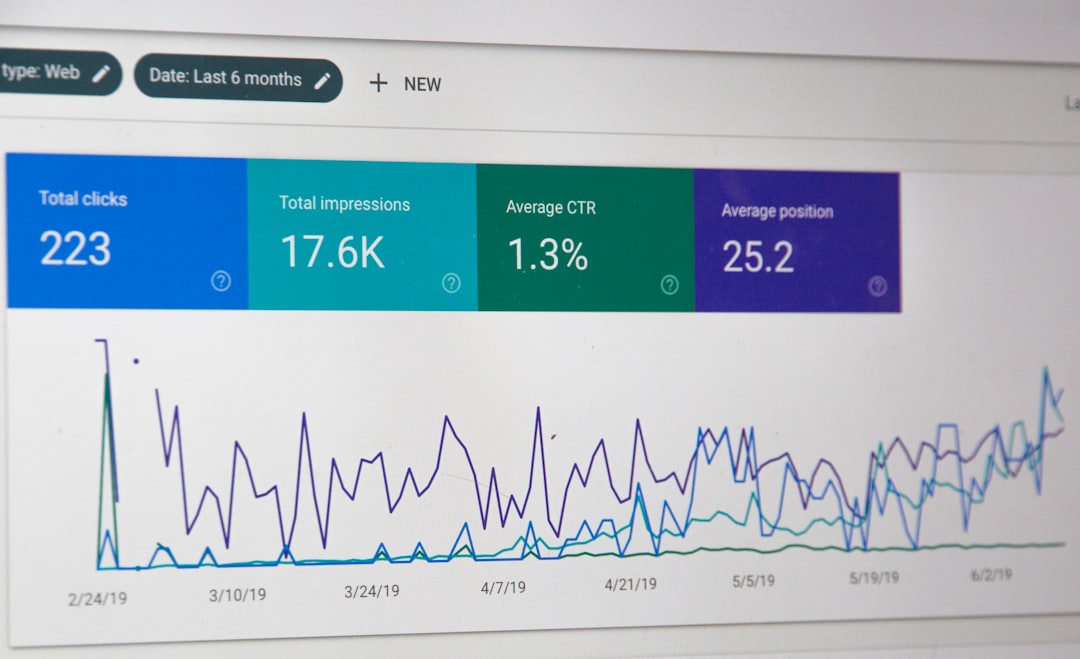
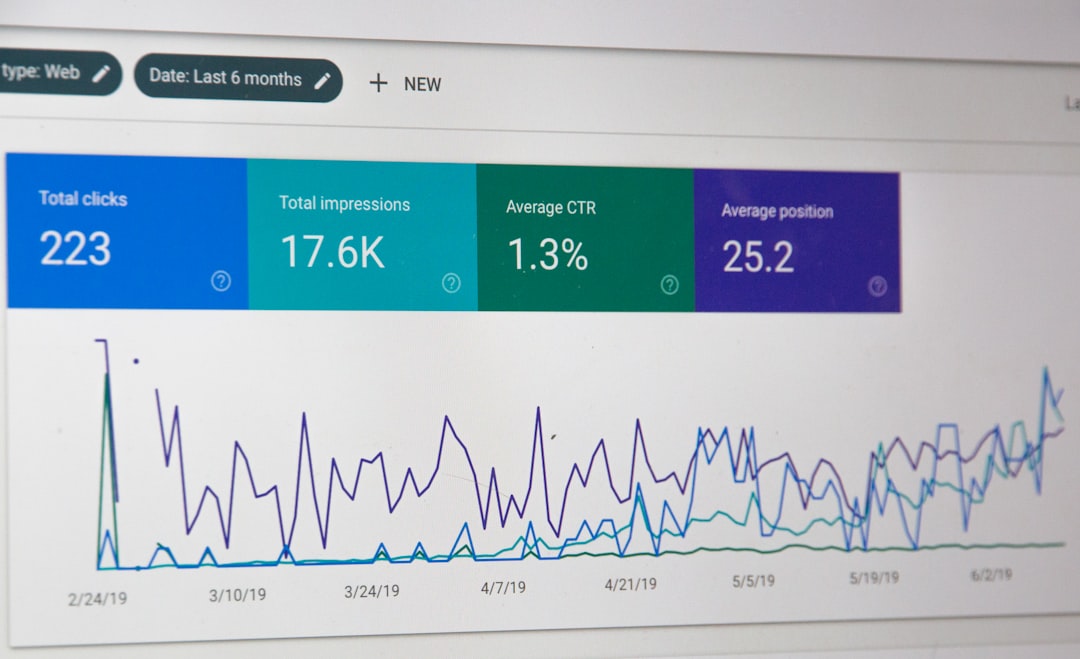
Organic clicks show how many visitors reached the website from search results.
An increase in clicks can indicate improved visibility, stronger rankings, or better search-result engagement.
However, traffic should always be considered alongside visitor quality and conversions.
Monitor Impressions
Impressions show how often website pages appeared in search results.
A website may receive more impressions before it experiences a significant increase in clicks.
This can indicate that the website is becoming visible for a wider range of searches.
Review Keyword Performance
Keyword tracking can help identify which search terms are improving and which require additional work.
A useful keyword report can include:
| Area | What to Review |
|---|---|
| Target keyword | Search term being monitored |
| Current position | Recent ranking |
| Previous position | Earlier ranking |
| Search intent | Purpose behind the query |
| Landing page | Page ranking for the term |
Avoid focusing entirely on one or two keywords. Overall visibility across relevant topics can provide better context.
Measure Click-Through Rate
Click-through rate, or CTR, compares clicks with impressions.
If a page receives many impressions but relatively few clicks, its search-result presentation may need review.
Possible areas to examine include:
- Page title
- Meta description
- Search intent alignment
- Brand recognition
Changing these elements should be based on the page and search query rather than using the same formula everywhere.
Track Conversions
For businesses, conversions can be more meaningful than traffic alone.
Depending on the website, conversions may include:
- Contact form submissions
- Phone calls
- Bookings
- Purchases
- Quote requests
- Newsletter signups
SEO should ultimately support meaningful actions.
Review Important Landing Pages
Not every page contributes equally to a website’s goals.
Review pages that generate:
- Organic traffic
- Leads
- Sales
- Important keyword visibility
If a high-value page is losing traffic, investigate whether there are content, technical, competition, or search-intent changes involved.
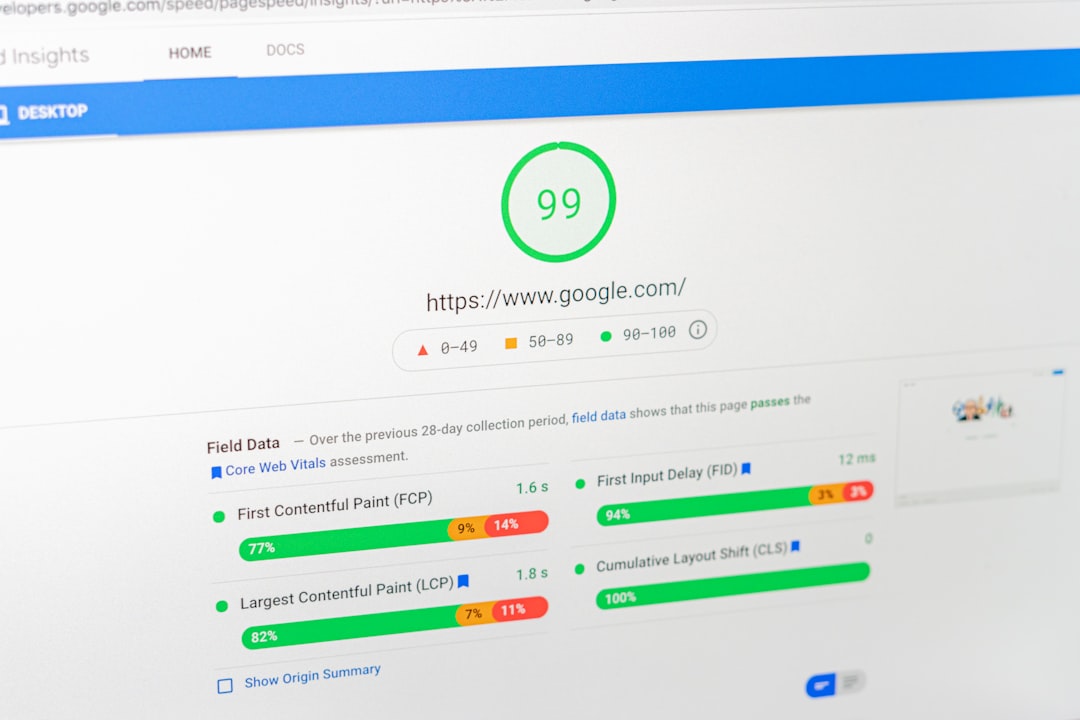
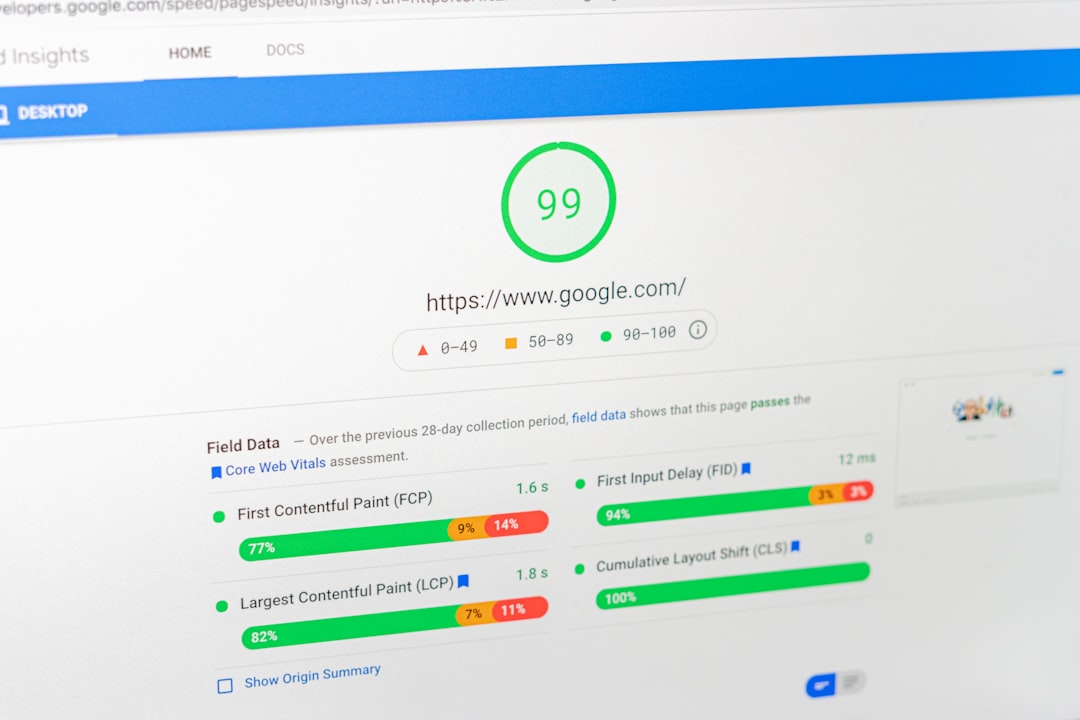
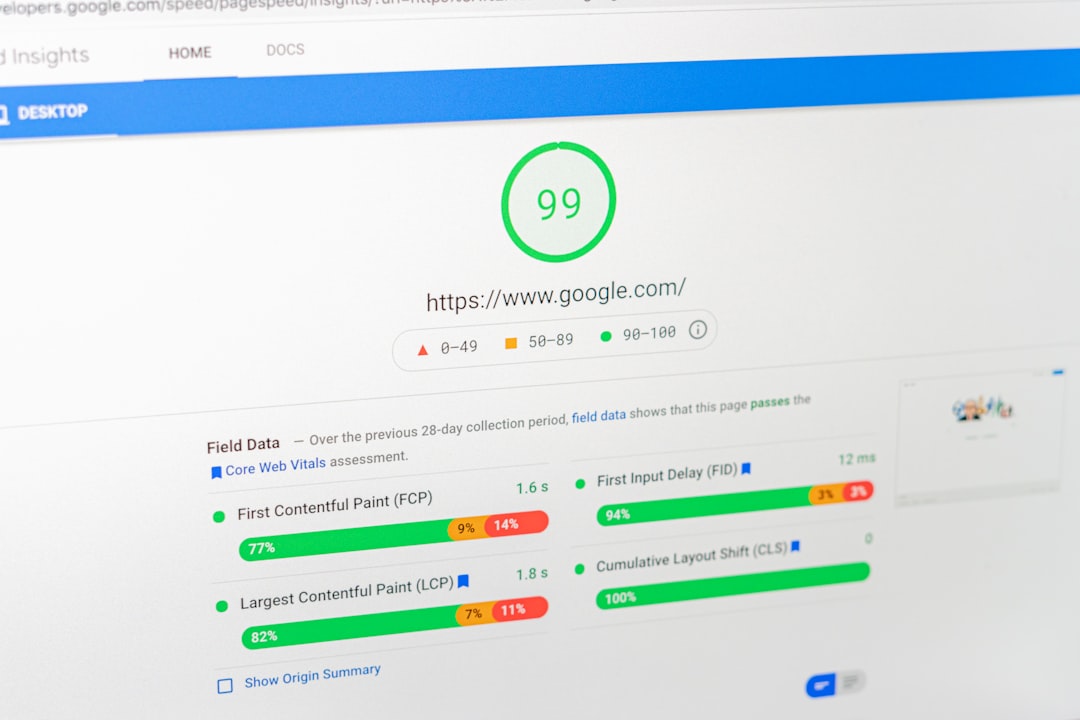
Monitor Technical Improvements
A WordPress SEO company may also track technical progress.
Examples include:
- Reduced broken links
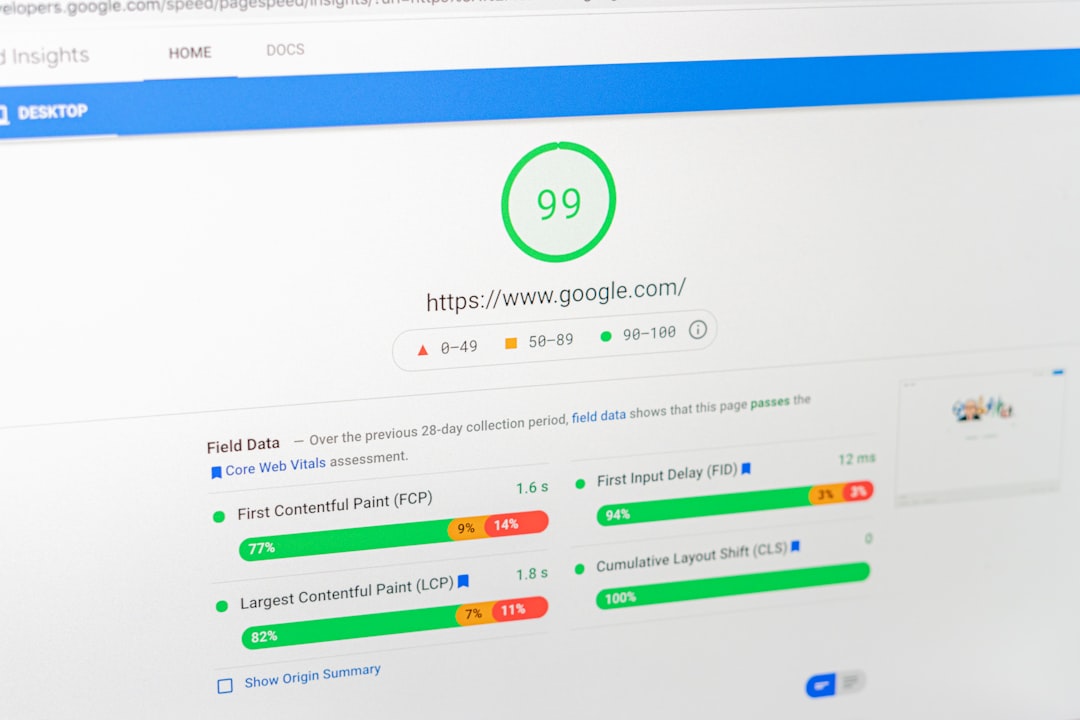
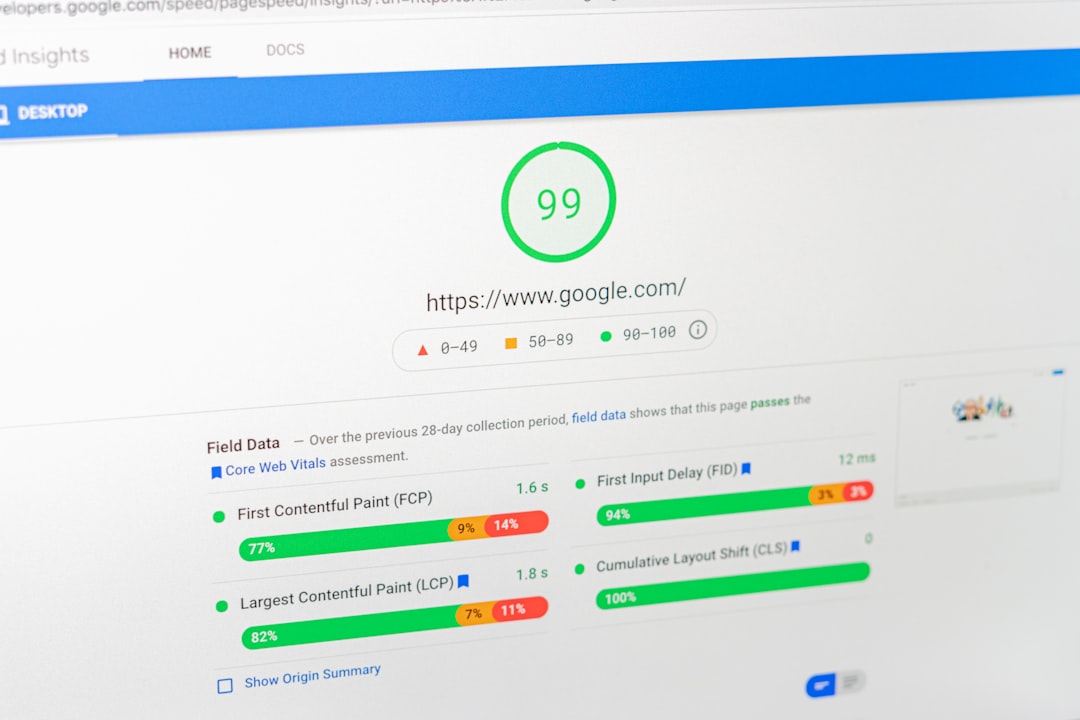
- Improved page speed
- Better mobile performance
- Resolved indexing issues
- Cleaner site structure
- Improved crawlability
These improvements may not immediately produce more sales, but they can create a healthier foundation for SEO.
Compare Data Over Meaningful Periods
SEO performance should be compared across appropriate time periods.
For example:
Current period → Previous period → Previous year
Year-over-year comparisons can sometimes provide useful context when seasonal changes affect traffic.
Avoid making conclusions from very short periods without considering normal fluctuations.
Connect SEO With Business Data
A strong reporting process connects SEO metrics with actual business results.
For example:
Organic visibility → Website visit → Lead → Customer
This makes it easier to understand the practical value of SEO.
Use Regular Reporting
A useful monthly report might include:
- Organic traffic
- Search impressions
- Clicks
- Ranking changes
- Top landing pages
- Conversions
- Technical work completed
- Content published or updated
- Recommended next actions
The report should explain what changed and what will be worked on next.
Measuring a WordPress SEO company’s performance is therefore about more than checking rankings. A balanced approach looks at visibility, website health, traffic quality, and business outcomes to understand whether the SEO strategy is moving in the right direction.