Low rankings usually come from a scattered plan, not one missing plugin. Most WordPress sites do not have one catastrophic problem. They have a stack of smaller issues that compound over time. This checklist helps you fix the issues that block visibility before the ones that only polish it.
If you have been publishing, tweaking plugins, and still not seeing movement, start here. One well-configured SEO plugin is enough. Running overlapping plugins often creates duplicate metadata, conflicting canonicals, and competing sitemap outputs. For a broader baseline, review our WordPress SEO best practices and our comparison of Yoast SEO vs Rank Math before changing your setup.
What should you fix first?
Start with crawlability, indexing, and duplicate URL issues first. If Google cannot reliably reach the right pages, understand site structure, or tell which URL is the main version, better titles and longer content will not do much.
Google recommends making links crawlable with standard HTML anchor elements, using descriptive anchor text, writing concise and descriptive title text, and creating people-first content instead of search engine-first pages. It also notes that unique meta descriptions can help summarize pages when they are useful for searchers.
| Priority | What to check | Why it matters |
|---|---|---|
| 1 | Indexing rules and crawl access | Pages cannot rank if search engines cannot reach or index them properly |
| 2 | Canonical and redirect setup | Prevents duplicate URL confusion and diluted signals |
| 3 | Title tags and page intent | Improves relevance and click-through potential |
| 4 | Internal linking | Strengthens discovery, hierarchy, and topic relationships |
| 5 | Speed and template performance | Improves usability and page experience |
| 6 | Content depth and formatting | Helps pages satisfy search intent more clearly |
| 7 | Schema and sitemap hygiene | Supports cleaner technical signals |
WordPress SEO checklist
Use this checklist in order. The goal is not a perfect plugin score. The goal is a site that loads cleanly, is easy to crawl, and gives every important page a clear job.
1. Confirm your important pages can be indexed

Check whether your service pages, product categories, and key blog posts are indexable before you touch anything else. A noindex setting, blocked template, or accidental staging configuration can quietly suppress rankings for weeks.
Review your SEO plugin settings, page-level robots controls, and search engine visibility settings inside WordPress. Then confirm that your important URLs return a normal status code, are linked from crawlable pages, and appear in your XML sitemap if they are meant to rank.
2. Use one SEO plugin, not several
Keep one primary SEO plugin and remove overlapping tools. Multiple SEO plugins often create conflicting titles, schema, canonicals, breadcrumbs, and sitemap files that make troubleshooting harder than it needs to be.
Pick the plugin that matches your workflow, then configure the essentials first: title templates, meta descriptions, sitemap settings, archive indexing rules, and social defaults. If you are still deciding, our Yoast SEO vs Rank Math comparison can help you make a cleaner choice without stacking tools.
3. Rewrite weak title tags
Write titles for humans first, then make sure they are specific enough for search engines. Google recommends descriptive, concise titles and warns against keyword stuffing and repetitive boilerplate across pages.
| Weak title | Stronger title |
|---|---|
| SEO Services | SEO Company | SEO Expert | WordPress SEO Services for Small Businesses |
| Blog | WordPress SEO Tips for Service Businesses |
| Best Plugins, SEO Plugins, WordPress Plugins | Best WordPress SEO Plugin for Small Business Sites |
Do not force every variation of a keyword into the title. A clear title that matches the page usually performs better than a stuffed one that reads like a list.
4. Improve meta descriptions where CTR matters
Meta descriptions do not need to be perfect, but they should be unique on your important pages. Google may use the meta description as the search snippet when it better summarizes the page for users.
Focus on service pages, high-impression blog posts, and category pages first. Write short descriptions that explain what the page offers and why someone should click, instead of repeating keywords or copying the same line across the site.
5. Fix duplicate URLs before publishing more content
Canonical confusion can hold back solid pages even when the content is good. If search engines see several similar URLs, they may split signals or spend time crawling low-value versions instead of the page you actually want to rank.
Common WordPress trouble spots include tag archives, attachment pages, search results, trailing slash inconsistencies, URL parameters, and WooCommerce filter URLs. Decide which version is the main one, link to that version internally, and redirect outdated variants where appropriate.
6. Strengthen internal linking with descriptive anchors

Internal links help search engines discover pages and understand which topics matter most on your site. Google recommends anchor text that is descriptive, concise, and relevant to the destination page.
Link broad informational posts to service pages, connect related articles, and make sure important pages are not isolated. If a page only appears in your sitemap and nowhere in your site structure, it is probably not supported well enough.
If you are not sure where link equity is getting lost, WordPress SEO Expert can help. This is often where rankings stall even when the content itself is decent.
7. Simplify your site structure
Keep your structure simple enough that users and search engines can understand it quickly. Important pages should be easy to reach, logically grouped, and not buried several clicks deep under vague categories.
For service sites, keep core offerings close to the main navigation. For blogs, use a small number of meaningful categories instead of dozens of overlapping tags. For WooCommerce stores, review faceted navigation carefully so filters do not create endless low-value crawl paths.
8. Improve speed at the template level

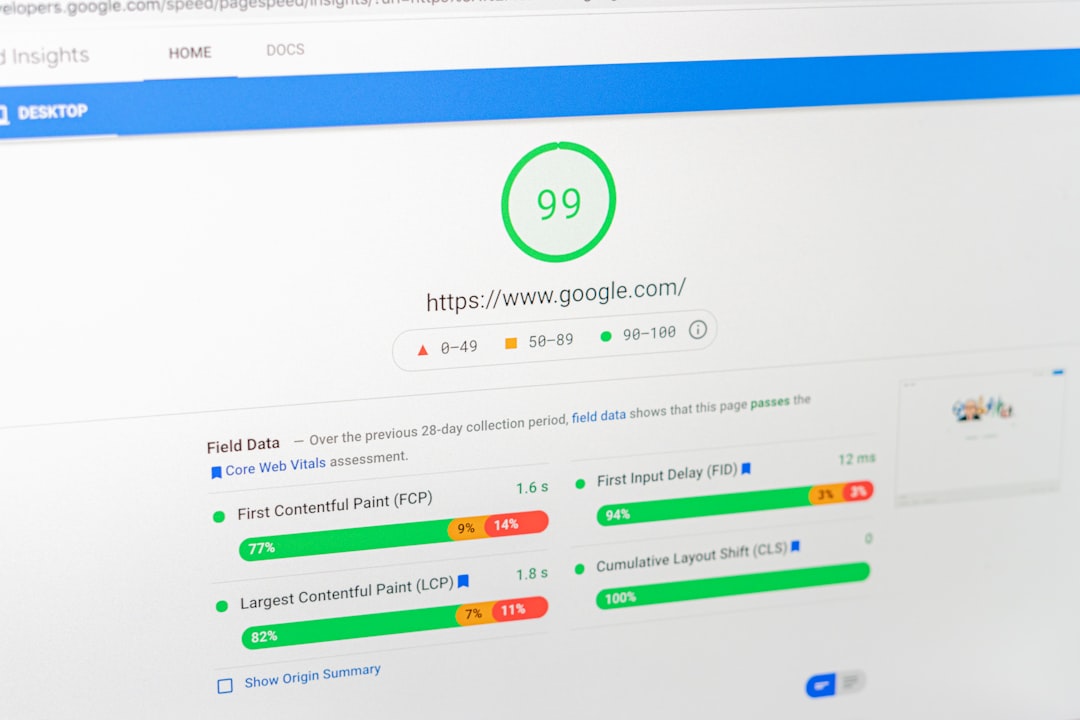
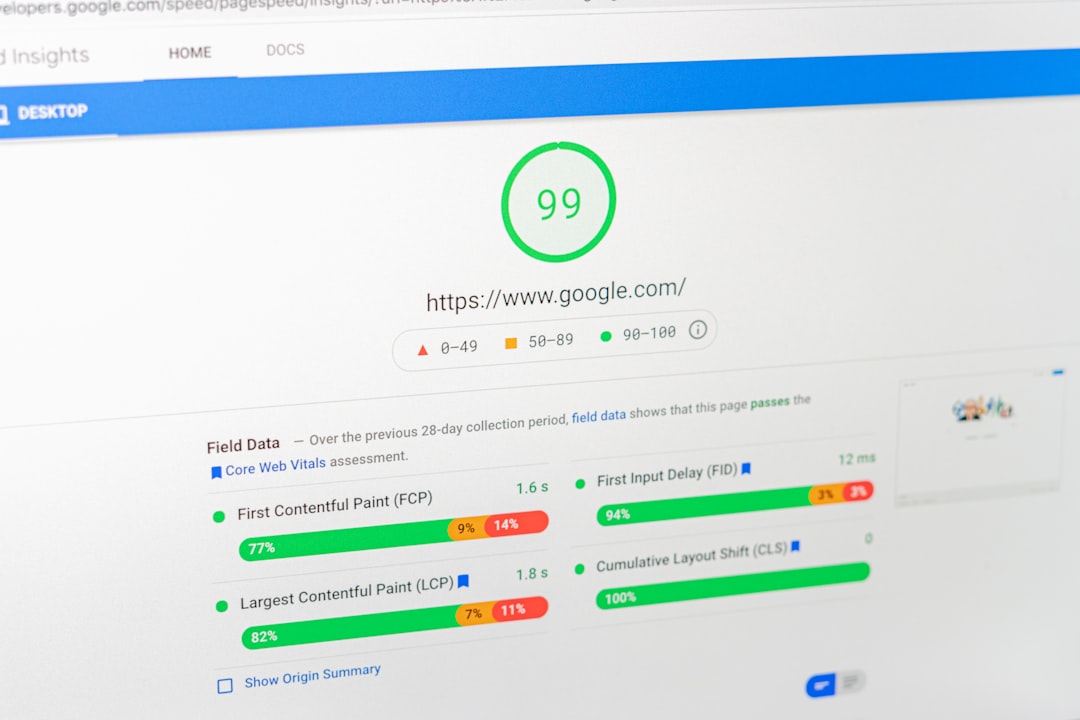
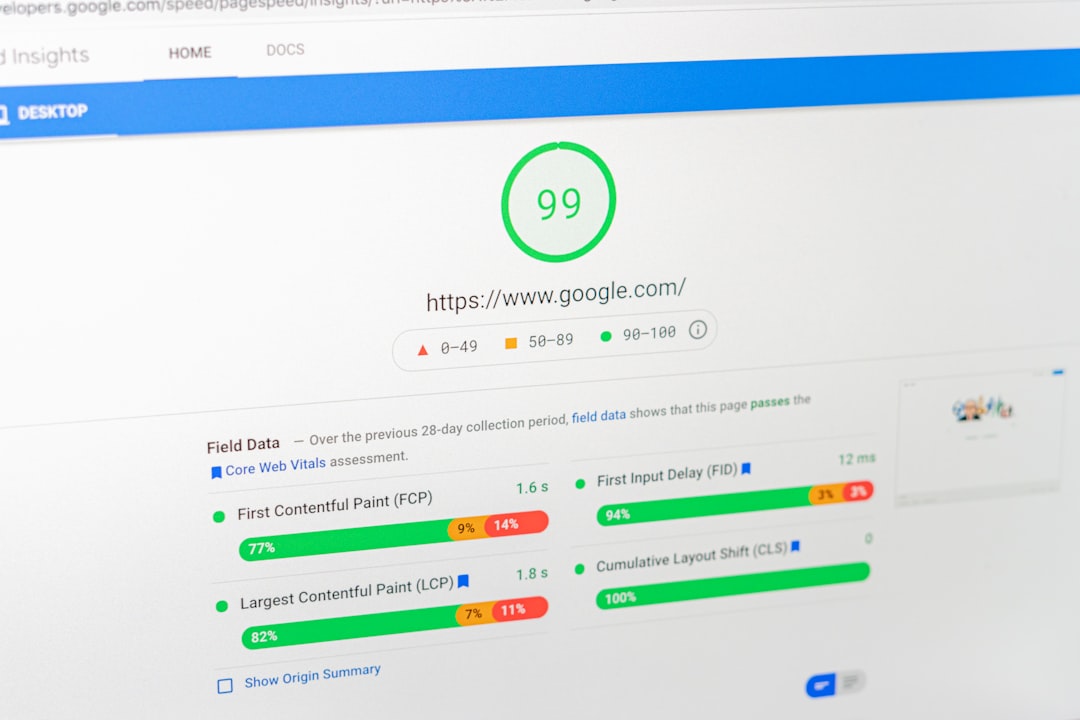
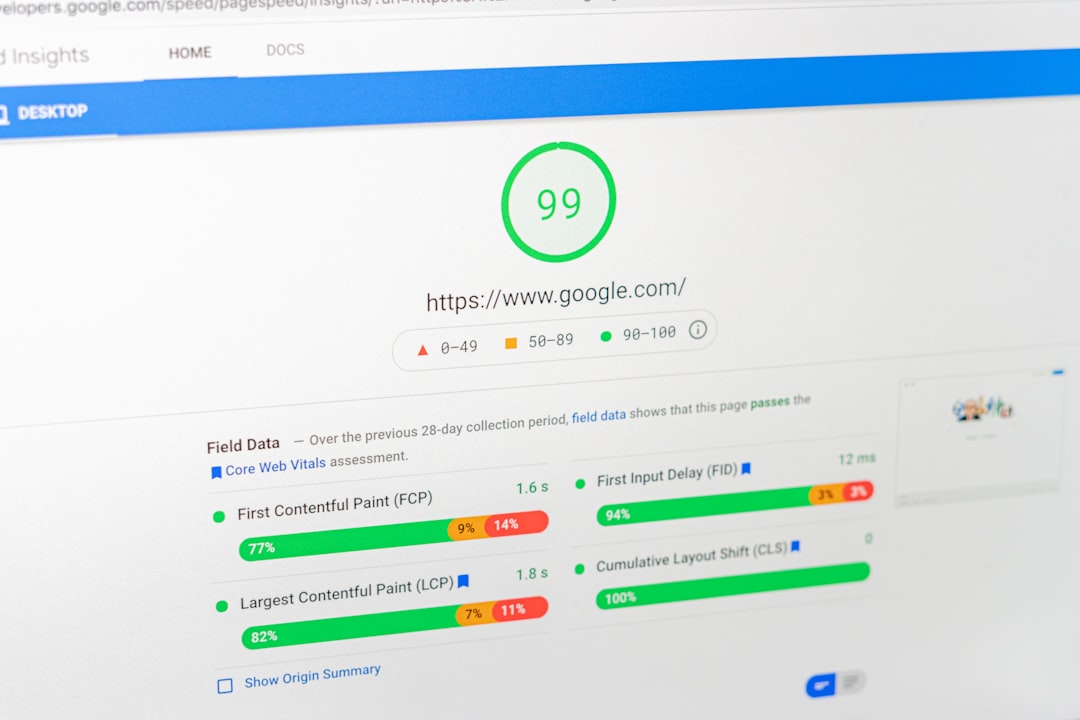
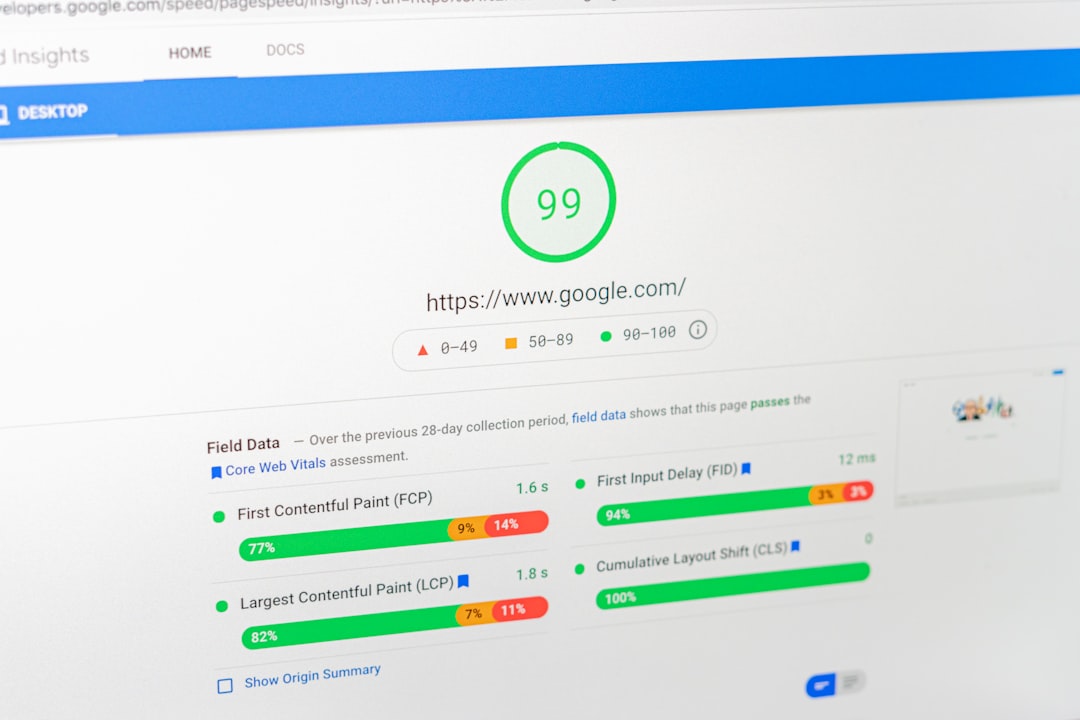
Page speed matters most when it affects usability on your main templates. You do not need a perfect score. You need a site that loads cleanly on the pages that drive leads, sales, and first impressions.
Test your homepage, service pages, product pages, and blog post template separately. Remove plugins you do not need, compress oversized images, enable caching, and review scripts added by themes, builders, and marketing tools. If you want the bigger framework around this, our WordPress SEO best practices guide gives you the broader context.
9. Format content around search intent
Content should answer the query clearly and quickly before expanding. Google recommends people-first content that is made to help users, not pages built mainly to manipulate rankings.
Use one clear H1, direct subheadings, short paragraphs, and sections that solve the reader’s next question. Avoid publishing several thin pages for slight keyword variations when one stronger page can cover the topic better.
10. Keep schema and sitemaps clean
Schema and XML sitemaps support your SEO setup, but they do not rescue weak architecture or thin content. Treat them as cleanup work that reinforces the main signals you have already fixed.
Make sure your sitemap reflects the pages you actually want indexed. Review schema output to avoid duplicate or misleading markup from overlapping plugins or theme features. Cleaner output is usually better than more output.
What to stop doing
Stop chasing green lights as if they are rankings. A green light in an SEO plugin does not mean the page deserves to rank, and it does not mean the technical setup is clean.
Also stop publishing thin near-duplicate posts, stacking SEO plugins, and spending hours polishing low-value pages while high-value pages still have crawl, title, or canonical problems. Fix the issues that block visibility before the issues that polish visibility.
When to get outside help
If your rankings are flat after you work through this checklist, the issue is usually not effort. It is usually prioritization. You may be fixing page-level details while the real problem sits in crawl paths, internal links, duplicate URLs, or weak page targeting.
If you are experiencing these symptoms, our team at WordPress SEO Expert can help. We will look at what your site actually needs, what is getting in the way, and whether your current setup is helping or quietly hurting performance.
The best next step
Start with your highest-value pages first. Review the pages tied directly to leads or sales, the pages already getting impressions, and the pages closest to page one. That is where focused SEO work usually pays off fastest.
Contact WordPress SEO Expert today to schedule a consultation. Book a free SEO consultation. No pitch, no pressure. Just an honest look at what your site actually needs and whether your current setup is part of the solution or part of the problem.