Low rankings usually come from a scattered plan, not one missing plugin. Most WordPress SEO checklist problems happen because smaller issues stack up: indexing rules, conflicting plugin settings, weak titles, thin internal linking, and duplicate URLs. Fix the issues that block visibility before the issues that polish visibility.
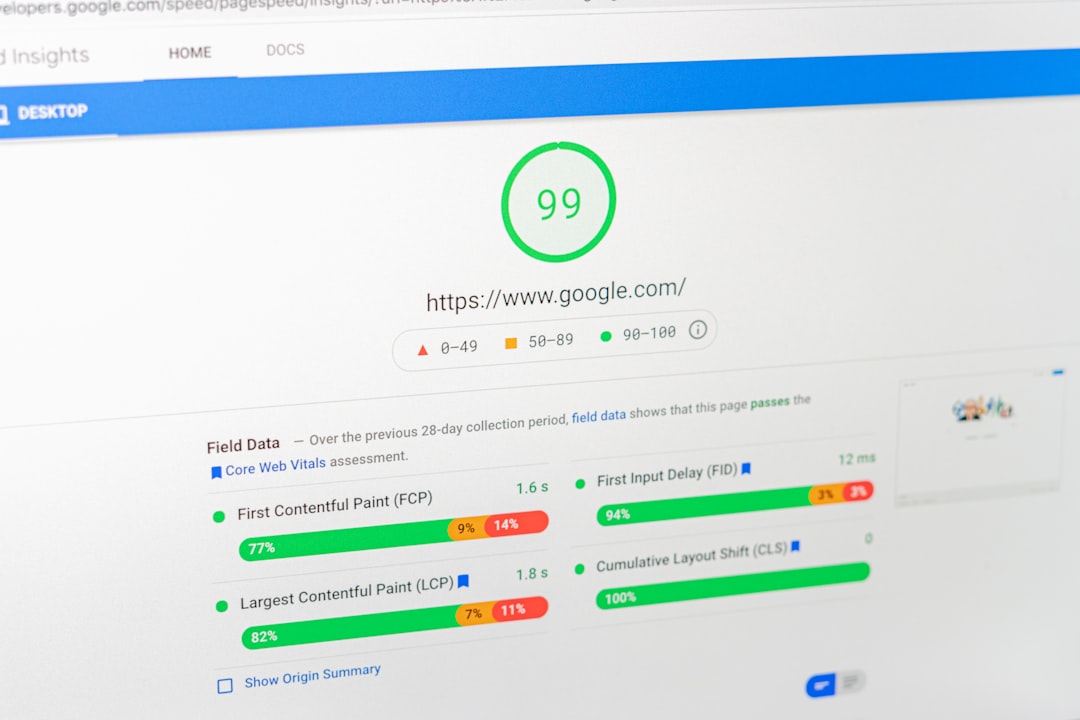
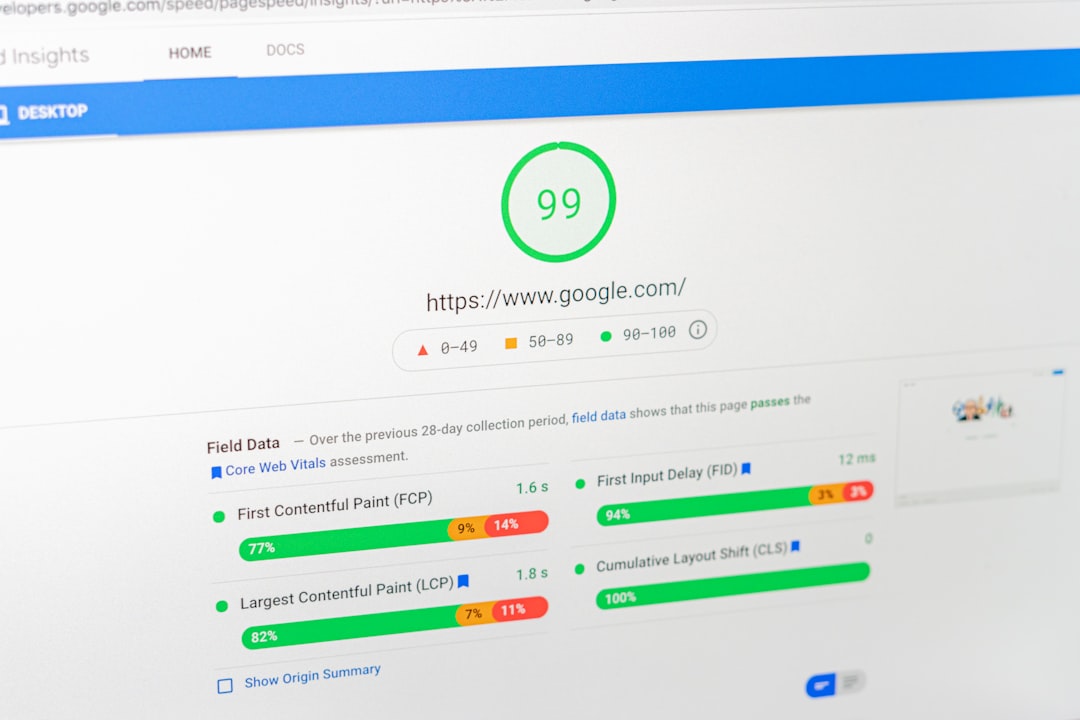
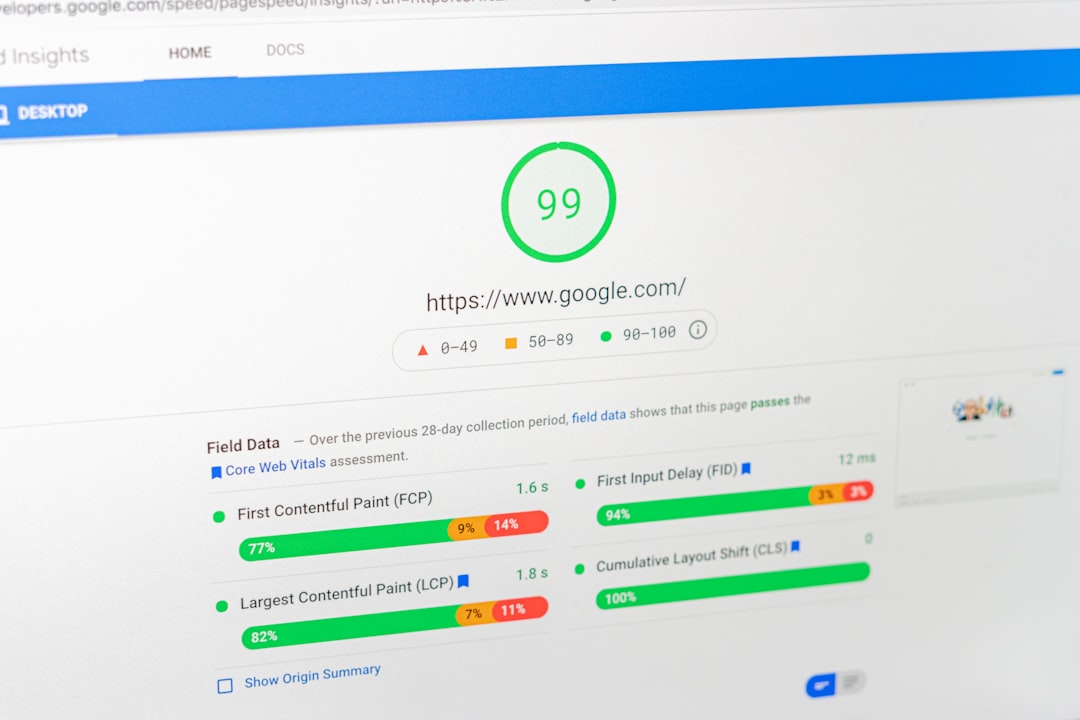
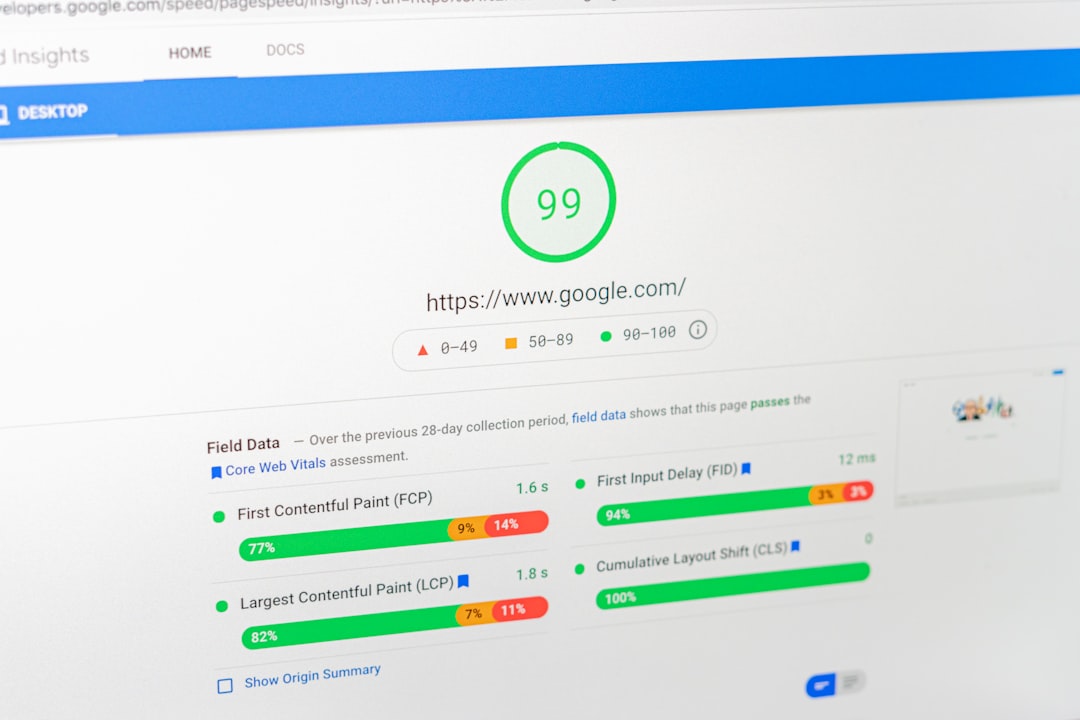
If your checklist keeps growing but rankings stay flat, the problem is usually not effort. It is priority. A green light in an SEO plugin does not mean the page deserves to rank, and a long checklist can distract you from the few fixes that actually change crawlability, relevance, and click potential.
Start with indexing and crawl access

Check whether your important pages can be crawled and indexed before you touch titles, schema, or plugin scores. If search engines cannot reliably access the right URLs, every other task moves slower.
Review your reading settings, SEO plugin index rules, robots directives, canonical tags, and XML sitemap output. Service pages, product categories, and important blog posts should return a normal status code, be linked from crawlable pages, and appear in your sitemap if they should be indexed. Google recommends crawlable links with descriptive anchor text and clear site structure, which is why weak navigation can quietly become an SEO problem even when the page content looks fine. For a broader baseline, review our WordPress SEO best practices.
Use one SEO plugin and clean up overlap
One well-configured SEO plugin is enough. Running overlapping plugins often creates duplicate metadata, conflicting canonicals, and competing sitemap outputs that make checklist problems harder to diagnose.
If you have Yoast, Rank Math, AIOSEO, schema plugins, redirect tools, and sitemap features all trying to manage the same outputs, simplify first. Keep the plugin that matches your site and workflow, then configure titles, descriptions, indexing rules, and social defaults carefully. If you are comparing options, our Yoast SEO vs Rank Math comparison will help you avoid solving one problem by creating three new ones.
Fix title tag problems before chasing content scores
Your page titles affect both relevance and clicks, so title problems deserve early attention. Weak, repetitive, or stuffed titles can hold a page back even when the content itself is useful.
Google recommends descriptive, concise title text and warns against keyword stuffing and repetitive boilerplate. It also advises making page titles distinct enough that users can tell one result from another. In practice, that means replacing vague templates with titles that clearly describe the page topic and audience.
| Weak title | Stronger title |
|---|---|
| SEO Services | SEO Company | SEO Expert | WordPress SEO Services for Small Businesses |
| Blog | How to Fix WordPress SEO Checklist Problems |
| Best SEO Tips for WordPress SEO | WordPress SEO Fixes That Actually Improve Rankings |
If your plugin checklist keeps flagging title length or keyword placement, do not optimize for the badge alone. Optimize for clarity first. Google may generate its own title links in search, but clear page titles and strong on-page headings still help it understand your page.
Rewrite meta descriptions for click support
Meta descriptions do not rescue a weak page, but they can improve how clearly your result is summarized in search. That makes them worth fixing after indexing, plugin conflicts, and titles are under control.
Google explains that snippets are often generated from page content, but it may use the meta description when that description better summarizes the page. Write unique descriptions that match the page topic, promise a clear benefit, and avoid stuffing variations just to satisfy a checklist. If several important pages share nearly identical descriptions, that is worth cleaning up.
Resolve duplicate URLs and canonical confusion
Duplicate URL issues are one of the most common reasons a page underperforms despite decent content. When several versions of the same page exist, search engines get mixed signals about which URL matters.
Look for duplication from category archives, tags, attachment pages, faceted navigation, URL parameters, trailing slash inconsistencies, and old redirected slugs. Then choose the preferred version, point internal links to it, and redirect obsolete alternatives where appropriate. Most site owners do not have one catastrophic problem. They have a stack of smaller issues that compound over time.
If you are dealing with a redesign, migration, or WooCommerce URL clutter, WordPress SEO Expert can help identify whether the problem is canonicals, redirects, internal links, or index settings before traffic loss compounds further.
Strengthen internal links with intent

Internal linking problems often hide inside SEO checklists because they are harder to automate. But they matter because they help search engines discover pages, understand hierarchy, and connect related topics.
Start by linking informational posts to service pages, related blog posts to each other, and high-value pages from relevant navigation or hub pages. Use descriptive anchor text rather than generic prompts. Google recommends concise, natural anchor text that helps users and search engines understand the destination page. If a page only appears in your sitemap and nowhere else, that is a stronger warning sign than a less-than-perfect readability score.
If you are not sure whether your current plugin configuration is helping or quietly hurting you, WordPress SEO Expert can help.
Keep schema and advanced features in perspective
Schema can support understanding, but it does not compensate for weak architecture or thin content. Add structured data only when it matches what users can clearly see on the page.
Google’s structured data guidance says markup should reflect visible content and should not be misleading. So if your checklist pushes you to enable every schema type available, ignore the hype. A smaller, accurate setup is better than a bloated one filled with irrelevant markup.
A practical order for fixing checklist problems
You do not need a perfect score. The goal is a site that loads cleanly, is easy to use, and sends consistent signals about which pages matter most. Work in order so your fixes build on each other.
| Priority | What to fix first | Why it matters |
|---|---|---|
| 1 | Indexing and crawl access | Pages cannot rank if search engines cannot reach or index them. |
| 2 | Plugin overlap, canonicals, and redirects | Prevents conflicting signals and duplicate URL confusion. |
| 3 | Title tags and page intent | Improves relevance and click potential. |
| 4 | Internal linking | Strengthens discovery, hierarchy, and context. |
| 5 | Meta descriptions | Supports clearer search snippets and better clicks. |
| 6 | Schema and minor plugin warnings | Polishes technical clarity after bigger blockers are fixed. |
What to stop doing
Stop treating plugin indicators as proof your SEO is handled. A green light is not a ranking strategy, and publishing more content on top of unresolved technical clutter usually makes diagnosis harder, not easier.
Also stop stacking overlapping plugins, writing stuffed title templates, and creating near-duplicate pages to target slight keyword variations. A cleaner setup usually outperforms a busier one.
The best next step
The fastest way to improve a messy checklist is to review your highest-value pages first. Start with the pages tied to leads, sales, or existing impressions, and fix the issues that block visibility before the issues that polish visibility.
Book a free SEO consultation. No pitch, no pressure. Just an honest look at what your site actually needs and whether your current setup is part of the solution or part of the problem.
Contact WordPress SEO Expert today to schedule a consultation.