
Low rankings usually come from a scattered plan, not one missing plugin. Most WordPress sites do not have one catastrophic SEO problem. They have a stack of smaller issues that compound over time, from indexing mistakes to duplicate URLs to weak internal links. This checklist shows you what to check first, what each issue looks like, and how to fix it without turning your site into a plugin pile.
If your traffic is flat, the fastest win is not adding more tools. It is finding the issues that block visibility before the issues that only polish visibility. A green light in an SEO plugin does not mean the page deserves to rank, and a longer checklist does not always mean a better SEO plan.
Start with the issues that stop rankings completely
Check crawlability, indexability, and URL control before you touch titles, schema, or content refreshes. If search engines cannot reach the right pages or cannot tell which version matters, your on-page improvements will underperform.
Start by reviewing whether important pages are indexable, included in your sitemap, linked from crawlable pages, and returning the right status code. This is the same practical order we use in our WordPress SEO best practices guidance because foundation issues tend to suppress everything else.
WordPress SEO checklist issues and solutions
Use this checklist as a troubleshooting sequence, not a random list. Fix the issues that block visibility before the issues that polish visibility.
| Issue | What to look for | Why it matters | What to do |
|---|---|---|---|
| Pages set to noindex | Service pages, products, or posts not appearing in search | Pages cannot rank if they are excluded from indexing | Check your SEO plugin, page settings, and WordPress reading settings. Remove noindex from pages that should rank. |
| Wrong pages in XML sitemap | Thin archives, attachment pages, or utility URLs included | Sitemaps can send mixed signals about what deserves crawling and indexing | Keep high-value pages in the sitemap. Exclude low-value archives and unnecessary URLs. |
| Conflicting SEO plugins | Multiple plugins outputting titles, canonicals, schema, or sitemaps | Overlapping tools often create duplicate or conflicting signals | Use one primary SEO plugin only. Remove the overlap. |
| Duplicate URL versions | Parameters, trailing slash variations, tag archives, attachment URLs, filter URLs | Search engines may split signals across near-identical pages | Choose a preferred version, use canonicals correctly, and redirect outdated variants where needed. |
| Weak title tags | Repeated boilerplate, keyword stuffing, vague titles like Home or Services | Titles strongly affect relevance and click-through potential | Write distinct, descriptive page titles that match the actual content and search intent. |
| Thin internal linking | Important pages only linked from menus or sitemap | Weak linking makes discovery and hierarchy less clear | Link related posts and pages with descriptive anchor text from relevant body copy. |
| Archive clutter | Tag pages, author pages, and date archives with little standalone value | Low-value archives can dilute crawl attention and create duplication | Noindex or consolidate low-value archives unless they serve a clear user purpose. |
| Slow templates | Large images, heavy page builders, bloated scripts, too many plugins | Slow pages hurt usability and can weaken page performance | Test key templates separately and reduce the biggest bottlenecks first. |
| Misused schema | Schema that does not match visible page content | Structured data should clarify content, not misrepresent it | Only use schema types that accurately reflect what users can see on the page. |
| Content overlap | Several weak posts targeting slight keyword variations | Overlapping pages compete with each other and dilute authority | Merge similar posts into one stronger page and improve internal links to it. |
Indexing problems to fix first

If a page is blocked from indexing, everything else on that page is secondary. Titles, links, and content updates cannot help if the page is set to noindex or hidden behind weak crawl paths.
In WordPress, this usually shows up when a service page is unintentionally set to noindex in the SEO plugin, when the site was launched with restrictive settings after a redesign, or when important pages are buried deep with no meaningful internal links. Make sure your revenue-driving pages are indexable, included where appropriate, and easy to reach through normal site navigation and body links.
If you are recovering from a redesign or migration, this is also where small technical mistakes can snowball. A missing redirect or wrong canonical can suppress a page that used to perform well. If you need a comparison point for tool setup, our Yoast SEO vs Rank Math comparison explains why one clean setup is usually better than a stack of overlapping features.
Title tag issues that quietly hurt clicks

Weak titles rarely kill a site alone, but they often hold back pages that are already close to ranking. A better title improves clarity, helps search engines understand the page, and gives searchers a better reason to click.
Google recommends descriptive, concise title text and warns against keyword stuffing and repetitive boilerplate. That matters because many WordPress sites still use title patterns that read like plugin prompts instead of real page labels.
| Weak title | Stronger title |
|---|---|
| SEO Services | SEO Company | SEO Expert | WordPress SEO Services for Small Businesses |
| Blog | WordPress SEO Checklist for Small Business Sites |
| Best SEO Tips | SEO Tips | WordPress SEO Tips | WordPress SEO Tips That Fix Rankings First |
Your goal is not to force every keyword variation into the title. Your goal is to make the page topic obvious and compelling in plain language. Distinct titles usually beat repetitive templates.
Meta description mistakes that lower CTR
Meta descriptions do not need to be perfect, but they should support the click. When they are duplicated, vague, or stuffed with keywords, they waste one of the few message controls you still have in search results.
Google explains that it may use the meta description when it summarizes the page better than the on-page content and recommends unique descriptions for each page. That is a practical reason to stop copying the same boilerplate across service pages and blog posts.
Write descriptions that match the page intent. A service page should promise the next step clearly. A blog post should preview the answer or framework the reader will get. If the page is already earning impressions but not clicks, rewrite the title and description together instead of treating them as separate tasks.
Internal linking issues that leave pages isolated

Pages that are technically indexable can still underperform if they are isolated. Internal links help search engines find pages, understand topic relationships, and judge which URLs matter most on your site.
Google recommends descriptive, concise, natural anchor text. In practice, that means linking relevant phrases inside body copy, not just dropping pages into the main menu and hoping that is enough.
Service pages should receive links from related blog posts. High-value blog posts should link to the next logical service or category page. If a page only appears in your sitemap and nowhere else, treat that as a structural issue, not a content issue.
If you are not sure which pages deserve the strongest internal links, WordPress SEO Expert can help. We look at which URLs should drive leads first, then build a cleaner linking structure around those priorities.
Duplicate URL problems that waste authority
Duplicate and near-duplicate URLs are one of the most common WordPress SEO problems because they often come from normal CMS behavior. The fix is usually not complicated, but it does require choosing one preferred version of a page and supporting that choice consistently.
Common sources include tag archives, attachment pages, query parameters, faceted WooCommerce filters, and old URLs left behind after slug changes. Canonicals help, but canonicals are not a substitute for cleaner architecture when dozens of unnecessary URL variations are still crawlable.
Most site owners do not need more indexed pages. They need fewer low-value URLs competing with the pages that actually matter.
Schema problems to handle carefully
Schema should clarify what is already visible on the page. It is useful when it matches the content cleanly, and it becomes a risk when plugins output types that do not reflect the actual page.
Google’s structured data guidelines say markup should be representative of the main content and not misleading. That means you should not enable broad schema features just because a plugin offers them.
Use article schema for articles, local business schema where it fits, product schema for real product pages, and FAQ schema only when the page genuinely contains those questions and answers. One well-configured SEO plugin is enough. Running overlapping plugins often creates duplicate metadata, conflicting canonicals, and competing sitemap outputs.
Speed issues that matter more than plugin scores
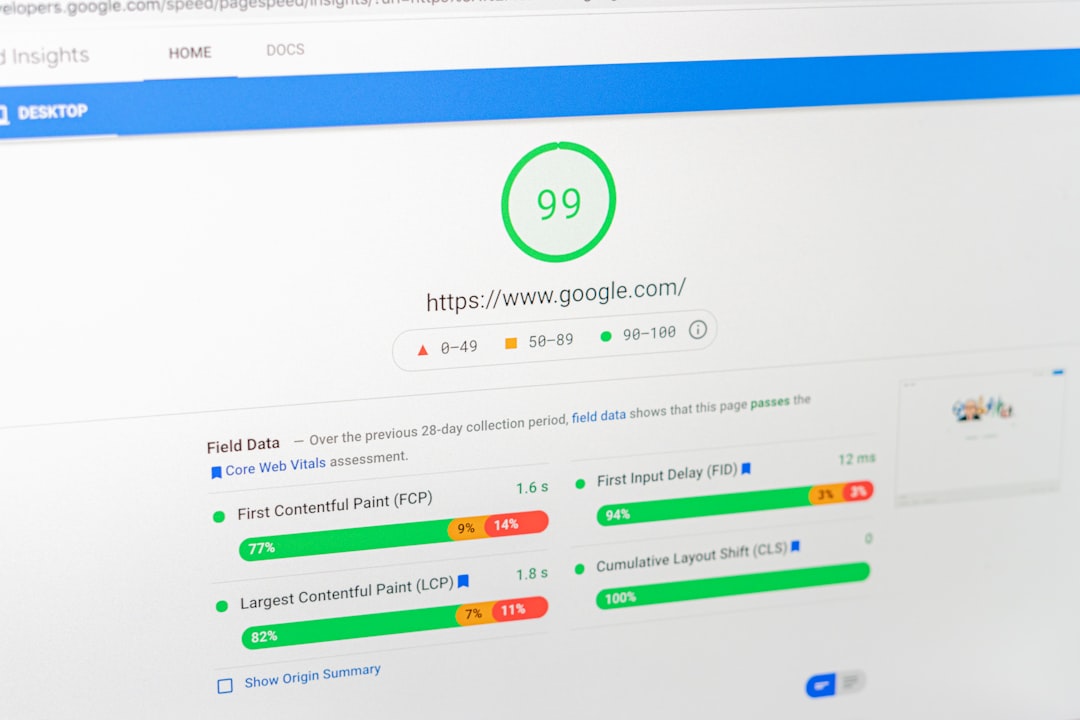
Page speed matters when slow templates frustrate users and make the site harder to use. You do not need a perfect score. The goal is a site that loads cleanly and feels reliable on the pages that drive leads, sales, or key visits.
Start with the obvious bottlenecks: oversized images, unused plugins, heavy scripts, and bloated page builders. Test your homepage, service pages, blog posts, and product pages separately because one fast template does not mean the rest of the site is healthy.
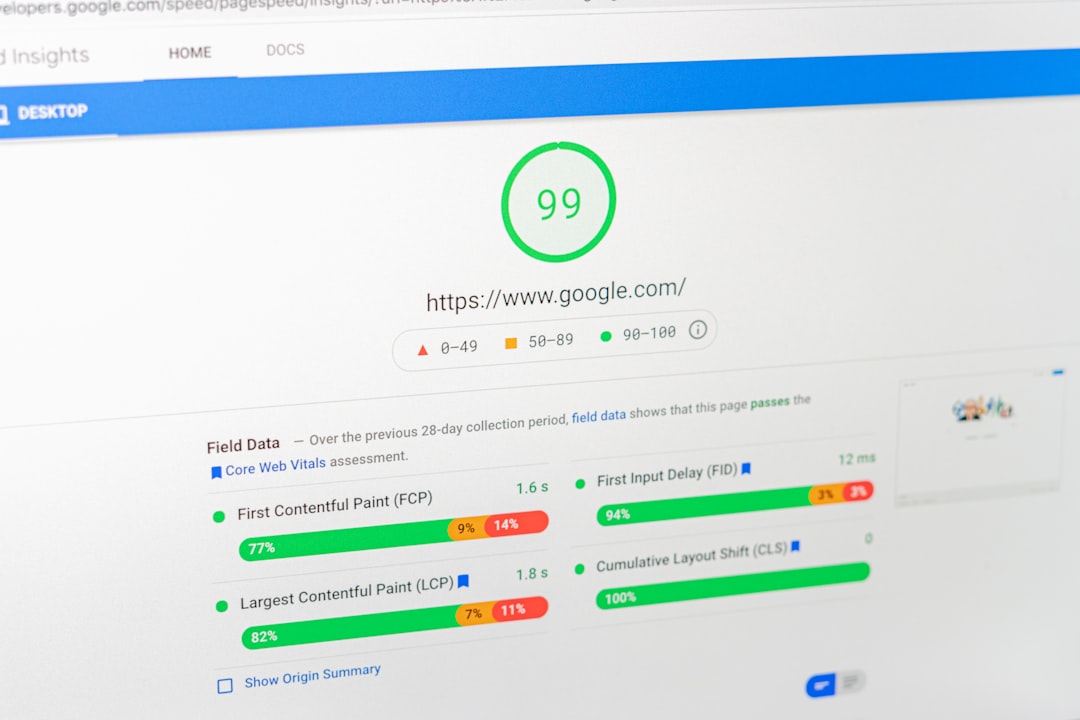
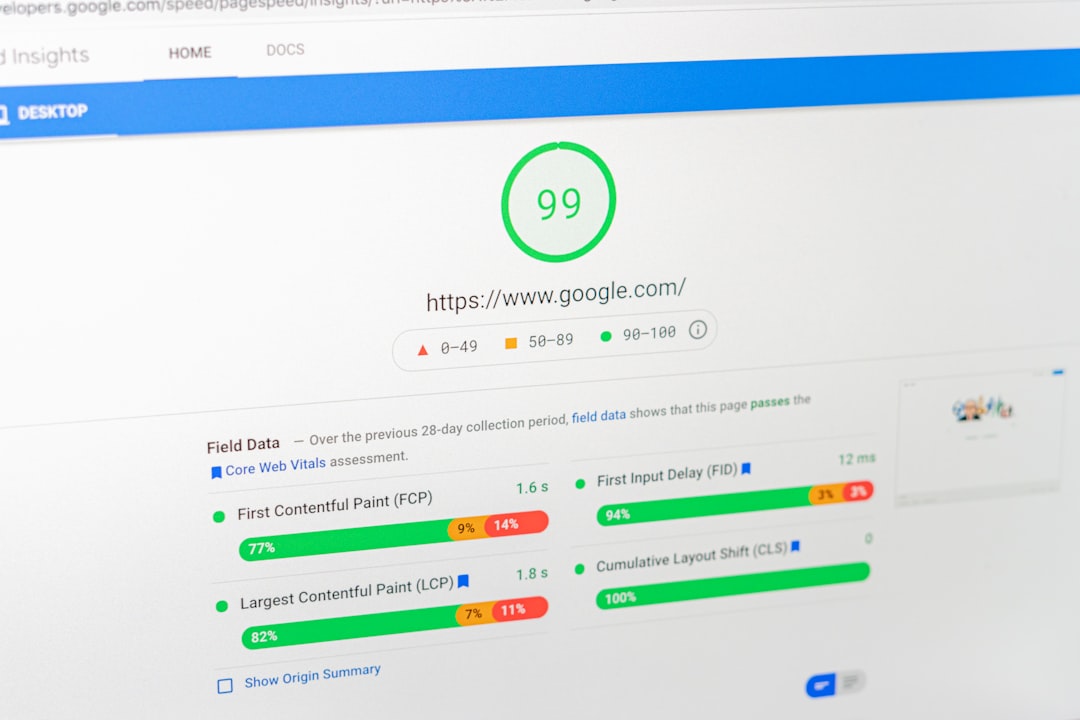
This is also where plugin score chasing becomes a distraction. A green light does not fix a 3 MB hero image, render-blocking scripts, or a template loaded with unnecessary elements. Fix the biggest friction first.
What to stop doing
Stop treating plugin indicators as the goal. Publishing more thin posts, stacking overlapping SEO tools, and optimizing every page to satisfy a score often creates more clutter than progress.
Also stop splitting one topic into several near-duplicate posts just to chase slight keyword variations. Google’s guidance on helpful, people-first content is a useful reminder here: pages should be created to benefit users, not to manipulate rankings.
A simple order of operations
The best checklist is the one you can actually finish. Work in sequence so you solve the bottlenecks first instead of polishing pages that are still held back by technical noise.
| Priority | Focus |
|---|---|
| 1 | Indexing rules, crawl access, and status codes |
| 2 | Canonicals, redirects, and duplicate URL cleanup |
| 3 | Title tags, page intent, and meta descriptions |
| 4 | Internal linking and page hierarchy |
| 5 | Template speed and usability issues |
| 6 | Content overlap, consolidation, and depth |
| 7 | Schema and sitemap cleanup |
If your rankings are stuck and you are not sure whether the problem is plugin configuration, crawl waste, weak titles, or content overlap, WordPress SEO Expert can help. Book a free SEO consultation. No pitch, no pressure. Just an honest look at what your site actually needs and whether your current setup is part of the solution or part of the problem.
The best next step
Most WordPress SEO problems become manageable once you stop treating them as isolated tasks. A cleaner plan usually beats a bigger checklist.
Start with the pages closest to revenue, check whether they are truly crawlable and indexable, clean up duplicate signals, and then strengthen titles and internal links. Contact WordPress SEO Expert today to schedule a consultation if you want a direct review of what to fix first on your site.