
Low rankings usually come from a scattered plan, not one missing plugin. Most WordPress sites do not have one catastrophic SEO problem. They have a stack of smaller issues that compound over time. This step-by-step guide shows you what to fix first, what to ignore, and how to build a cleaner setup that is easier for search engines and real visitors to understand.
The goal is not a perfect plugin score. The goal is a site that is crawlable, indexable, fast enough to use, and clearly structured around the pages that matter most. If you want a broader baseline before changing settings, start with our WordPress SEO best practices article, then use this page as your execution checklist.
Step 1: Check whether important pages can be indexed

Start here because nothing else matters if Google cannot crawl or index your important pages. Before you rewrite titles or install tools, confirm that your service pages, product categories, and key blog posts are actually available to search engines.
In WordPress, common problems include accidental noindex settings, weak internal links, thin archives, and plugin or theme behavior that creates duplicate URLs. Make sure your important pages return a normal status code, appear in your XML sitemap if they should be indexed, and are linked from other crawlable pages. Google recommends crawlable links and descriptive anchor text so it can better understand site structure and linked pages, and it recommends clear, unique page titles that accurately describe the content.
Check these items first:
Search engine visibility is enabled in WordPress settings. Important pages are not set to noindex in your SEO plugin. Key URLs are included in the sitemap. Navigation and body links point to the preferred version of each page.
Step 2: Use one SEO plugin, not several
One well-configured SEO plugin is enough. Running overlapping plugins often creates duplicate metadata, conflicting canonicals, and competing sitemap outputs that make troubleshooting harder than it needs to be.
Pick one primary plugin and configure the basics first: title templates, meta descriptions, sitemap settings, schema defaults, and archive indexing rules. Do not stack tools because each one promises a few extra features. A green light in an SEO plugin does not mean the page deserves to rank, and a crowded plugin setup often creates more technical noise than value.
If you are still comparing tools, our Yoast SEO vs Rank Math comparison explains where the real differences matter and where they do not.
Step 3: Write page titles for humans first
Your title tag is one of the strongest on-page signals you control. Keep it specific, concise, and aligned with what the page actually covers. Fix the pages closest to revenue first instead of trying to optimize everything at once.
Google recommends descriptive, concise title text and warns against keyword stuffing and repetitive boilerplate. That means every important page should have a distinct title that helps a searcher understand why that page is relevant. If several pages use nearly identical titles, search engines and users both get weaker signals.
| Weak title | Stronger title |
|---|---|
| SEO Services | SEO Company | SEO Expert | WordPress SEO Services for Small Businesses |
| Blog | WordPress SEO Tips for Service Businesses |
| Best SEO Plugin, SEO Plugin, WordPress SEO Plugin | How to Choose One WordPress SEO Plugin |
A useful rule is simple: write the title you would want to click if you saw two similar results side by side.
Step 4: Treat meta descriptions as click support
Meta descriptions do not rescue a weak page, but they can improve how clearly your result is summarized. Write them to support clicks from qualified visitors, not to jam in every variation of a keyword.
Google explains that snippets are often generated from the page itself, but it may use the meta description when that description better summarizes the page. In practice, that means unique descriptions are worth writing for pages that matter, especially service pages, category pages, and top blog posts.
Good descriptions are short, specific, and closely matched to the page. Weak descriptions are vague, duplicated across multiple URLs, or written only for plugin scoring.
Step 5: Fix duplicate URLs before publishing more content
Canonical confusion quietly drags down a lot of WordPress sites. If several URLs show the same or very similar content, search engines get mixed signals about which version should rank.
Common duplication sources include tag archives, attachment pages, search result pages, URL parameters, slash inconsistencies, and WooCommerce filter URLs. Decide which version should be the main version, use it consistently in internal links, and redirect outdated or secondary versions where appropriate. This cleanup often matters more than publishing another thin article aimed at a slight keyword variation.
Step 6: Build internal links with intent

Internal linking helps search engines discover pages, understand topical relationships, and judge which URLs matter most. It also gives visitors a clearer next step, which is often where rankings and conversions start working together.
Link broad informational pages to service pages, connect related blog posts, and make sure your high-value pages are not isolated. Google recommends descriptive anchor text that is natural and useful. If a page only exists in your sitemap and nowhere else in the site structure, it is probably under-supported.
If you are not sure which pages deserve more internal links first, WordPress SEO Expert can help identify the URLs that are closest to page one or tied most directly to leads and sales.
Step 7: Keep site structure simple
Simple structure beats clever structure. Important pages should be easy to reach, clearly grouped, and easy to understand without forcing users through multiple layers of navigation.
For service sites, keep core pages close to the main navigation. For blogs, use a small number of meaningful categories instead of a long trail of overlapping tags. For WooCommerce, watch faceted navigation carefully so filter combinations do not create endless crawl paths with little standalone value.
Step 8: Improve speed where it affects real pages

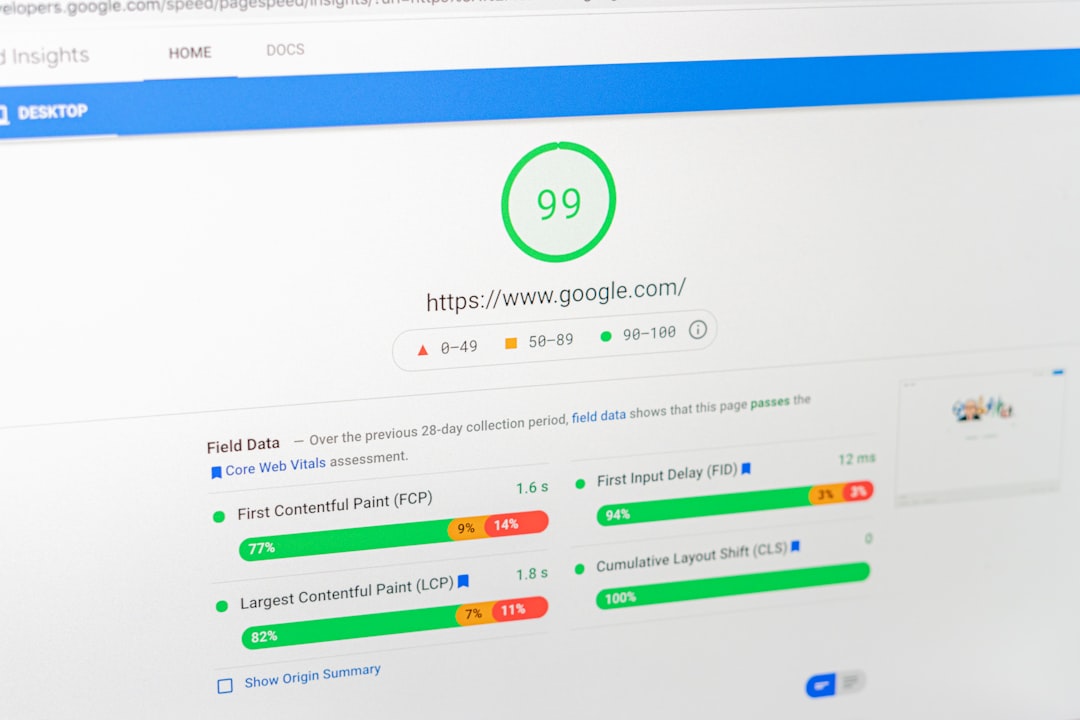
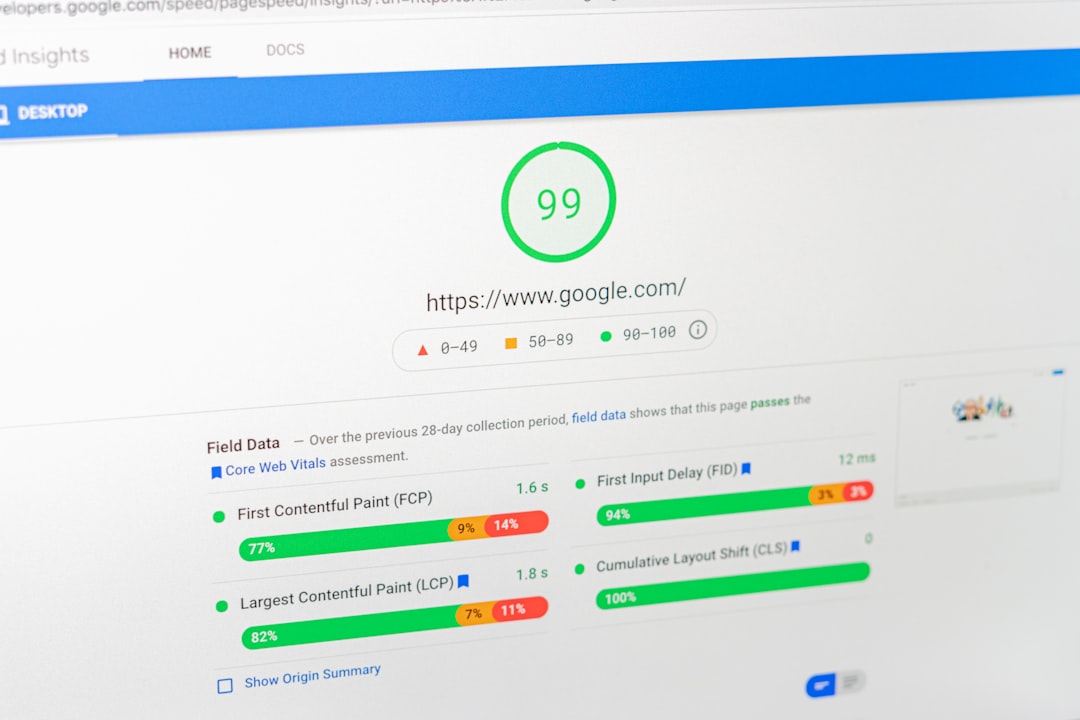
Page speed matters when slow templates frustrate users or make key pages hard to use. You do not need a perfect score. You need pages that load cleanly and do not create unnecessary friction.
Start with your homepage, core service pages, top blog posts, and important product or category templates. Check oversized images, unused plugins, heavy scripts, caching, and page builder bloat. Test different template types separately because a homepage problem is not always the same as a product page problem.
Step 9: Use schema carefully
Structured data can help search engines understand a page more clearly, but it is not a shortcut around weak content or poor technical setup. Add only the schema that matches what users can actually see on the page.
Do not turn on every schema option your plugin offers just because it is available. Cleaner implementation usually wins. If your schema setup is broad, duplicated, or conflicting across plugins, simplify it before adding more markup.
Step 10: Format content around intent, not plugin scores
Helpful content usually ranks better than bloated content because it is easier to understand and easier to trust. One clear H1, useful subheadings, short paragraphs, and focused sections do more than stuffing headings with keyword variations.
Google recommends creating helpful, reliable, people-first content rather than content made mainly to manipulate rankings. That is a practical filter for every update you make. If a section exists only to satisfy a plugin suggestion and not to help the reader, it probably does not belong.
A practical order of operations
Fix the issues that block visibility before the issues that polish visibility. This sequence keeps you from wasting time on cosmetic edits while larger crawl, duplication, or structure problems remain unresolved.
| Priority | What to fix first | Why it comes first |
|---|---|---|
| 1 | Indexing and crawl access | Pages cannot rank if search engines cannot reach or index them. |
| 2 | Canonical and redirect setup | Prevents duplicate URL confusion and diluted signals. |
| 3 | Title tags and page intent | Improves relevance and click potential. |
| 4 | Internal linking | Strengthens discovery, hierarchy, and topical support. |
| 5 | Template speed issues | Improves usability on pages that matter most. |
| 6 | Content depth and formatting | Helps pages satisfy search intent more clearly. |
| 7 | Schema and sitemap cleanup | Supports cleaner technical signals. |
What to stop doing
Stop chasing plugin scores as if they are rankings. Stop publishing thin near-duplicate posts to cover slight keyword variations. Stop stacking SEO plugins, schema plugins, and sitemap plugins that overlap each other. A cleaner setup usually outperforms a busier one.
Most site owners do not need more tactics. They need a better order of operations and fewer conflicting settings.
The best next step
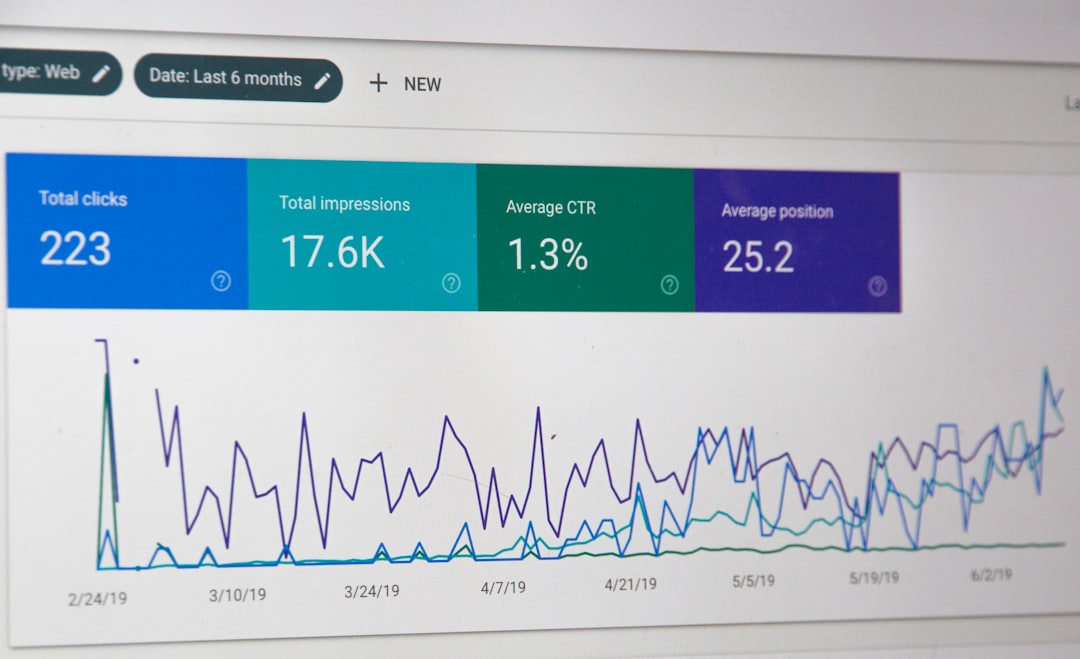
The best next move is usually a focused review of your highest-value pages, not a sitewide rewrite. Start with the URLs already earning impressions, sitting just outside page one, or tied directly to revenue.
If you are not sure whether your current problem is technical SEO, weak on-page signals, poor internal linking, or content overlap, WordPress SEO Expert can help. Book a free SEO consultation. No pitch, no pressure. Just an honest look at what your site actually needs and whether your current setup is part of the solution or part of the problem.
Contact WordPress SEO Expert today to schedule a consultation and get a clearer plan for what to fix first on your WordPress site.