
Low rankings usually come from a scattered plan, not one missing plugin. Most WordPress sites do not have one catastrophic SEO issue. They have a stack of smaller problems that compound over time, from weak title templates to duplicate URLs to isolated pages that Google can reach only through a sitemap.
The best way to improve WordPress SEO is to fix the issues that block visibility before the issues that polish visibility. If you already feel buried in plugin settings and conflicting advice, this guide gives you a simpler order of operations so you know what to check first and what can wait.
Start with crawlability and indexability
If Google cannot crawl the right pages or index them correctly, everything else underperforms. Before changing titles, adding schema, or publishing more blog posts, confirm that your important pages are accessible, internally linked, and allowed to appear in search.
In WordPress, the most common problems are accidental noindex settings, weak internal links, archive pages that add little value, and duplicate URL versions created by themes, filters, or plugin settings. Google explains that search relies on crawlable links, sitemaps, and redirects to discover pages, so make sure your core service pages, product categories, and high-value posts are not hidden behind weak site structure or conflicting settings. For a broader baseline, review our WordPress SEO best practices article and compare your setup against the essentials Google actually uses.
Use one SEO plugin, not a stack
One well-configured SEO plugin is enough. Running overlapping plugins often creates duplicate metadata, conflicting canonicals, and competing sitemap outputs that make troubleshooting harder than it needs to be.
Choose one primary plugin and configure the basics first: title templates, meta descriptions, indexing controls, XML sitemaps, and social defaults. A green light in an SEO plugin does not mean the page deserves to rank. The plugin gives you controls. It does not replace keyword targeting, internal linking, content quality, or technical cleanup. If you are still comparing options, our Yoast SEO vs Rank Math comparison breaks down where plugin choice matters and where it does not.
Write titles for humans first
Your title tag is one of the strongest on-page signals you control. The goal is not to cram in every keyword variation. The goal is to make each page title distinct, descriptive, and closely aligned with what a searcher expects to find after clicking.
Google recommends descriptive, concise title text and specifically warns against keyword stuffing and repetitive boilerplate in title elements. It also notes that each important page should have title text that clearly describes that page, rather than reusing the same pattern across the site. In practice, that means writing titles that help both users and search engines understand the page quickly.
| Weak title | Stronger title |
|---|---|
| SEO Services | SEO Company | SEO Expert | WordPress SEO Services for Small Businesses |
| Blog | WordPress SEO Tips for Service Businesses |
| Blue Widgets, Best Blue Widgets, Buy Blue Widgets | Blue Widgets for Commercial Kitchens |
Treat meta descriptions as click support
Meta descriptions are not a direct ranking shortcut, but they still matter. A good description helps searchers understand why your page is relevant and can improve click quality, especially when your page is already earning impressions.
Google says snippets are often generated from page content, but it may use the meta description when that tag provides a more accurate summary of the page. It also advises against filling descriptions with long strings of keywords. Write unique descriptions that summarize the page clearly and support the click instead of repeating the title with slight changes.
Fix duplicate URLs before publishing more content
Canonical confusion is one of the most common reasons a decent page still underperforms. If several URLs show the same or nearly the same content, search engines have to guess which version is primary, and that weakens your signals.
Common WordPress duplication issues include tag archives, attachment pages, trailing slash inconsistencies, paginated archives, parameter URLs, and WooCommerce filter combinations. Decide which version should rank, link to that version internally, and redirect outdated variants where appropriate. Fixing duplicate paths is usually more valuable than publishing another thin page aimed at a slightly different keyword.
Build internal links with intent

Internal links help Google discover pages, understand relationships between topics, and gauge which pages matter most on your site. They also help real visitors move to the next useful page instead of bouncing after one article.
Google’s guidance for crawlable links emphasizes using links that can actually be followed and using relevant anchor text. On a WordPress site, that means linking related blog posts, connecting informational pages to service pages, and checking whether high-value URLs are only listed in the sitemap and nowhere else. If you are not sure where your structure is weakest, WordPress SEO Expert can help you diagnose which internal links will move the needle and which are just busywork.
Keep site structure simple
A simple structure is usually stronger than a clever one. Important pages should be easy to reach, grouped logically, and close enough to the main navigation that both users and crawlers can find them without friction.
For service businesses, keep core service pages close to top-level navigation and avoid burying them under several clicks. For blogs, use a limited number of meaningful categories instead of dozens of overlapping tags. For WooCommerce, pay close attention to faceted navigation and filter combinations that create endless low-value URL paths.
Improve speed, but do not chase perfect scores

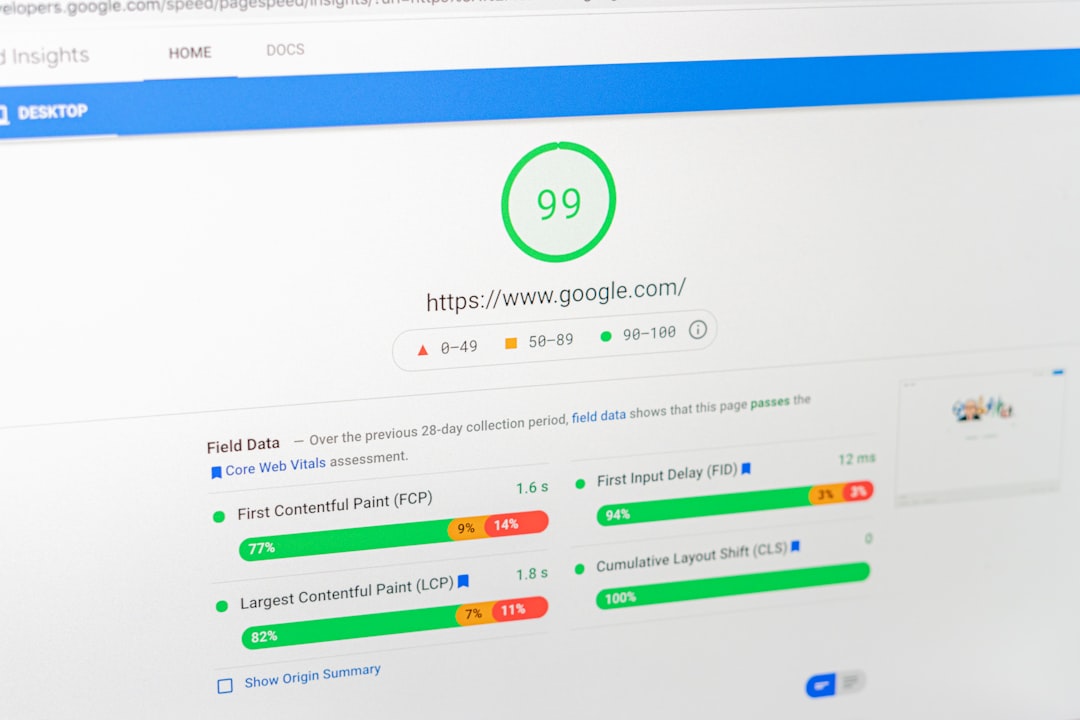
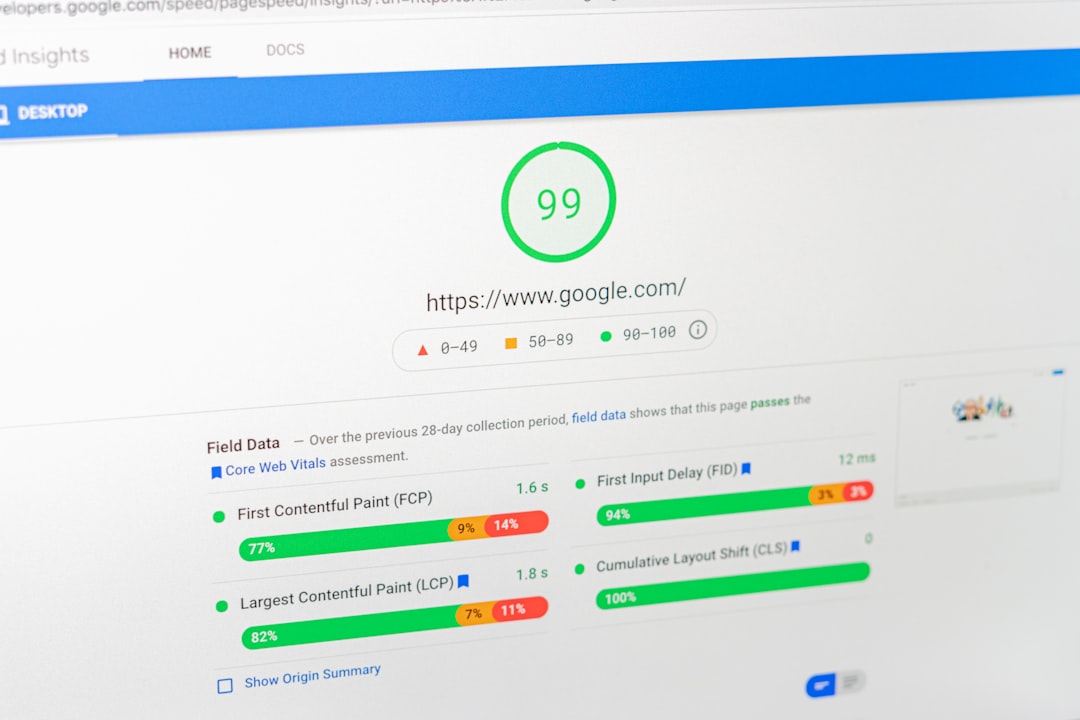
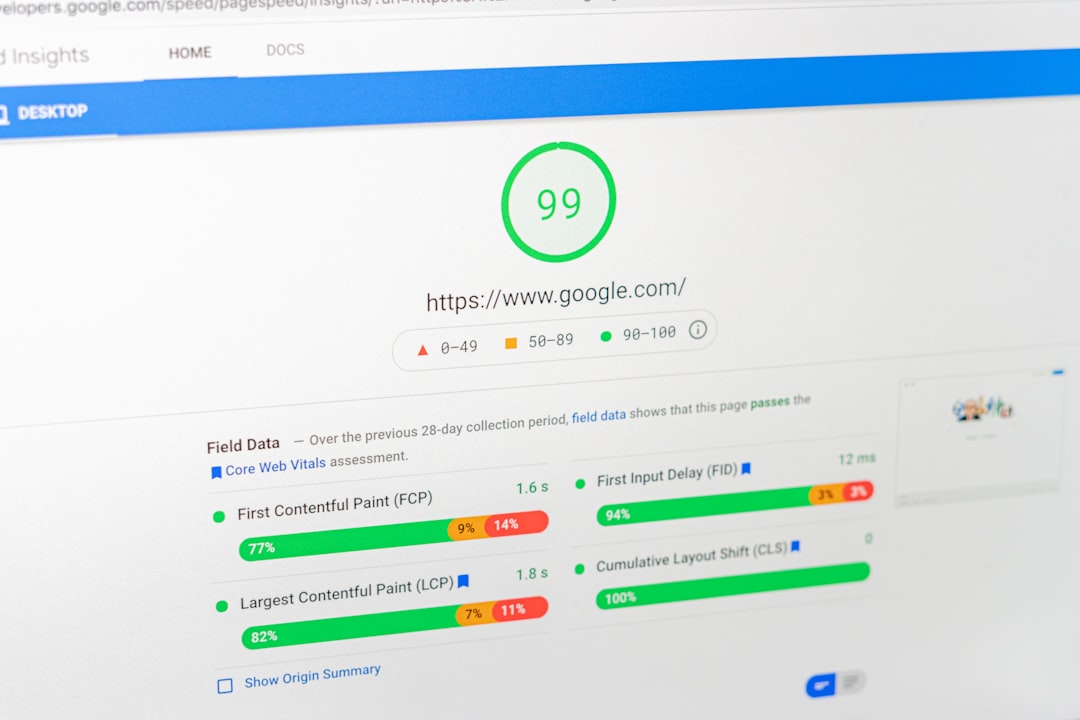
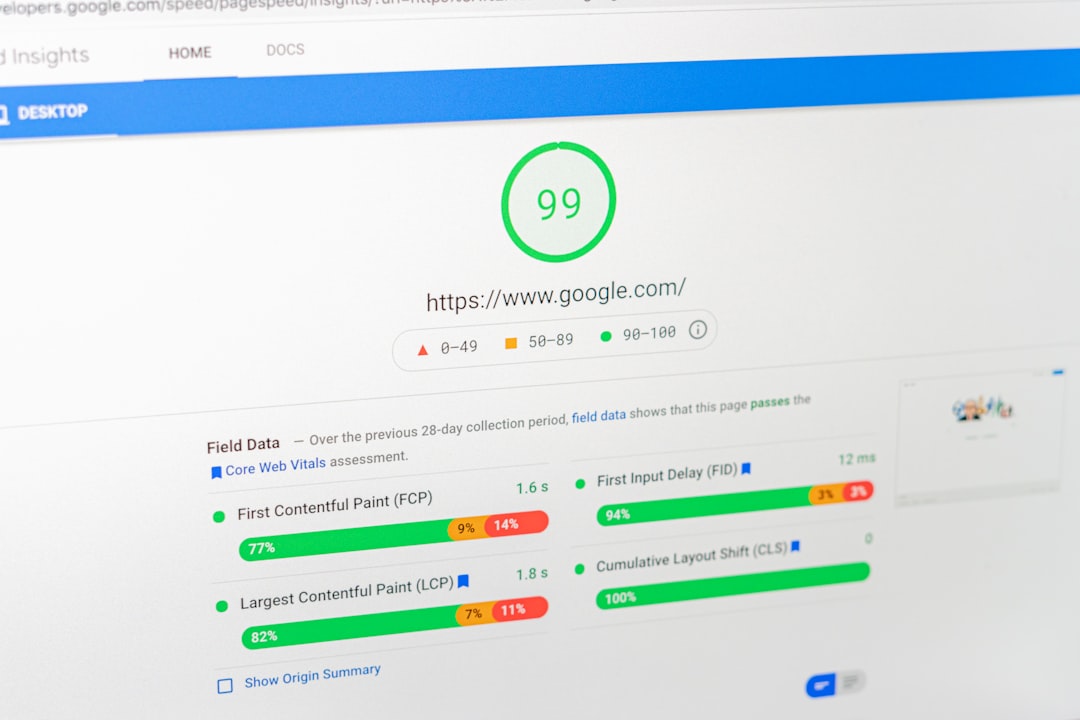
Site speed matters when slow templates frustrate users or make the site hard to use. You do not need a perfect score. The goal is a site that loads cleanly, stays stable, and performs well on the pages that actually drive leads or sales.
Start with oversized images, unnecessary plugins, caching gaps, and heavy scripts loaded across the site. Test your homepage, service pages, blog templates, and product pages separately because performance issues often vary by template. Fix the biggest blockers first instead of chasing tiny speed wins that look good in a report but do little for real visitors.
Use schema carefully
Structured data can help search engines understand a page more clearly, but it is not a shortcut around weak content or weak technical SEO. Add only markup that matches what users can actually see on the page.
Google’s structured data guidelines say markup should reflect visible content and should not be misleading or irrelevant. That is why dumping every schema type your plugin offers onto every page is rarely helpful. Use the schema that fits the page, keep it clean, and focus first on the technical and content issues that affect visibility more directly.
Format content for search intent and readability
Well-structured content is easier to scan, easier to trust, and easier for search engines to match with intent. Clear headings, short paragraphs, and focused sections usually outperform bloated pages trying to cover every angle poorly.
Google’s people-first content guidance emphasizes creating content to benefit users rather than to manipulate rankings. That means each page should answer a distinct need, not exist just to capture a slightly different keyword variation. Consolidate overlapping posts when necessary, strengthen the page that best deserves to rank, and make the next step obvious for the visitor.
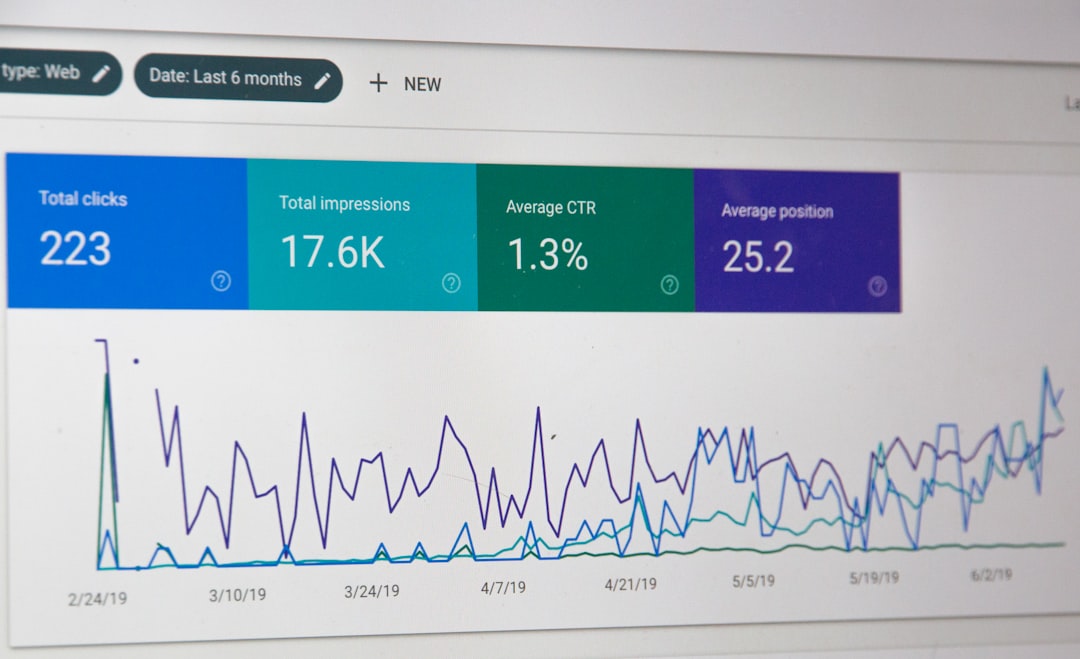
If you are seeing impressions but not meaningful ranking movement, WordPress SEO Expert can help. Book a free SEO consultation. No pitch, no pressure. Just an honest look at what your site actually needs and whether your current setup is helping or quietly holding it back.
A practical WordPress SEO checklist
Most site owners need a clear order of operations more than another giant checklist. Fix the issues that block visibility before the issues that polish visibility, then move down the list only after the higher-priority items are under control.
| Priority | What to check | Why it matters |
|---|---|---|
| 1 | Indexing rules and crawl access | Pages cannot rank if search engines cannot reach or index them properly |
| 2 | Canonical and redirect setup | Prevents duplicate URL confusion and diluted signals |
| 3 | Title tags and page intent | Improves relevance and click-through potential |
| 4 | Internal linking | Strengthens discovery, hierarchy, and topic relationships |
| 5 | Speed and template performance | Improves usability and page experience |
| 6 | Content depth and formatting | Helps pages satisfy search intent more clearly |
| 7 | Schema and sitemap hygiene | Supports cleaner technical signals |
What to stop doing
Stop treating plugin indicators as the goal. Green lights do not guarantee rankings, and chasing every suggestion often leads to awkward copy, bloated settings, and wasted time.
Also stop publishing thin near-duplicate pages, stacking overlapping SEO tools, and creating archives that add more crawl noise than value. Cleaner structure usually beats busier structure. If your setup feels messy and you are not sure what to remove versus what to improve, WordPress SEO Expert can help you sort it out quickly.
The best next step
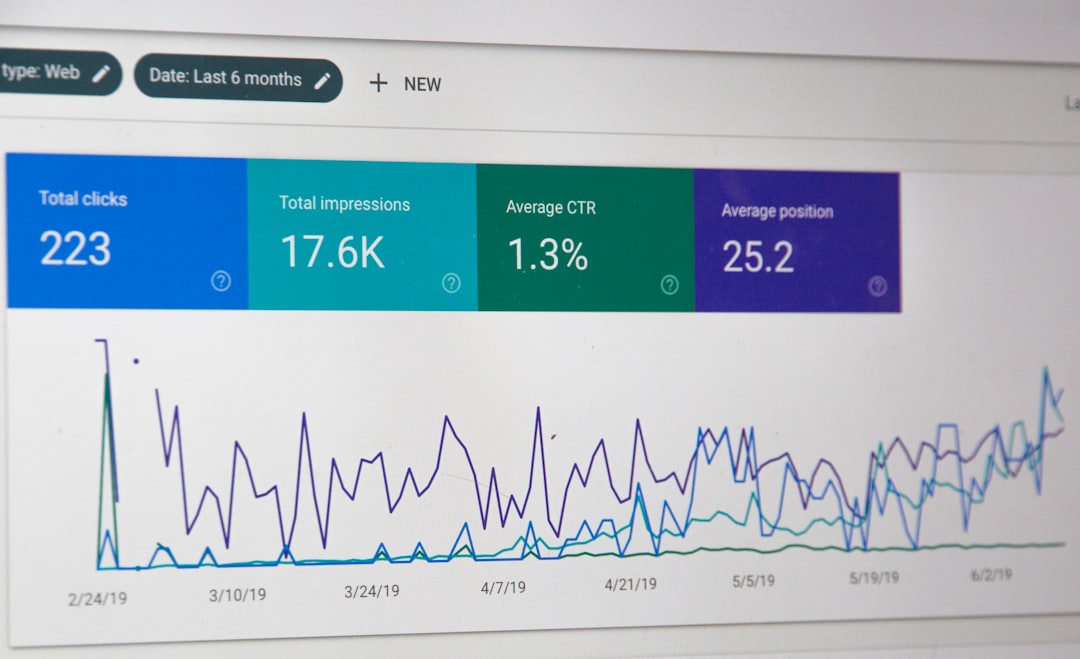
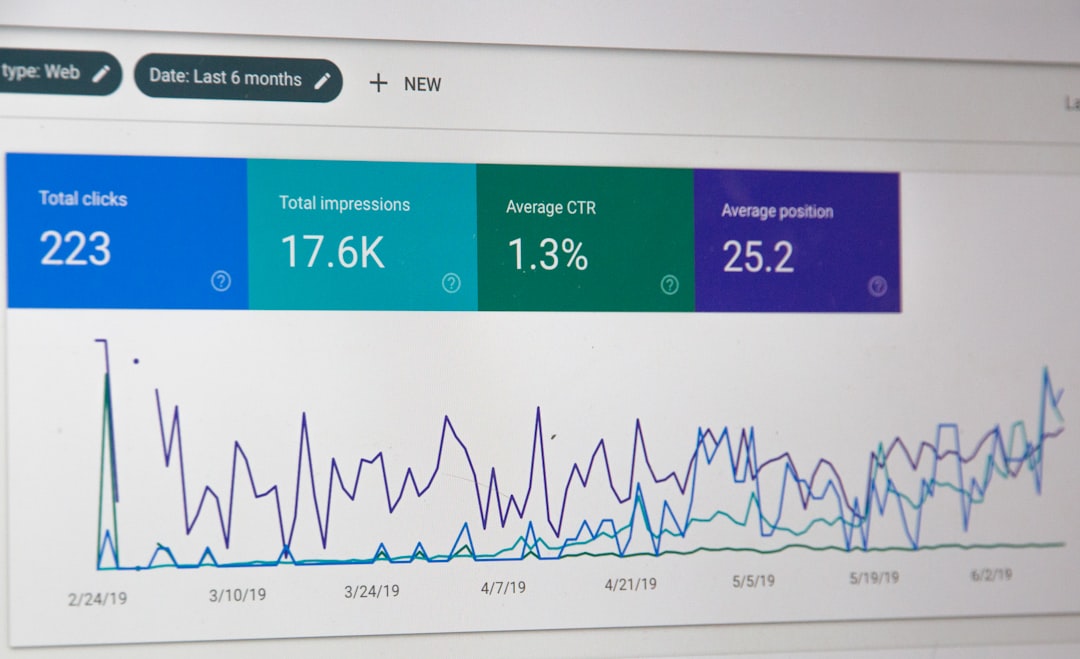
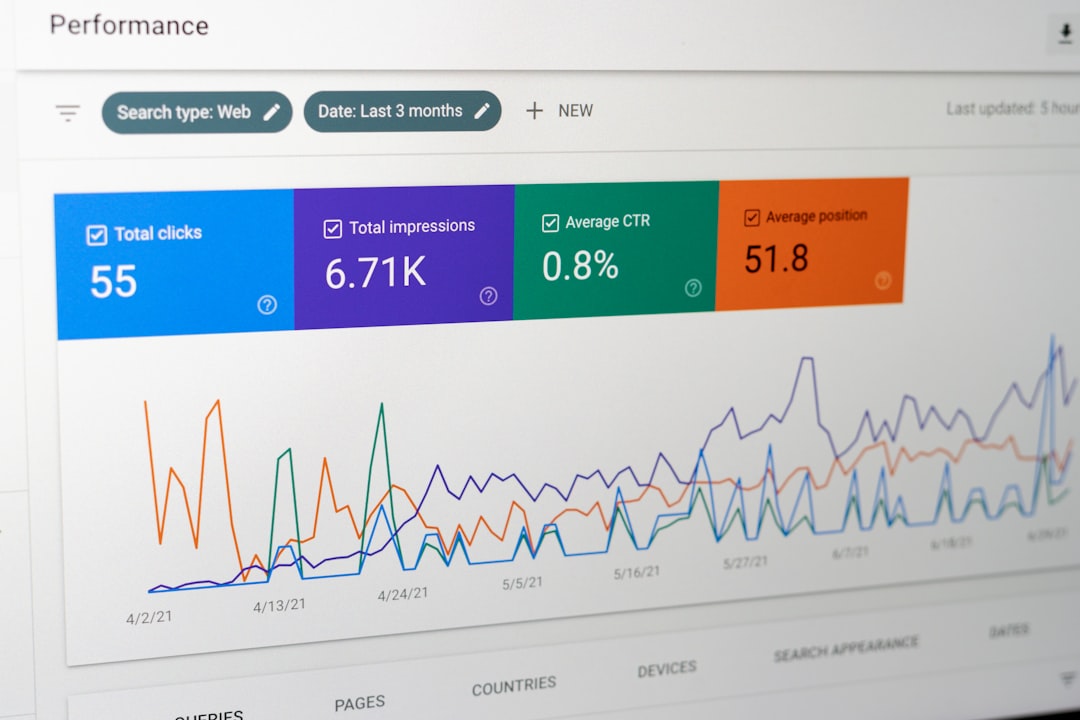
The best next move is usually a focused review of your highest-value pages, not a sitewide rewrite. Start with the pages already earning impressions, the pages tied directly to leads or sales, and the pages closest to page one.
Contact WordPress SEO Expert today to schedule a consultation. We will help you identify whether your main problem is technical SEO, weak on-page signals, poor internal linking, content overlap, or a stack of smaller issues that have been compounding quietly over time.