Low rankings usually come from a scattered plan, not one missing plugin. Most WordPress sites do not have one catastrophic SEO failure. They have a stack of smaller issues that compound over time: indexation mistakes, weak titles, thin internal linking, duplicate URLs, and plugin settings that look fine on the surface but quietly work against visibility.
WordPress SEO in 2026 still comes down to the same rule: fix the issues that block visibility before the issues that polish visibility. If you chase plugin scores before checking crawlability, canonicals, and site structure, you can spend weeks improving the wrong things. For more context on plugin selection, see our Yoast SEO vs Rank Math comparison and our earlier WordPress SEO best practices article.
Start with crawlability and indexation

If search engines cannot reliably crawl your important pages or understand which URLs should be indexed, every other SEO improvement becomes less effective. This is the first thing to verify on a WordPress site, especially after redesigns, migrations, plugin changes, or WooCommerce expansions.
Check whether your key service pages, product categories, and core articles are linked from crawlable pages, included where appropriate in your XML sitemap, and free from accidental noindex settings. Google recommends using crawlable HTML links with descriptive anchor text so it can discover pages and better understand site structure. If a page only exists in a sitemap but not in your internal linking path, that is usually a structural problem worth fixing first.
Use one SEO plugin, not overlapping tools
One well-configured SEO plugin is enough. Running overlapping plugins often creates duplicate metadata, conflicting canonicals, and competing sitemap outputs. A green light in an SEO plugin does not mean the page deserves to rank, and stacking more tools rarely improves that.
Choose one primary plugin and configure the essentials before touching advanced modules: title templates, meta descriptions, archive indexing rules, schema defaults, and sitemap settings. If you are deciding between plugins, keep the trade-off simple. The gap is usually not that one works and one does not. The gap is in interface, included features, and how much clutter each setup creates over time. Our Yoast SEO vs Rank Math guide can help you compare those trade-offs without the hype.
Write title tags for humans first
Title tags remain one of the clearest on-page signals you control, but only when they are specific, concise, and distinct. Repetitive boilerplate and keyword stuffing make titles weaker, not stronger, and they often reduce click appeal even when the page is relevant.
Google says to write descriptive, concise title text and to avoid keyword stuffing or repeating the same words unnecessarily. In practice, that means naming the page for what it actually helps with instead of trying to cram every variation into one line.
| Weak title | Stronger title |
|---|---|
| SEO Services | SEO Company | SEO Expert | WordPress SEO Services for Small Businesses |
| Blog | WordPress SEO Best Practices for 2026 |
| Technical SEO, SEO Audit, SEO Help | Technical SEO Audit for WordPress Sites |
Treat meta descriptions as click support
Meta descriptions are not a direct shortcut to rankings, but they still matter because they can improve how well your result matches user intent in search. Their job is to support the click with a clear, relevant summary, not to repeat a pile of keywords.
Google explains that snippets are often generated from page content, but it may use the meta description when it better summarizes the page. That is why unique descriptions usually work better than sitewide boilerplate. Write them like short ad copy for the exact page, and do not panic if Google sometimes rewrites them.
Fix duplicate URLs before publishing more content
Duplicate and near-duplicate URLs waste attention, dilute signals, and create canonical confusion. On WordPress sites, this is often a more urgent problem than publishing another article, especially for WooCommerce stores and larger blogs with archives, parameters, and filter combinations.
Common duplication sources include attachment pages, tag archives, faceted navigation, pagination bloat, inconsistent trailing slashes, and parameter-driven URLs. Pick the main version of each important page, link to that version consistently, and redirect obsolete variants when needed. A cleaner URL structure also helps Google crawl a site more effectively, which aligns with its URL structure best practices.
Build internal links with intent

Internal linking is one of the fastest ways to improve discoverability and clarify page relationships without rewriting your whole site. Good internal links help search engines find pages, understand topic clusters, and judge which URLs matter most.
Link informational posts to service pages, connect related articles, and make sure your money pages are not isolated. Google recommends anchor text that is descriptive and relevant rather than vague or empty. If you want to strengthen your architecture before adding more posts, our existing WordPress SEO best practices resource and plugin comparison content can help you map the next layer of supporting links more intentionally.
If you are not sure whether your current structure is helping or quietly hurting rankings, WordPress SEO Expert can help.
Keep your site structure simple
A simple structure usually outperforms a clever one. Important pages should be easy to reach, clearly grouped, and understandable to both users and search engines without extra interpretation.
For service businesses, keep core pages close to the main navigation. For blogs, use a small number of meaningful categories instead of dozens of overlapping tags. For WooCommerce, watch for endless crawl paths created by filters and variations. You do not need a perfect taxonomy. You need a structure that loads cleanly, makes sense quickly, and does not bury your high-value pages.
Improve speed without chasing perfect scores

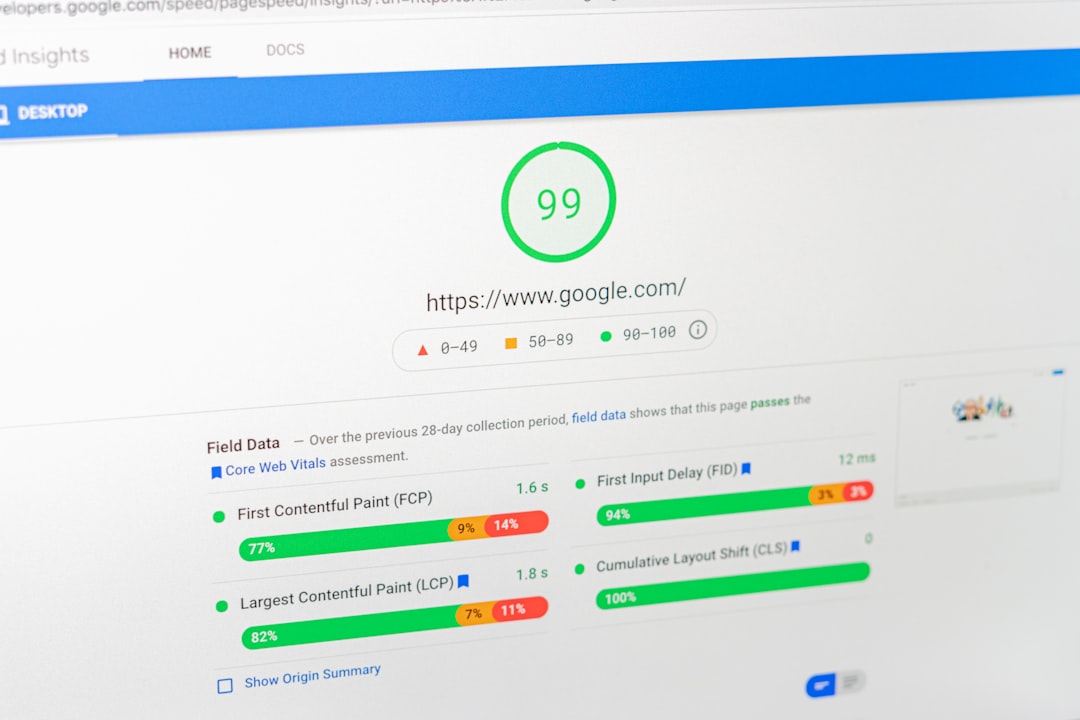
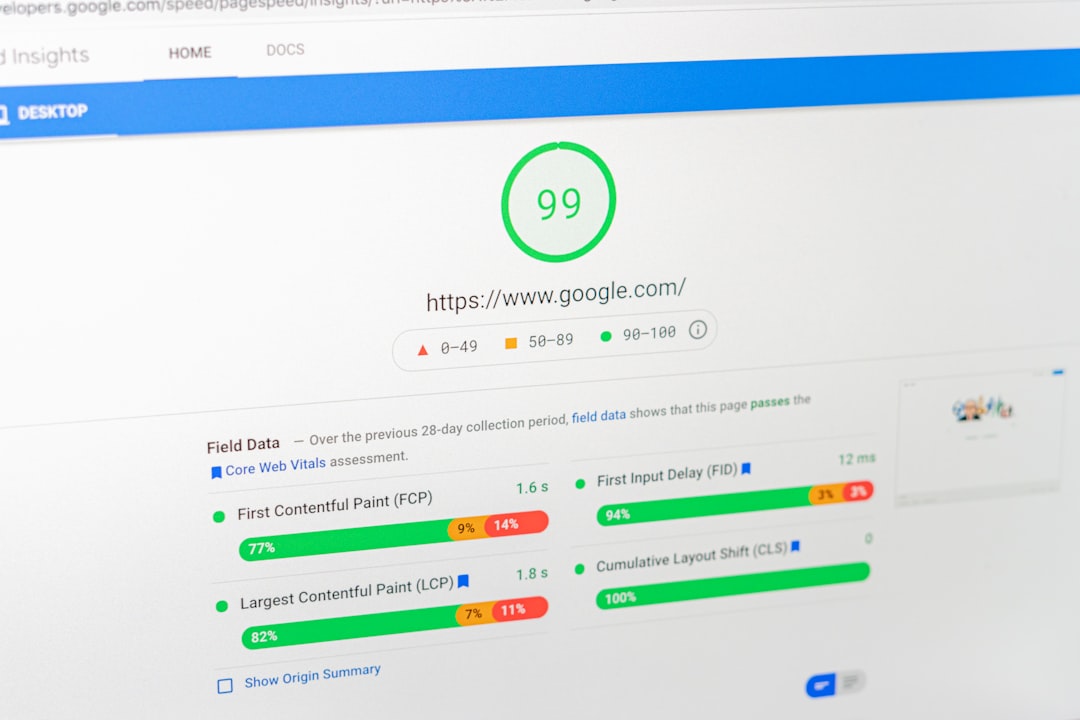
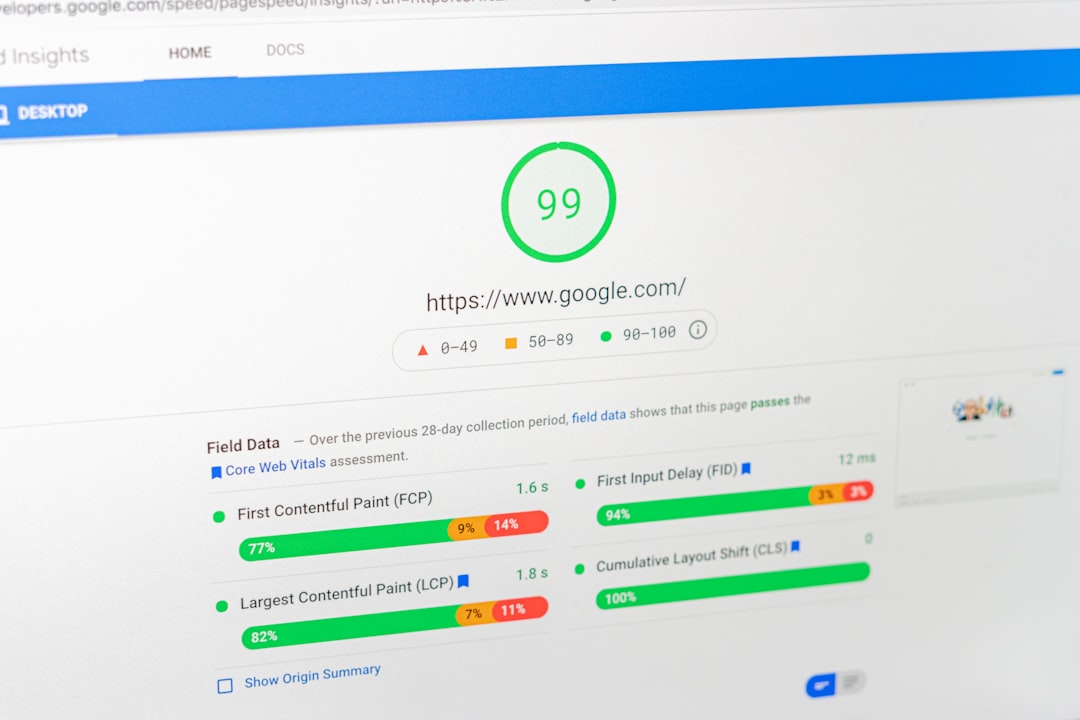
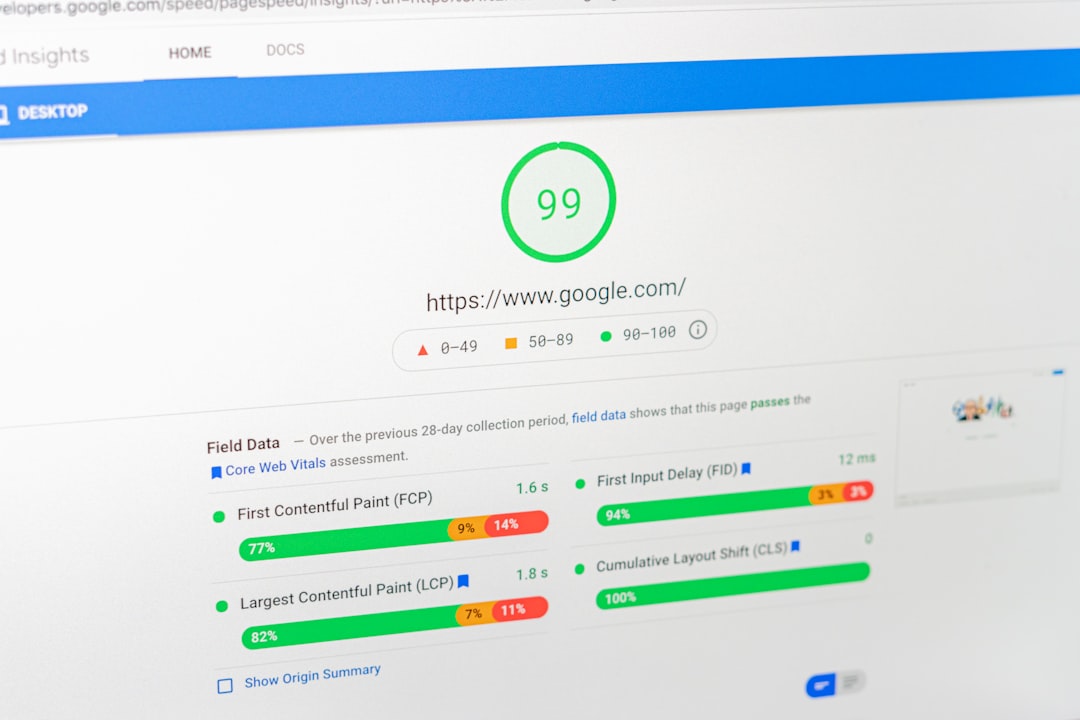
Page speed matters most when slow templates frustrate users or interfere with crawling and usability. The goal is not a vanity score. The goal is a site that loads fast enough, stays stable, and does not force users to fight the page.
Start with the practical fixes: compressed images, better caching, fewer unnecessary plugins, and template-level testing across your homepage, service pages, product pages, and blog posts. Performance work should support usability, not distract from it. Most site owners do not need to obsess over every point. They need to remove the biggest slowdowns first.
Use schema carefully
Structured data can help search engines understand a page more clearly, but it is not a ranking shortcut. Schema should match what the page actually contains and what users can visibly see, otherwise it becomes noise or a compliance risk.
Google’s structured data guidelines say markup should reflect visible page content and should not be misleading. That means you should add relevant schema types cleanly instead of enabling every schema option your plugin offers. Better schema supports clarity. Bloated schema just adds another layer to troubleshoot.
Format content for search intent
Helpful content is easier to rank when the structure matches the searcher’s goal. One clear H1, useful subheadings, short paragraphs, and sections that answer the question directly usually outperform pages trying to cover every angle with no prioritization.
Google’s guidance on helpful, people-first content reinforces the same idea: create pages that genuinely serve visitors, not pages designed only to manipulate rankings. Consolidate overlapping posts, strengthen weak sections, and stop splitting one topic into multiple thin pages just to satisfy a plugin suggestion.
A practical WordPress SEO priority list
If you want a cleaner roadmap, use a short sequence instead of a giant checklist. Fix the issues that block visibility before the issues that polish visibility, then stop when the site is clear, stable, and easy to maintain.
| Priority | What to fix first | Why it matters |
|---|---|---|
| 1 | Indexing and crawl access | Pages cannot rank if search engines cannot reach or index them properly. |
| 2 | Canonicals and redirects | Prevents duplicate URL confusion and diluted signals. |
| 3 | Titles and page intent | Improves relevance and click potential. |
| 4 | Internal linking | Strengthens discovery, hierarchy, and topic relationships. |
| 5 | Template speed issues | Improves usability and page experience. |
| 6 | Content depth and formatting | Helps pages satisfy search intent more clearly. |
| 7 | Schema and sitemap cleanup | Supports cleaner technical signals. |
What to stop doing in 2026
Most WordPress SEO plateaus are made worse by over-optimization. Stop chasing plugin scores, stop publishing thin near-duplicates, and stop assuming more settings always mean better SEO.
You do not need a perfect score. You need a site that is easy to crawl, easy to understand, and useful to real visitors. That usually means fewer overlapping tools, stronger consolidation, simpler titles, and a tighter publishing plan. If your site has stalled, the answer is rarely more noise. It is usually a cleaner setup and a more disciplined order of operations.
The best next step
The best next move is a focused review of the pages that matter most to leads, sales, and existing impressions. Start with what is already close to performing, then remove the technical and structural friction holding those pages back.
If you are dealing with flat rankings, migration losses, WooCommerce duplication, or plugin confusion, WordPress SEO Expert can help. Book a free SEO consultation. No pitch, no pressure. Just an honest look at what your site actually needs and whether your current setup is part of the solution or part of the problem.
Contact WordPress SEO Expert today to schedule a consultation.