Low rankings usually come from a scattered plan, not one missing plugin. WordPress SEO in 2026 works best when your site is easy to crawl, each page has a clear target, and your technical setup does not create duplicate URLs, weak titles, or slow mobile performance.
There is no single trick that fixes every site. Most businesses have a stack of smaller issues that compound over time. That is why a page can be well written and still underperform. If you want the shortest path to improvement, start with crawlability, page targeting, internal links, and speed before chasing advanced tactics.
For a broader walkthrough of foundational fixes, review our guide on how to improve WordPress SEO. If you are also deciding which plugin setup to keep, our comparison of the best SEO plugin for WordPress in 2026 will help you avoid overlapping tools.
Start with one clean SEO setup
The first best practice is simplification. One SEO plugin, one sitemap source, one canonical system, and one person responsible for changes will prevent a surprising number of indexing problems.
A messy plugin stack often causes conflicting schema, duplicate meta tags, multiple XML sitemaps, and titles that change without anyone noticing. In most cases, one well-configured plugin is enough. The goal is not to maximize features. The goal is to make sure search engines get one clear version of every important signal on your site.
Make every important page easy to crawl
If Google cannot crawl a page efficiently, the rest of your SEO work is harder to cash in. Your important pages should be linked internally, included in a sitemap, and not blocked by accidental noindex rules or thin archive clutter.
WordPress has included core XML sitemaps since version 5.5, which gives most sites a solid baseline. Google also treats sitemap inclusion as a useful signal, while stronger canonical signals come from redirects and rel=”canonical” tags. That matters because many WordPress sites generate duplicate versions of category pages, filtered URLs, media attachment pages, and paginated archives if nobody is managing them carefully.
| Area | What to check first | Why it matters |
|---|---|---|
| Robots settings | Confirm key pages are not blocked or noindexed by mistake | Blocked pages cannot build search visibility |
| Sitemaps | Keep one primary sitemap source and submit it in Search Console | Helps discovery and keeps signals cleaner |
| Archives | Noindex low-value tag or author archives when they add little value | Reduces index bloat |
| Internal links | Link to core service and money pages from relevant content | Improves discovery and signal flow |
| Redirects | Redirect old URLs after redesigns and migrations | Protects authority and traffic |
Use clear titles and headings
Your titles should describe the page plainly, not impress a plugin score. Descriptive, concise titles and distinct page-level headings still do more for SEO than stuffing variations into every field.
Google recommends descriptive and concise title text and specifically advises against keyword stuffing and repetitive boilerplate across pages. In practice, that means each service page, location page, category page, and article should have a distinct title that reflects the actual search intent behind that page.
Weak title: SEO Services | SEO Company | SEO Expert
Stronger title: WordPress SEO Services for Small Businesses
Weak heading structure usually shows up when the H1 says one thing, the title tag says another, and the body tries to rank for three different topics. Keep the page tightly aligned around one primary topic and a few natural supporting terms.
Control duplicate URLs before they pile up
Duplicate content in WordPress is usually a URL management problem, not a content theft problem. Canonicals, redirects, and smarter archive handling are what clean it up.
Google treats redirects and rel=”canonical” as strong canonical signals, while sitemap inclusion is weaker. That is useful for WordPress sites because duplicates often appear through trailing slash inconsistencies, HTTP to HTTPS variants, parameterized URLs, search result pages, and WooCommerce filter combinations. You do not need to panic about every similar page, but you do need to make sure Google can tell which version you actually want indexed.
This is one of the most common reasons rankings stall after a redesign or plugin change. The content may still exist, but the signals are spread across multiple versions. If you want a second set of eyes before changing settings, WordPress SEO Expert can help identify whether the problem is duplication, crawl waste, or something else entirely.
Improve speed, but stop before perfectionism

Fast sites help users and reduce friction, but not every performance issue deserves equal time. Fix the changes that improve real loading behavior on mobile first, then stop when the returns flatten out.
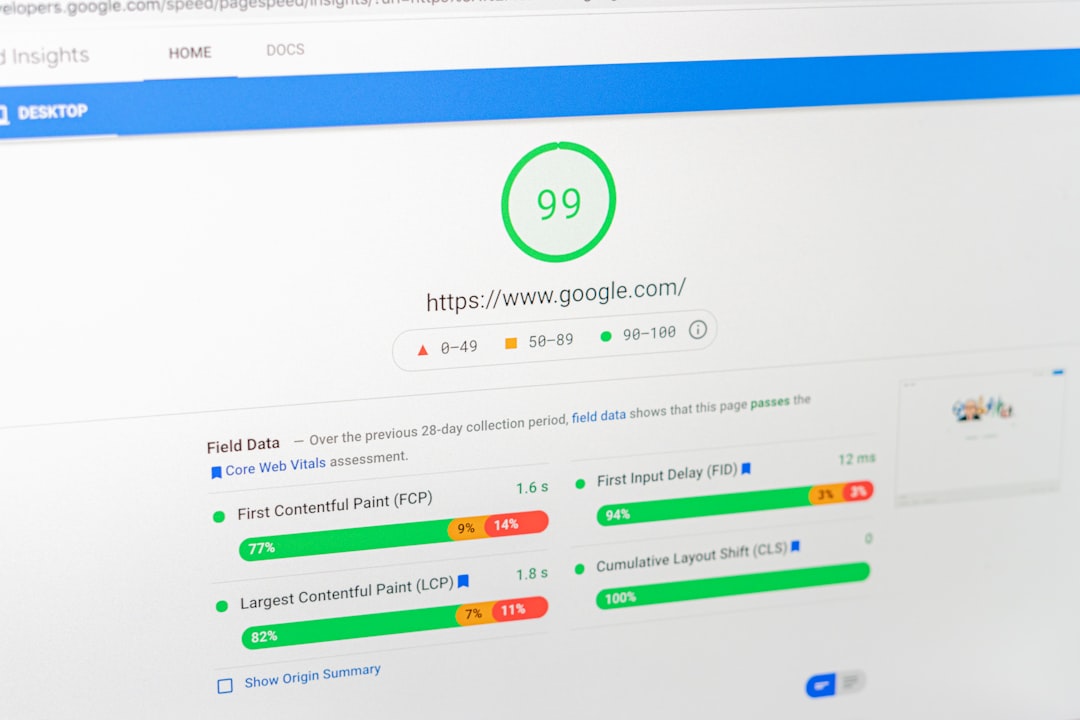
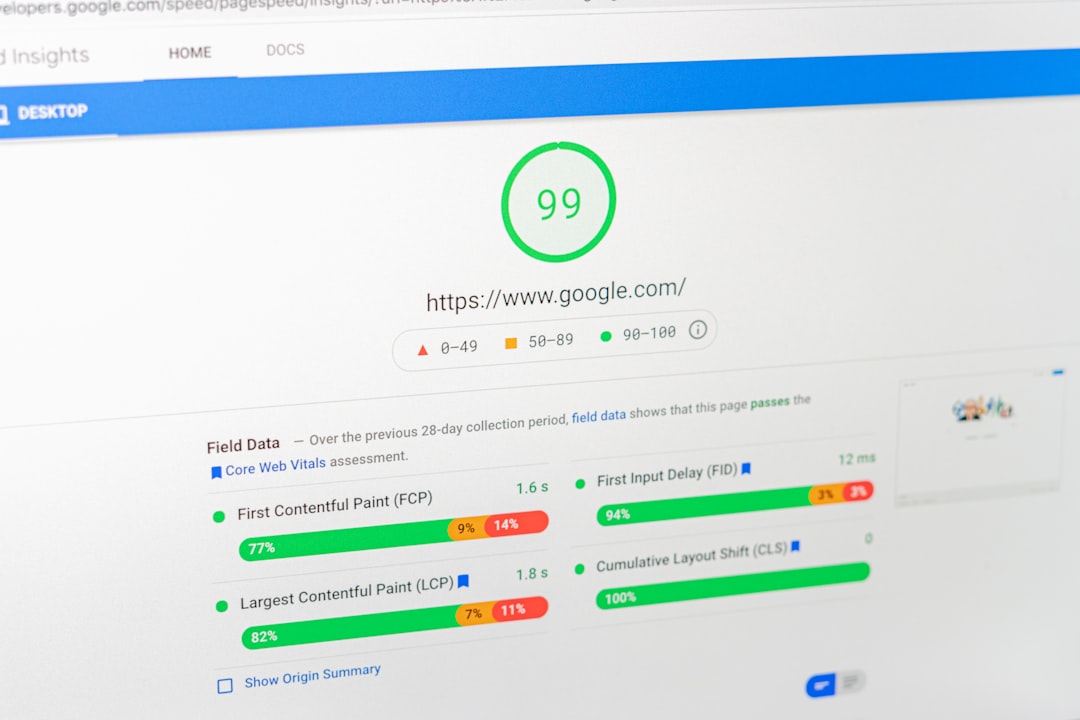
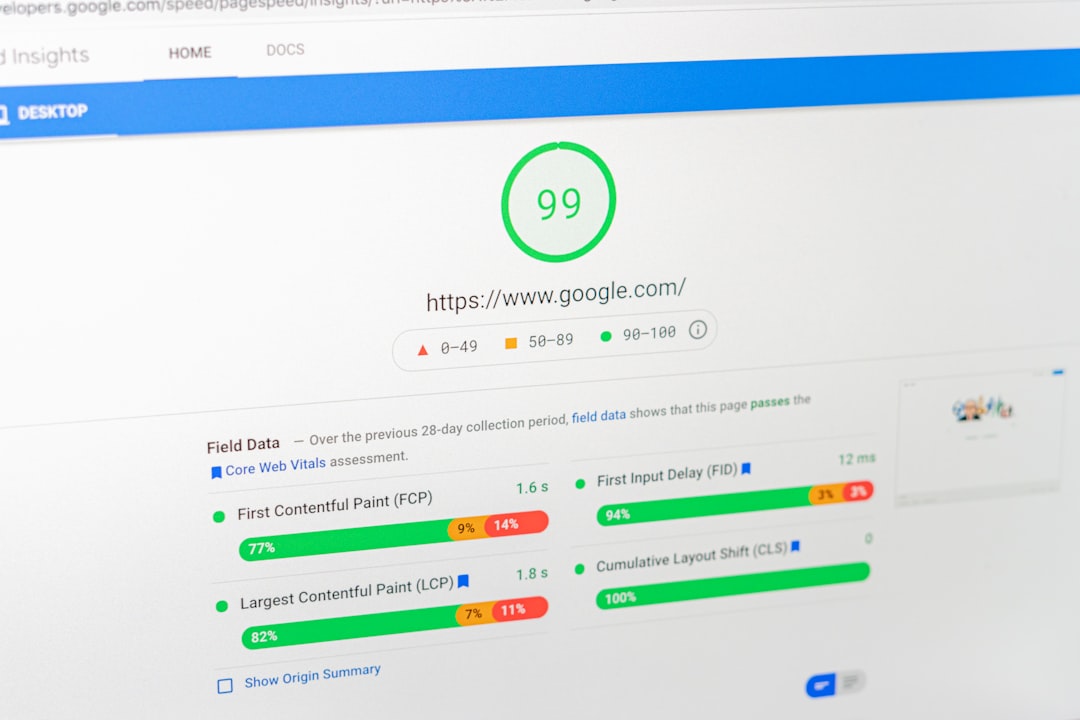
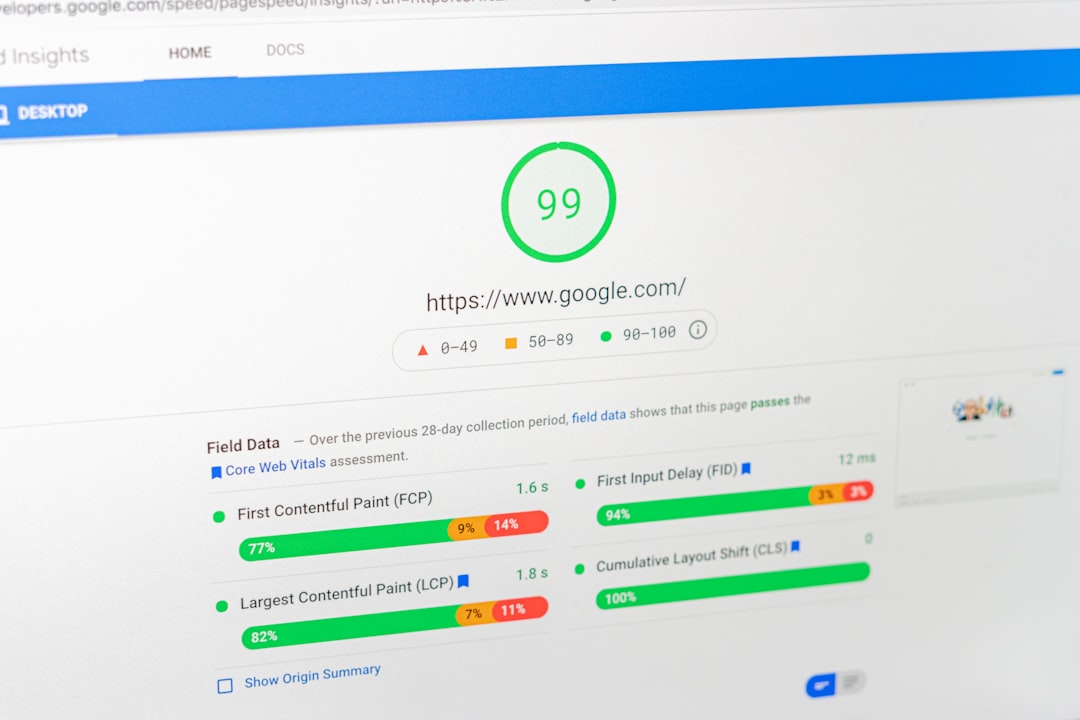
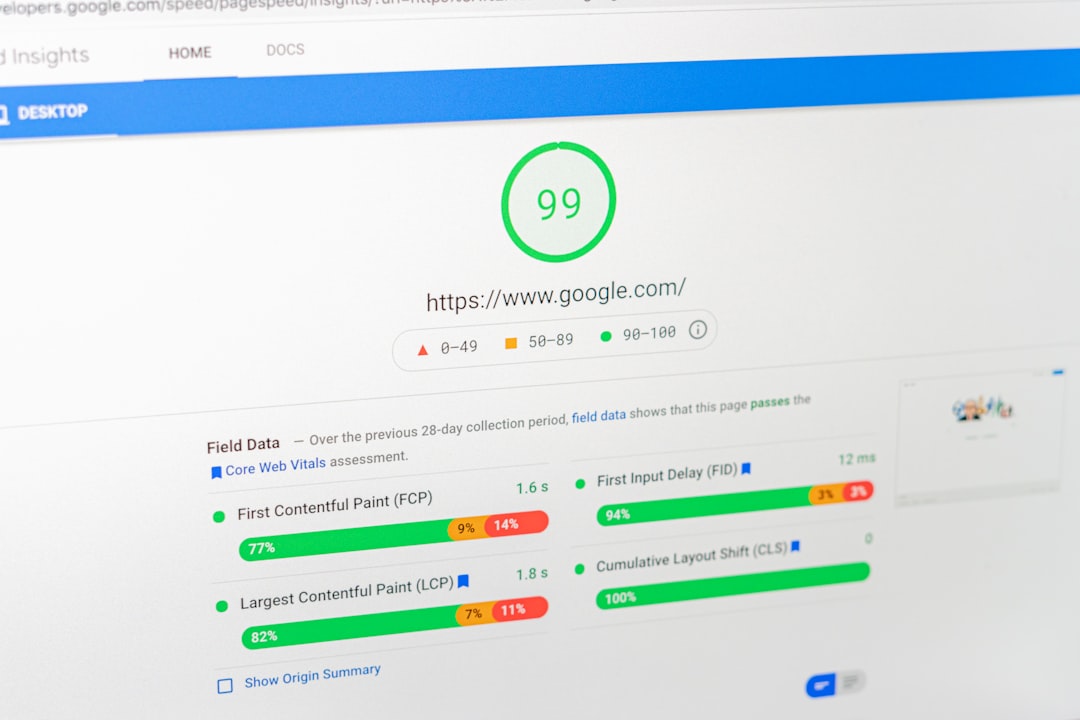
Core Web Vitals still matter because they reflect loading, interactivity, and layout stability. For most WordPress sites, the biggest wins come from image compression, lighter themes, fewer heavy plugins, page caching, and better hosting. A practical target is a site that feels fast, renders key content quickly, and avoids layout shifts on mobile. Chasing perfect scores usually burns time that would be better spent on content quality or internal linking.
A typical example is oversized imagery. A homepage with several uncompressed hero and banner images can stay slow no matter how many plugin tweaks you make. Compress images, serve modern formats where appropriate, and lazy-load below-the-fold media instead of trying to solve everything with one optimization plugin.
Build pages around search intent, not keyword density
Search intent is the difference between pages that rank and pages that just exist. Before writing or rewriting a page, decide whether the searcher wants a service, an explanation, a comparison, a local option, or a product category.
Many WordPress sites underperform because one page tries to target informational, local, and transactional intent at the same time. A service page should act like a service page. A blog post should answer a question deeply. A category page should help users compare options and move toward a decision. When intent is mixed, titles get vague, headings get bloated, and conversions suffer even when traffic shows up.
Strengthen internal linking with purpose

Internal links should move authority and context toward the pages that matter most. Random related-post widgets are not a strategy. Descriptive anchor text inside the body usually does more than sitewide clutter.
Google can use anchor text to understand linked pages, which is why contextual internal links are so useful. Link from supporting articles to service pages, from high-traffic guides to conversion pages, and from newer content to older pages that still deserve visibility. This is also where content clusters become practical instead of theoretical.
If your content library is growing, connect broader strategy pieces with implementation articles. For example, someone reading this post may also need our breakdown of how to improve WordPress SEO or a cleaner plugin decision from our post on the best SEO plugin for WordPress in 2026.
Use this priority order for WordPress SEO
If your site feels overwhelming, do not fix everything at once. Follow a simple order: indexing and crawl issues first, duplicate control second, page targeting third, performance fourth, and content expansion last.
| Priority | Focus | Expected outcome |
|---|---|---|
| 1 | Crawlability and indexation | Important pages can be discovered and indexed properly |
| 2 | Canonicals, redirects, and URL cleanup | Signals consolidate to the right pages |
| 3 | Titles, headings, and page intent | Pages match what searchers actually want |
| 4 | Speed and mobile experience | Lower friction for users and stronger technical quality |
| 5 | New content and link support | More topical depth without compounding old problems |
When to get help
If rankings dropped after a redesign, migration, or plugin overhaul, guesswork usually makes it worse. A focused audit can tell you whether the real bottleneck is technical, structural, or competitive.
WordPress SEO Expert helps businesses sort through the issues in the right order instead of applying generic checklists. If you are not sure whether your problem is indexing, duplicate URLs, weak targeting, or internal linking, request a free WordPress SEO audit and we will help you identify what to fix first.
Good WordPress SEO in 2026 is not about chasing loopholes. It is about a clean technical foundation, clear page targeting, strong internal links, and a site structure that makes sense to both users and search engines. Contact WordPress SEO Expert today to schedule a consultation if you want a practical roadmap instead of another vague SEO to-do list.