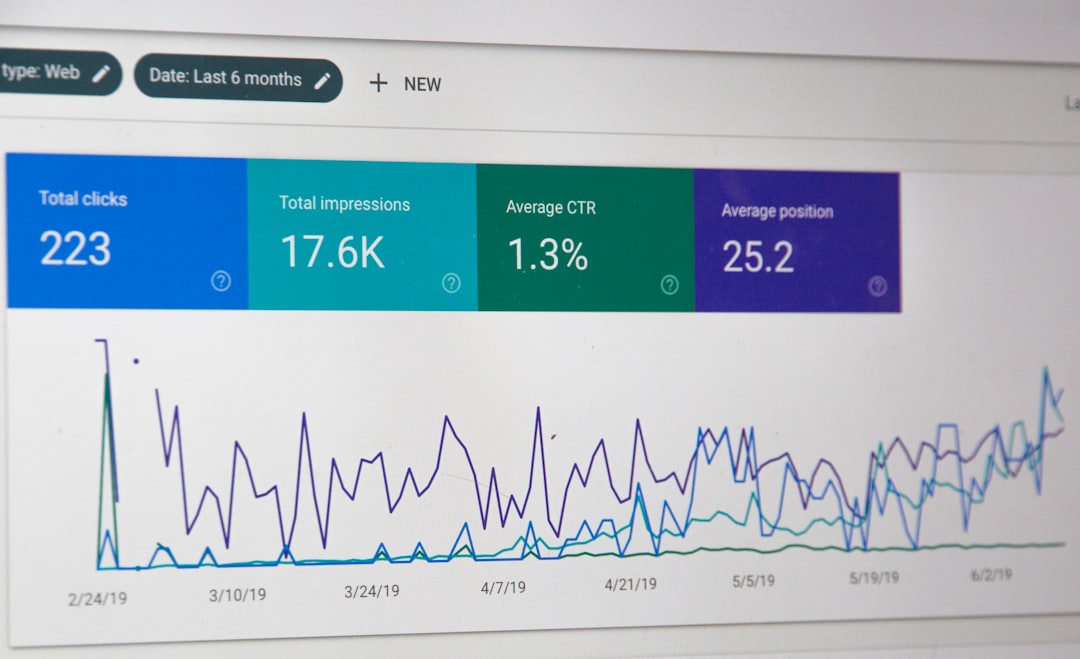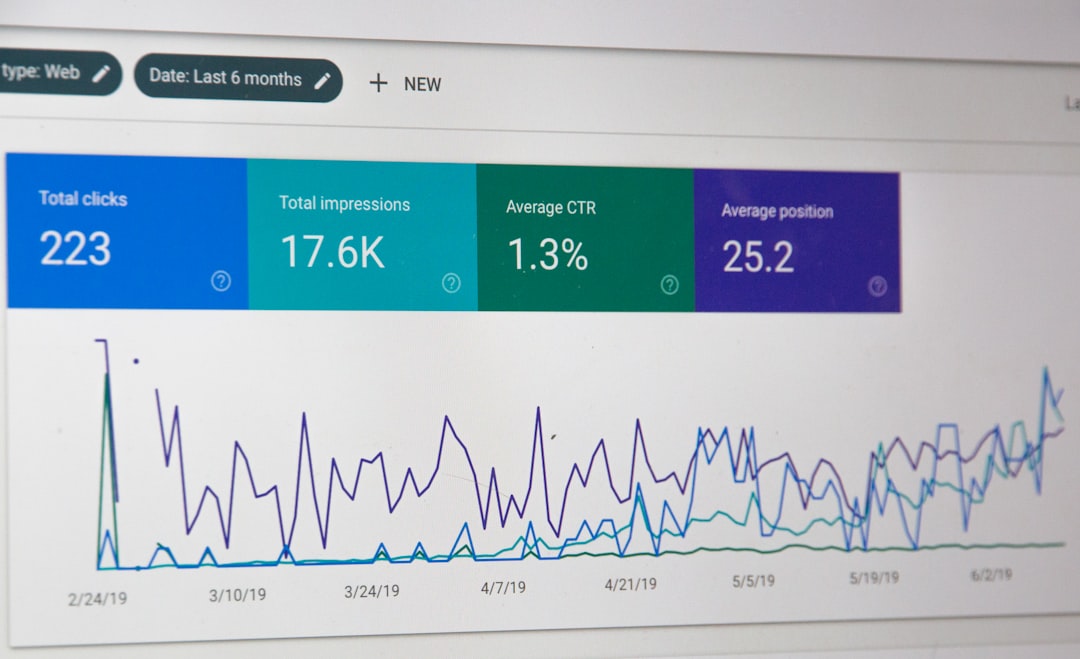
Most beginner SEO problems on WordPress come from scattered priorities, not a lack of effort. If your traffic is flat, the first step is not another plugin or a longer checklist. It is a simple audit that shows what is blocking visibility first, what needs cleanup second, and what can wait.
That matters because a green light in an SEO plugin does not mean the page deserves to rank. Google recommends clear titles, accurate descriptions, crawlable links, and structured data that matches visible content. A practical audit helps you check those fundamentals before you spend time polishing lower-impact details.
If you need a broader foundation before you audit, review our WordPress SEO guide for DIY site owners. If your settings already feel messy, our article on how to fix WordPress SEO setup problems is the right companion piece.
What should a beginner audit first?
Start with the issues that decide whether search engines can reach, understand, and trust your important pages. That means indexing, one-plugin setup, titles, internal links, and obvious duplication. Beginners usually lose time by starting with schema, scores, or minor readability tweaks before the site basics are stable.
A practical beginner audit is not about checking every box. It is about confirming that your most important pages can be crawled, have a clear target, and are supported by the rest of the site. Once those signals are clean, the smaller improvements become worth your time.
Step 1: Check whether important pages are indexable
If key pages are blocked, no amount of content editing will help. Open your main service pages, homepage, and top blog posts and confirm they are live, internally linked, and not accidentally set to noindex. This is the first filter because pages cannot rank if search engines are being told to ignore them.
Look for pages that exist but feel invisible. Common WordPress problems include thin archives being indexed while core pages are weakly linked, or important pages being buried deep in the site. Google’s guidance also emphasizes using crawlable HTML links with descriptive anchor text, which is why navigation and contextual links matter so much.
What to review in this step
Check your Reading settings, your SEO plugin indexation settings, and whether your XML sitemap includes the pages you actually want to rank. If your blog has thin tag, author, or date archives, they may need to stay out of the index while your real business pages get more focus.
Step 2: Remove plugin overlap
One well-configured SEO plugin is enough for most WordPress sites. If you are running overlapping SEO, schema, sitemap, or redirection features across several tools, your audit should flag that early. Conflicting signals create confusion that is harder to diagnose than a simple missing setting.
This is one of the most common beginner mistakes because extra plugins feel like extra coverage. In practice, they often create duplicate metadata, competing sitemap outputs, or mixed canonical behavior. A simpler setup is easier to trust, easier to maintain, and easier to troubleshoot when rankings stall.
If your setup already feels cluttered, WordPress SEO Expert can help. A beginner audit often becomes much clearer once we reduce the stack to one primary SEO system and review what that system is actually controlling.
Step 3: Audit page titles before rewriting content


Titles are one of the clearest signals you control, so they should be reviewed before you rewrite full pages. Google recommends writing title text that is descriptive and concise, and it warns against keyword stuffing and repetitive boilerplate. That makes title cleanup one of the fastest useful checks in a beginner audit.
Look at your homepage, service pages, and posts already getting impressions. If titles are vague, repetitive, or stuffed with slight keyword variations, rewrite those first. Strong titles help search engines understand the page and help users decide whether to click.
| Weak title | Stronger title |
|---|---|
| SEO Services | SEO Company | SEO Expert | WordPress SEO Services for Small Businesses |
| Blog | WordPress SEO Tips for Beginners |
| Home | Local Plumbing Repairs in Austin |
The goal is not to force the exact keyword into every corner. The goal is to make each important page distinct, understandable, and aligned with what the visitor expects to find.
Step 4: Review meta descriptions the right way
Meta descriptions support clicks, not rankings. They still matter in an audit because weak or duplicated descriptions make search snippets less helpful. Google says it may use the meta description when it better summarizes the page, so the description should match the specific page rather than repeat a generic sitewide template.
Focus only on important pages first. If your homepage, top service pages, and top-performing posts have blank or recycled descriptions, rewrite those before worrying about low-value archive pages.
Step 5: Check heading structure and on-page targeting
Beginners often overcomplicate this part. A clean heading structure usually means one clear H1, useful H2s, and sections that match the page topic. You do not need perfect optimization scores. You need a page that is easy to scan and clearly focused on one main intent.
Audit whether the page title, H1, opening paragraph, and major subheadings all point to the same subject. If a service page tries to target several different intents at once, simplify it. One focused page is usually stronger than a page trying to rank for everything.
Step 6: Find weak internal links
Internal links are one of the most practical wins in a beginner audit because they help both discovery and context. Google recommends crawlable links built with standard HTML anchor elements and descriptive anchor text. That means your important pages should be linked naturally from relevant posts and pages, not just hidden in a menu.
Look for orphaned pages, vague anchor text, and blog posts that never point readers toward your core service pages. A healthy internal linking pattern makes it easier for search engines to understand which pages matter most and how your topics connect.
For a more detailed cleanup sequence, see our post on fixing WordPress SEO setup problems. It pairs well with this beginner audit if you already suspect plugin conflicts or indexation mistakes.
Step 7: Flag duplicate or low-value pages




Most sites do not have one catastrophic issue. They have a stack of similar pages, thin archives, or old posts competing with each other. A beginner audit should identify duplication early so you stop publishing into the same confusion.
Look for multiple posts covering nearly the same topic, category or tag pages with little value, and attachment pages that add nothing useful. If two pages target the same need, one stronger page is usually better than two weaker ones.
Step 8: Review schema without treating it like a shortcut
Schema belongs near the end of a beginner audit, not the start. Google’s structured data guidance says the markup should represent the main visible content of the page and should not be misleading. That makes schema a support layer, not a rescue tool.
For most small WordPress sites, simple defaults are enough. If your plugin is adding markup that does not match what users can actually see, that should be cleaned up. But do not let schema distract you from bigger problems like weak titles, poor linking, or duplicate pages.
A simple beginner audit checklist
If you want a short version, audit the issues in the order below. This sequence helps you work on the pages and settings that affect visibility first, instead of getting lost in minor refinements.
| Priority | What to audit | Why it matters |
|---|---|---|
| 1 | Indexing and crawl access | Pages cannot rank if they are blocked or unsupported |
| 2 | SEO plugin overlap | Conflicting settings create sitewide confusion |
| 3 | Titles on key pages | Improves clarity and click potential |
| 4 | Meta descriptions | Supports stronger search snippets |
| 5 | Heading structure | Keeps each page focused and easy to scan |
| 6 | Internal links | Strengthens discovery and page relationships |
| 7 | Duplicate or thin pages | Prevents diluted signals and wasted effort |
| 8 | Schema accuracy | Refines technical clarity after the basics are stable |
When should a beginner get help?
If your rankings are flat after a basic audit, the issue is usually prioritization, not effort. Many site owners know enough to notice that something is off, but not enough to tell whether the real problem is indexing, duplication, weak targeting, or plugin clutter.
If that sounds familiar, WordPress SEO Expert can help. We can review what your site is signaling now, what is conflicting, and what to fix first so you stop guessing through plugin settings and generic checklists.
Book a free SEO consultation. No pitch, no pressure. Just an honest look at what your site actually needs and whether your current setup is part of the solution or part of the problem.
Contact WordPress SEO Expert today to schedule a consultation if you want a practical audit roadmap without the usual SEO noise.