WordPress SEO problems usually come from a messy setup, not one missing trick. If your site is not ranking the way you expected, the fastest fix is to troubleshoot in order: visibility first, plugin conflicts second, page signals third, and polish last.
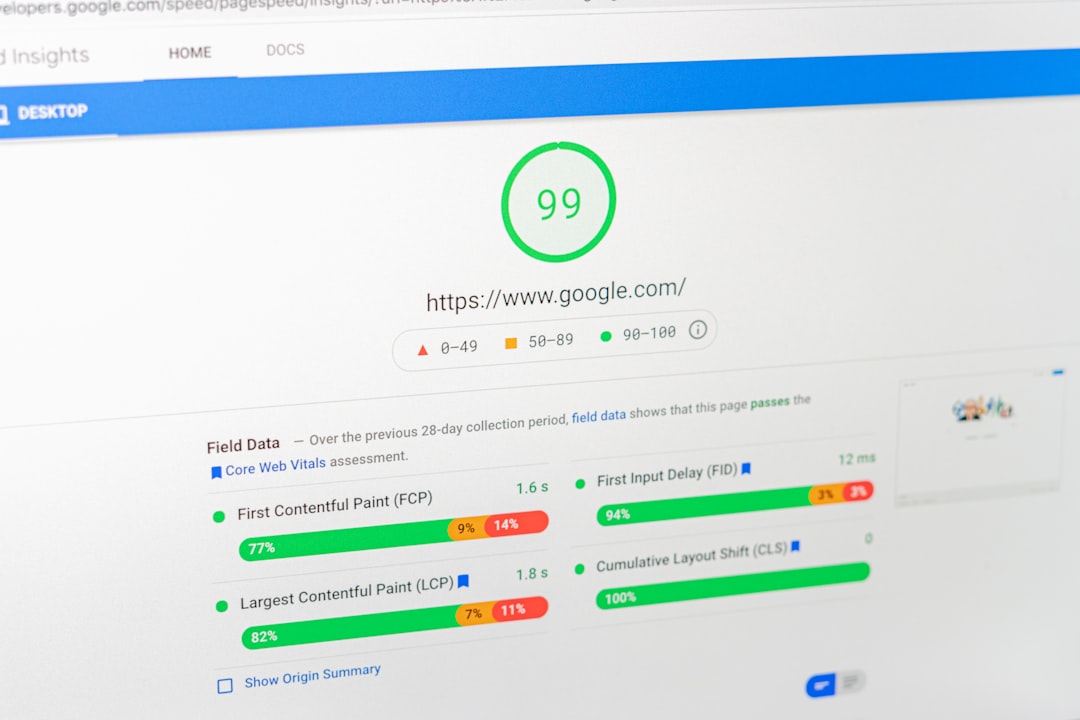
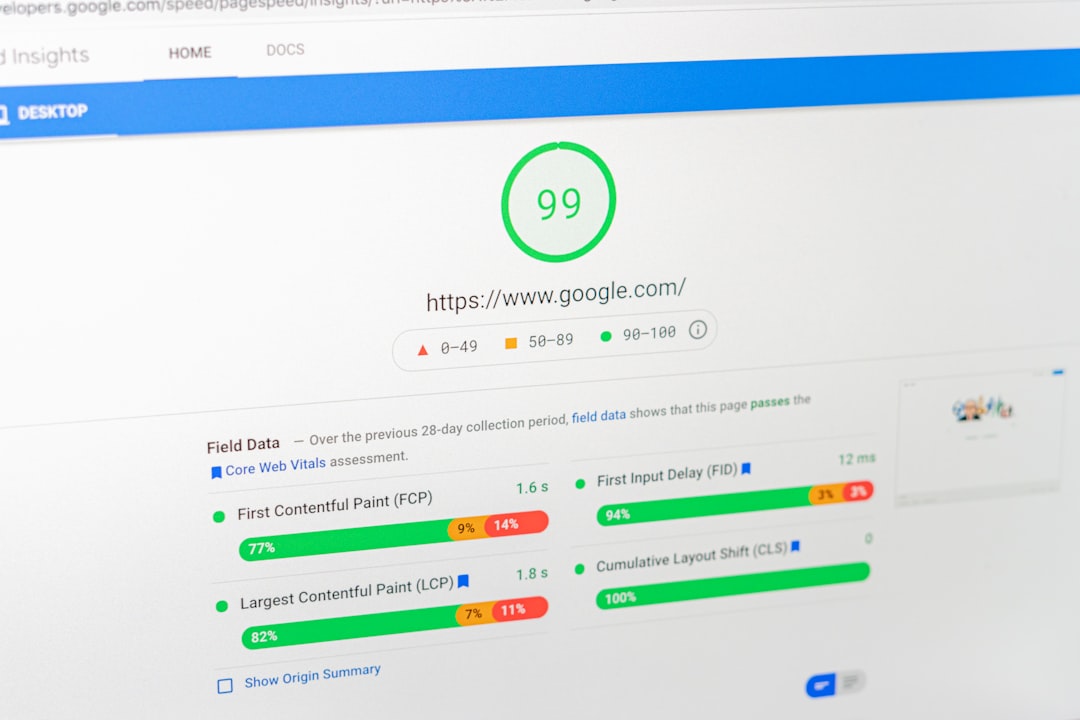
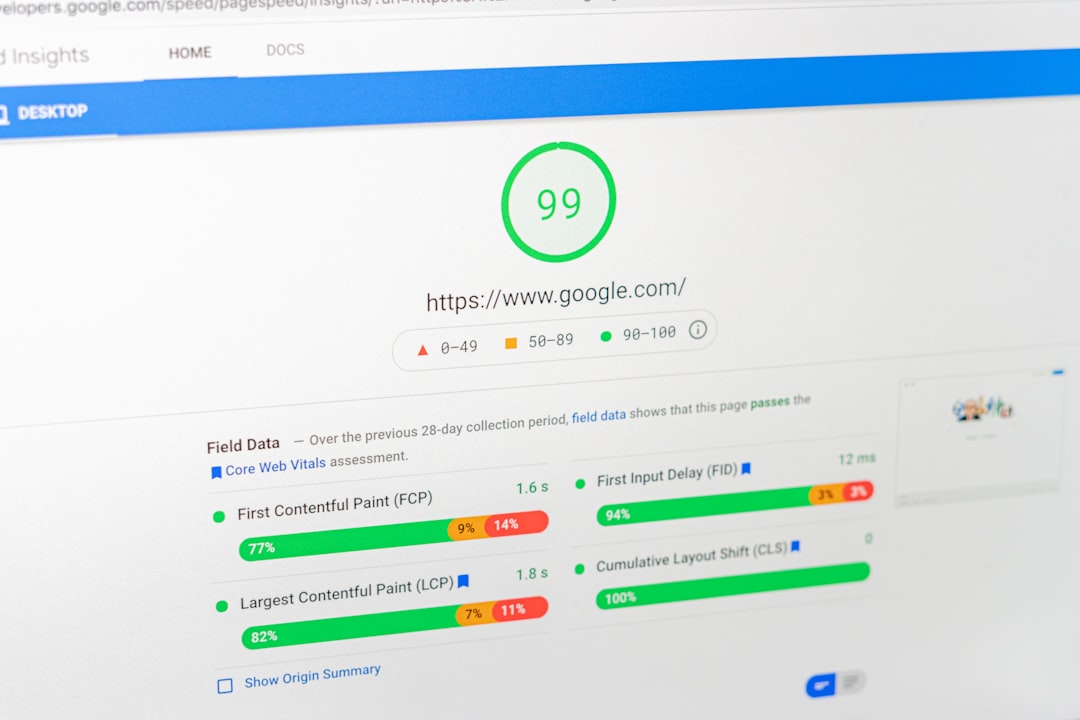
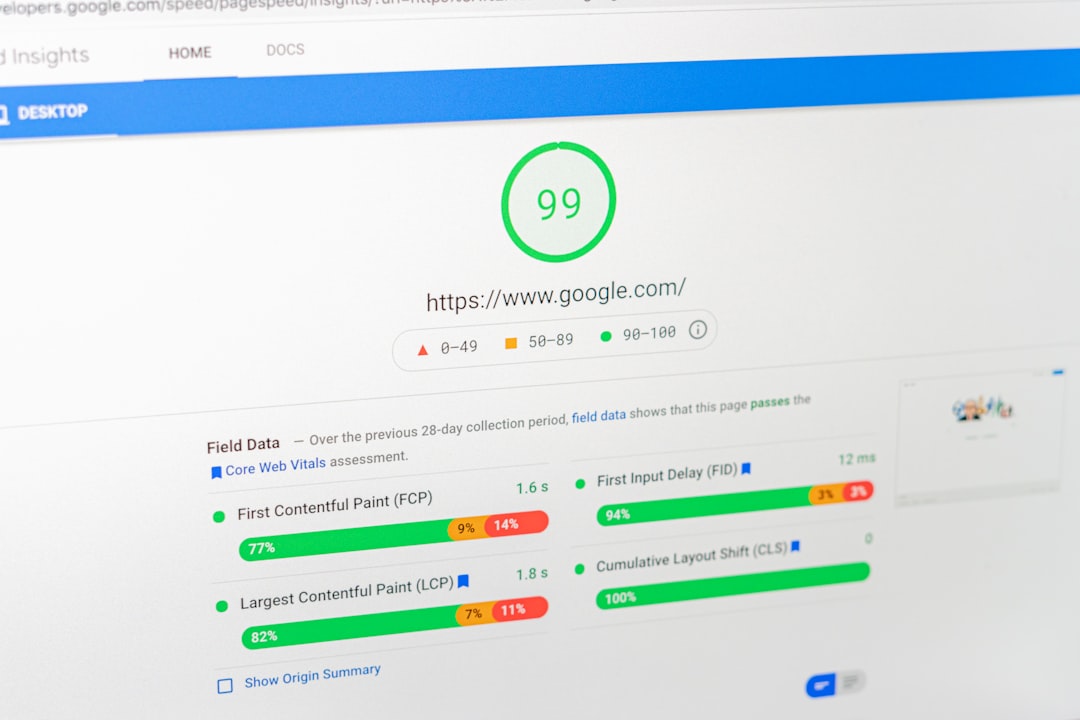
That matters because many beginners are doing real work but focusing on the wrong layer. A green light in an SEO plugin does not mean the page deserves to rank. Clear signals, clean structure, and sensible priorities matter more than a perfect plugin score.
If you want a simpler foundation before troubleshooting deeper issues, review our WordPress SEO setup for beginners guide and our guide to fixing WordPress SEO setup problems. Those two posts pair well with the checklist below.
Start with what blocks visibility



The first question is simple: can search engines crawl and index the pages you want to rank? If the answer is no, titles, schema, and content tweaks will not solve the main problem.
Check whether your important pages are live, linked internally, and included in your sitemap. Also review whether any pages are accidentally set to noindex, hidden behind poor navigation, or buried so deeply that search engines and users struggle to find them.
What to check first
| Check | Why it matters |
|---|---|
| Search engine visibility settings | Can prevent indexing sitewide if configured incorrectly |
| XML sitemap | Helps search engines discover important pages |
| Internal links | Supports crawling and shows which pages matter most |
| Archive settings | Thin or low-value archives can dilute site signals |
| Page status | Broken, redirected, or blocked pages weaken visibility |
Use one SEO plugin only

One well-configured SEO plugin is enough for most WordPress sites. If you are running multiple SEO plugins, troubleshooting gets harder because they can create overlapping metadata, conflicting canonicals, and duplicate sitemap outputs.
This is a common beginner problem, especially on sites that changed owners, were redesigned, or had several people adding tools over time. Remove overlap first, then configure one plugin properly instead of trying to combine features from several systems.
Check titles before rewriting content
Your page titles are one of the clearest SEO signals you control. If they are vague, repetitive, or stuffed with keyword variations, search engines get a weaker summary of the page and users get a weaker reason to click.
Start with your homepage, main service pages, top categories, and posts already getting impressions. Fix the pages that matter most before spending time on low-value archives or old posts that bring in no visibility.
| Weak title | Stronger title |
|---|---|
| SEO Services | SEO Company | SEO Expert | WordPress SEO Services for Small Businesses |
| Blog | How to Troubleshoot WordPress SEO |
| Best SEO Plugin, SEO Plugin, WordPress SEO Plugin | How to Choose a WordPress SEO Plugin |
Fix duplicate signals next

Many WordPress sites struggle because the same content can appear through multiple URLs, archives, or filtered versions. That creates confusion about which page is the main one and spreads authority too thin.
Look for duplicate category pages, tag archives, attachment pages, parameter URLs, and inconsistent internal linking to different versions of the same page. Canonicals and redirects should support one preferred version, not several competing ones.
Most site owners do not have one catastrophic problem. They have a stack of smaller issues that compound over time. That is why duplicate cleanup often has a bigger impact than another round of copy edits.
Use meta descriptions as support, not a shortcut

Meta descriptions can improve how a page is summarized in search, but they do not rescue weak structure or poor targeting. Treat them as click support after the core technical and page-level issues are under control.
Write custom descriptions for your homepage, service pages, main categories, and best posts first. If your plugin is generating the same pattern across dozens of pages, clean that up before publishing more content.
Strengthen internal links after the basics


Internal links help search engines discover pages, understand topical relationships, and identify which URLs matter most. They also help visitors move naturally from a question to a service or from one useful guide to the next.
Link related posts together, connect informational content to service pages where it makes sense, and make sure important pages are not depending only on a sitemap for discovery. If your SEO feels scattered, weak internal linking is often part of the problem.
If you are experiencing these symptoms, our team at WordPress SEO Expert can help. A focused review usually shows whether the real issue is indexing, duplication, weak targeting, or plugin clutter.
A beginner troubleshooting order that works
Fix the issues that block visibility before the issues that polish visibility. This order keeps you from wasting time on small edits while larger technical problems are still suppressing performance.
| Priority | What to troubleshoot | Why it comes first |
|---|---|---|
| 1 | Indexing and crawl access | Pages cannot rank if they are not reachable or indexable |
| 2 | SEO plugin overlap | Conflicting settings create sitewide signal problems |
| 3 | Canonicals and redirects | Reduces duplicate URL confusion |
| 4 | Page titles | Improves topical clarity and click potential |
| 5 | Meta descriptions | Supports better search snippets |
| 6 | Internal linking | Strengthens discovery and page hierarchy |
| 7 | Schema cleanup | Refines signals after the foundation is stable |
What beginners should stop doing
Stop chasing plugin scores as if they are rankings. They are not. They can be useful prompts, but they do not measure whether the page is the best answer, whether the site structure is clean, or whether search engines are receiving consistent signals.
Also stop stacking tools, publishing near-duplicate posts for slight keyword variations, and fixing minor wording issues before checking crawlability, duplication, and page targeting. You do not need a perfect score. You need a site that is clear, usable, and technically consistent.
When to ask for help
If your rankings are flat after you have handled the basics, the problem is often prioritization rather than effort. A second set of eyes can usually tell you whether the bottleneck is technical SEO, weak page targeting, thin internal linking, or a setup problem left behind by an old plugin or redesign.
WordPress SEO Expert can help you sort out what to fix first without turning your site into a bigger mess. Book a free SEO consultation. No pitch, no pressure. Just an honest look at what your site actually needs and whether your current setup is part of the solution or part of the problem.
Contact WordPress SEO Expert today to schedule a consultation if you want a practical troubleshooting plan for your site.