Low rankings usually come from a scattered plan, not one missing plugin. If you want faster growth from WordPress, focus on the fixes that help Google crawl, understand, and trust your most important pages before you spend more time chasing plugin scores.
This is where most site owners get stuck. They publish more posts, install another SEO tool, and tweak titles for the tenth time while the real blockers stay in place. The better approach is to fix the issues that block visibility before the issues that only polish visibility. If you need a stronger baseline first, review our WordPress SEO best practices and our breakdown of Yoast SEO vs Rank Math before changing your setup again.
Start With What Google Can Actually See

The first priority is simple: make sure Google can crawl the right pages and understand what each page is about. Google recommends descriptive, concise titles, crawlable links, and people-first content rather than content built mainly to manipulate rankings.
That means checking whether your key service pages, product categories, and lead-generating posts are indexable, internally linked, and clearly differentiated from weaker archive or duplicate URLs. A page cannot grow if Google is crawling the wrong version, seeing conflicting signals, or finding it only through a sitemap.
What to check first
Look at your robots settings, noindex rules, canonicals, redirects, and sitemap output. Then open your core pages and ask a blunt question: if Google landed here cold, would the title, heading, internal links, and body content all point to the same topic?
Most site owners do not have one catastrophic problem. They have a stack of smaller issues that compound over time. One weak title will not sink a page, but a weak title plus thin copy plus poor internal linking plus duplicate URLs often will.
Use One SEO Plugin, Not a Stack
One well-configured SEO plugin is enough. Running overlapping plugins often creates duplicate metadata, conflicting canonicals, and competing sitemap outputs, which makes troubleshooting harder and growth slower.
If your site has Yoast, Rank Math, schema add-ons, and extra sitemap tools all trying to control the same output, simplify first. The goal is not to have the most features. The goal is to have one clean setup that you can audit without guessing which plugin created which tag.
A green light in an SEO plugin does not mean the page deserves to rank. Plugin suggestions can be useful prompts, but they are not a substitute for search intent, topical clarity, and strong site structure. If you are not sure whether your current configuration is helping or quietly hurting you, WordPress SEO Expert can help.
Write Titles for Clicks, Not Scores
Your title tag still matters because it helps users decide whether to click and helps Google understand the page. Google says titles should be descriptive and concise, and it warns against keyword stuffing and repetitive boilerplate.
That usually means dropping vague titles and writing titles that match the real purpose of the page. Do not force every variation into one line. Make the main topic clear, keep the wording readable, and give each important page a distinct title.
| Weak title | Stronger title |
|---|---|
| SEO Services | SEO Company | SEO Expert | WordPress SEO Services for Small Businesses |
| Blog | WordPress Google SEO Tips for Faster Growth |
| Best SEO Plugin, SEO Plugin, SEO Tools | How to Choose One SEO Plugin for WordPress |
If several pages on your site use nearly identical titles, fix that before publishing more content. Repetitive titles make it harder for both users and search engines to understand why one page should outrank another.
Make Internal Linking a Growth Lever

Internal linking is one of the fastest ways to strengthen weak pages without creating more content. Google recommends anchor text that is descriptive, concise, and natural, which helps it understand the relationship between pages.
This is where many WordPress sites leave easy gains on the table. Important pages sit buried in menus or archives, while blog posts attract impressions but never pass relevance or authority to service pages. Link broad educational posts to commercial pages, connect related posts to each other, and stop leaving high-value pages isolated.
A simple rule helps here: every page that matters should receive links from other crawlable, relevant pages on the site. If a page only exists in your sitemap, it is under-supported.
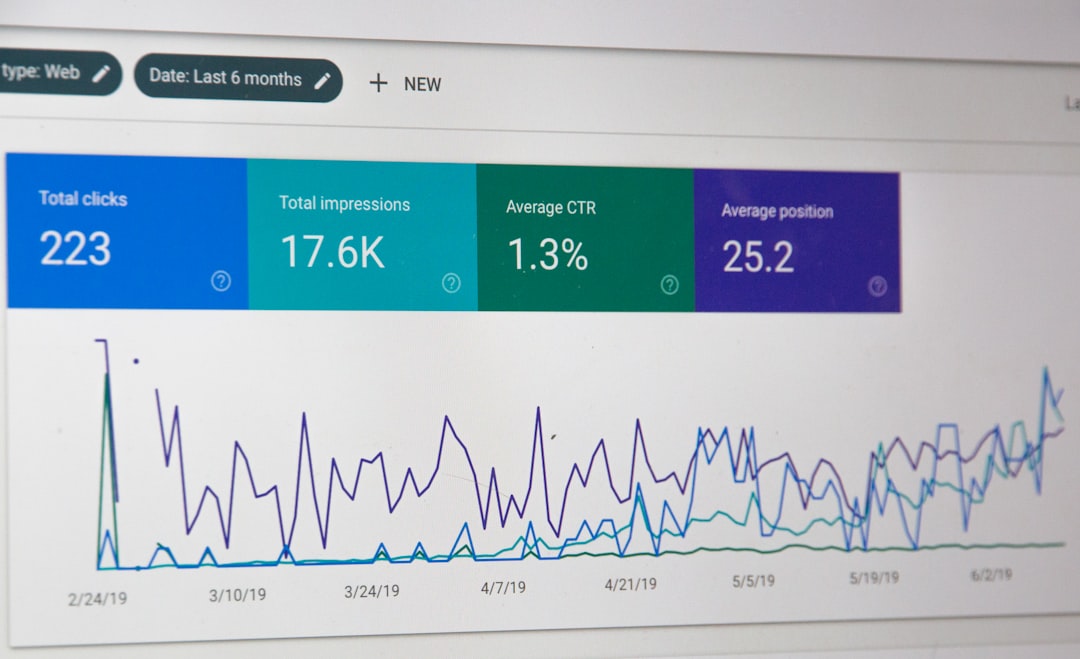
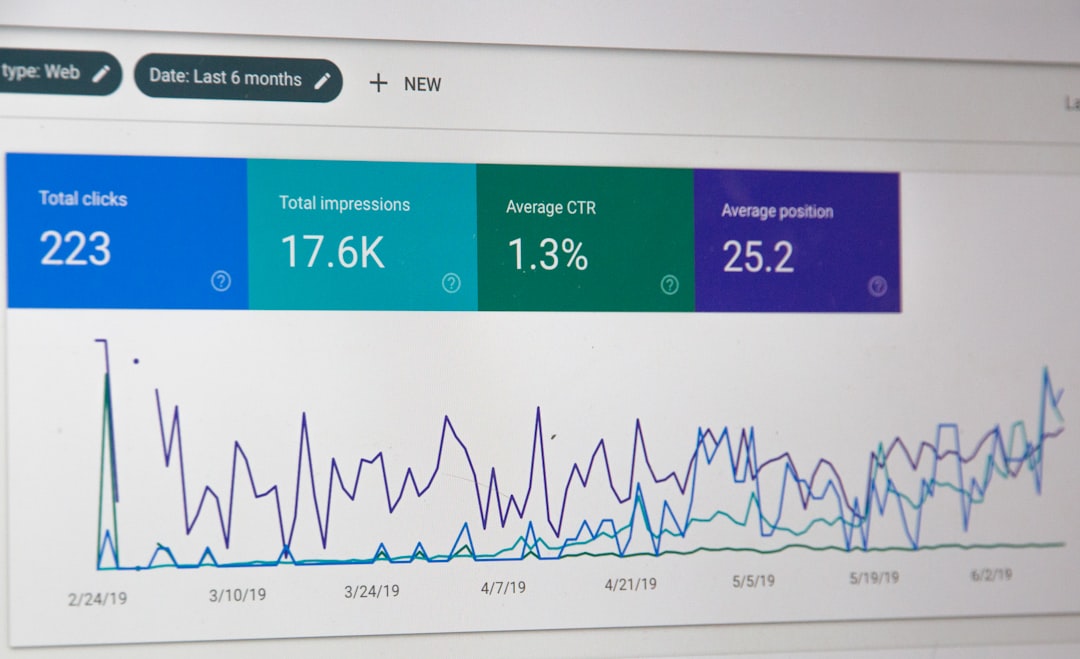
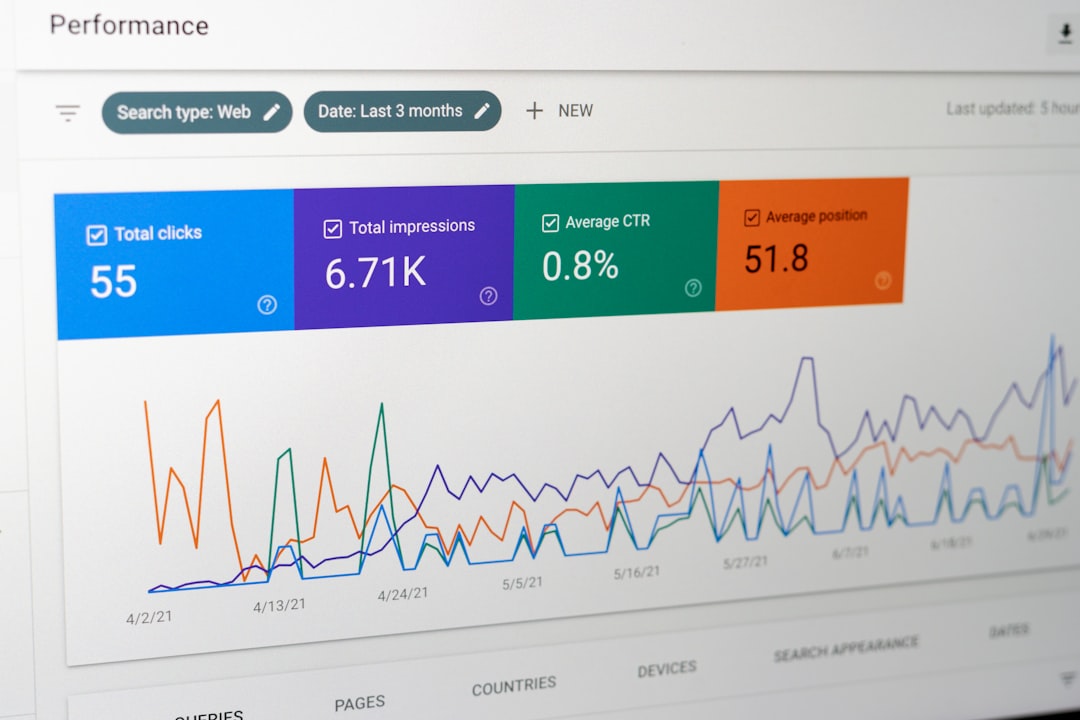
If you are seeing impressions but flat clicks or stagnant rankings, our team at WordPress SEO Expert can help identify where smarter internal linking will move the needle faster than publishing another thin article.
Fix Duplicate URLs Before You Publish More
Duplicate and near-duplicate URLs often slow growth more than a lack of content does. When multiple versions of a page compete, Google has to decide which URL is primary, and that uncertainty weakens your signals.
Common WordPress trouble spots include tag archives, attachment pages, parameter URLs, inconsistent trailing slashes, and WooCommerce filter combinations. The right fix is usually consolidation, not expansion. Choose the main version, link to it consistently, and redirect or noindex the noise where appropriate.
This is especially important after redesigns, plugin changes, or migrations. Growth stalls quickly when old URLs still exist, canonicals are mixed up, or archive pages start outranking the pages that should actually convert.
Treat Meta Descriptions as Click Support
Meta descriptions are not a direct shortcut to rankings, but they can help Google show a more accurate snippet when the description summarizes the page well. Think of them as click support, not ranking magic.
Write each one to clarify the page benefit, reduce ambiguity, and give the searcher a reason to choose your result. If your current plugin generated the same bland line across dozens of pages, rewrite the descriptions on the pages that already earn impressions first.
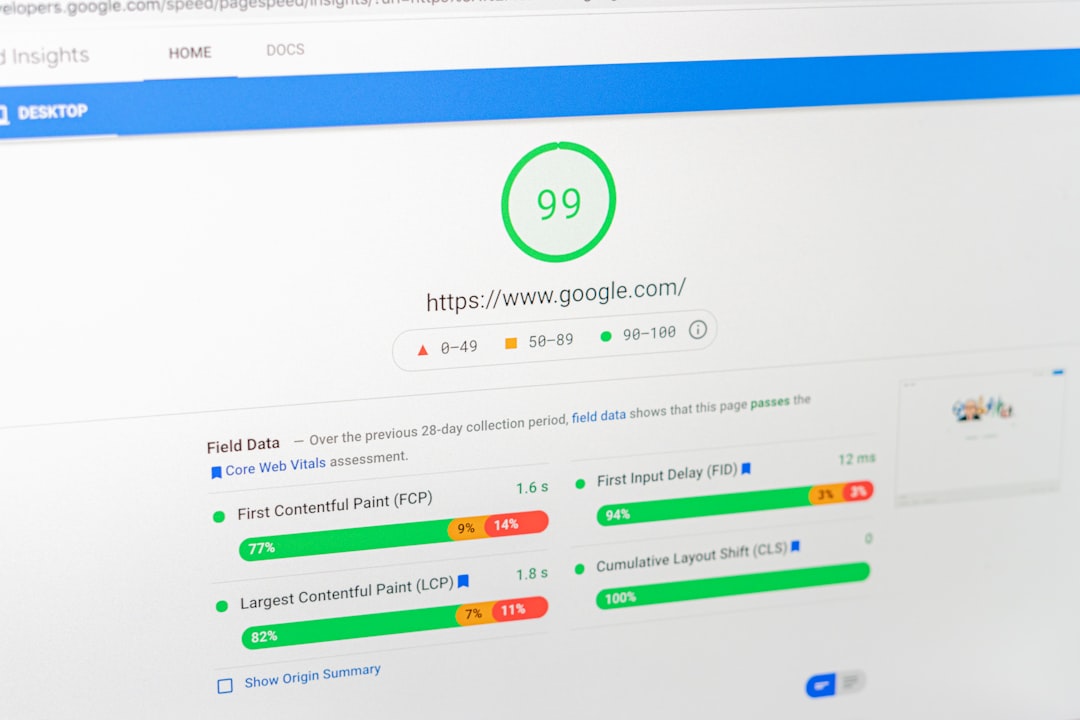
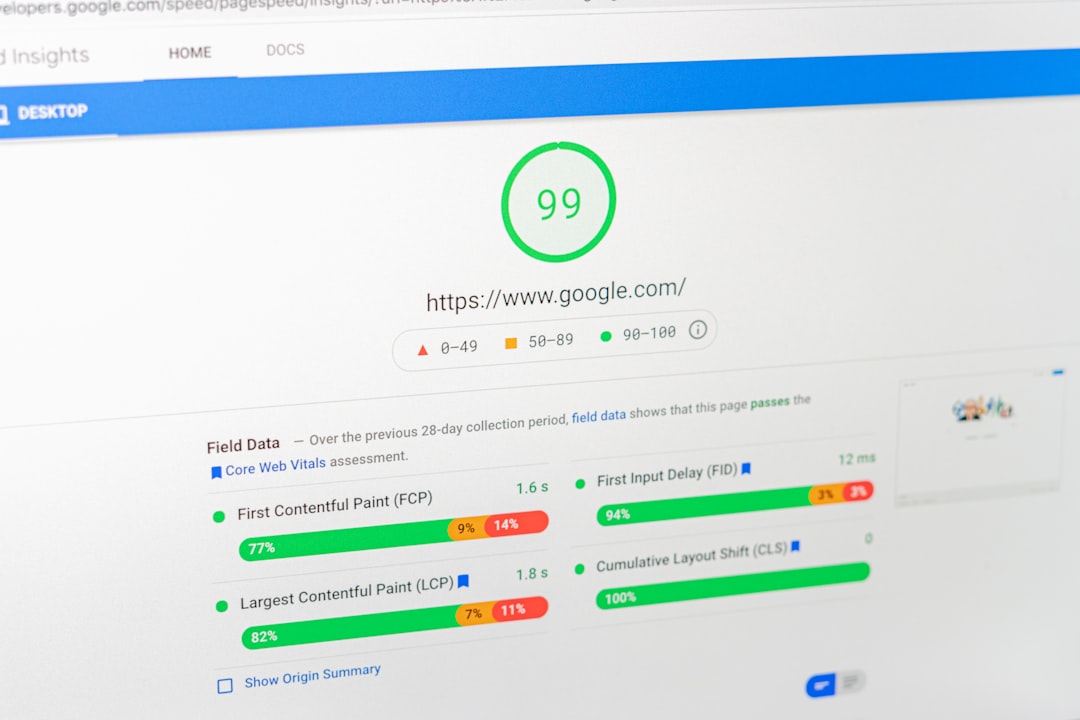
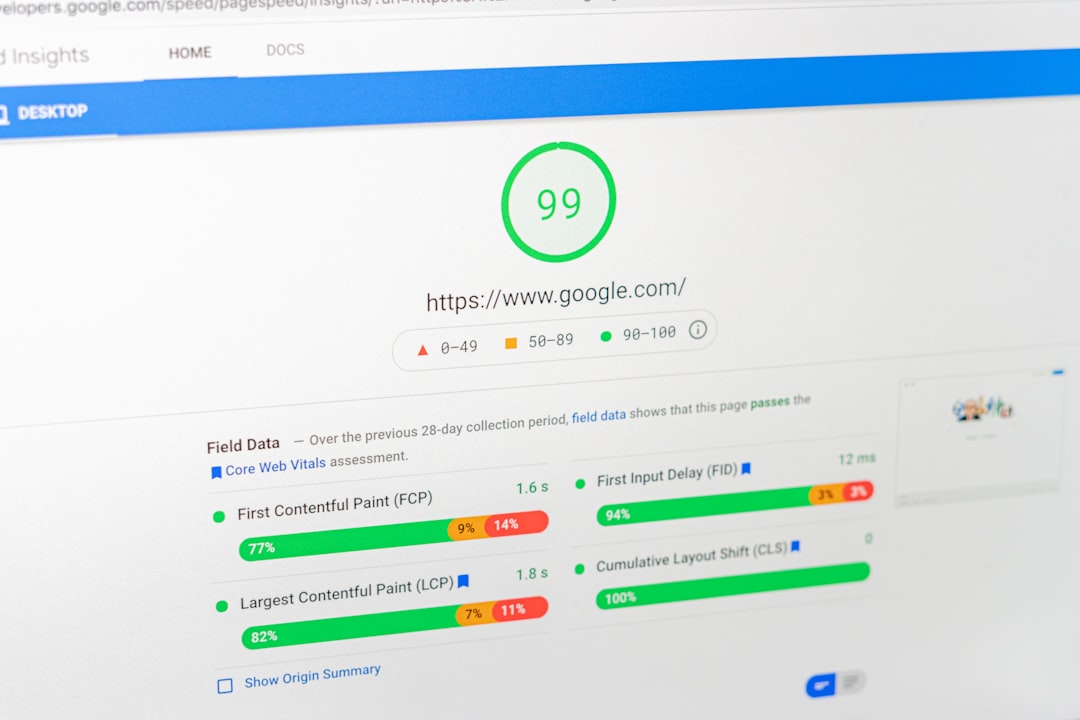
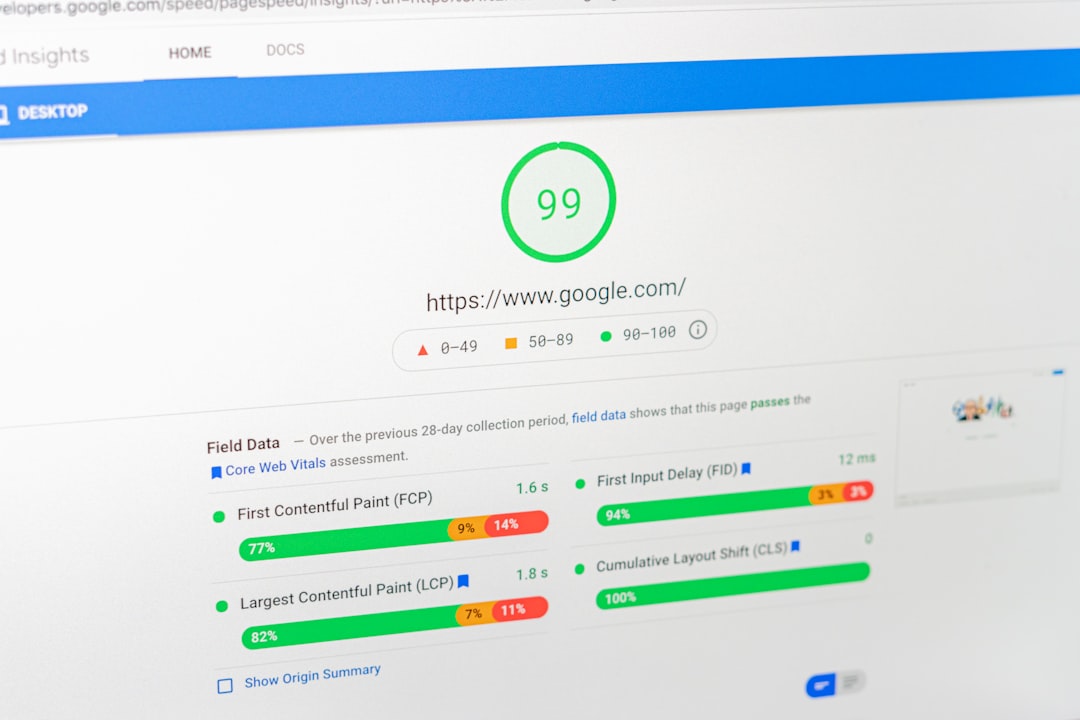
You do not need a perfect score. You need a page that loads cleanly, reads clearly, and gives Google enough context to present it well in search.
Build Content for Search Intent, Not Keyword Variants

Faster SEO growth usually comes from better consolidation, not more thin pages. Google’s guidance on helpful content is clear: create content for people first, not pages designed mainly to capture search traffic.
That means one strong page often beats three overlapping posts targeting slight keyword variations. If you already have multiple weak pages around the same idea, merge the best parts, tighten the structure, and support the stronger page with better internal links.
Use one clear H1, direct subheadings, short paragraphs, and sections that answer the question quickly before expanding. Readers should not need to dig through filler to find the point, and Google should not need to guess what the page is trying to rank for.
A Practical Priority Order for Faster Growth
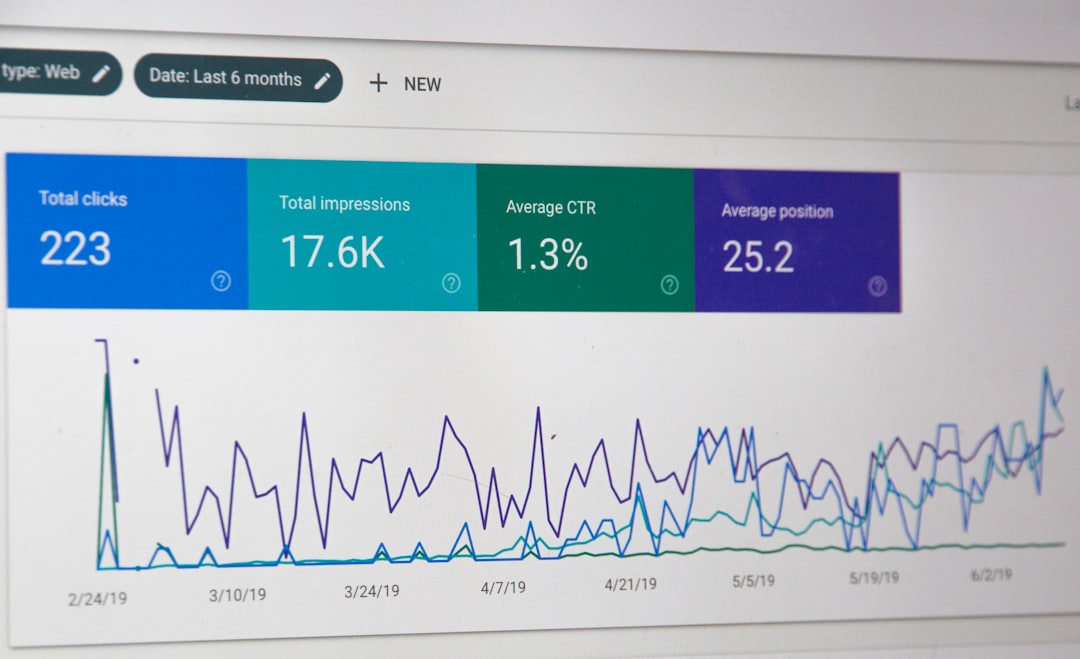
If your rankings feel stuck, the sequence matters as much as the tactics. Start with the changes that remove friction from crawling and indexing, then move into relevance and click improvements.
| Priority | What to fix | Why it comes first |
|---|---|---|
| 1 | Indexing and crawl rules | Pages cannot grow if Google cannot access or index them correctly. |
| 2 | Canonicals and redirects | This removes duplicate URL confusion and consolidates signals. |
| 3 | Title tags and page targeting | This improves topic clarity and click potential. |
| 4 | Internal linking | This strengthens page discovery and site hierarchy. |
| 5 | Content depth and formatting | This helps pages satisfy search intent more clearly. |
| 6 | Meta descriptions and snippet quality | This can improve click appeal on pages already earning impressions. |
Notice what is missing from the top of the list: obsessing over every plugin suggestion, publishing more near-duplicate posts, or chasing a perfect optimization score. Those are usually distractions when the foundation is weak.
What to Stop Doing
If you want faster growth, stop doing the work that creates more clutter than value. Most stalled WordPress sites are not under-optimized. They are poorly prioritized.
Stop stacking SEO plugins. Stop publishing thin city pages or keyword variations with nearly identical copy. Stop treating readability scores and traffic lights like ranking proof. Stop fixing cosmetic issues while crawl, indexation, and page targeting problems remain unresolved.
The gap between steady growth and flat growth is often not effort. It is whether that effort is aimed at the pages and signals that matter most.
The Best Next Step
The best next move is a focused review of the pages closest to producing leads, sales, or page-one gains. You do not need a sitewide rewrite. You need a clear order of operations.
Start with the pages already earning impressions, the pages tied to revenue, and the pages most likely to suffer from duplicate signals or weak internal support. Then fix the blockers in sequence instead of trying to improve everything at once.
Book a free SEO consultation with WordPress SEO Expert. No pitch, no pressure. Just an honest look at what your site actually needs and whether your current setup is part of the solution or part of the problem.
Contact WordPress SEO Expert today to schedule a consultation and get a clearer plan for faster WordPress SEO growth.