
Low rankings usually come from a scattered plan, not one missing plugin. For most service businesses, better Google visibility comes from tightening a few core systems: page targeting, title tags, internal links, crawl control, and local trust signals. If your site feels stuck, fix the issues that block visibility before the issues that polish visibility.
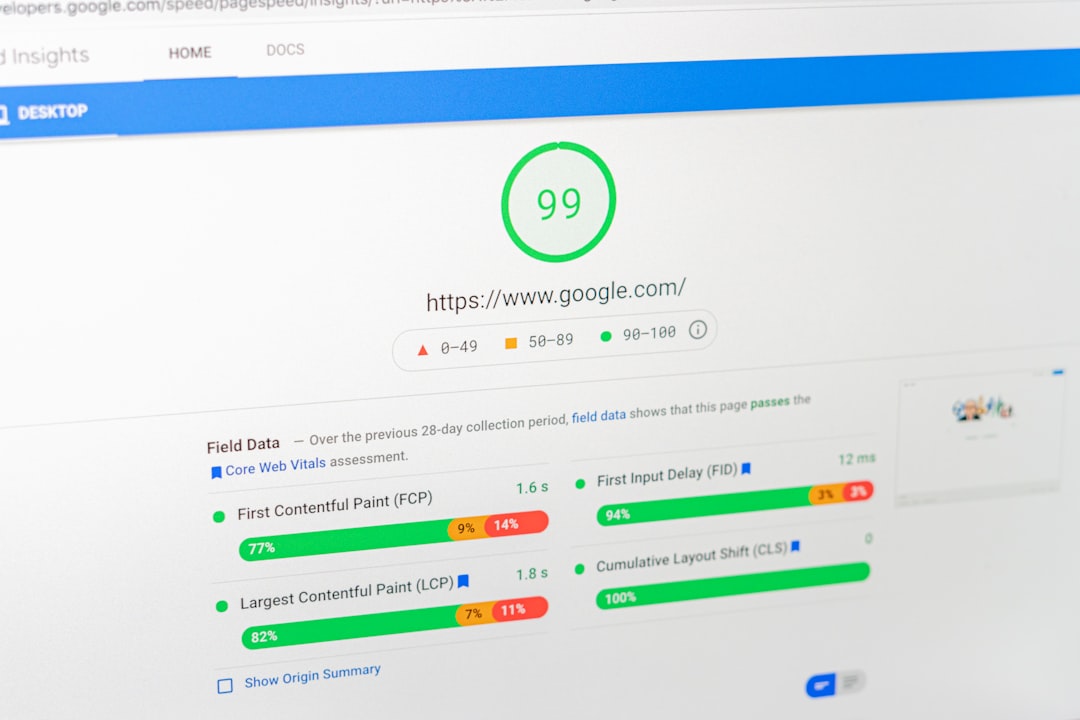
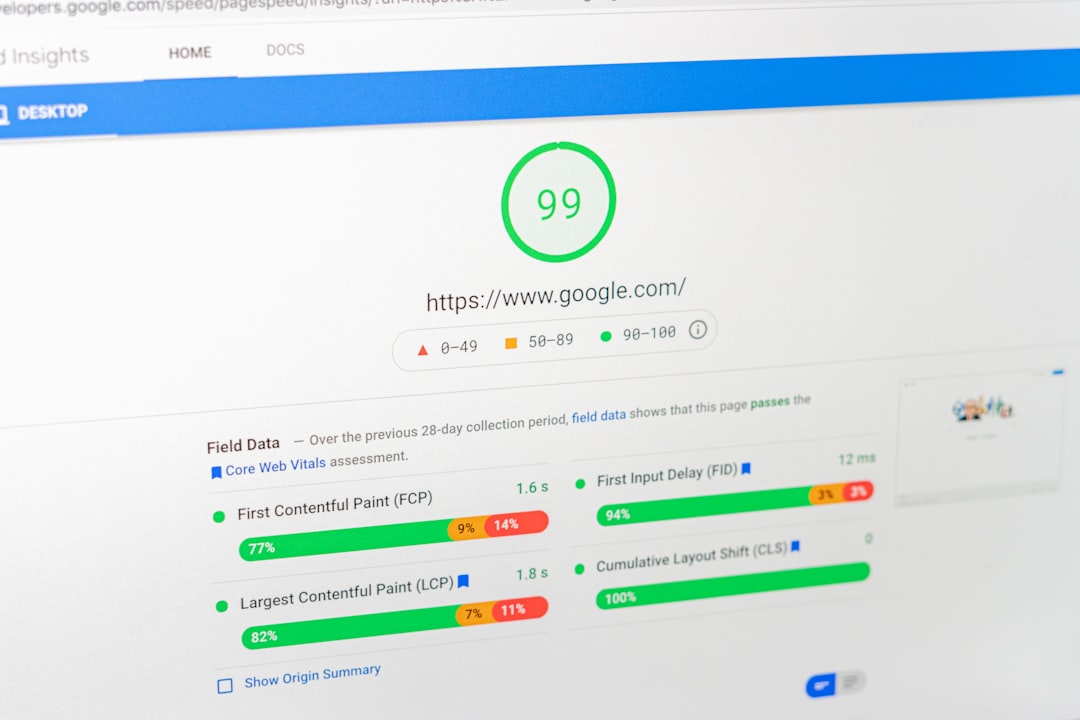
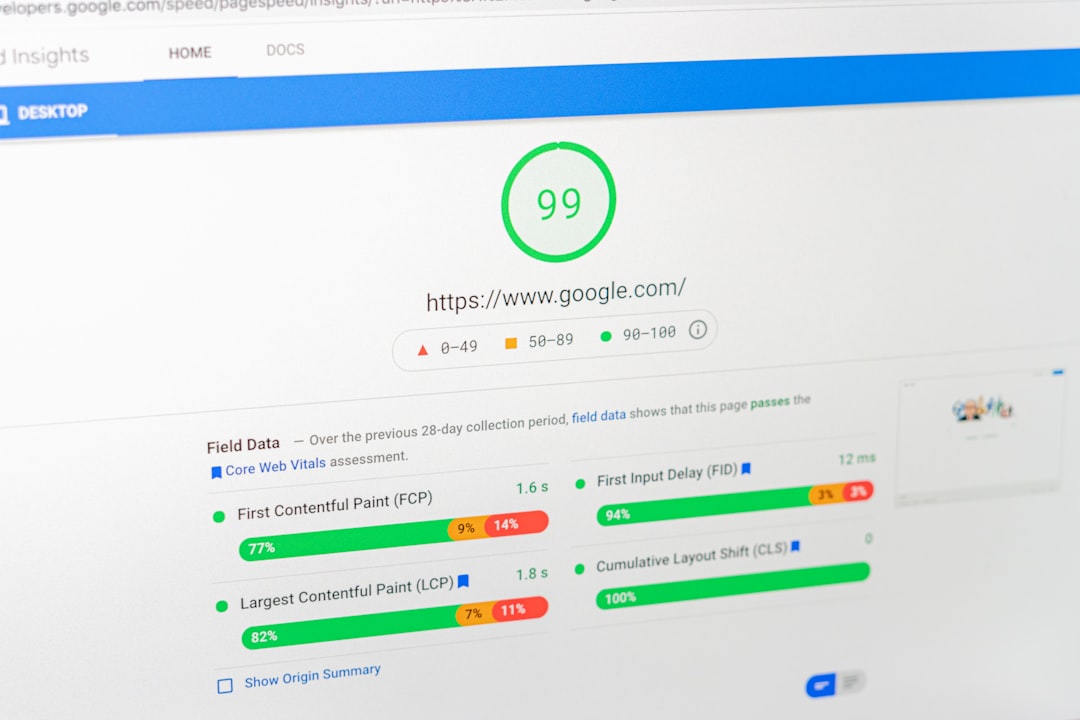
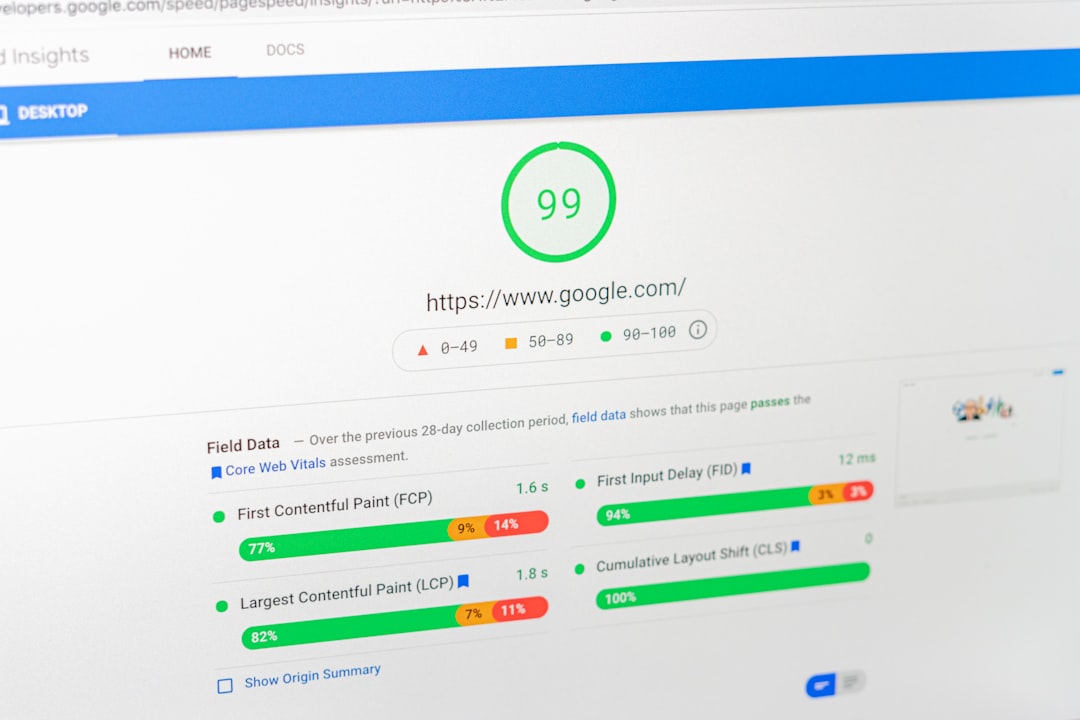
A green light in an SEO plugin does not mean the page deserves to rank. One well-configured setup, clear service pages, and stronger site structure usually matter more than adding another plugin or publishing more thin blog posts. If you need a cleaner technical baseline first, review our WordPress SEO best practices and our breakdown of Yoast SEO vs Rank Math.
What a Google SEO strategy should do
A practical WordPress Google SEO strategy for service businesses should help Google understand what you do, where you do it, and which pages deserve to rank first. The goal is not more pages for the sake of more pages. The goal is a site that is easier to crawl, easier to trust, and easier for the right customer to choose.
That usually means mapping one primary intent to each core page. Your homepage targets the broadest brand and category terms. Your main service pages target specific services. Your location pages, if you use them, should only exist where you have something genuinely distinct to say. Most service sites do not need dozens of near-duplicate city pages with the same copy swapped out.
Google recommends descriptive, concise titles and warns against keyword stuffing and repetitive boilerplate. It also uses page content, headings, and other visible signals when generating search titles, not just the HTML title tag. That is why your on-page headline, title tag, and page focus should align instead of competing with each other.
What to fix first
Start with crawlability, indexability, and page targeting before you spend time polishing copy. Most service business sites do not have one catastrophic problem. They have a stack of smaller issues that compound over time.
| Priority | What to check | Why it matters |
|---|---|---|
| 1 | Indexing settings and crawl access | Important pages cannot rank if Google cannot crawl or index them properly. |
| 2 | Service page targeting | Each high-value page needs a clear job instead of overlapping another page. |
| 3 | Title tags and H1 alignment | Mixed signals reduce clarity for both users and search engines. |
| 4 | Internal linking | Links help Google discover pages and understand which pages matter most. |
| 5 | Duplicate URL control | Canonicals, filters, and archives can dilute signals across similar URLs. |
| 6 | Local trust signals | Service businesses need consistent business information and clear location relevance. |
| 7 | Content depth and conversion clarity | Pages need to answer the query and move visitors to the next step. |
Build pages around services, not random keywords

Your best SEO gains usually come from improving core service pages, not from publishing endless top-of-funnel posts. Service businesses win when each core page matches a real buying intent and explains the service clearly enough to earn trust.
Create a simple page map. List your primary services, the main questions buyers ask before contacting you, and the supporting proof each page should include. Then make sure each page has a distinct role. If two pages target almost the same phrase with almost the same offer, consolidate them into one stronger page rather than splitting authority between both.
A useful structure is broad service page first, then subservice pages only where the topic truly deserves its own page. For example, one general service page can target your main category, while separate pages can cover specific specialties, industries, or process differences if the content would be meaningfully different.
Write titles that match intent
Your title tag is one of the strongest signals you directly control, but only when it is specific and readable. Repeating variations of the same keyword usually makes titles weaker, not stronger.
Google advises site owners to write descriptive, concise title text and avoid repetitive boilerplate or stuffed keyword patterns. For service businesses, that usually means pairing the service with a clear qualifier such as audience, problem, or location when it is genuinely relevant.
| Weak title | Stronger title |
|---|---|
| SEO Services | SEO Company | SEO Expert | WordPress SEO Services for Service Businesses |
| Plumber Dallas | Best Plumber Dallas TX | Emergency Plumbing Services in Dallas |
| Home | Commercial Roofing Services for Texas Businesses |
Match the H1 to the same core intent without making it an exact duplicate every time. That keeps the page clear for readers and reduces the chance that Google has to rewrite your title because the visible headline and title tag feel disconnected.
Use one clean plugin setup
One well-configured SEO plugin is enough. Running overlapping plugins often creates duplicate metadata, conflicting canonicals, and competing sitemap outputs.
For most service sites, configure the basics first: title templates, meta descriptions, XML sitemaps, schema defaults, and archive indexing rules. Then stop. You do not need a perfect score. The goal is a site that loads cleanly, presents the right pages, and does not send mixed technical signals.
If you are still deciding between tools, the gap is not that one works and one does not. The gap is in interface, included features, and how much friction each one adds to your workflow. Our Yoast SEO vs Rank Math comparison can help you choose without overcomplicating the stack.
Strengthen internal links like a service business

Internal linking is not just for blogs with hundreds of posts. For service businesses, it helps Google understand which pages are most important and helps visitors move from questions to action.
Link related blog posts to the service pages they support. Link broad service pages to relevant subservices. Link case studies or proof pages back to the services they validate. Google recommends descriptive anchor text because it helps users and search engines understand what the destination page is about.
If a key service page only appears in your sitemap and nowhere in your crawlable content, that page needs stronger internal support. A simple navigation link, a contextual link from a related post, and a logical mention from your homepage can make the page easier for Google to find and prioritize.
If you are not sure whether your current structure is helping or quietly hurting, WordPress SEO Expert can help. We can identify which internal links support visibility and which pages are currently isolated.
Control duplication before creating more content
Fix duplicate URL patterns before publishing more pages. Service sites often underperform because authority is split across similar URLs, weak archives, parameters, or outdated variants that should have been redirected.
Common WordPress issues include tag archives with little value, attachment pages, inconsistent trailing slash behavior, location pages with nearly identical copy, and contact or service pages duplicated through alternate URLs. Choose the main version, link to that version internally, and redirect outdated alternatives when needed.
This is especially important after redesigns, rebrands, or permalink changes. If rankings dropped after a launch, investigate redirects, canonicals, sitemap accuracy, and accidental noindex settings before rewriting page copy.
Do local SEO the practical way

Service businesses usually need local relevance, but that does not mean spinning up dozens of thin city pages. Strong local SEO comes from consistent business details, clear service-area signals, and pages that prove you actually serve the market you are targeting.
Make sure your core service pages clearly mention the areas you serve where it helps the reader. Keep business name, phone, and address details consistent across your site. Use location-specific proof where available, such as testimonials, project examples, service processes, or industry specialization tied to that market.
If you use dedicated location pages, each page should offer something distinct. That may include different services, different customer problems, different proof, or a different process. Swapping only the city name is not a strategy. It is duplication with extra maintenance.
Use meta descriptions as click support
Meta descriptions are best treated as click support, not a direct ranking fix. They work when they summarize the page clearly and give searchers a reason to choose your result.
Google may use the meta description when it better summarizes the page, but it also frequently builds snippets from on-page content. That means your page still needs a clear opening, strong subheadings, and specific language that reflects the query. Write unique descriptions for your highest-value service pages first rather than trying to perfect every low-value archive.
A simple 90-day SEO plan
A good strategy should be executable. For most service businesses, the next 90 days should focus on fixing visibility blockers, improving core service pages, and building support around the pages most likely to drive leads.
| Timeframe | Primary focus | What to do |
|---|---|---|
| Days 1-30 | Technical cleanup | Check indexing, sitemaps, redirects, canonicals, archive settings, and plugin overlap. |
| Days 31-60 | Core page improvement | Rewrite titles, tighten H1s, improve service-page depth, and clarify offers and CTAs. |
| Days 61-90 | Support and expansion | Add internal links, publish support content for real questions, and strengthen local proof. |
This sequence prevents a common mistake: polishing pages that Google is not processing correctly in the first place. Fix the foundation, then improve the pages most tied to revenue.
What to stop doing
Stop treating plugin scores as the goal. Stop publishing thin variations of the same service page. Stop stacking SEO tools that output overlapping tags. Stop building location pages that say the same thing with a different city name.
Most of the time, better results come from a cleaner setup and sharper prioritization. You do not need more activity. You need fewer conflicting signals and stronger core pages.
The best next step
The fastest path to better rankings is usually not a full rebuild. It is a focused review of the pages already tied to leads, plus the technical issues that stop those pages from performing.
If your WordPress site publishes content regularly but rankings stay flat, WordPress SEO Expert can help. Book a free SEO consultation. No pitch, no pressure. Just an honest look at what your site actually needs and whether your current setup is part of the solution or part of the problem.
Contact WordPress SEO Expert today to schedule a consultation and get a clearer plan for what to fix first on your service business website.