Low rankings on a new site usually come from a scattered setup, not one missing plugin. If your WordPress website is brand new, Google SEO starts with crawlability, clean URLs, one clear plugin setup, and pages that explain what the site actually offers. A green light in a plugin does not mean the page deserves to rank.
Most new websites do not have one catastrophic problem. They have a stack of smaller issues that compound over time: weak titles, thin archive pages, vague homepage copy, and no clear internal linking. If you want a broader baseline, review our WordPress SEO best practices and our guide to SEO for new WordPress websites.
What matters first for Google SEO on a new WordPress site?
Start with the issues that block visibility before the issues that polish visibility. Google recommends descriptive, concise titles, crawlable internal links, descriptive anchor text, and a sitemap to help search engines discover important pages. WordPress also includes core XML sitemap support, which gives new sites a usable technical starting point when the rest of the setup is clean.
That means your first checks should be practical. Confirm the site is visible to search engines, make sure important pages are linked from other crawlable pages, and keep URLs simple enough that users and Google can both understand them. A new site does not need an overbuilt stack. It needs a structure that is easy to crawl and easy to maintain.
Use one SEO plugin, not several
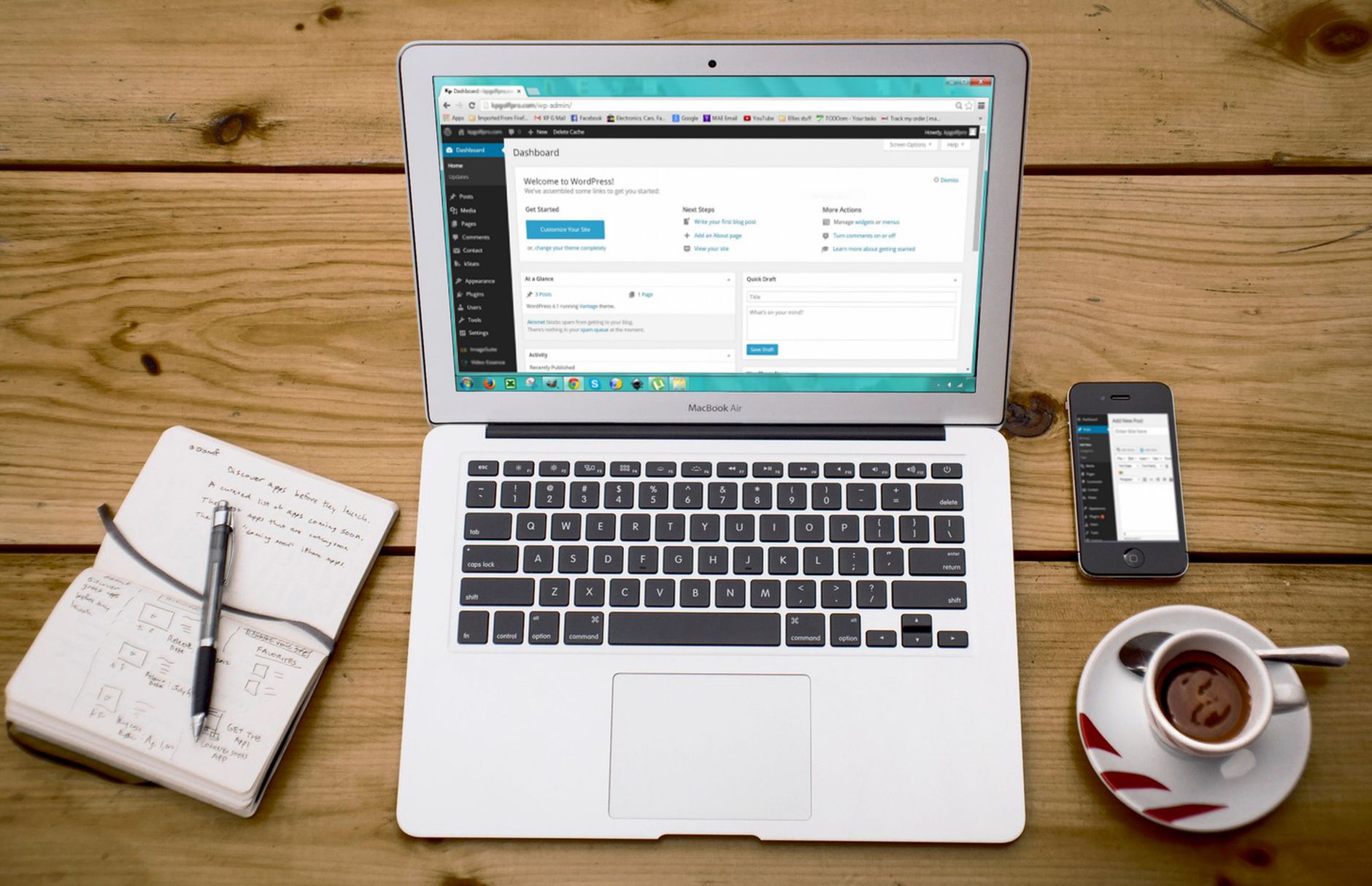
One well-configured SEO plugin is enough. Running overlapping plugins often creates duplicate metadata, conflicting canonicals, and competing sitemap outputs.
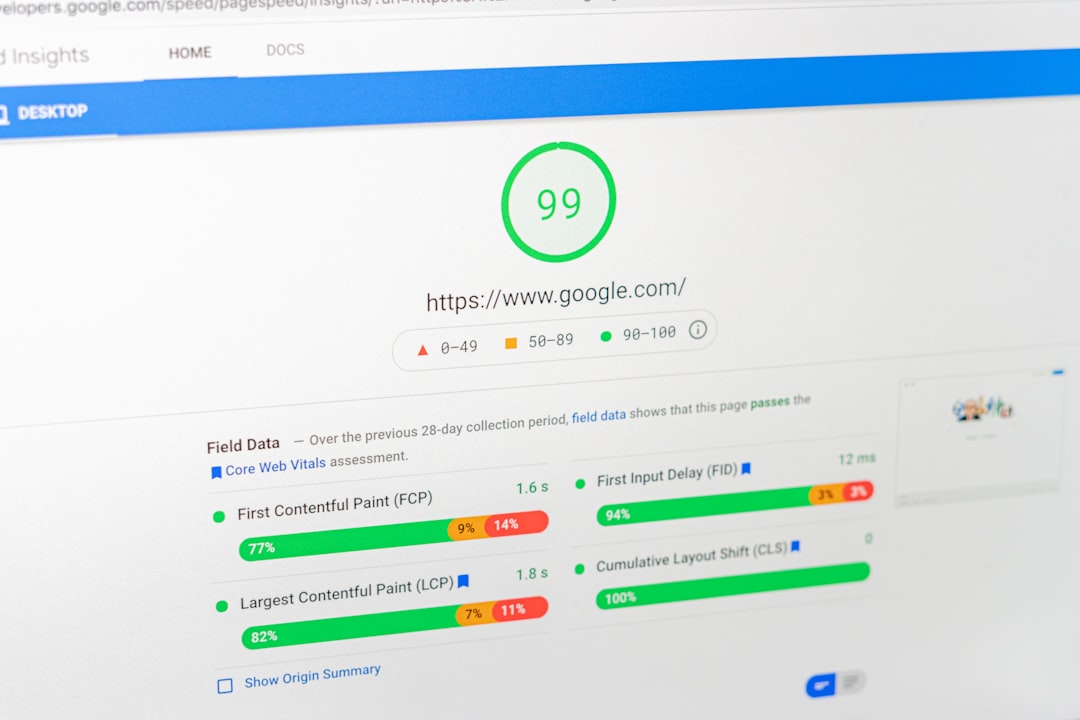
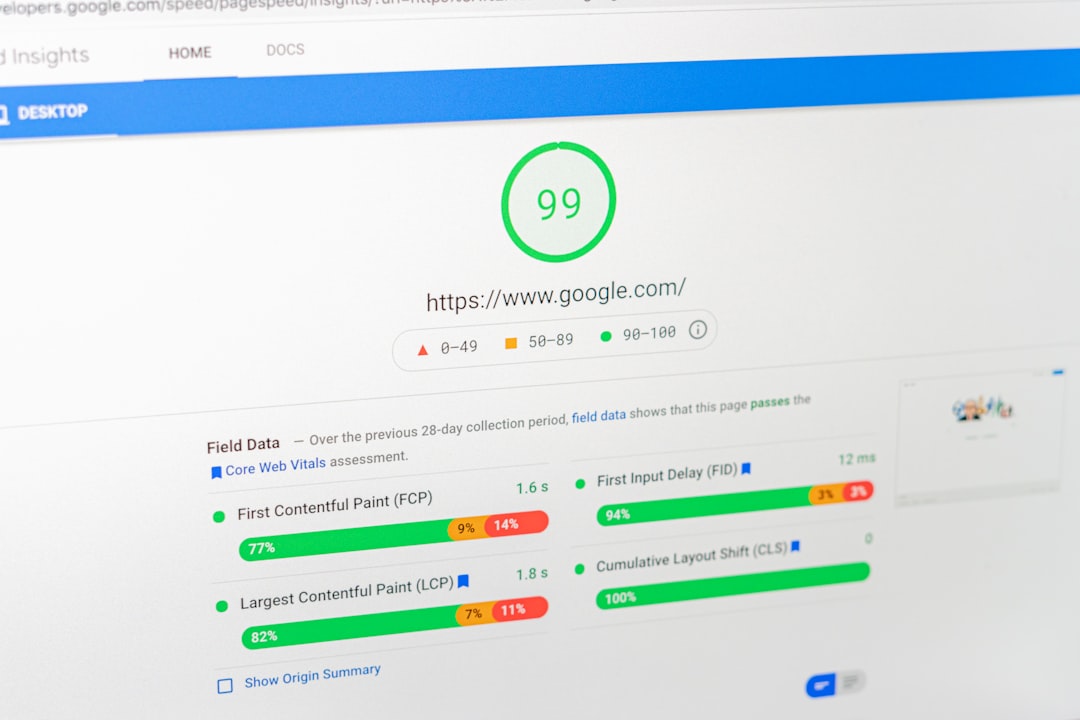
New site owners often install one plugin for titles, another for schema, and another for redirects. That usually makes troubleshooting harder, not easier. Pick one primary plugin, configure titles, meta descriptions, canonicals, and sitemap settings, then check the actual page source instead of trusting dashboard scores. The goal is not a perfect score. The goal is a site that loads cleanly and is easy to understand.
Fix permalinks before content starts to spread

Clean permalinks are an early win because they affect every page you publish after launch. Google recommends simple, descriptive URL structures, and it is much easier to get this right before pages are indexed and linked elsewhere.
For most new WordPress websites, readable URLs based on the page topic are the safest choice. Weak URLs give users and search engines very little context. Stronger URLs reflect the subject of the page in plain language. This is a basic step, but it prevents avoidable cleanup work later.
Write titles for humans first
Your title tag is one of the clearest signals you control on a new website. Google recommends that every page have a title and that title text be descriptive, concise, and not vague or unnecessarily long.
New WordPress sites often go live with titles like Home, Services, or SEO Company | SEO Agency | SEO Expert. Those titles waste space and say very little about the page itself. A stronger title tells both the visitor and Google what the page covers in plain English.
| Weak title | Stronger title |
|---|---|
| Home | WordPress SEO Services for Small Businesses |
| Services | Technical SEO for New WordPress Websites |
| SEO Company | SEO Agency | SEO Expert | Google SEO Setup for New WordPress Sites |
Do not ignore homepage SEO
Your homepage often becomes the first page Google evaluates, so it needs a clear job. A new website homepage should explain what the business does, who it serves, and what makes the offer specific.
Polished design is not enough if the copy stays vague. If the page talks about growth, solutions, and excellence without naming the service, Google has less context and visitors have less confidence. A cleaner title, a direct H1, and a short opening paragraph usually do more for a new homepage than adding extra visual sections.
If you are not sure whether your current setup is helping or quietly hurting you, WordPress SEO Expert can help. We can review your homepage, plugin output, and indexing rules before small launch issues turn into bigger ranking problems.
Control what Google should index
Not every page WordPress creates deserves to rank. New sites often generate tag archives, date archives, author archives, attachment pages, and internal search pages before any of them provide real value.
This does not mean every archive should always be excluded. It means you should decide intentionally. If a category page helps users navigate meaningful content, it may be useful. If a tag archive creates thin duplication, it usually adds noise. Fix the issues that block clarity first, then expand content once the indexable pages are the pages you actually want seen.
Build internal links early

Internal links help Google discover pages and understand which pages matter most. Google recommends crawlable links built with standard anchor elements and descriptive anchor text that gives context about the destination page.
On a new website, internal linking should begin as soon as the core pages are live. Link blog posts to service pages, connect related articles, and make sure important pages are reachable from other indexable pages. If you need a stronger technical foundation first, our article on WordPress SEO best practices is a useful next step.
A practical launch checklist
A new site does better with a short sequence than with a giant checklist. Work through the highest-impact tasks in order so you do not spend hours polishing pages Google cannot properly understand yet.
| Priority | What to check | Why it matters |
|---|---|---|
| 1 | Search engine visibility settings | Pages cannot rank if the site is blocked from indexing |
| 2 | Permalink structure | Readable URLs create cleaner long-term site architecture |
| 3 | One SEO plugin setup | Prevents duplicate metadata and conflicting technical signals |
| 4 | Homepage title, H1, and intro copy | Clarifies the site’s main topic and offer |
| 5 | Archive and low-value page indexing | Reduces thin or duplicate pages in the index |
| 6 | Internal linking | Supports discovery and page hierarchy |
| 7 | Meta descriptions | Can improve how pages are summarized in search results |
What new site owners should stop doing
Stop treating plugin scores as proof of optimization. Google may use your meta description when it better summarizes the page, but snippets are often generated from page content, which means checkbox SEO is not the same as useful SEO.
Also stop publishing thin posts before your core pages are ready. A new site with ten weak articles and unclear service pages usually underperforms a smaller site with fewer pages and a stronger structure. Most site owners do not need more content first. They need cleaner signals on the pages that matter.
The best next step
The best next move is to audit the pages that define the business before you expand the site. That usually means the homepage, top service pages, main category pages, and the supporting posts already closest to real search intent.
If your new site is live but Google rankings are flat, WordPress SEO Expert can help. Book a free SEO consultation. No pitch, no pressure. Just an honest look at what your site actually needs and whether your current setup is part of the solution or part of the problem.
Contact WordPress SEO Expert today to schedule a consultation. We will help you sort the technical basics, page structure, and internal linking priorities before wasted effort compounds.