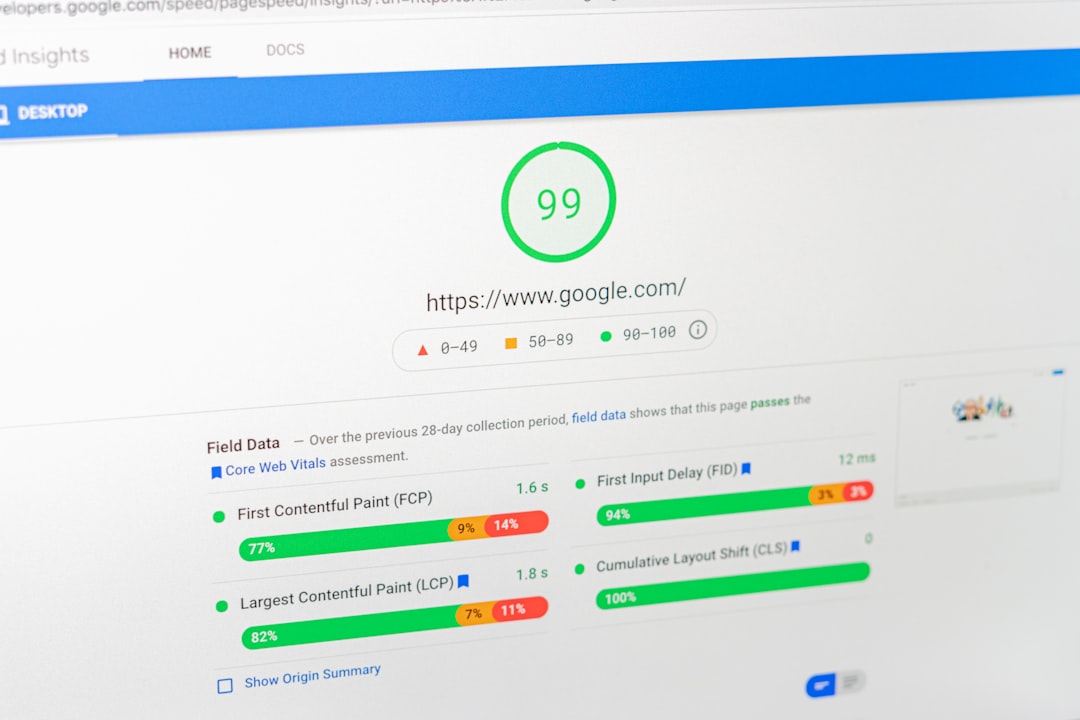
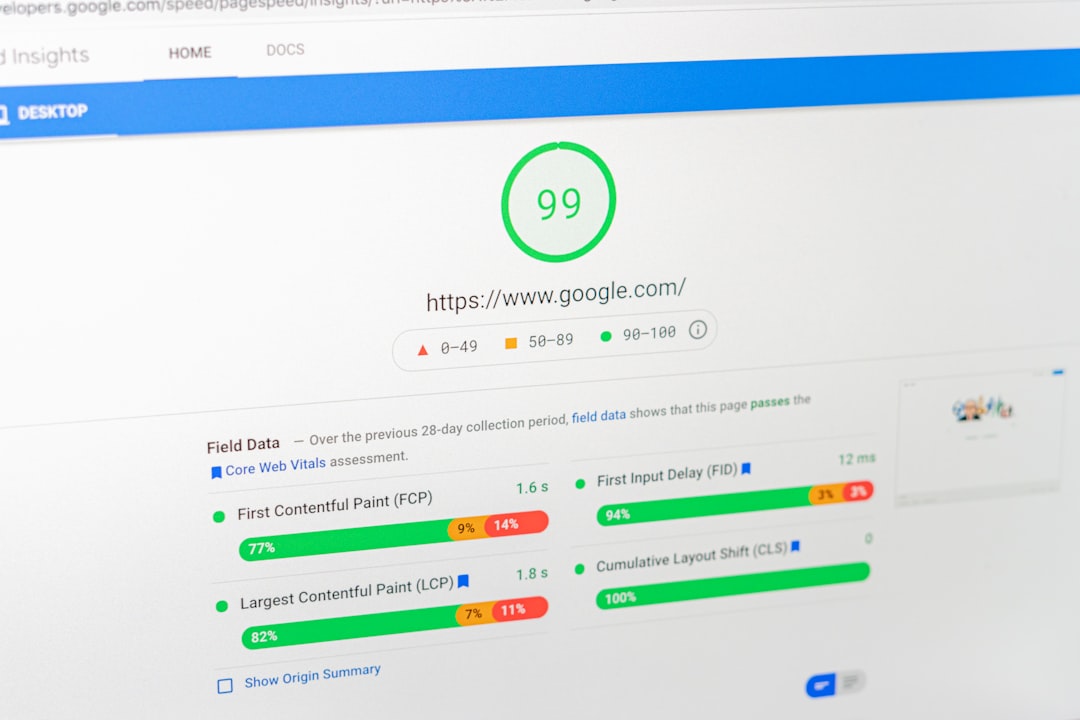
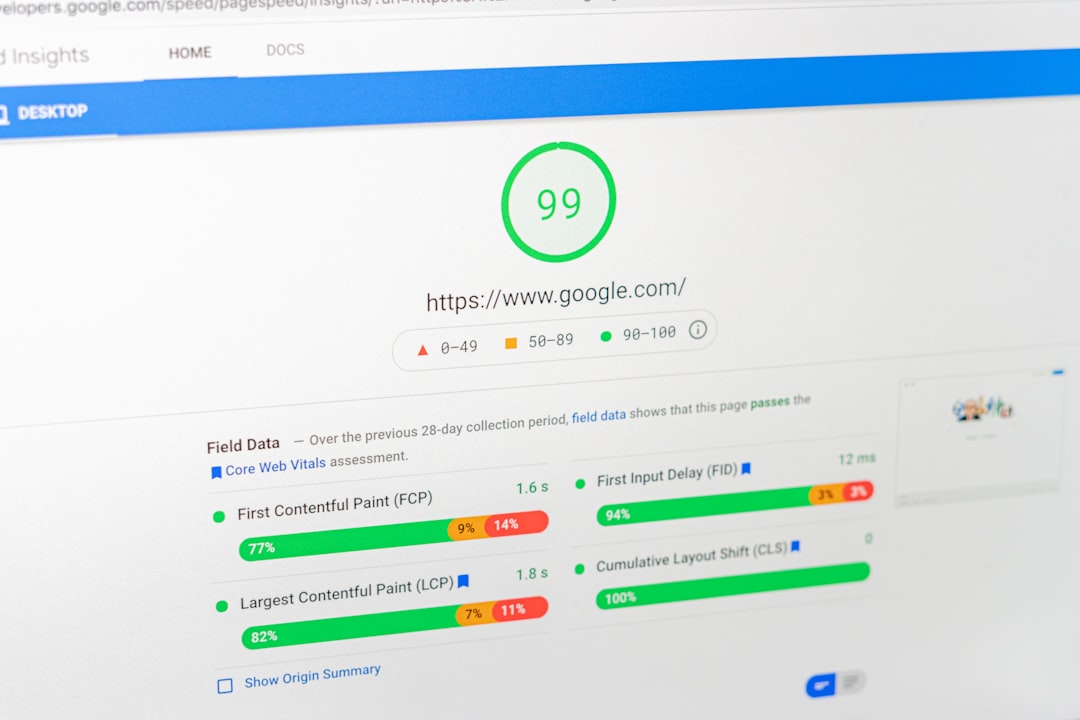
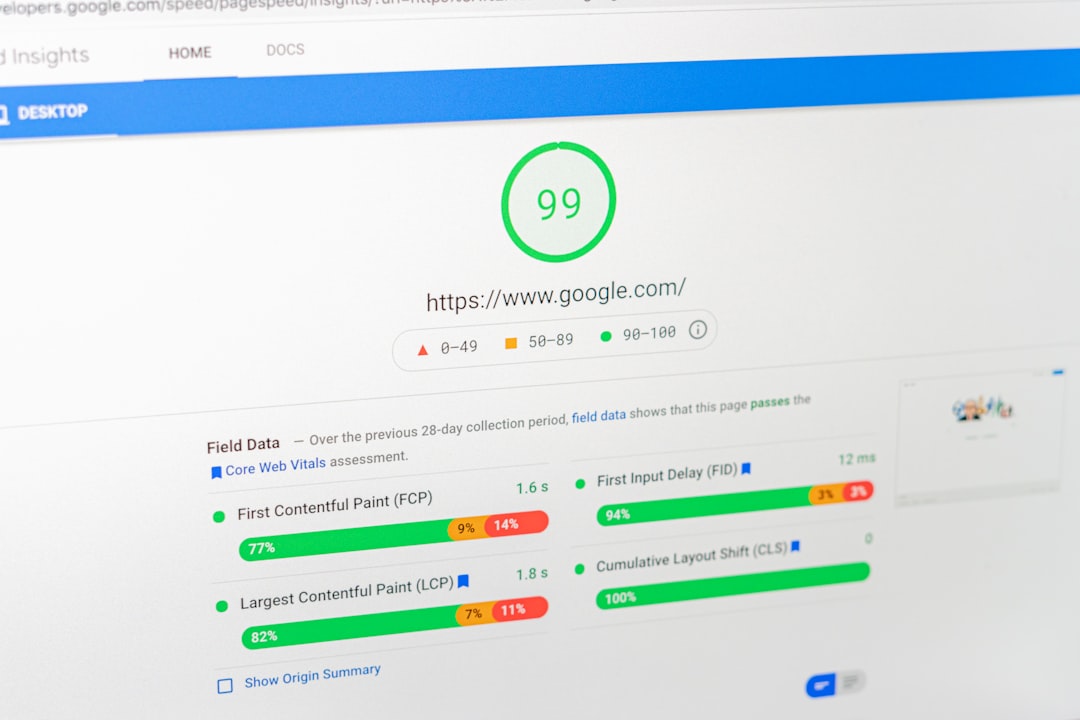
Low rankings usually come from a scattered plan, not one missing plugin. When experts work on WordPress Google SEO, they usually do not start with plugin scores or random blog updates. They start by checking whether Google can crawl the right pages, understand page purpose, and trust the site structure enough to rank the right URLs.
Most site owners do not have one catastrophic problem. They have a stack of smaller issues that compound over time. That is why the strongest approach is sequential: fix what blocks visibility first, then improve the signals that help the right pages compete. If you want a broader baseline before making changes, review our WordPress SEO best practices and our comparison of Yoast SEO vs Rank Math.
Experts Start With Crawlability and Indexing

The first question is simple: can Google reach, crawl, and index the pages that actually matter? If the answer is no, better copy, schema, or plugin settings will not rescue the page.
Experienced WordPress SEOs usually begin with robots settings, noindex rules, XML sitemaps, canonicals, redirects, and internal links to key pages. They confirm that service pages, category pages, and high-value posts return normal status codes and are linked from crawlable pages. Google recommends using crawlable links with descriptive anchor text, which helps search engines understand site structure and linked destinations. If your important pages are buried or only listed in a sitemap, they are harder to prioritize.
What this looks like in practice
An expert review usually checks whether the homepage links to revenue pages, whether category pages deserve indexing, whether attachment pages or tag archives create noise, and whether old URLs are properly redirected. This is not glamorous work, but it often explains why a site with decent content still struggles.
They Use One Clean SEO Setup
One well-configured SEO plugin is enough. Running overlapping plugins often creates duplicate metadata, conflicting canonicals, and competing sitemap outputs.
Experts are usually conservative here. They pick one primary SEO plugin, configure the essentials, and avoid stacking extra tools that publish similar output. The goal is not to unlock every feature. The goal is to produce clean titles, clear indexing rules, stable canonicals, and a sitemap that reflects what should actually be indexed.
A green light in an SEO plugin does not mean the page deserves to rank. Plugin suggestions can be useful prompts, but experts treat them as secondary checks, not strategy. If your current setup feels cluttered or confusing, WordPress SEO Expert can help diagnose whether the plugin configuration is helping or quietly creating technical conflicts.
They Write Titles for Humans, Not Scores
Experts approach titles as click and relevance signals, not as places to cram every keyword variation. Good titles are descriptive, concise, and clearly matched to page intent.
Google recommends descriptive, concise title text and warns against keyword stuffing and repetitive boilerplate. It also notes that title links may be adjusted in search if the supplied title is vague, overly long, or not well aligned with the page. That is why experts usually write distinct titles for important pages instead of repeating the same pattern everywhere.
| Weak title | Stronger title |
|---|---|
| SEO Services | SEO Company | SEO Expert | WordPress SEO Services for Small Businesses |
| Blog | WordPress Google SEO Tips for Service Businesses |
| Best SEO Plugin, SEO Plugin Best, WordPress SEO Plugin | How to Choose a WordPress SEO Plugin |
The pattern is simple: say what the page is, who it is for, and why it is relevant. You do not need a perfect score. You need a title that makes sense to a real searcher.
They Treat Meta Descriptions as Click Support
Meta descriptions are not a direct shortcut to rankings, but they can improve how your result is summarized and clicked. Experts write them to clarify value, not to repeat the same keyword unnaturally.
Google explains that snippets are primarily generated from page content, but it may use the meta description when that description better summarizes the page for a searcher. That is why experienced SEOs keep descriptions specific, readable, and tightly aligned with the actual page content. Generic template text across dozens of pages is usually a missed opportunity.
They Fix Duplicate URL Problems Before Publishing More
When several URLs compete to represent the same idea, Google gets mixed signals about which page should rank. Experts usually clean up those duplicates before they ask the site to compete harder.
On WordPress, duplication often comes from archives, parameter URLs, attachment pages, pagination mistakes, inconsistent trailing slashes, and WooCommerce filter combinations. Instead of publishing another thin post, experts usually decide which URL should be primary, strengthen internal links to that version, and redirect or deindex the versions that add noise.
This is one reason traffic can stay flat even when content output increases. More pages do not help if they split authority and confuse indexing.
They Build Internal Links With Intent

Internal links are not filler. Experts use them to show Google which pages matter, how topics connect, and what the next useful step is for the reader.
Google recommends natural, descriptive anchor text. On a WordPress site, that usually means linking broad educational posts to service pages, connecting overlapping articles, and making sure important commercial pages are not isolated. A site can have solid content and still underperform because its strongest pages are hard to reach through the internal link structure.
If you are working through plugin decisions while also tightening your structure, our post on Yoast SEO vs Rank Math can help you choose a cleaner setup without adding overlap.
They Match Content to Search Intent

Experts do not publish pages just because a keyword tool says the phrase exists. They ask what the searcher is actually trying to accomplish and build the page around that need.
Google’s guidance on helpful, people-first content emphasizes creating material that benefits users rather than content made primarily to manipulate rankings. In practice, that means fewer thin variations, fewer filler sections, and more pages that answer one clear problem completely. A service page should convert confidence. A comparison page should reduce confusion. A tutorial should help the reader finish a task.
This is where many WordPress sites lose momentum. They publish many near-duplicates, but none becomes the strongest answer. Consolidation is often a better move than expansion.
They Keep the Site Structure Simple
Simple architecture usually beats clever architecture. Experts want important pages close to the surface, grouped logically, and easy for both users and search engines to follow.
For small business sites, that usually means core services in the main navigation, clear supporting pages, and a limited category structure for the blog. For content-heavy sites or stores, it means controlling crawl paths so filters, tags, and low-value archives do not overwhelm the pages that actually matter. If you need the broader framework, our WordPress SEO best practices post covers the technical baseline in more detail.
What Experts Prioritize First
Fix the issues that block visibility before the issues that polish visibility. That is the main difference between expert SEO work and random SEO busywork.
| Priority | What experts check | Why it comes first |
|---|---|---|
| 1 | Indexing, crawl access, and status codes | Pages cannot rank if Google cannot reliably reach and index them |
| 2 | Canonicals, redirects, and duplicate URLs | Prevents mixed signals and diluted ranking equity |
| 3 | Title tags and page intent | Improves topical relevance and click quality |
| 4 | Internal linking and site structure | Strengthens hierarchy and page discovery |
| 5 | Content depth and consolidation | Helps the right pages satisfy intent more completely |
| 6 | Speed and template issues | Improves usability and reduces friction |
| 7 | Schema and other enhancements | Supports clarity, but does not replace the foundation |
That order matters. Many site owners jump straight to schema, AI content scaling, or plugin tweaks while indexing and duplication issues stay unresolved underneath.
What Experts Usually Avoid
Strong SEO work is partly about knowing what not to do. Experts usually avoid tactics that create clutter, weak signals, or false confidence.
That includes stacking multiple SEO plugins, publishing thin location or keyword-variant pages, copying title formulas across the site, and chasing plugin score badges instead of fixing architecture. The gap between expert work and amateur work is often not effort. It is prioritization.
If you are experiencing these problems, our team at WordPress SEO Expert can help. We can review whether your site is dealing with crawl issues, duplicate signals, weak page targeting, or a plugin setup that looks busy but is not helping rankings.
The Best Next Step
The best next step is not a full site rewrite. It is a focused review of the pages that drive leads, sales, or existing impressions, then a clear sequence for what to fix first.
If you are not sure whether your current problem is technical SEO, weak internal linking, content overlap, or plugin misconfiguration, WordPress SEO Expert can help you sort it out quickly. Book a free SEO consultation. No pitch, no pressure. Just an honest look at what your site actually needs and whether your current setup is part of the solution or part of the problem.
Contact WordPress SEO Expert today to schedule a consultation and get a practical WordPress Google SEO plan built around what will actually move your site.