Low rankings usually come from a scattered plan, not one missing plugin. If your WordPress site is not showing up the way you expect in Google, the fix is usually a sequence of practical checks, not another round of plugin installs. This step-by-step guide shows you what to fix first, what to ignore, and how to build a cleaner setup that search engines can understand.
WordPress SEO Expert recommends treating Google SEO as a visibility system: crawlability, indexability, page targeting, internal links, and site experience all work together. A green light in a plugin does not mean the page deserves to rank. If you want a broader foundation before working through the steps below, review our WordPress SEO best practices and our comparison of Yoast SEO vs Rank Math if you are still deciding which plugin to use if you are still deciding which plugin to use.
Step 1: Make sure Google can crawl and index the right pages
Start here because nothing else matters if Google cannot reach or index your important pages. Before you edit a title tag or write more blog posts, confirm that your site is visible to search engines and that the pages you care about are not blocked.
In WordPress, check Settings, then Reading, and make sure the option that discourages search engines from indexing your site is not enabled. In Google Search Console, add and verify your property if you have not done that yet. Then inspect a few priority URLs such as your homepage, main service pages, and key blog posts to confirm they can be crawled and indexed properly.
Most site owners do not have one catastrophic problem. They have a stack of smaller issues that compound over time. Fix the issues that block visibility before the issues that polish visibility.
Step 2: Submit your XML sitemap to Google
A sitemap helps Google discover important URLs more efficiently, especially on newer sites or sites with weak internal linking. It does not guarantee rankings, but it does give Google a cleaner starting point for crawling your content.
Most SEO plugins generate a sitemap automatically. Once it is live, submit it through the Search Console Sitemaps report. Google says it will try to fetch a submitted sitemap as soon as you submit it, though crawling the listed URLs can still take time. Make sure the sitemap includes the pages you want indexed and does not include thin, duplicate, or low-value URLs.
If your sitemap is full of archive pages, attachment pages, or parameter-driven URLs that should not rank, clean that up before moving on. A cleaner sitemap usually leads to a cleaner indexing pattern.
Step 3: Use one SEO plugin and configure the basics
One well-configured SEO plugin is enough. Running overlapping plugins often creates duplicate metadata, conflicting canonicals, and competing sitemap outputs that make your setup harder to trust and harder to debug.
Pick one plugin and configure only the essentials first: title templates, meta descriptions, XML sitemaps, default schema settings, and archive indexing rules. If you are comparing plugins, the gap between them is not that one works and one does not. The gap is in workflow, included features, and how much configuration clutter each one adds.
If you are not sure whether your current plugin setup is helping or quietly hurting you, WordPress SEO Expert can help you review the configuration before small mistakes spread sitewide.
Step 4: Write better page titles for Google
Your page title is one of the strongest on-page signals you control. Google recommends descriptive, concise titles and warns against vague labels, excessive length, and repetitive boilerplate across pages.
According to Google’s title link guidance, every important page should have a clear title that accurately describes the page. Google also explains in its SEO Starter Guide that title links may be generated from the page title and other prominent headings, so your visible page heading and your title tag should align.
| Weak title | Stronger title |
|---|---|
| SEO Services | SEO Company | SEO Expert | WordPress SEO Services for Small Businesses |
| Blog | WordPress Google SEO Guide for Beginners |
| Website Audit | WordPress SEO Audit: What to Check First |
Do not force every keyword variation into the title. You do not need a perfect score. The goal is a title that is clear to real users and easy for Google to interpret.
Step 5: Write meta descriptions that support clicks
Meta descriptions are not a direct ranking shortcut, but they can improve how your page is summarized in search results. A better description can attract better clicks when it matches the page and the searcher’s intent.
Google explains that it may use the meta description tag to generate a snippet when that description gives users a more accurate summary than on-page text alone. Keep descriptions specific, useful, and different from page to page. Avoid repeating the same template on every URL.
A simple formula works well: explain what the page is about, who it is for, and what the reader will get by clicking. If the description sounds like plugin filler, rewrite it.
Step 6: Fix duplicate URLs and canonical confusion
Duplicate or near-duplicate URLs dilute signals and make it harder for Google to understand which version should rank. This is one of the most common WordPress SEO problems on blogs, service sites, and WooCommerce stores.
Check for attachment pages, tag archives, filtered URLs, pagination issues, trailing slash inconsistencies, and old URLs that still resolve. Then choose the main version of each important page and support it consistently with internal links, canonicals, and redirects. Search Console’s getting started guidance notes that you can indicate canonical pages using methods such as sitemaps and HTML tags, but your site structure still needs to be consistent for those signals to work cleanly.
This step is usually more valuable than publishing another thin page that targets a slight keyword variation. Consolidation often wins where content sprawl fails.
Step 7: Improve internal linking before publishing more
Internal links help Google discover pages, understand topic relationships, and recognize which pages matter most on your site. They also help visitors move naturally from one page to the next instead of bouncing after one visit.
Link related blog posts to relevant service pages. Link broader guides to narrower action pages. Use descriptive anchor text that tells both users and search engines what they will find next. If a high-value page only appears in your sitemap and nowhere else, fix that now.
If your site structure feels messy, review your existing WordPress SEO best practices and use those principles to decide which pages deserve more internal link support. This is often where flat rankings start to move.
Step 8: Match content to search intent
Google SEO works better when each page answers one clear need. If the page intent is muddled, rankings stall even when the technical setup looks fine.
Make sure each page has one primary topic, one clear H1, and sections that directly answer the searcher’s likely questions. Do not split one topic into several near-duplicate posts just to chase extra keyword variations. A stronger page usually comes from combining overlap, improving the structure, and making the answer more complete.
That is also why plugin score chasing fails. A green light does not prove the page is useful. Relevance, clarity, and depth matter more than checking every box.
Step 9: Improve speed where it affects usability

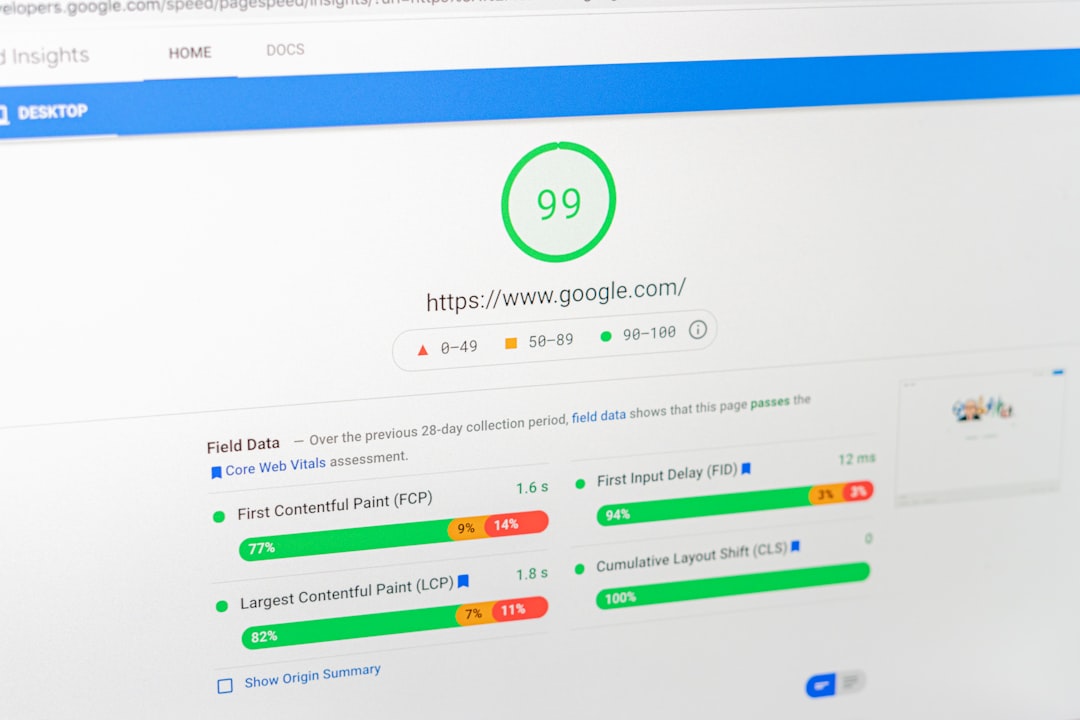
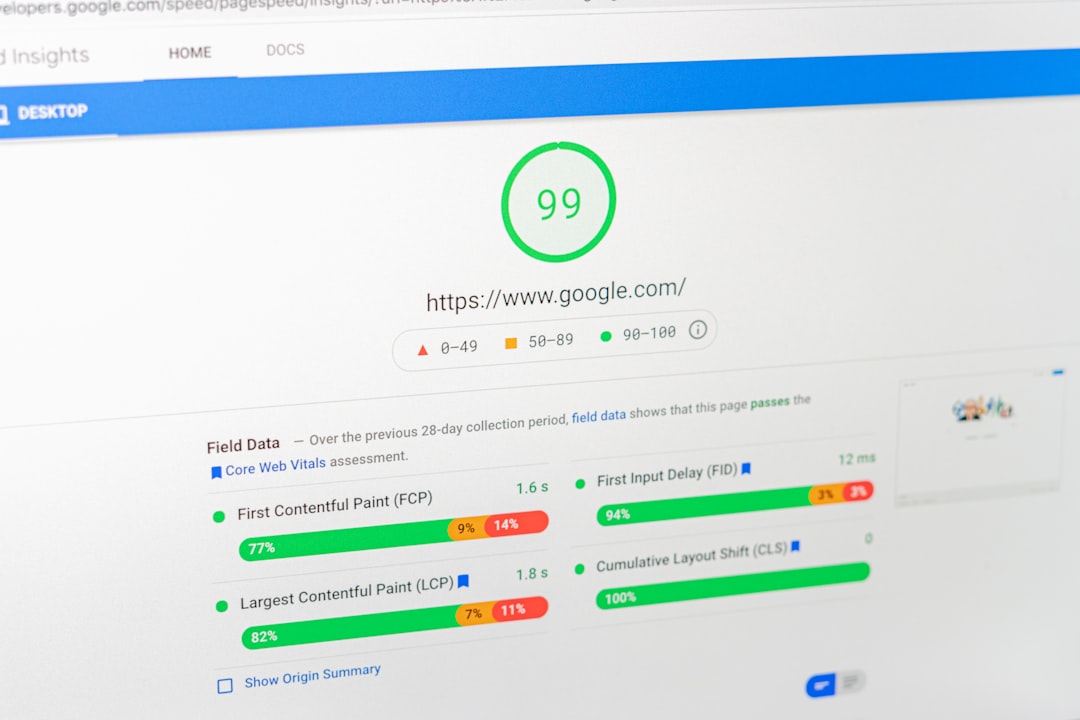
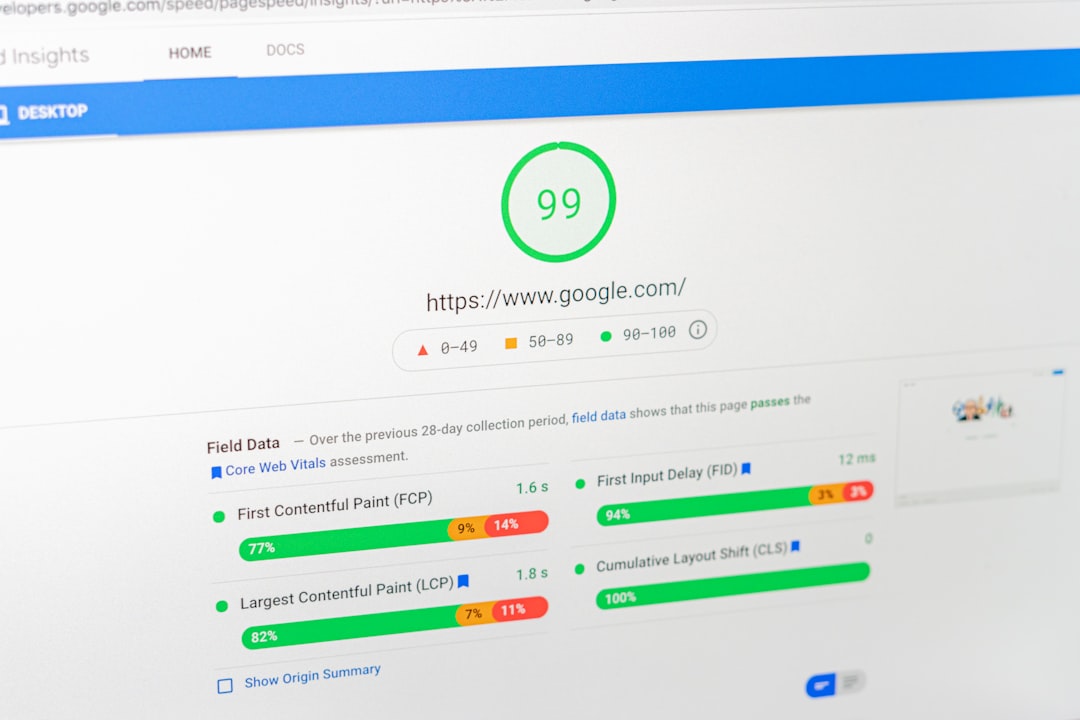
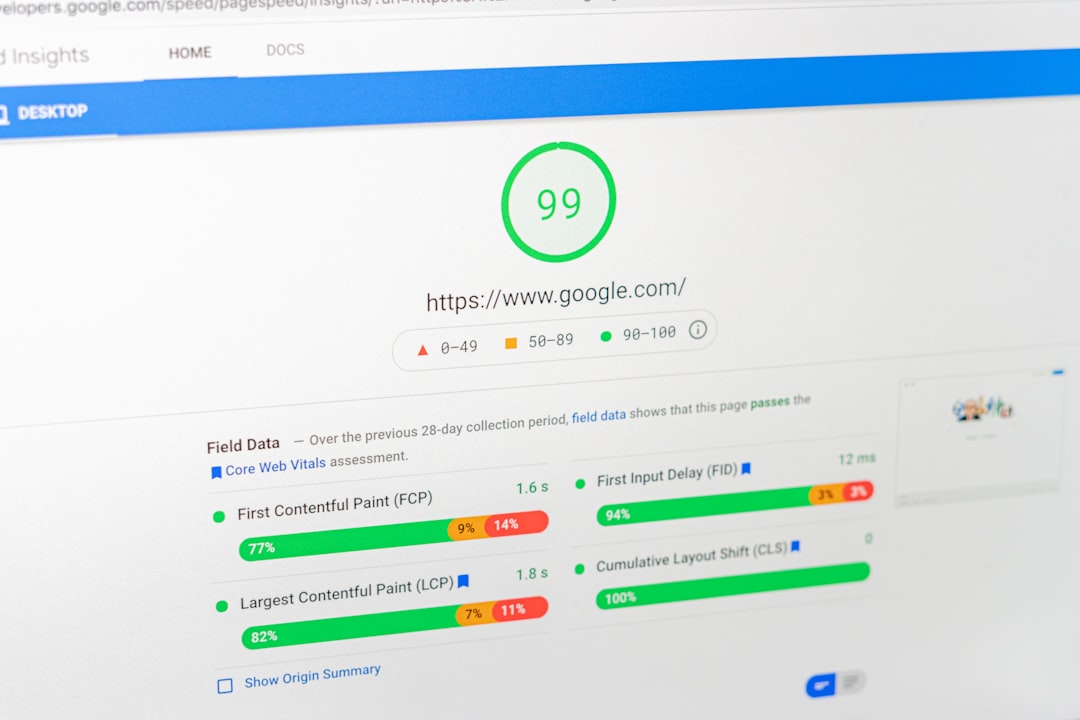
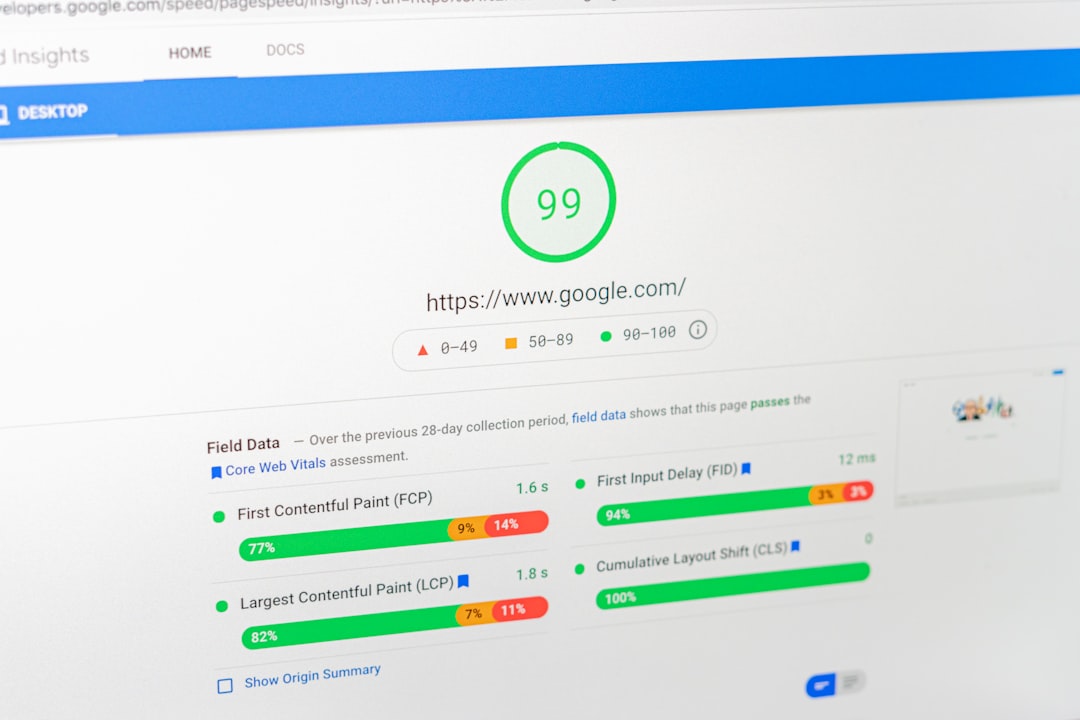
Page speed matters most when slow templates frustrate users and weaken the browsing experience. You do not need to chase perfect lab scores. You need pages that load cleanly, stay stable, and respond well on real devices.
Google’s Core Web Vitals documentation describes three important user experience metrics: Largest Contentful Paint, Interaction to Next Paint, and Cumulative Layout Shift. Google says a good user experience means aiming for LCP within 2.5 seconds, INP under 200 milliseconds, and CLS below 0.1. Use those numbers as practical benchmarks, not as a reason to endlessly tweak a page that already works well for visitors.
Test your homepage, service pages, blog posts, and product templates separately. WordPress sites often perform very differently across templates, so a single score does not tell the whole story.
If you are seeing slow templates, unstable layouts, or plugin bloat, WordPress SEO Expert can help identify what is actually worth fixing first.
Step 10: Track results in Search Console

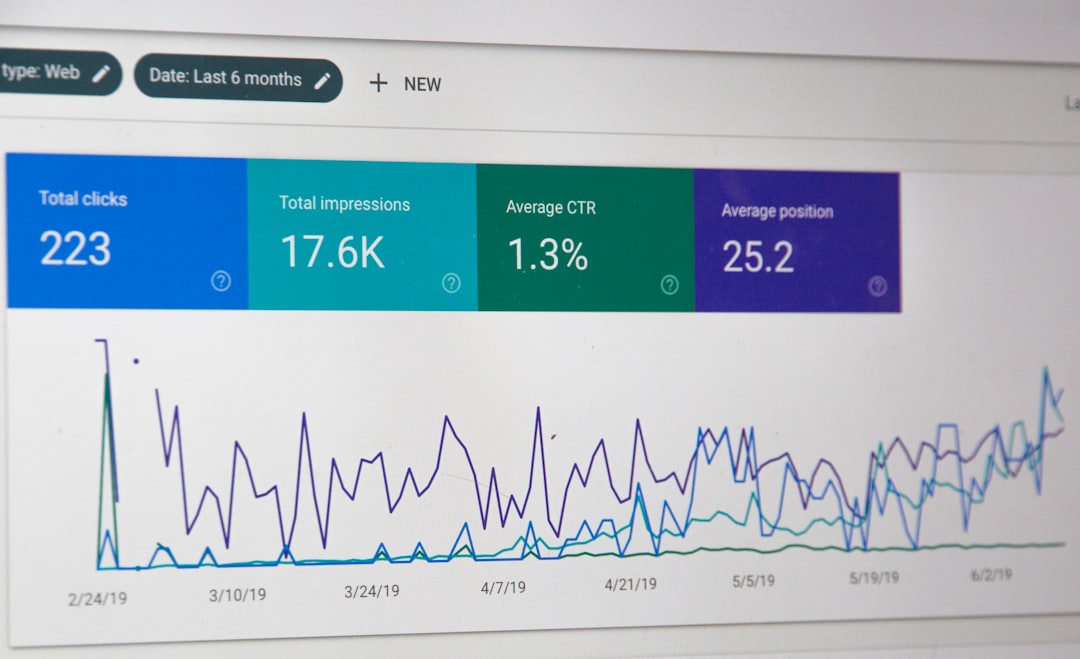
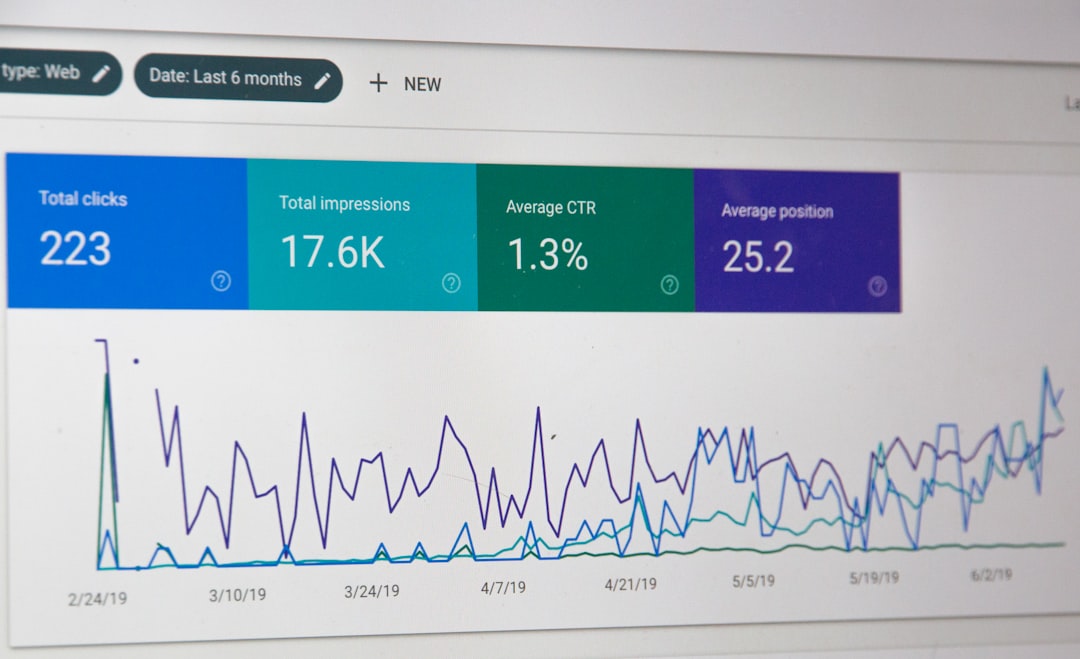
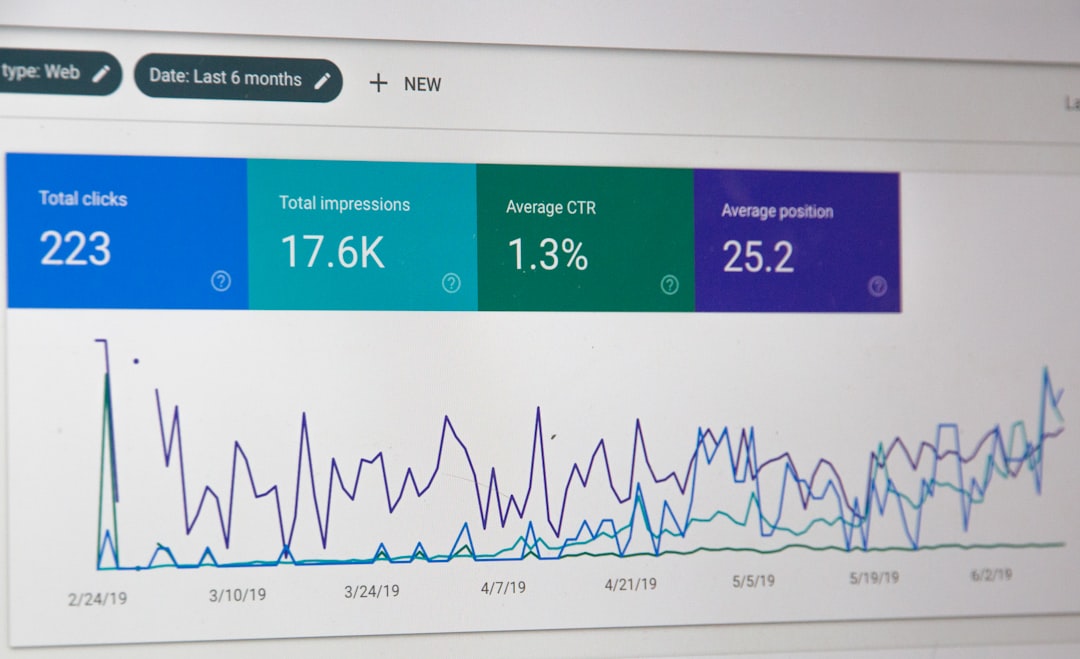
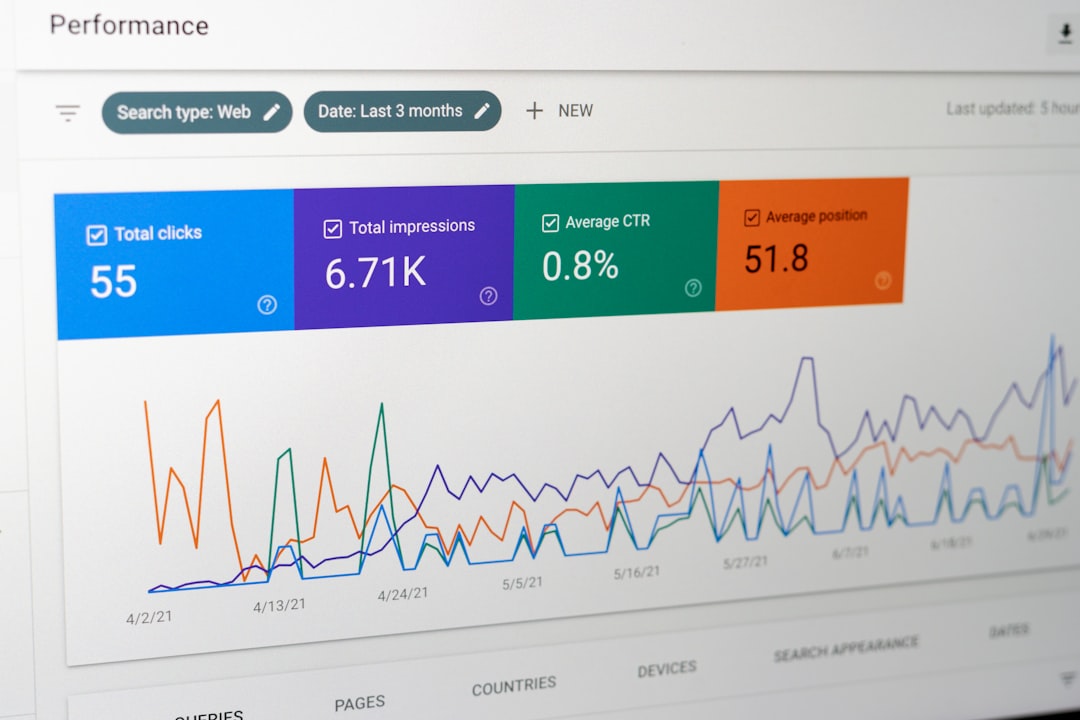
SEO is easier to improve when you measure the pages and queries that already show signs of traction. Search Console gives you the clearest starting point for deciding what to update next.
Review which pages get impressions, which queries sit just outside stronger positions, and which pages have good visibility but weak click-through performance. Google’s Search Console task guide also explains how to request indexing for updated pages through URL Inspection and how to monitor submitted sitemaps. That makes it useful both for troubleshooting and for ongoing SEO work.
Start with pages closest to results, not pages with no signal at all. A focused update on an existing impression page often beats publishing another brand-new post.
A simple WordPress Google SEO checklist
If you want the short version, follow this order. The goal is not to do everything at once. The goal is to remove blockers first, then improve the pages already most likely to grow.
| Priority | What to check | Why it matters |
|---|---|---|
| 1 | Indexing and crawl access | Pages cannot rank if Google cannot reach or index them |
| 2 | Sitemap quality and submission | Helps Google discover the right URLs |
| 3 | Title tags and page intent | Improves relevance and click potential |
| 4 | Canonical and redirect setup | Reduces duplicate URL confusion |
| 5 | Internal linking | Strengthens discovery and site hierarchy |
| 6 | Template speed and stability | Improves usability and page experience |
| 7 | Content quality and structure | Helps pages answer search intent more clearly |
What to stop doing
Stop treating plugin indicators as proof your SEO is handled. Stop stacking overlapping plugins because it feels thorough. Stop publishing thin variations of the same topic when one stronger page would do a better job.
Most importantly, stop fixing low-impact cosmetic issues before foundational problems. Titles, snippets, and schema matter. But they matter a lot more after crawlability, indexing, canonicals, and site structure are under control.
The best next step
The best next move is usually a focused review of your highest-value pages, not a full-site rewrite. Start with the pages tied to leads, sales, or existing impressions, then work outward from there.
If your rankings are flat and you are not sure whether the real issue is indexing, internal links, plugin configuration, or content overlap, WordPress SEO Expert can help. Book a free SEO consultation. No pitch, no pressure. Just an honest look at what your site actually needs and whether your current setup is part of the solution or part of the problem.
Contact WordPress SEO Expert today to schedule a consultation and get a clearer plan for what to fix first on your WordPress site.