
Low rankings usually come from a scattered plan, not one missing plugin. A practical SEO for WordPress strategy starts with clear page goals, clean site structure, focused on-page work, and regular checks in Google Search Console. That is how you turn random SEO tasks into a system you can actually maintain.
Most WordPress sites do not have one catastrophic problem. They have a stack of smaller issues that compound over time. A page may be well written but still underperform because it targets the wrong query, loads slowly, or sits three clicks too deep in the site. If you want a second set of eyes before changing anything, review our WordPress site speed fixes and our small business WordPress SEO strategy for related guidance.
What an SEO for WordPress strategy should include
A useful strategy has four moving parts: keyword targeting, site structure, on-page optimization, and measurement. If one of those is missing, WordPress SEO becomes reactive. You publish content, tweak plugin settings, and still cannot explain why rankings stay flat.
The fix is to assign a job to every important page. Your homepage should support your broad core offer. Service or category pages should target buyer-intent searches. Blog posts should answer questions that support those commercial pages. Google recommends creating helpful, reliable, people-first content rather than pages built mainly to manipulate rankings, so your strategy should start with what real visitors need. Google says this directly.
Step 1: Map one primary keyword to each core page

The fastest way to confuse Google is to let multiple pages chase the same phrase. Start by giving each important page one primary keyword and one clear intent. This reduces overlap and makes it easier to improve the page that actually matters.
For most WordPress sites, this means separating pages into three groups. First, money pages such as services, categories, or location pages. Second, trust pages such as case studies, about pages, and FAQs. Third, blog content that supports the main services. This structure keeps you from writing five articles that all compete with the page that should be bringing in leads.
If you sell services, do not start with broad informational terms just because they have higher search volume. Start with the pages closest to conversion. Once those are solid, publish supporting content that answers the questions buyers ask before they contact you.
Step 2: Fix site structure before publishing more posts

Many WordPress sites already have enough content. The real problem is that the best pages are buried, disconnected, or competing with weaker versions. Structure usually deserves attention before content volume.
Your most important pages should be easy to reach from the homepage and main navigation. Internal links should use descriptive anchor text because Google uses link text to understand what the destination page is about. Google’s SEO Starter Guide specifically notes the value of useful link text.
This is also where many WordPress issues hide. Orphan pages, thin tag archives, duplicate category paths, and outdated redirects can spread relevance across too many URLs. Before you write more, make sure your strongest pages are the ones your site keeps reinforcing.
| Area | What to check first | Why it matters |
|---|---|---|
| Navigation | Core services or categories appear in main menus | Important pages become easier for users and search engines to reach |
| Internal links | Older posts link to key service and category pages | Authority and context flow to pages that drive leads |
| Archives | Review tag, author, and date archives for thin or duplicate content | Reduces index bloat on smaller WordPress sites |
| URLs | Check for broken links, redirect chains, and duplicate slugs | Keeps crawling cleaner and avoids diluted signals |
Step 3: Get the on-page basics right
On-page SEO still matters, but it should clarify relevance, not turn into keyword stuffing. Each page needs one clear H1, a focused title tag, useful subheadings, and copy that answers the next obvious question a visitor has.
A weak service page usually says what the business does and stops there. A stronger page explains who the service is for, what problems it solves, what the process looks like, and what action to take next. That makes the page more useful for readers and easier for search engines to interpret.
Keep URLs readable, write specific image alt text where it helps context, and avoid repeating the same boilerplate copy across similar pages. If several pages offer nearly the same service, consolidate instead of forcing each one to rank separately.
Step 4: Keep WordPress technically clean
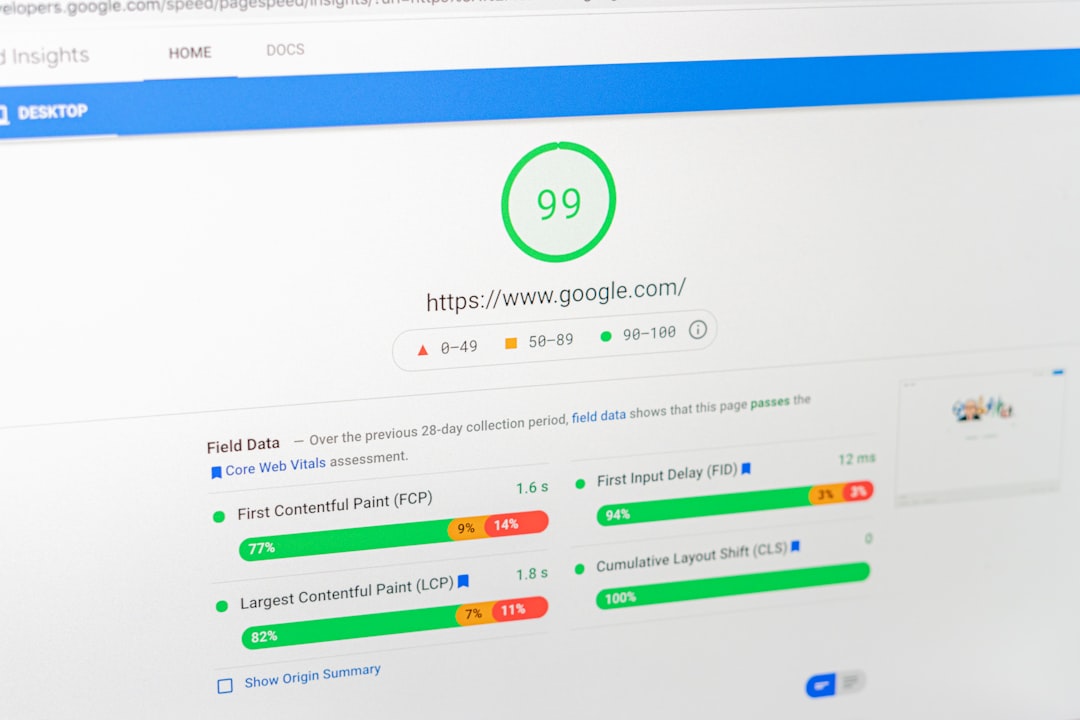
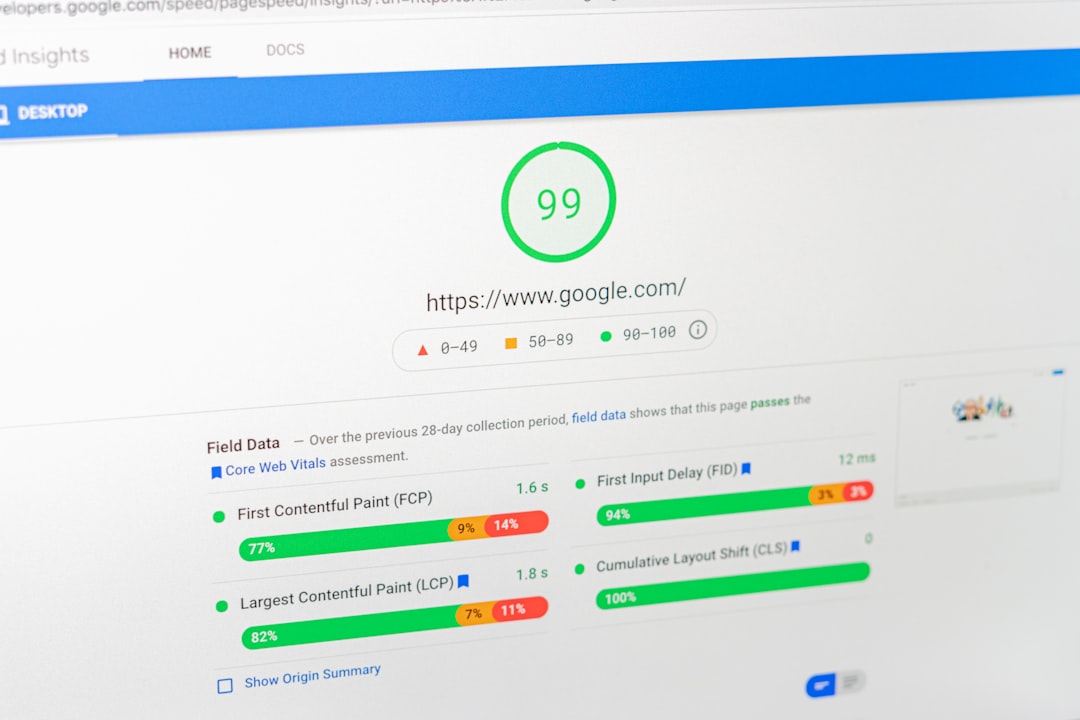
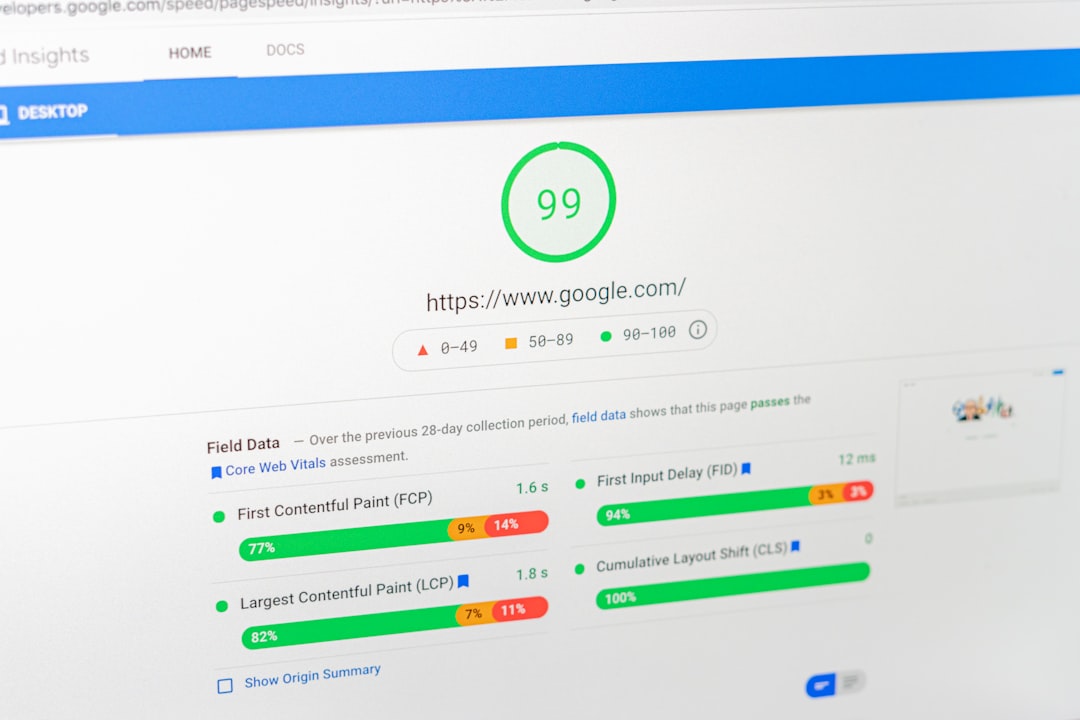
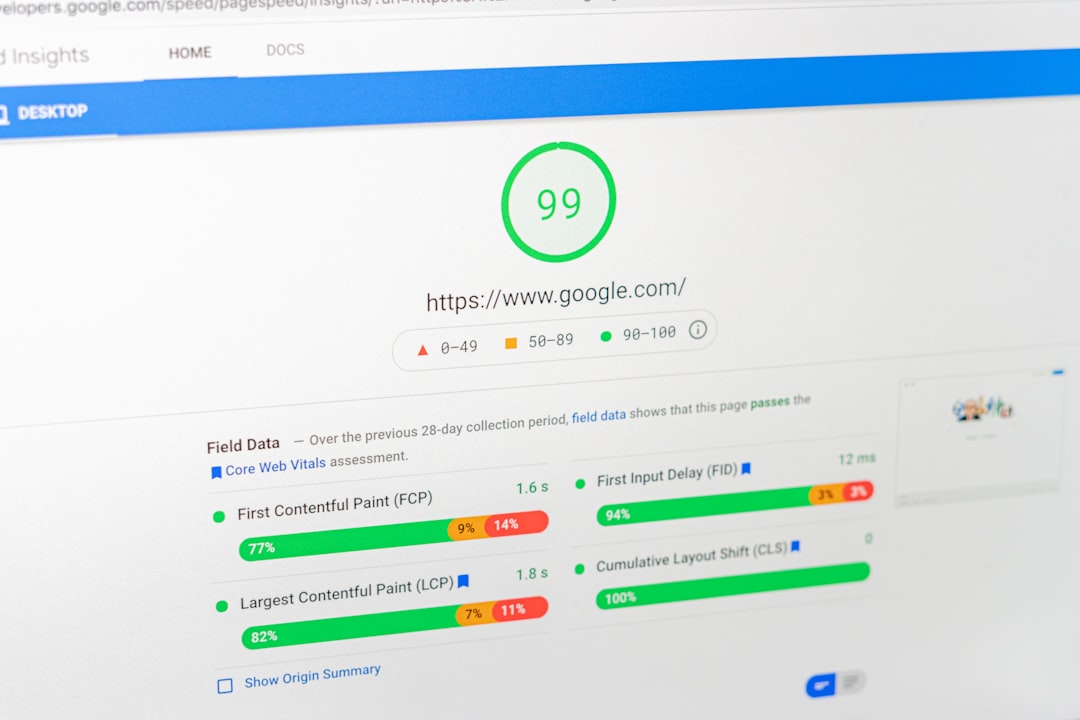
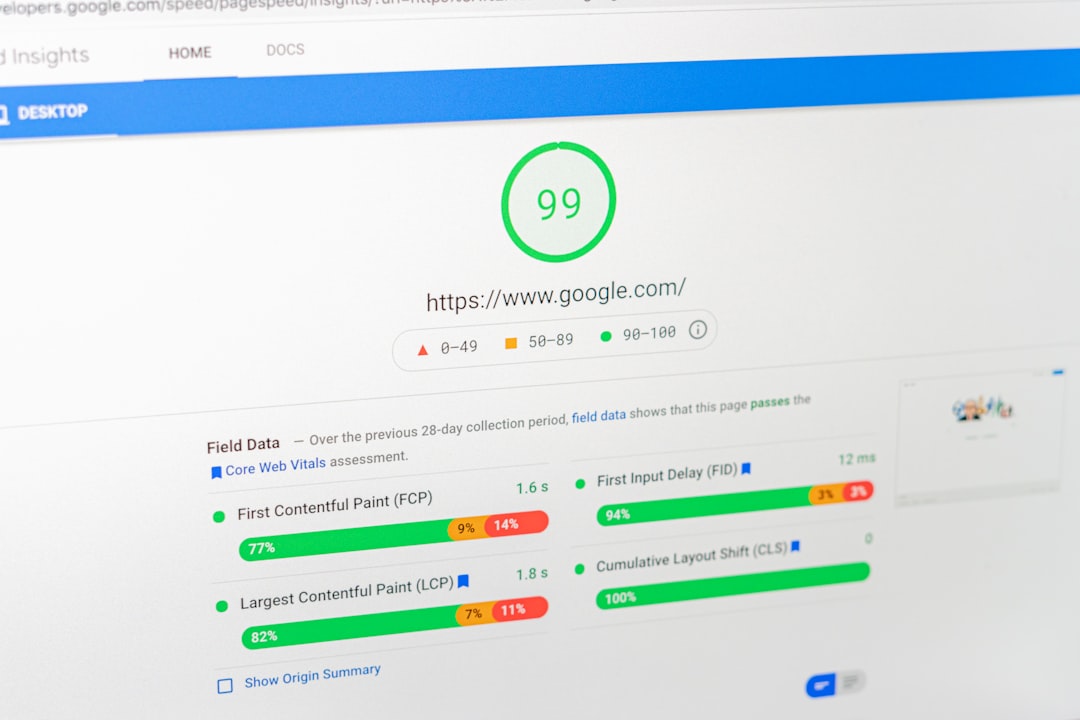
Technical SEO for WordPress does not need to be complicated, but it does need to be orderly. A slow template, bad noindex settings, plugin overlap, or broken canonicals can quietly weaken pages that should perform much better.
WordPress includes a Site Health screen under Tools that helps you review whether your setup is current and functioning properly. WordPress documents the Site Health screen here. That is a good place to begin if you are not sure whether the issue is content, performance, or configuration.
Be careful not to stack overlapping SEO plugins or performance plugins. One clean setup is usually better than three tools fighting over metadata, schema, and caching behavior. If speed is part of the problem, our guide on improving WordPress site speed for SEO walks through practical fixes.
If you are experiencing these issues, our team at WordPress SEO Expert can help. We look for the bottlenecks first so you are not wasting time on settings that do not move rankings.
Step 5: Use Search Console to decide what to fix next

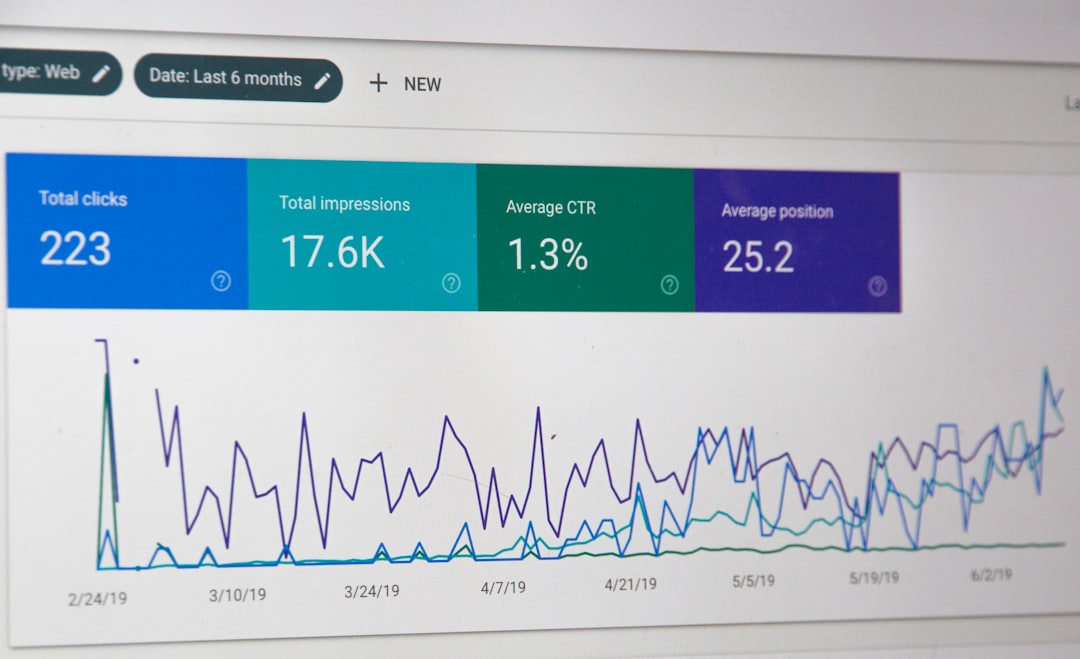
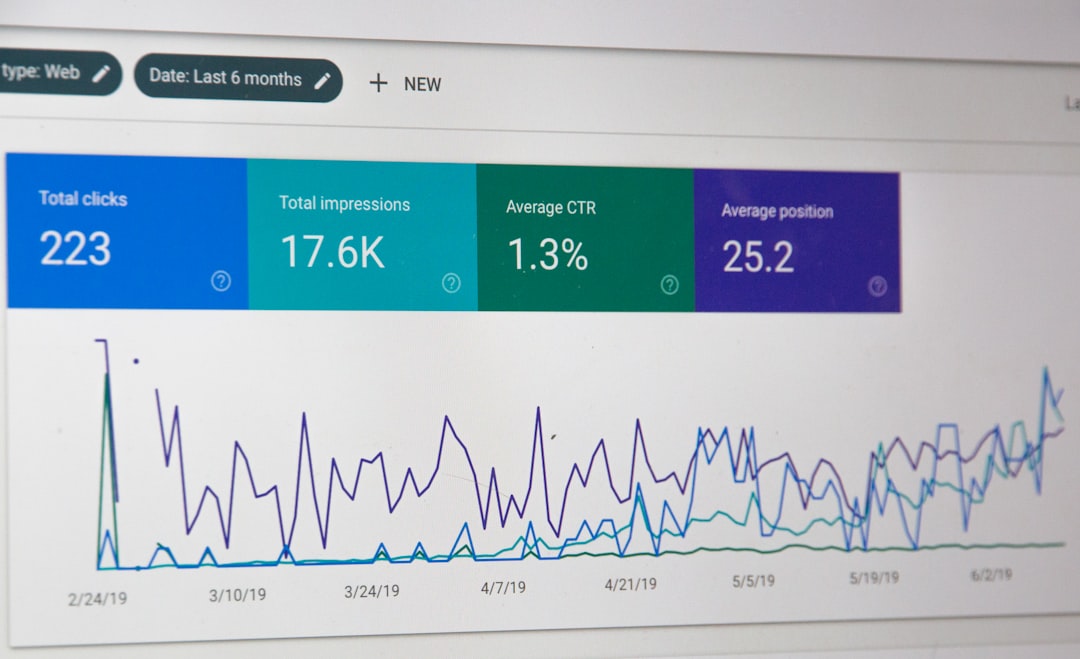
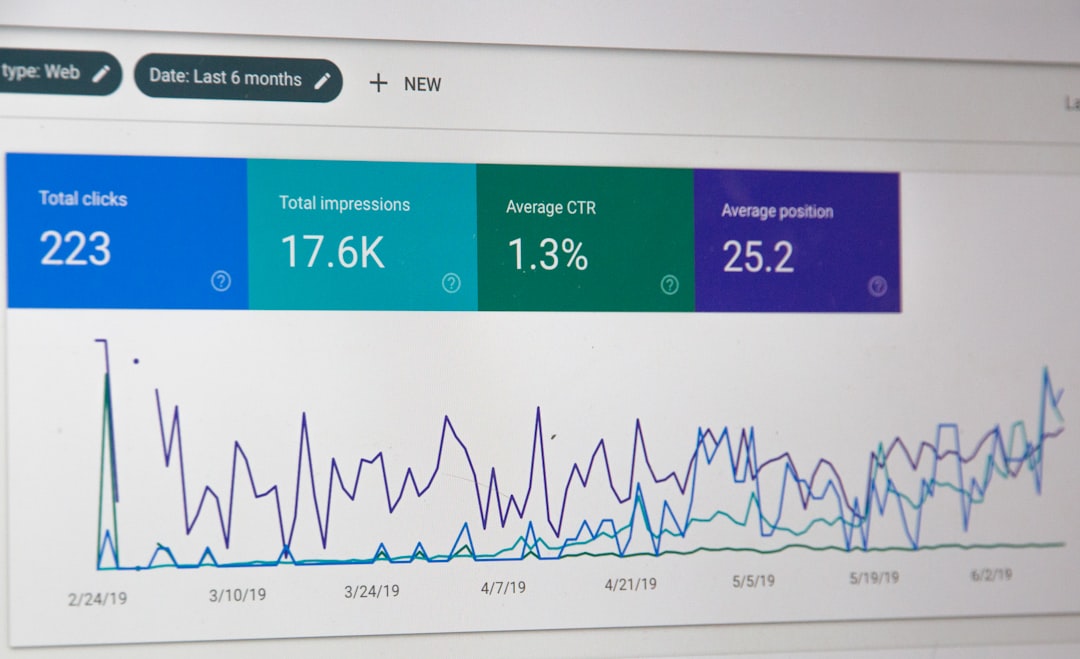
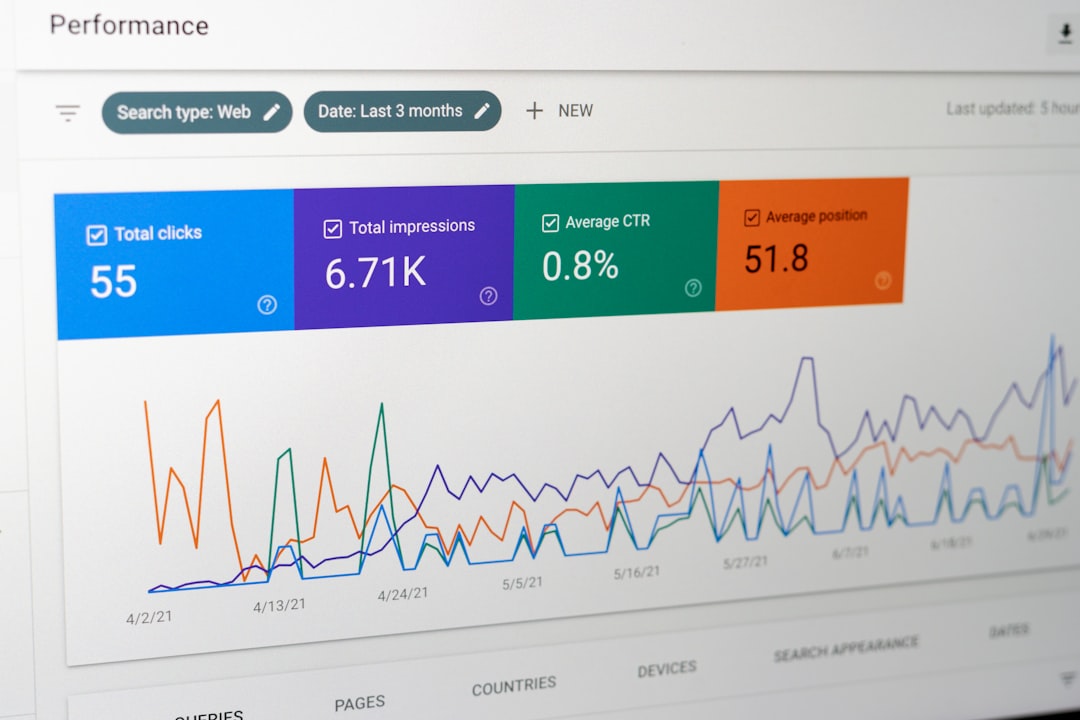
If you are not checking Search Console, you are missing the clearest feedback Google gives you for free. The Performance report shows clicks, impressions, average CTR, and average position, which makes it one of the best places to find pages with real upside. Google documents those metrics in Search Console.
Here is how to use that data without overcomplicating it. If impressions are rising but clicks are flat, your title or meta description may need work. If a page ranks for the wrong query, the content may not match intent. If one page gets visibility for many variations, it may deserve a full refresh instead of publishing another overlapping article.
A simple monthly review is enough for many small businesses. Check your top pages, look for high-impression queries with weak CTR, and update the pages with the highest commercial value first.
A simple 90-day SEO for WordPress plan
The easiest strategy to execute is short and prioritized. Most businesses do better with a 90-day plan than with a long document nobody revisits. Fix the foundation first, then expand.
| Timeframe | Main focus | Outcome |
|---|---|---|
| Days 1-30 | Audit pages, map keywords, clean up structure, review index settings | Clear priorities and fewer technical distractions |
| Days 31-60 | Rewrite core service or category pages, improve titles, strengthen internal links | Better alignment with buyer intent |
| Days 61-90 | Publish supporting content, review Search Console data, refresh pages with weak CTR | Steady growth based on real performance data |
Common mistakes that keep WordPress SEO stuck
Most stalled SEO campaigns are not failing because the site owner missed an advanced tactic. They stall because the work is unfocused. The usual pattern is too many similar pages, weak internal linking, plugin-driven shortcuts, and no clear process for deciding what to improve next.
Another common mistake is treating plugin scores as the goal. Green lights inside an SEO plugin do not mean the page deserves to rank. Search intent, clarity, proof, and site structure matter more than chasing a checklist that every competitor can copy.
If your site lost traffic after a redesign, migration, or plugin change, slow down before rewriting everything. Start by checking whether key pages changed URLs, lost internal links, dropped metadata, or became harder to crawl. Diagnosis comes before fixes.
Final takeaway
A real SEO for WordPress strategy is not about finding one magic plugin or publishing more blog posts than your competitors. It is about giving each page a purpose, supporting it with clean structure, and using performance data to improve the pages that matter most.
If you want a practical roadmap instead of generic advice, contact WordPress SEO Expert today to schedule a consultation. We can help you identify what is actually holding your WordPress site back and what to fix first.