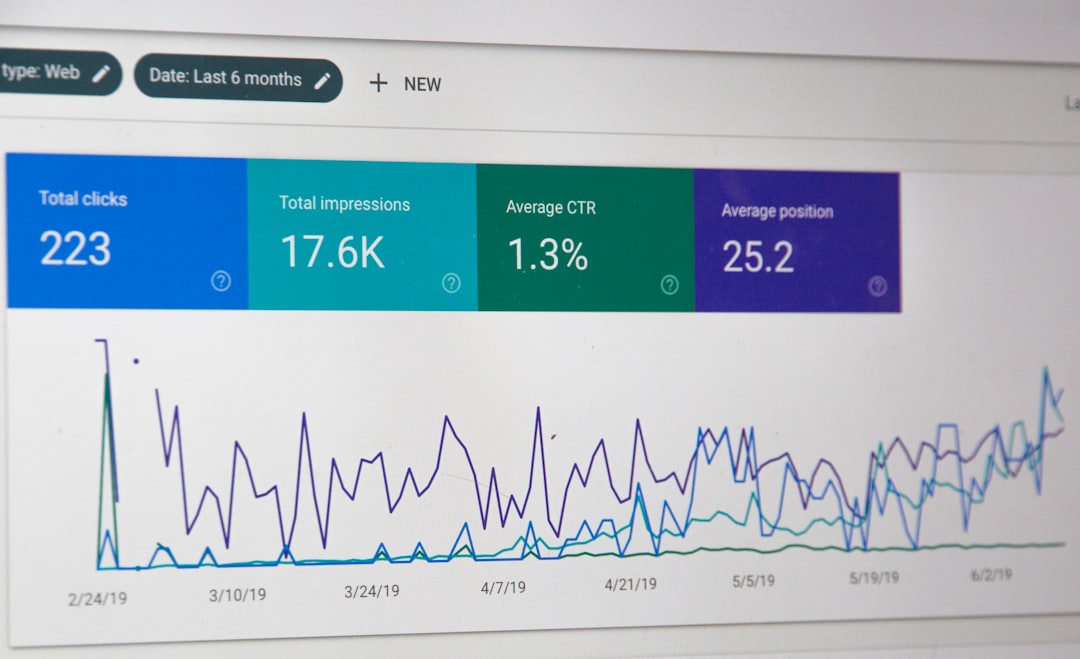
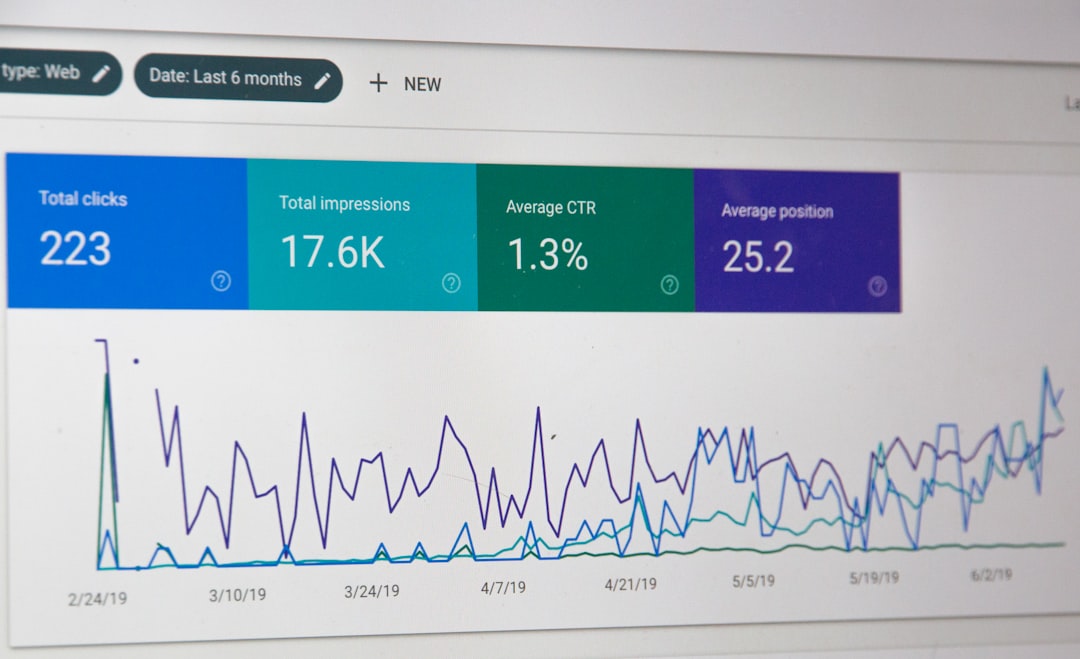
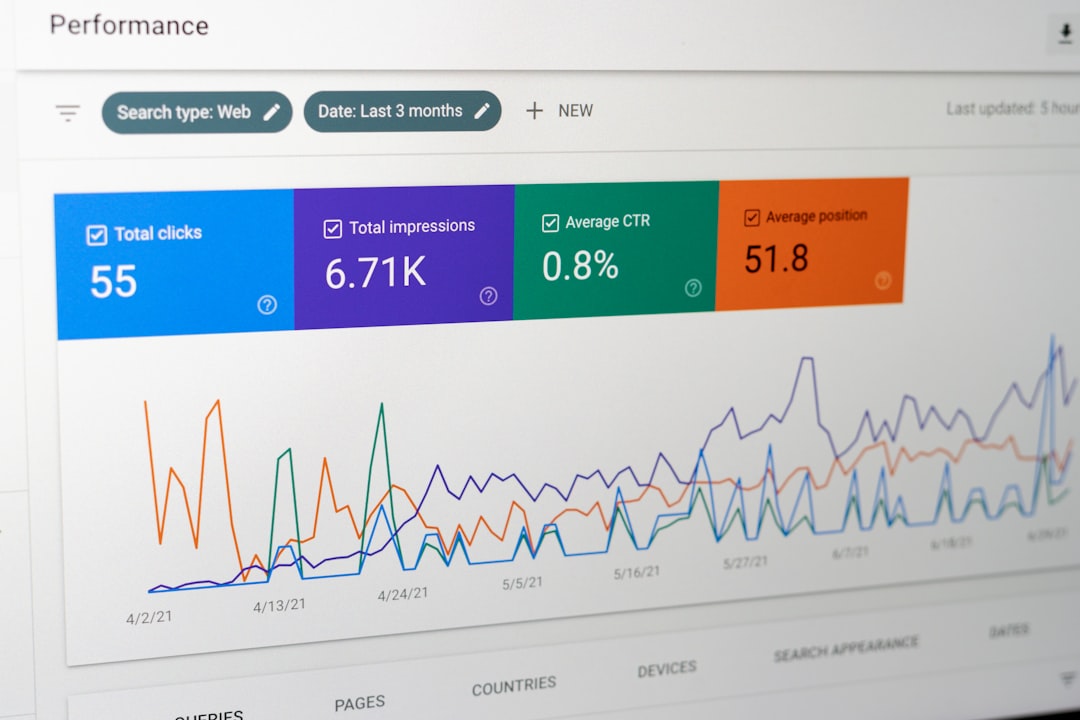
Low rankings usually come from a stack of small issues, not one missing plugin. If you want to improve WordPress SEO without coding, start with the parts you can control from the dashboard: page titles, meta descriptions, internal links, image optimization, and site speed. Most site owners do not need custom code to make meaningful progress.
The practical goal is not to chase plugin scores. It is to make each important page clearer for search engines and more useful for visitors. If your site already has decent content but rankings are stuck, the fixes below are the ones most likely to move things first.
Start with one clean SEO plugin setup
You do not need coding, but you do need a clean setup. Pick one reputable SEO plugin, configure the basics properly, and avoid stacking overlapping SEO tools that create conflicting settings.
For most small business WordPress sites, the simplest approach is one SEO plugin, one caching plugin, and a short checklist for each page. Do not install multiple SEO plugins hoping they will add up. In practice, that usually creates duplicate metadata, confusing schema output, or settings that cancel each other out.
If your rankings feel scattered rather than completely broken, review your overall WordPress SEO strategy for small business before changing tools. A better plan usually beats a more complicated plugin stack.
Fix titles and meta descriptions first

Titles and meta descriptions are usually the fastest no-code SEO win. They help Google understand page focus, and they help searchers decide whether to click your result instead of the page above it.
Google recommends writing unique, clear, concise titles and useful meta descriptions instead of repetitive boilerplate or keyword stuffing. It also notes that snippets may come from page content, but a strong meta description can still improve how your result is presented in search. Use your SEO plugin to edit these fields on every core page, especially your homepage, service pages, and top blog posts.
Weak title: SEO Services | SEO Company | SEO Expert
Stronger title: WordPress SEO Services for Small Businesses
Weak meta description: We offer SEO services for businesses of all kinds and help with rankings.
Stronger meta description: WordPress SEO services for small businesses. Get technical fixes, on-page help, and a clear plan to improve rankings.
A simple rule helps here: one main topic per page, one clear title, and one description that makes the next click feel obvious.
Improve on-page SEO with a page-by-page checklist
On-page SEO without coding means making each page easier to understand. Focus on page purpose, headings, keyword placement, and helpful content before you worry about advanced features.
Each important page should have one clear H1, a focused title tag, a short URL, useful subheadings, and copy that answers the next questions a visitor will have. Most underperforming pages are not missing one secret tactic. They are vague, overlapping, or too thin to satisfy intent.
| Area | What to check | Why it matters |
|---|---|---|
| Primary topic | Make sure the page targets one main search intent | Clearer relevance helps Google understand which queries fit the page |
| H1 heading | Use one clear heading that matches the page topic | Reduces mixed signals and improves page structure |
| Subheadings | Break the page into useful sections with H2s and H3s | Makes content easier to scan for users and search engines |
| Body copy | Answer practical questions instead of repeating keywords | Helpful pages perform better than pages written for plugin scores |
| URL | Keep it short and readable | Cleaner URLs are easier to understand and share |
If you want a second set of eyes before changing page copy, WordPress SEO Expert can help identify which pages need rewrites and which just need better targeting.
Use internal links more deliberately

Internal linking is one of the easiest SEO improvements you can make without touching code. It helps search engines understand which pages matter and helps visitors find the next relevant page on your site.
Most WordPress sites have useful pages that are buried or disconnected. Add links from blog posts to service pages, from service pages to supporting guides, and from older articles to newer ones where the topic naturally overlaps. Google’s SEO guidance also emphasizes writing useful link text, so make the anchor descriptive instead of generic.
For example, if you are improving content quality and technical setup together, link related phrases to your WordPress site speed for SEO resources and to relevant service pages. This gives both users and search engines a clearer path through your site.
Optimize images without editing code
Image optimization is a high-impact no-code fix because oversized images quietly slow down pages and weaken user experience. You can usually improve this with plugin settings and better upload habits alone.
Use an image optimization plugin to compress large files, create modern formats where available, and lazy-load below-the-fold images. WordPress introduced native image lazy loading in version 5.5, so many sites already benefit from it by default. Google also recommends descriptive alt text and warns against stuffing alt attributes with keywords.
When uploading images, use filenames that describe the image, write alt text that explains what is actually shown, and avoid uploading giant originals straight from a phone or camera if the page only displays a much smaller image. This is one of the simplest ways to improve both accessibility and page quality.
Clean up speed issues from the dashboard

Site speed is not the whole SEO strategy, but slow pages can hold back pages that are otherwise well written. The good news is that many speed improvements on WordPress do not require code.
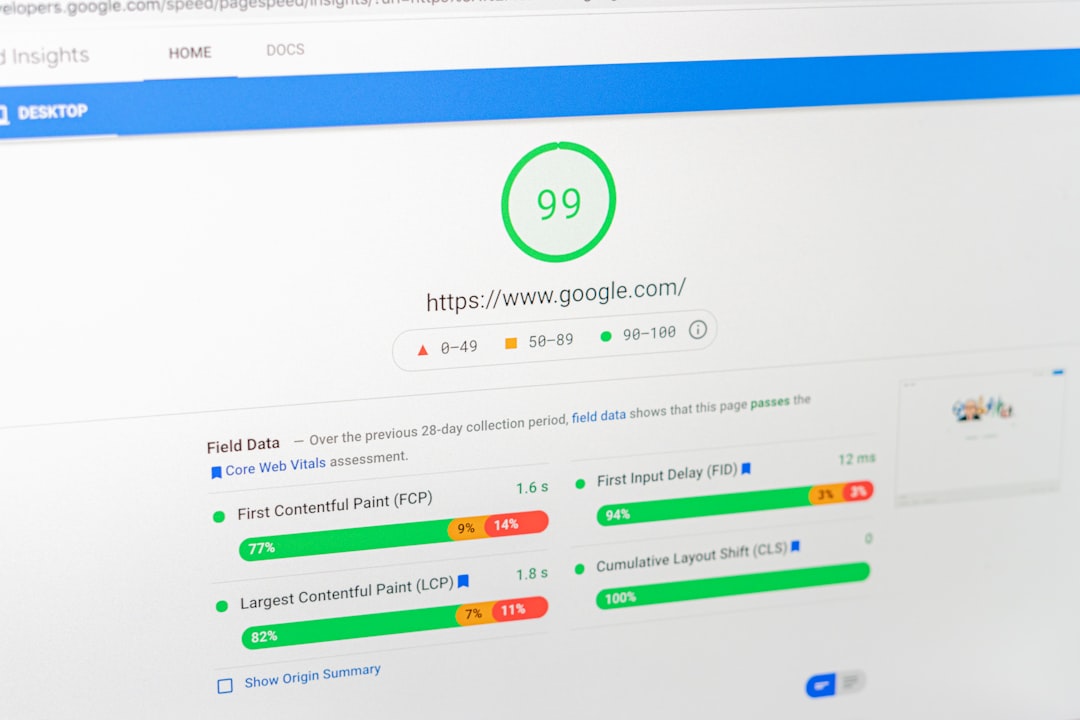
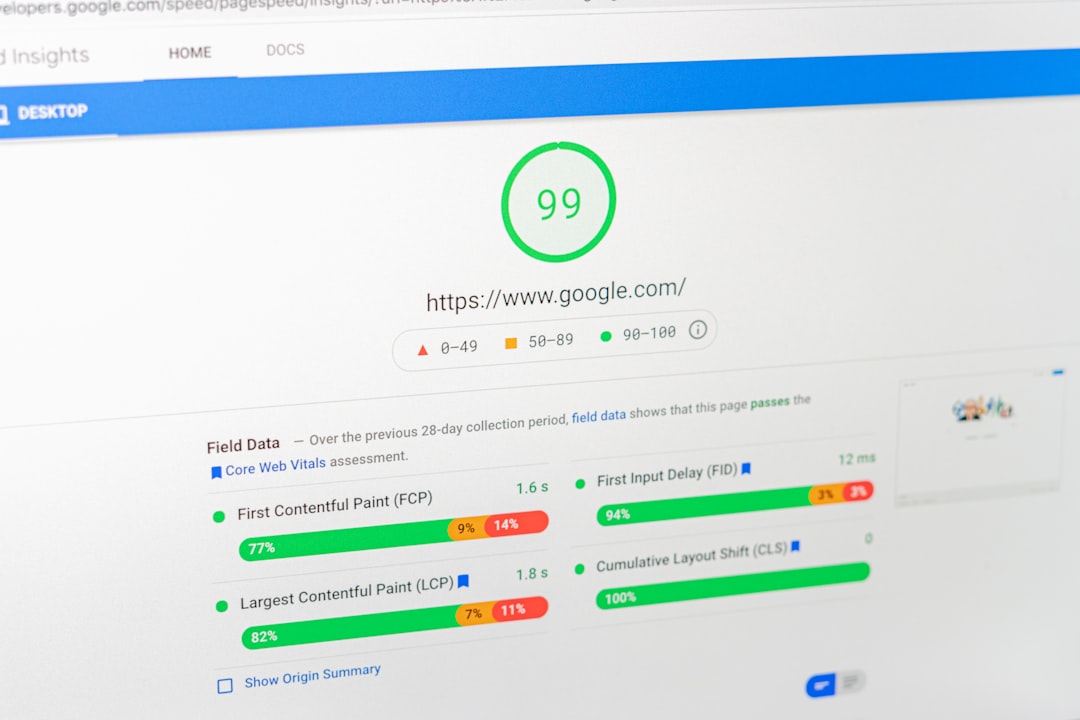
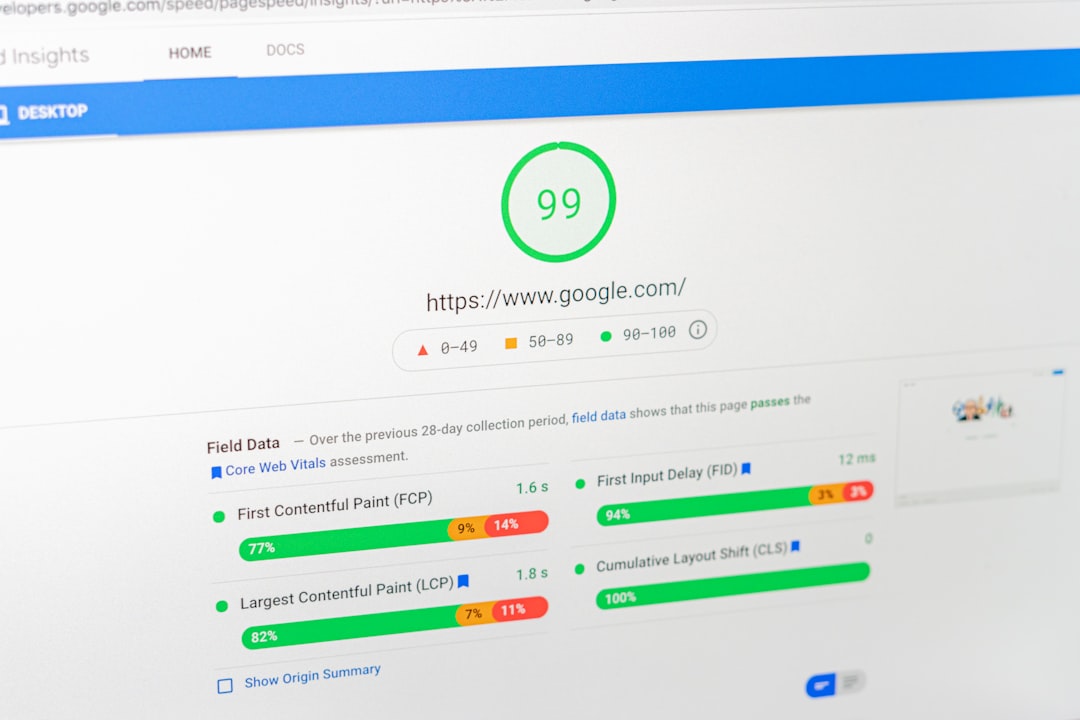
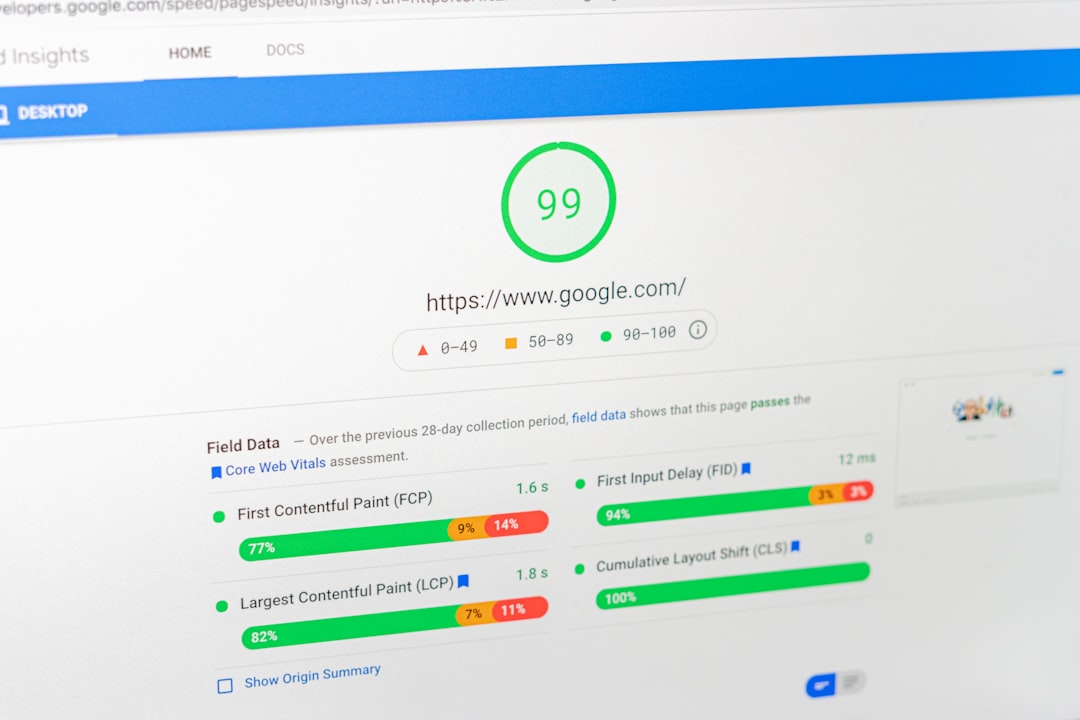
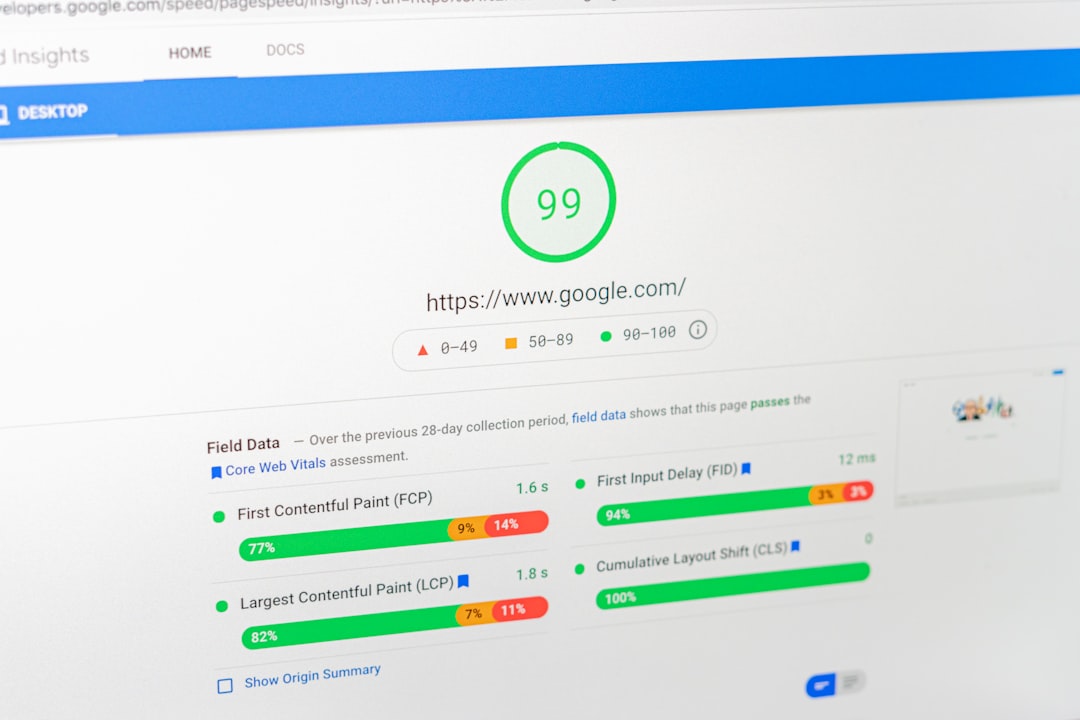
Start with image compression, page caching, and removing unnecessary plugins. Then test your site with PageSpeed Insights or Lighthouse before and after each change. This matters because many site owners make five changes at once, break something, and have no idea which setting caused it.
If speed is one of your bigger bottlenecks, review our guide on how to improve WordPress site speed for SEO. It walks through the exact settings and priority order that usually matter most.
What to fix first if you only have one hour
If time is limited, do not try to optimize everything. Update the pages with the highest business value first, then work outward from there.
| Priority | Fix first | Expected benefit |
|---|---|---|
| 1 | Rewrite title tags and meta descriptions on core pages | Better relevance and stronger click appeal |
| 2 | Add internal links between related pages | Clearer site structure and stronger page discovery |
| 3 | Improve H1s, subheadings, and page clarity | Better alignment with search intent |
| 4 | Compress oversized images | Faster load times and better user experience |
| 5 | Remove unnecessary plugins and enable caching | Cleaner setup with fewer performance conflicts |
When no-code SEO is enough and when it is not
No-code SEO can take many WordPress sites a long way. But if you have indexation problems, migration damage, template-level duplicate content, or serious performance issues, you may eventually need technical help beyond plugin settings.
That does not mean you failed. It just means the bottleneck is deeper than page-level edits. Many stalled sites have already done the easy fixes. What remains is usually a technical or strategic issue that needs a proper audit instead of more guesswork.
Final takeaway
The best way to improve WordPress SEO without coding is to simplify the basics and apply them consistently. Clean up titles, write better descriptions, strengthen internal links, improve page structure, optimize images, and fix obvious speed issues before looking for advanced tactics.
If you want help figuring out what is actually holding your site back, contact WordPress SEO Expert to schedule a consultation. We can help you sort out whether your next step should be on-page cleanup, technical fixes, or a broader SEO strategy.