Flat rankings usually point to a messy foundation, not a missing trick. If your WordPress site has an SEO plugin, published content, and still is not gaining traction, the problem is usually prioritization. WordPress SEO Expert sees the same pattern often: several small setup issues combine into one frustrating result.
This walkthrough gives you a practical order for troubleshooting WordPress SEO fundamentals. Instead of tweaking everything at once, you will check indexing, plugin conflicts, page signals, internal links, and duplicate content in the order that actually helps restore visibility.
Start With Indexing Before Anything Else

If Google cannot index the right pages, every other SEO task becomes cosmetic. Start by confirming that your most important pages can be crawled, are indexable, and are included in your sitemap.
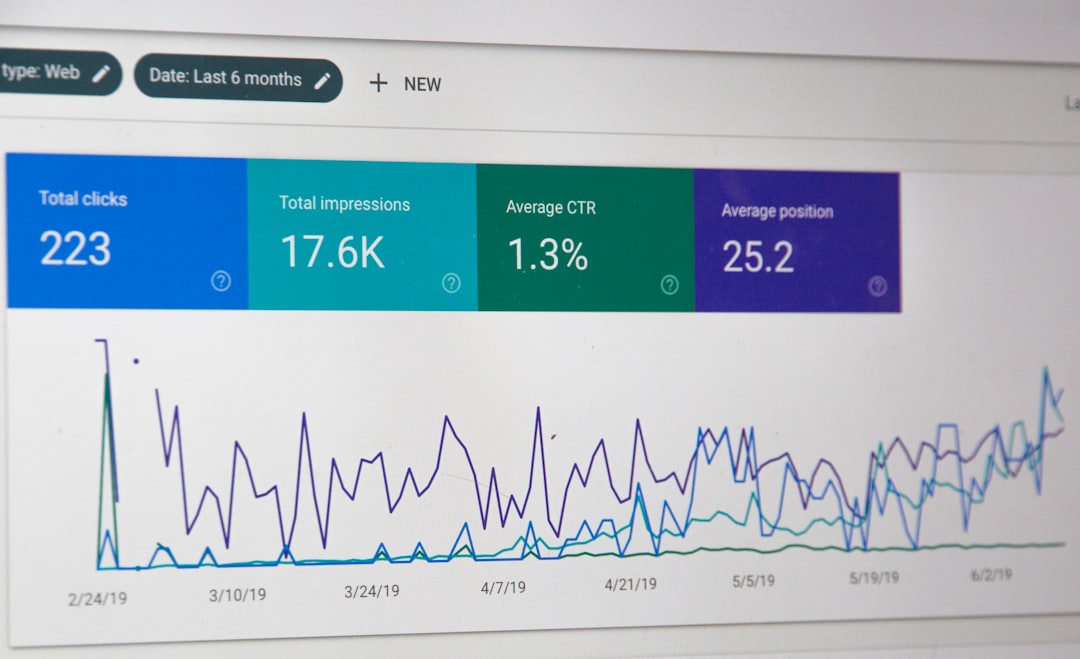
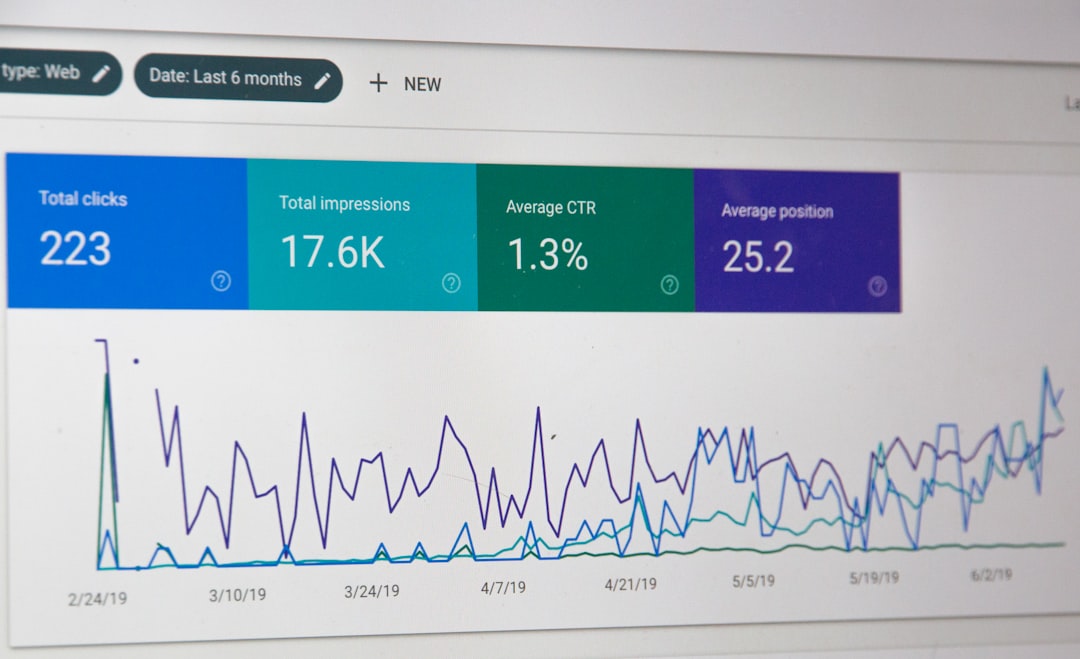
Check your WordPress reading settings, your SEO plugin index settings, and Google Search Console. Look for accidental noindex rules, blocked resources, or pages that exist but never appear in search because they are weakly linked. A green light in an SEO plugin does not mean the page deserves to rank. If the page is blocked, duplicated, or orphaned, the score does not matter.
If you need a broader baseline first, review this practical guide for DIY WordPress site owners to understand how the layers work together.
Use One SEO Plugin Only
One well-configured SEO plugin is enough. If your site runs overlapping SEO, schema, or social metadata plugins, troubleshoot that before touching titles or content.
Multiple plugins can create duplicate metadata, conflicting canonical tags, and competing sitemaps. This is especially common on sites that changed owners, went through redesigns, or had several developers add tools over time. Remove overlap, keep one primary SEO plugin, and simplify the setup before doing deeper optimization.
Check Titles and Headings on Core Pages
Your title tags and headings should make the page topic obvious within seconds. If your homepage, service pages, or top blog posts use vague or repetitive wording, fix those pages before rewriting lower-priority content.
Weak titles often sound generic, while stronger titles clearly match a searcher’s intent. Avoid boilerplate patterns that repeat the same phrase across multiple pages. Your H1 should describe the page clearly, and your title tag should support that same topic without stuffing variations into every field.
| Weak title | Stronger title |
|---|---|
| SEO Services | SEO Company | SEO Expert | WordPress SEO Services for Small Businesses |
| Blog | WordPress SEO Tips for Service Businesses |
| Home | WordPress SEO Consultant for Growing Sites |
If your setup is still unclear, this guide to fixing WordPress SEO setup problems pairs well with this troubleshooting process.
Fix Duplicate and Low-Value URLs

Many WordPress SEO problems come from pages that should not compete in search at all. Thin archives, attachment pages, parameter URLs, and outdated duplicates can dilute signals across the site.
Review tag archives, author archives, date archives, and any plugin-generated URLs. If they do not serve a real search purpose, noindex them or consolidate them. Most site owners do not have one catastrophic problem. They have a stack of smaller issues that compound over time. Duplicate URL handling is one of the most common examples.
Strengthen Internal Links to Important Pages

Internal links help search engines understand which pages matter most. Once indexing and duplication issues are under control, internal linking is one of the clearest next fixes.
Link supporting blog posts to core service pages. Link related articles to each other with descriptive anchor text. Make sure your key pages are reachable through normal site navigation and contextual links, not only through the sitemap. If an important page has little internal support, its problem may be visibility signals rather than content quality alone.
If you are experiencing these symptoms, our team at WordPress SEO Expert can help. A focused review can usually tell whether the real issue is indexing, duplication, weak targeting, or plugin clutter.
A Simple Troubleshooting Order
Fix the issues that block visibility before the issues that polish visibility. That order keeps you from wasting time on minor edits while larger technical problems still hold the site back.
| Priority | What to review | Why it matters first |
|---|---|---|
| 1 | Indexing and crawl access | Pages cannot rank if they are blocked or excluded |
| 2 | SEO plugin overlap | Conflicting outputs can affect the whole site |
| 3 | Canonicals and duplicate URLs | Search signals get split across competing versions |
| 4 | Titles and headings | Improves topical clarity on important pages |
| 5 | Internal links | Strengthens discovery and page hierarchy |
| 6 | Meta descriptions and schema | Supports presentation after the foundation is stable |
What to Stop Doing
Do not keep adding plugins, rewriting random posts, or chasing plugin scores without a diagnosis. Those actions feel productive, but they often leave the real bottlenecks untouched.
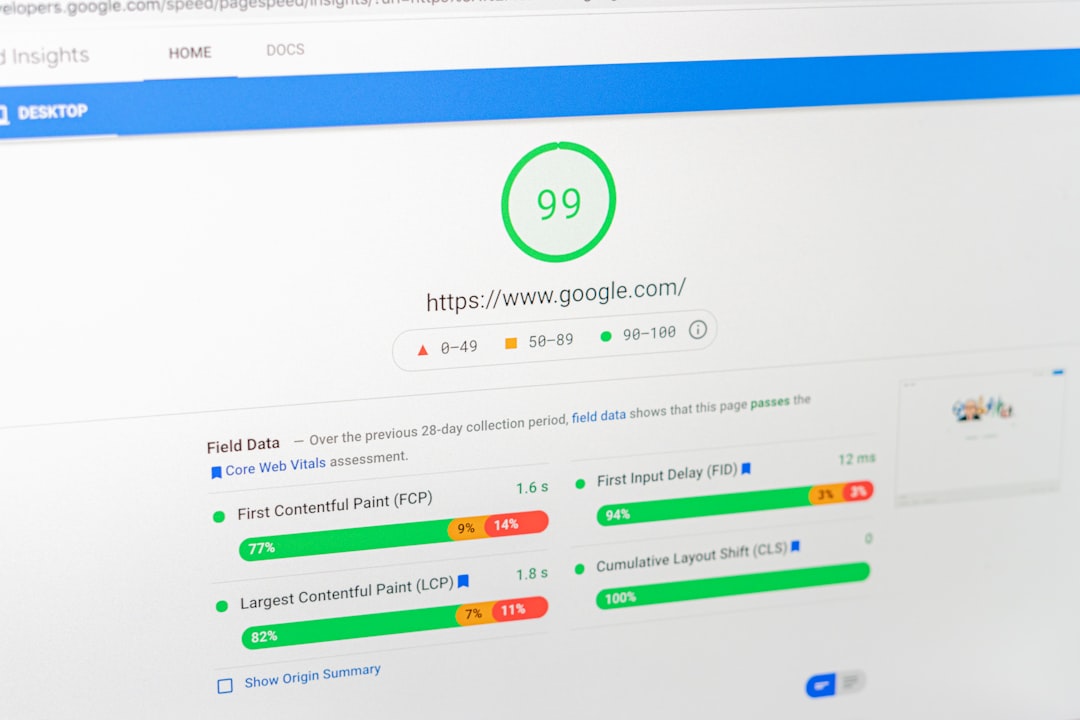
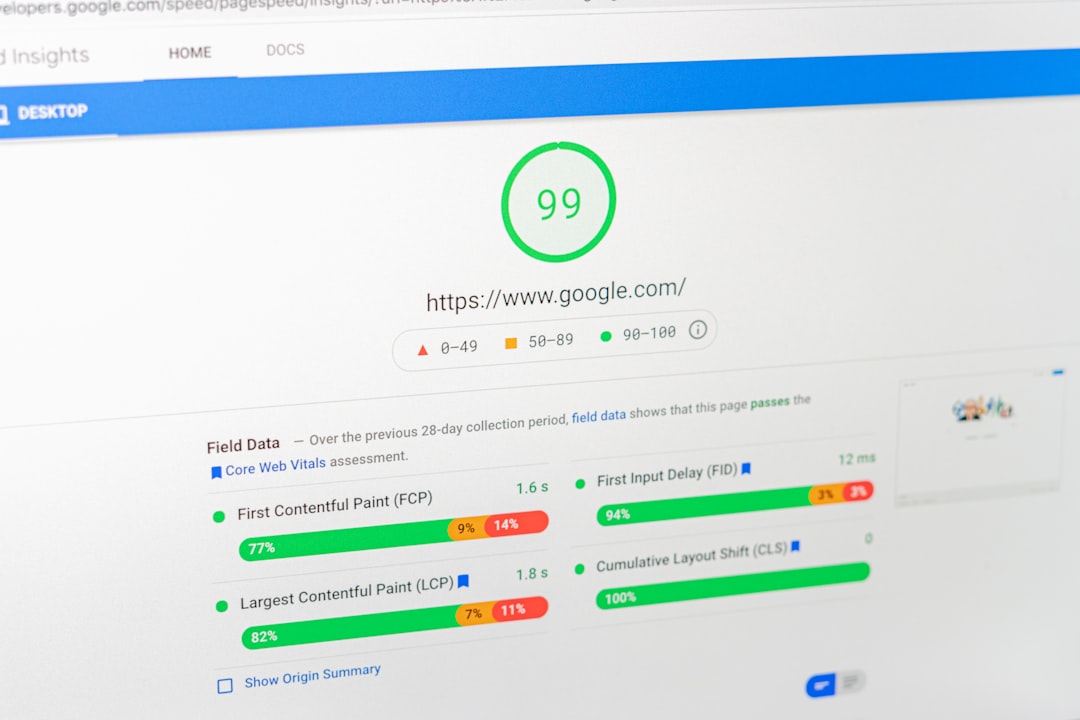
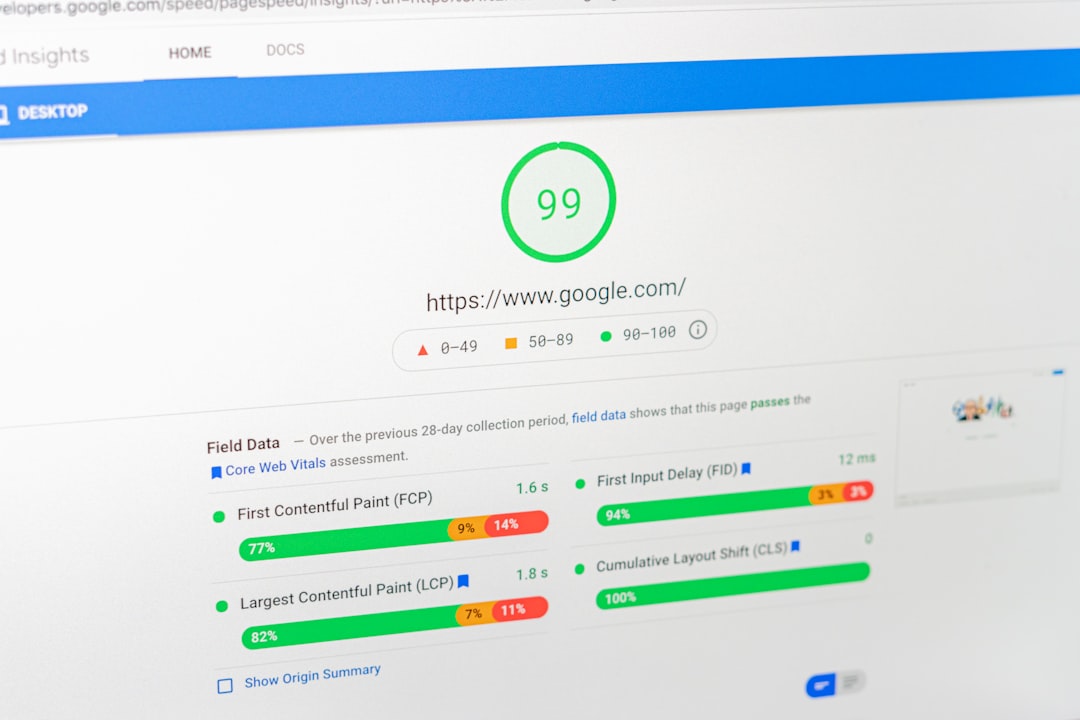
You do not need a perfect score. The goal is a site that loads cleanly, is easy to use, and sends consistent signals about which pages matter most. That usually comes from a simpler setup, clearer page targeting, and better internal structure, not more features.
When to Get Help
If you have already worked through the basics and rankings are still flat, the issue is often prioritization rather than effort. A second set of eyes can save weeks of guesswork.
Contact WordPress SEO Expert today to schedule a consultation. No pitch, no pressure. Just an honest look at what your site actually needs and whether your current setup is part of the solution or part of the problem.