SEO is an ongoing process, so simply optimizing a WordPress website is not enough. Businesses need to know whether their SEO efforts are producing useful changes over time.
Tracking the right metrics helps identify what is working, what needs improvement, and whether organic search is contributing to meaningful business results. A WordPress SEO company can establish a tracking system that connects SEO activity with website performance and business goals.
Start With Clear SEO Goals
Before measuring results, decide what success means for the website.
Different businesses may have different goals, such as:
- Increasing organic traffic
- Generating more leads
- Increasing online sales
- Improving local visibility
- Growing relevant search impressions
- Increasing enquiries
- Improving visibility for important services
For example, an ecommerce store may focus heavily on organic revenue, while a local service company may care more about phone calls and qualified leads.
Monitor Organic Traffic

Organic traffic shows how many visitors reach the website through unpaid search results.
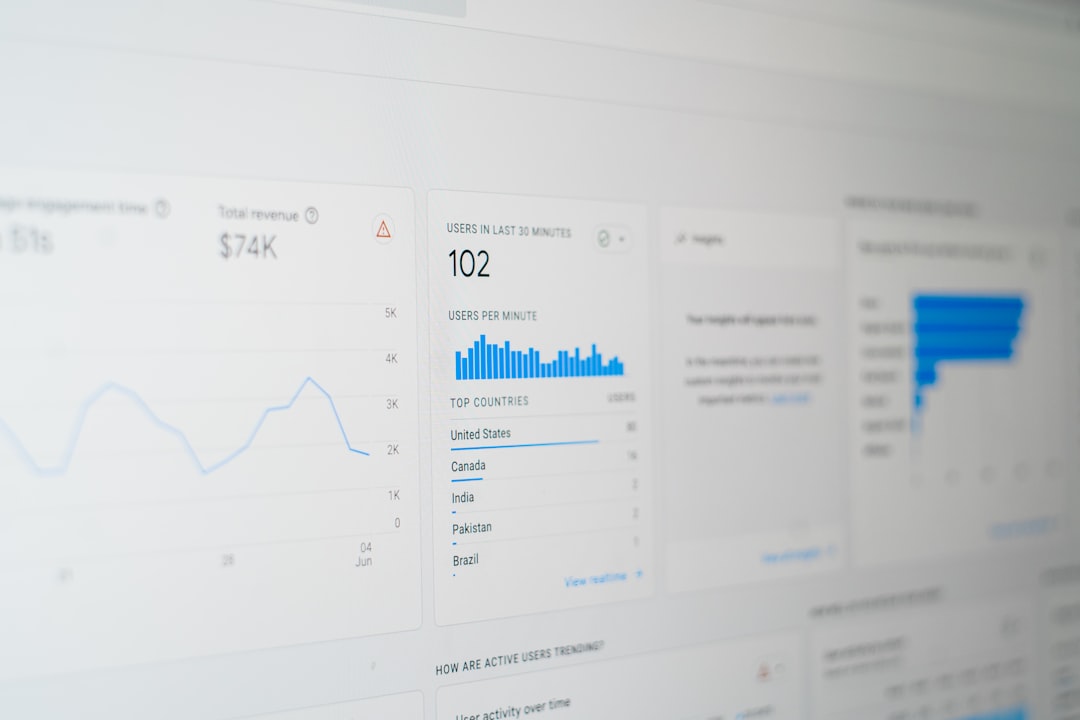
Tools such as Google Analytics can help monitor:
- Organic users
- Sessions
- Landing pages
- Engagement
- Conversions
- Traffic trends
Do not judge SEO based on one week’s traffic. Search performance can change because of seasonality, competition, algorithm changes, and content updates.
Look for meaningful trends over a longer period.
Track Search Impressions and Clicks
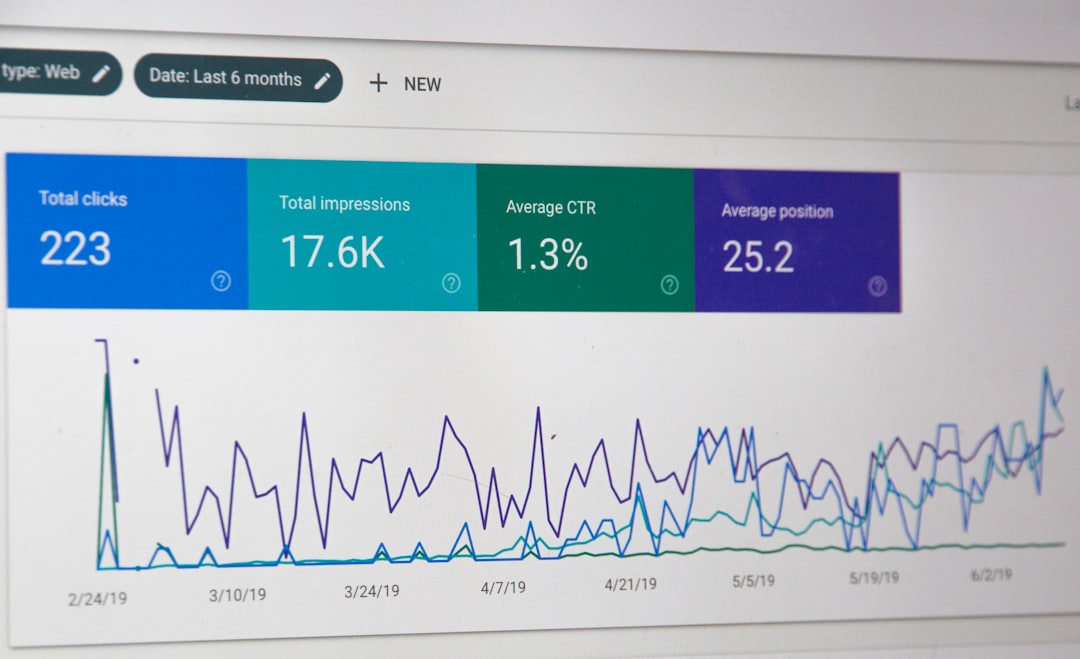
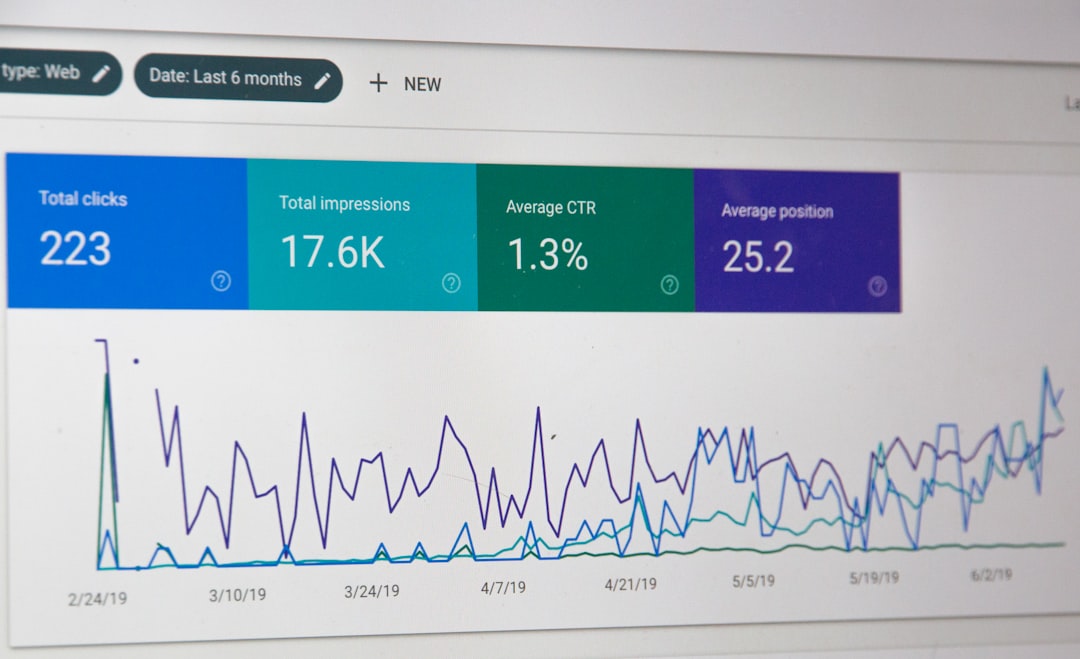
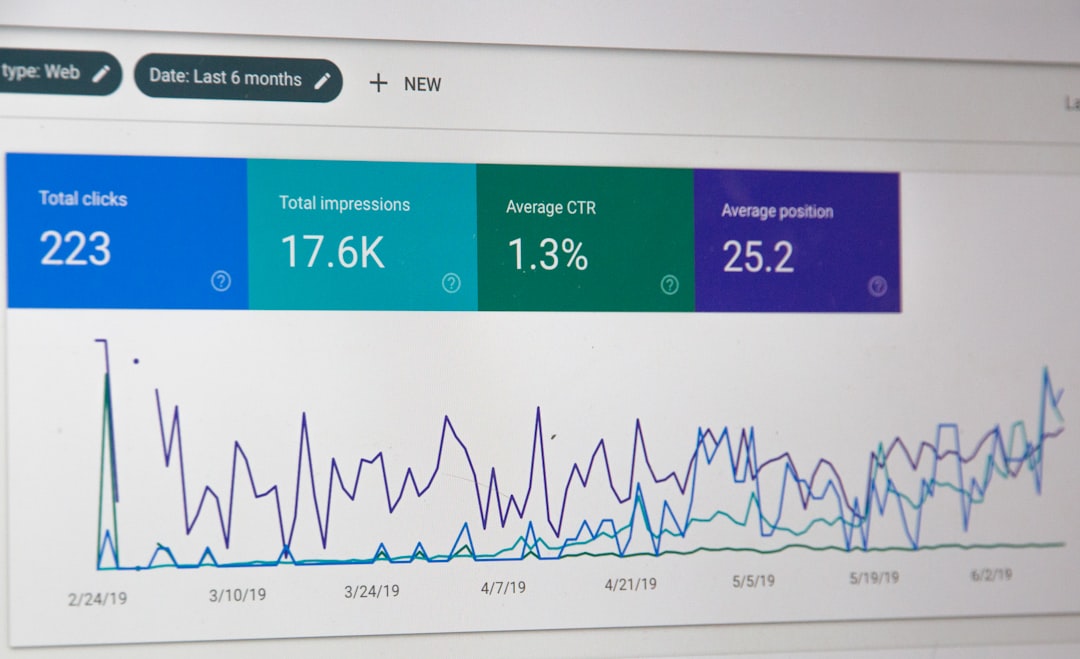
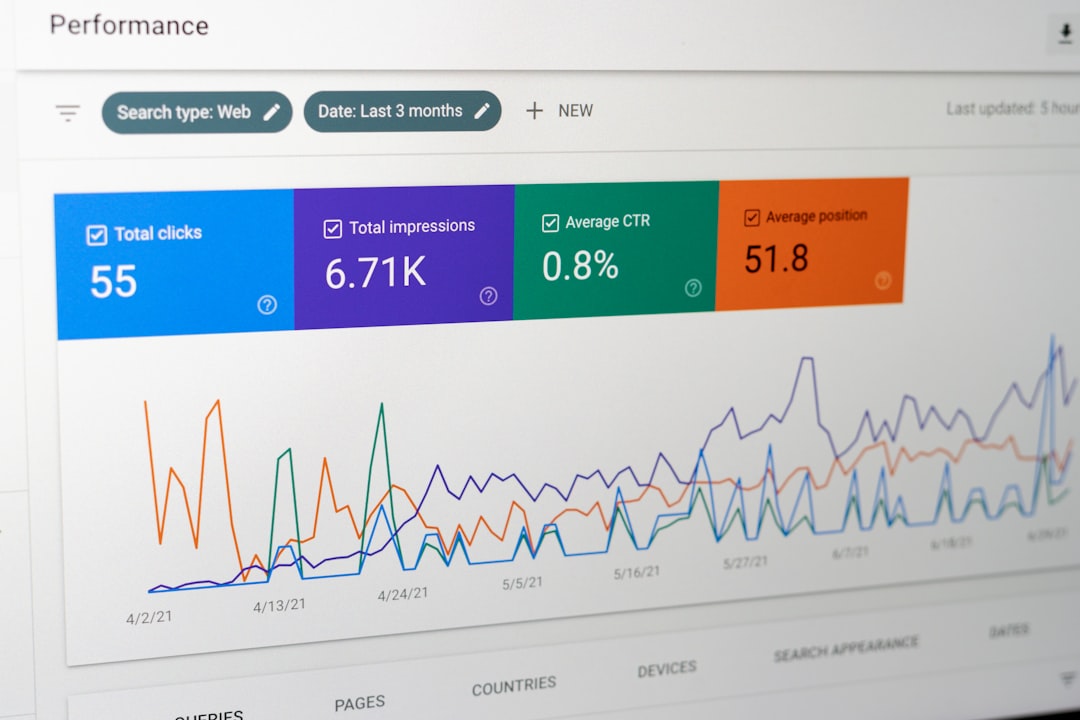
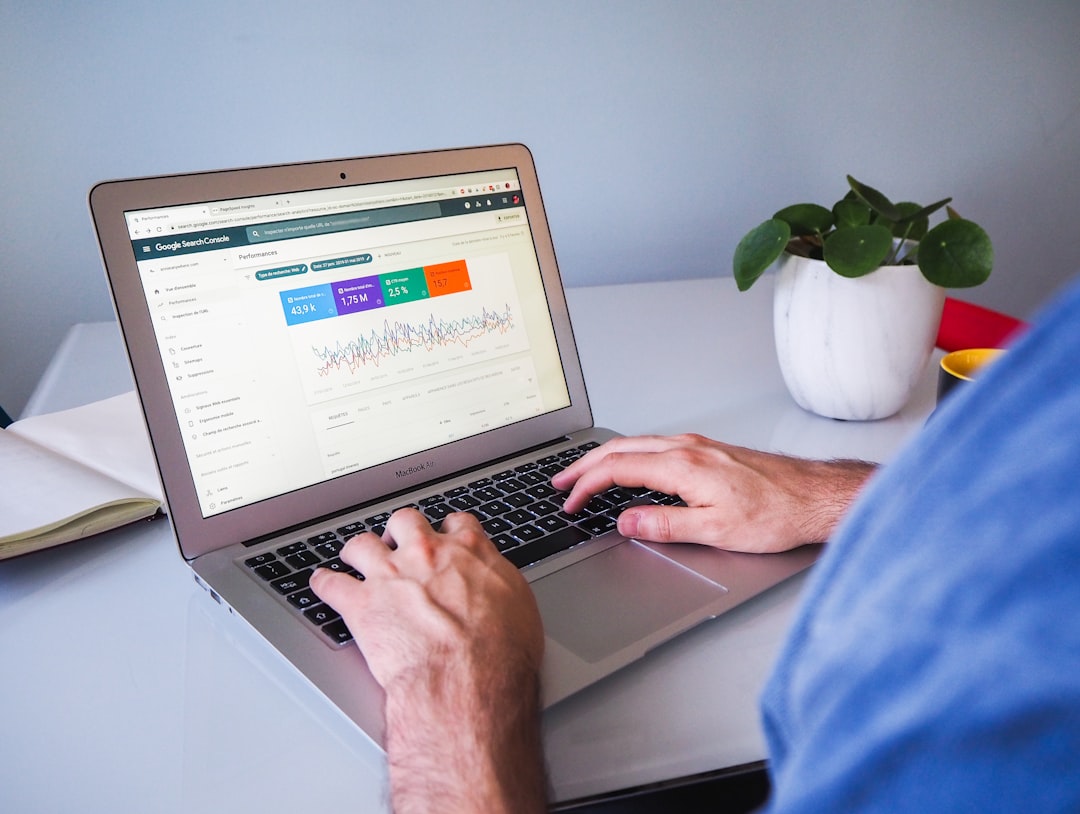
Google Search Console provides useful information about how a website appears in Google Search.
Important metrics include:
| Metric | Meaning |
|---|---|
| Impressions | How often pages appeared in search |
| Clicks | How many users clicked results |
| CTR | Percentage of impressions producing clicks |
| Average position | Approximate average search position |
These metrics can reveal opportunities.
For example, a page receiving many impressions but relatively few clicks may need a more relevant or compelling search-result title.
Monitor Important Keywords
Keyword rankings can help show whether important pages are becoming more visible.
However, rankings should not be the only measurement.
A keyword may move from position 20 to position 10, but that does not necessarily mean the business received more customers.
Track keywords that are actually relevant to:
- Services
- Products
- Locations
- Customer problems
- Commercial searches
Also consider the traffic and conversions associated with those terms.
Measure Leads and Conversions
For service businesses, conversions are often more important than traffic volume.
Track actions such as:
- Contact form submissions
- Phone calls
- Consultation requests
- Quote requests
- Appointment bookings
- Email enquiries
Suppose organic traffic increases by 30%, but qualified enquiries remain unchanged. That may indicate that the website is attracting visitors who are not the right audience.
A smaller increase in relevant traffic that produces more leads may be more meaningful to the business.
Track Ecommerce Revenue
For ecommerce websites, SEO performance can be connected to transactions and revenue.
Monitor:
- Organic purchases
- Revenue
- Product performance
- Organic conversion rate
- Average order value
- Landing-page performance
This provides a clearer picture of whether SEO is supporting business growth.
Review Individual Landing Pages
Website-wide metrics can hide problems affecting individual pages.
Review important landing pages regularly.
For example, a service page may receive:
- High impressions
- Low clicks
- Good engagement
- Few conversions
This suggests that different parts of the customer journey may need attention.
A WordPress SEO company can analyze these pages and recommend improvements to titles, content, internal links, calls to action, or search intent alignment.
Compare Performance Over Time
SEO results should be compared using consistent periods.
Useful comparisons include:
- Month over month
- Quarter over quarter
- Year over year
Year-over-year comparisons can be particularly useful for seasonal businesses because they reduce the impact of normal seasonal fluctuations.
Avoid making major conclusions based on very short periods.
Monitor Technical SEO

Performance tracking should also include technical health.
Regularly review:
- Indexing issues
- Broken links
- Redirect errors
- Sitemap status
- Mobile usability
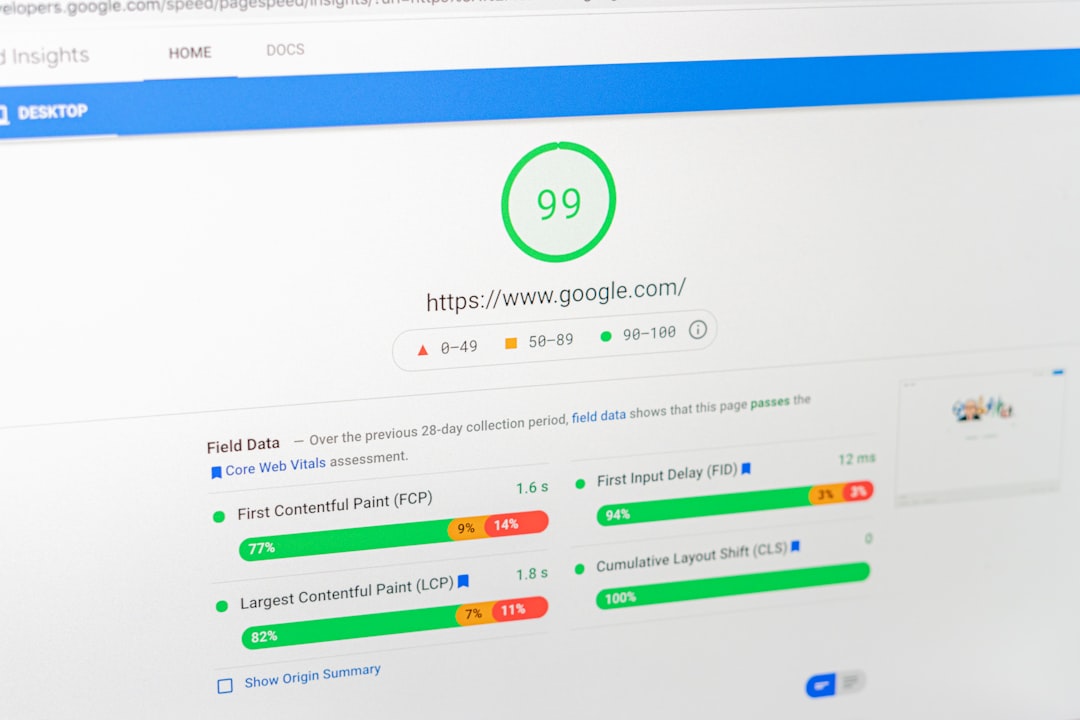
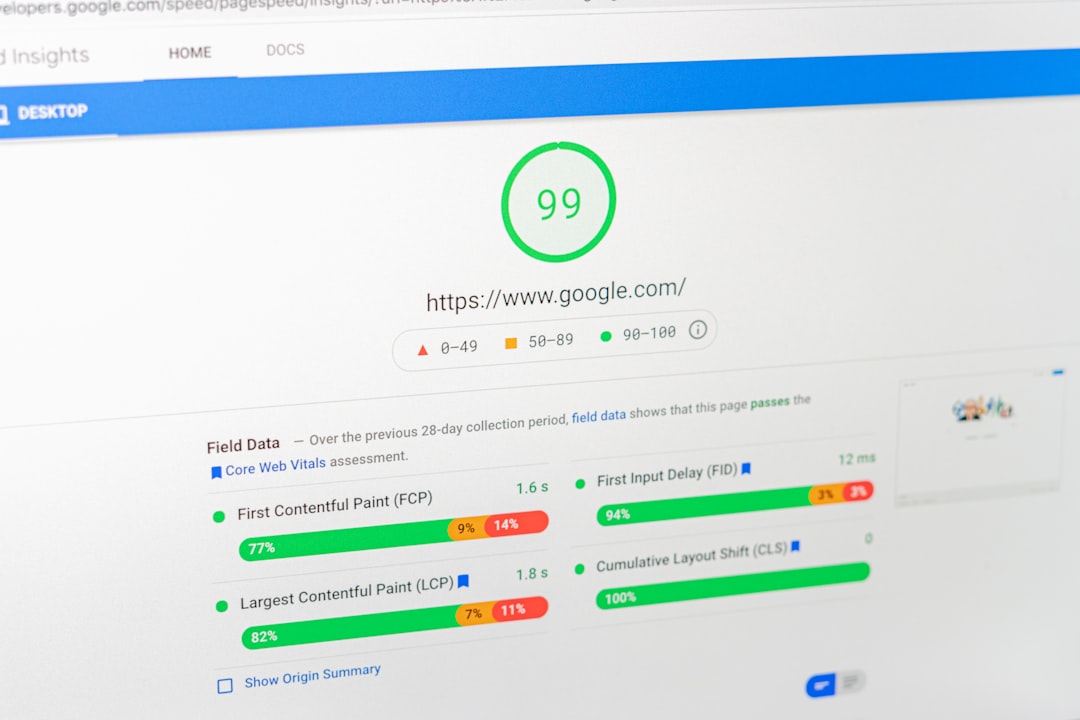
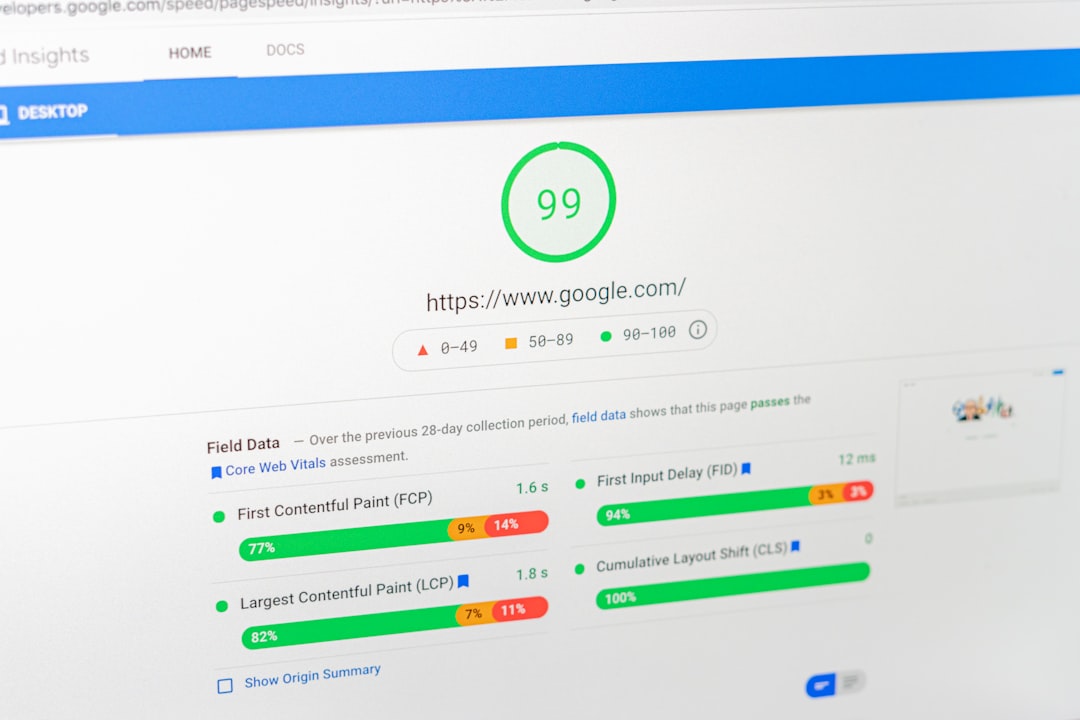
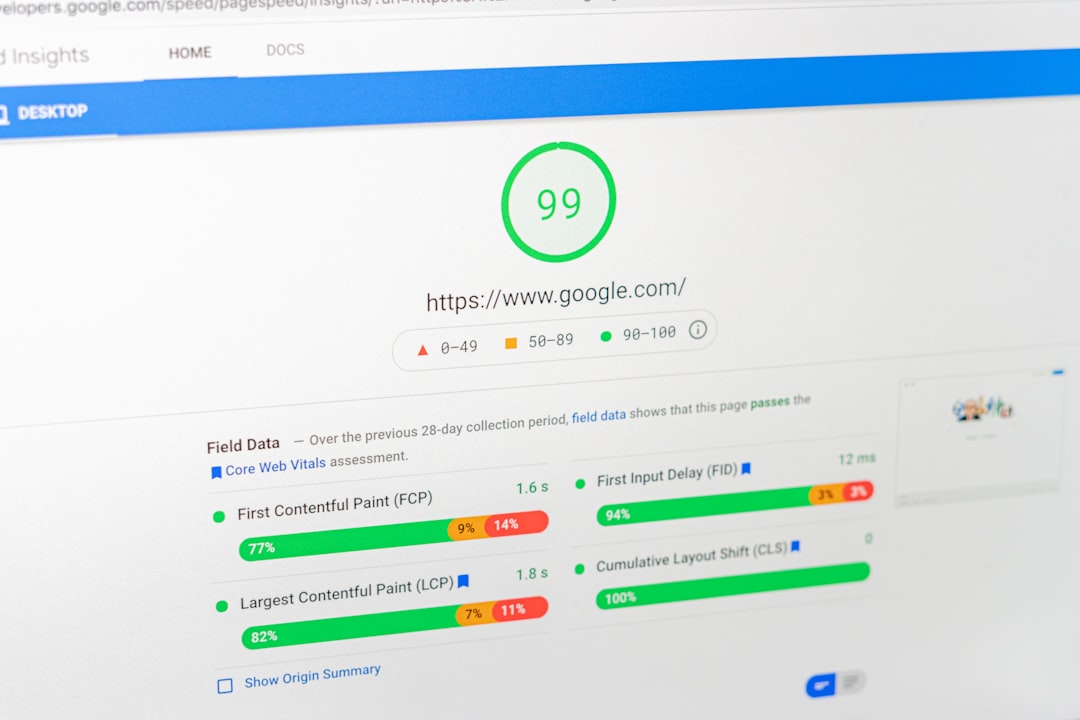
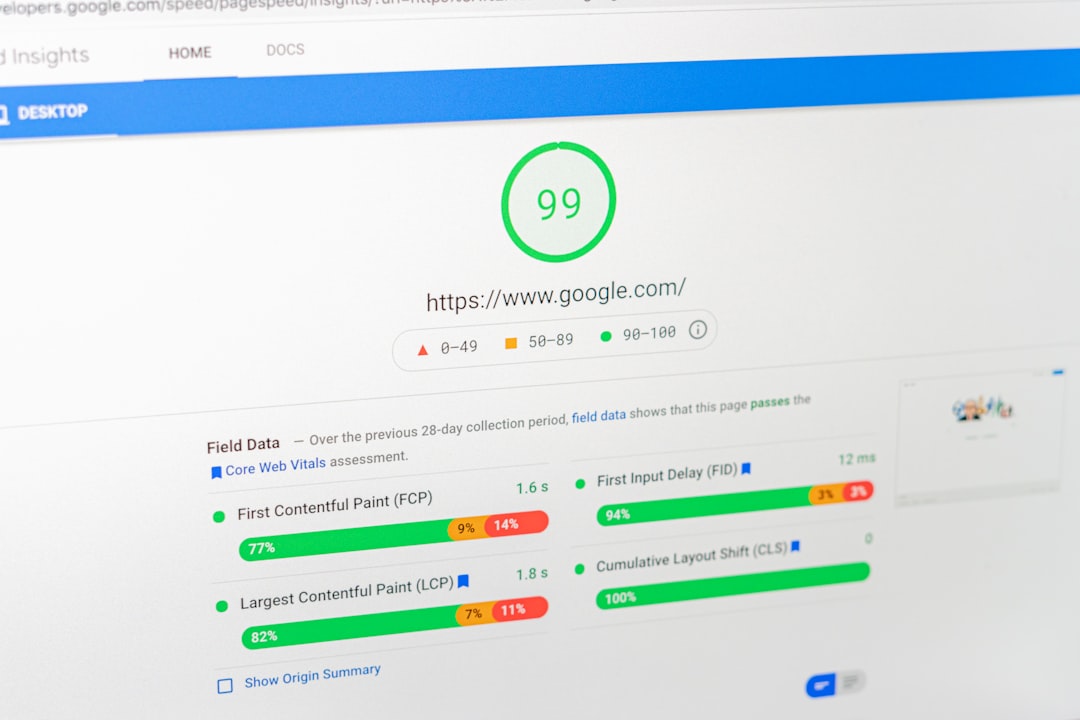
- Page speed
- Core Web Vitals where relevant
A website can lose organic visibility if important technical problems are introduced during redesigns, plugin changes, or content updates.
Create a Simple SEO Reporting System
A useful monthly report does not need to contain dozens of confusing numbers.
A simple report could include:
Organic Performance
- Organic users
- Clicks
- Impressions
- CTR
Search Visibility
- Important keyword movements
- Top landing pages
- New ranking pages
Business Results
- Leads
- Calls
- Sales
- Revenue
Technical Health
- Indexing issues
- Speed improvements
- Errors resolved
This makes progress easier for business owners and teams to understand.
How a WordPress SEO Company Can Help
A professional WordPress SEO company can establish baseline measurements before optimization begins and compare them with later results.
A typical process includes:
- Establishing current performance
- Defining business goals
- Setting up tracking
- Monitoring search visibility
- Reviewing landing pages
- Measuring conversions
- Identifying problems
- Adjusting the SEO strategy
The strategy should evolve based on actual performance rather than assumptions.
Focus on Meaningful Results
Good SEO reporting is not about showing the largest possible traffic number. It is about understanding whether the website is becoming more visible to the right audience and whether that visibility contributes to useful actions.
By tracking search performance, organic traffic, conversions, technical health, and business outcomes together, a WordPress website can be optimized based on evidence rather than guesswork.