WordPress SEO fundamentals matter most when they are handled in the right order. Flat rankings usually come from scattered fixes, not a missing trick. The best way to optimize WordPress SEO is to tighten crawlability, page targeting, internal links, and plugin setup before you spend time polishing minor details.
A green light in an SEO plugin does not mean the page deserves to rank. Most site owners do not have one catastrophic problem. They have a stack of smaller issues that compound over time. If your rankings are flat, the problem is usually prioritization, not effort.
Start With the Fundamentals That Affect Visibility
The first job is to make sure search engines can crawl the right pages and understand what each important page is about. Google recommends clear titles, crawlable links, and descriptive anchor text, which is why technical basics and page structure need attention before cosmetic SEO tasks.
Begin by checking whether your key pages are indexable, linked internally, and included in your sitemap. If your setup feels messy, review how to fix WordPress SEO setup problems before you change plugins or rewrite large sections of content.
Use One SEO Plugin and Configure It Well

One well-configured SEO plugin is enough. Running overlapping plugins often creates duplicate metadata, conflicting canonicals, and competing sitemap outputs. A simpler setup is usually stronger because it sends cleaner signals and is easier to troubleshoot.
Choose one primary SEO plugin, then configure titles, meta descriptions, archive settings, schema defaults, and social previews inside that one system. Do not stack tools just because each one promises a feature. Fix the issues that block visibility before the issues that polish visibility.
Write Better Titles and Meta Descriptions
Your page title is one of the clearest signals you control. Google says title text should be descriptive, concise, and distinct for each page, while avoiding keyword stuffing and repetitive boilerplate. That means generic titles usually underperform even when the page content is solid.
| Weak title | Stronger title |
|---|---|
| SEO Services | SEO Company | SEO Expert | WordPress SEO Services for Small Businesses |
| Blog | WordPress SEO Tips for Service Businesses |
| Home | WordPress SEO Consultant for DIY Site Owners |
Meta descriptions do not guarantee rankings, but they can improve how your page is summarized in search results. Google may use the meta description when it helps explain the page more accurately. Write each one like a short promise of what the page will help the reader solve.
Strengthen Headings and On-Page Structure
A clean heading structure helps both readers and search engines understand the page quickly. Use one clear H1 for the main topic, then organize sections with H2s and H3s that match the real questions or subtopics the page covers.
This is where many WordPress pages drift into clutter. Headings get used for design instead of structure, and important sections become vague. Keep each heading descriptive and directly tied to the page topic. If you need a broader framework, read our practical guide for DIY site owners for a more complete diagnostic view.
Improve Internal Linking Before Publishing More

Internal linking is one of the fastest ways to improve WordPress SEO fundamentals because it helps search engines discover pages, understand site hierarchy, and connect related topics. Google recommends crawlable HTML links with descriptive anchor text, which makes contextual linking more valuable than many site owners realize.
Link related blog posts to service pages, connect supporting articles to broader guides, and make sure important pages are not isolated. Orphan pages often stay weak not because the copy is terrible, but because the rest of the site does not reinforce their importance.
If you are experiencing these symptoms, our team at WordPress SEO Expert can help. A focused review often shows whether the real problem is weak internal linking, indexing confusion, duplication, or page targeting that never got clear in the first place.
Clean Up Archives, URLs, and Duplicate Signals
WordPress can generate more indexable pages than most sites actually need. Thin tag archives, duplicate author archives, attachment pages, and inconsistent URL versions can dilute relevance and waste crawl attention. The goal is not to index everything. The goal is to index the pages that matter most.
Review archive settings inside your SEO plugin. If a page type does not offer unique value in search, it may be better set to noindex. Keep URLs simple and consistent, and make sure internal links point to the preferred version of each page.
Keep Schema and Speed in Their Proper Role
Schema and speed both matter, but they support strong fundamentals rather than replace them. Google’s structured data guidance says markup should reflect visible content on the page. Helpful schema clarifies what is already there. It does not make a weak page deserve to rank.
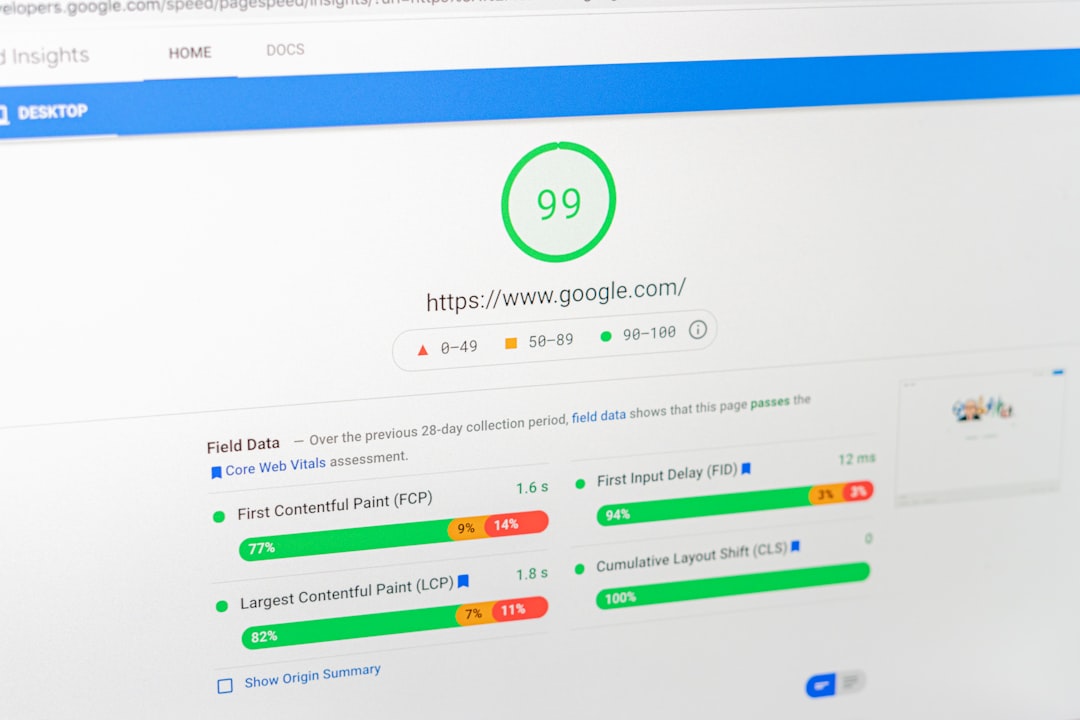
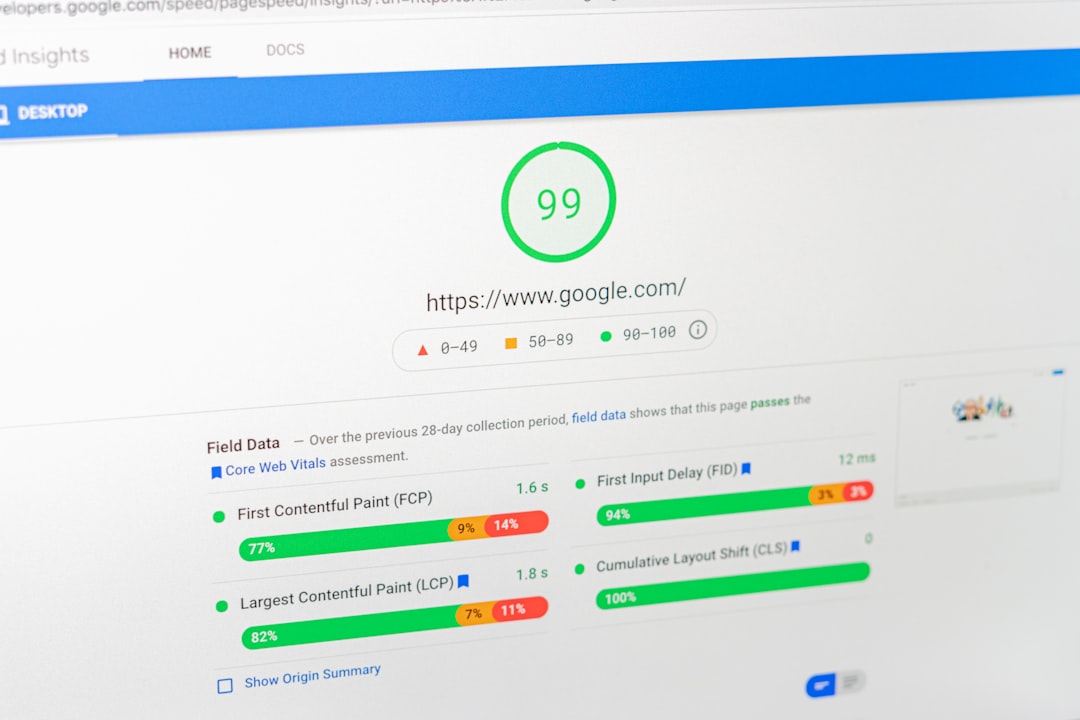
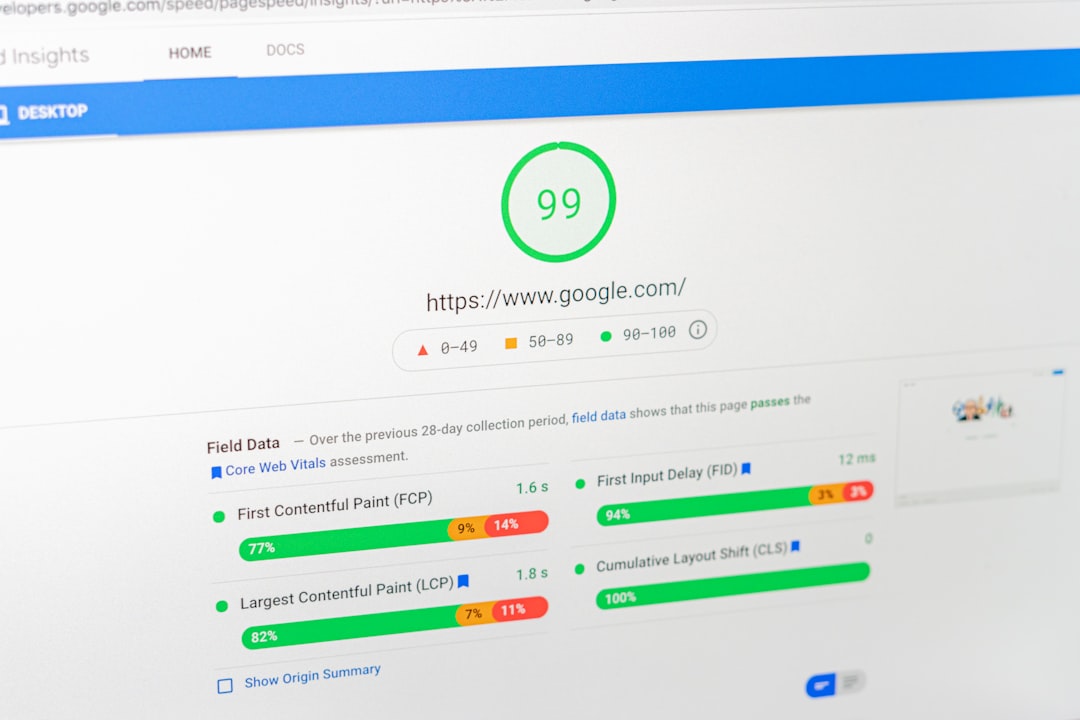
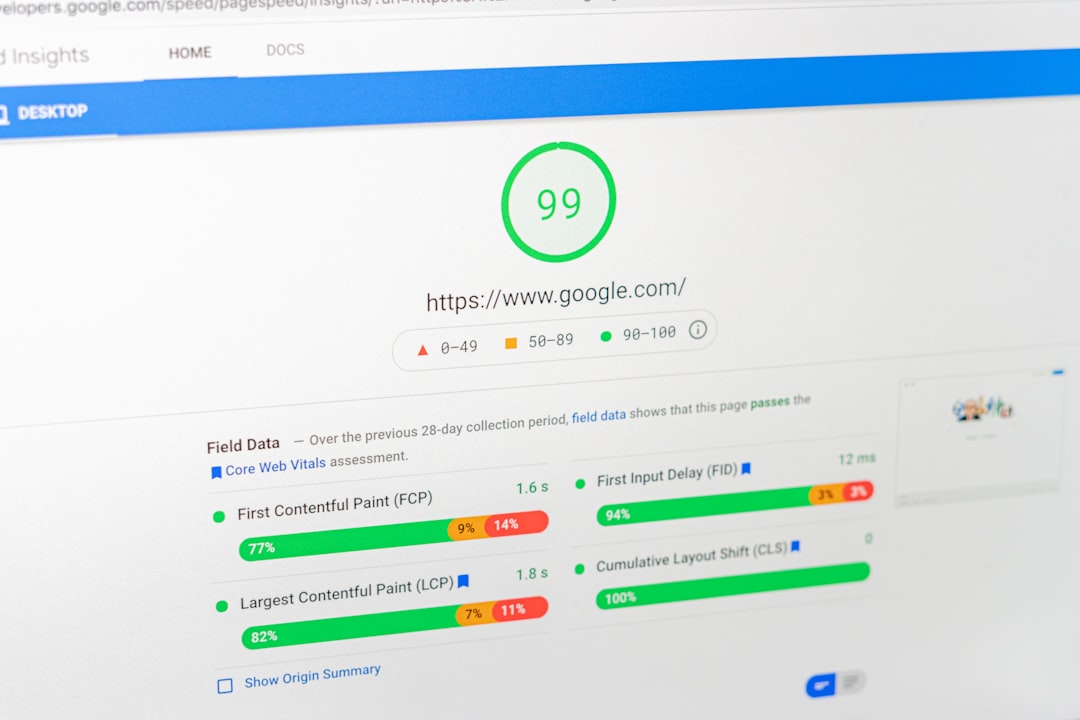
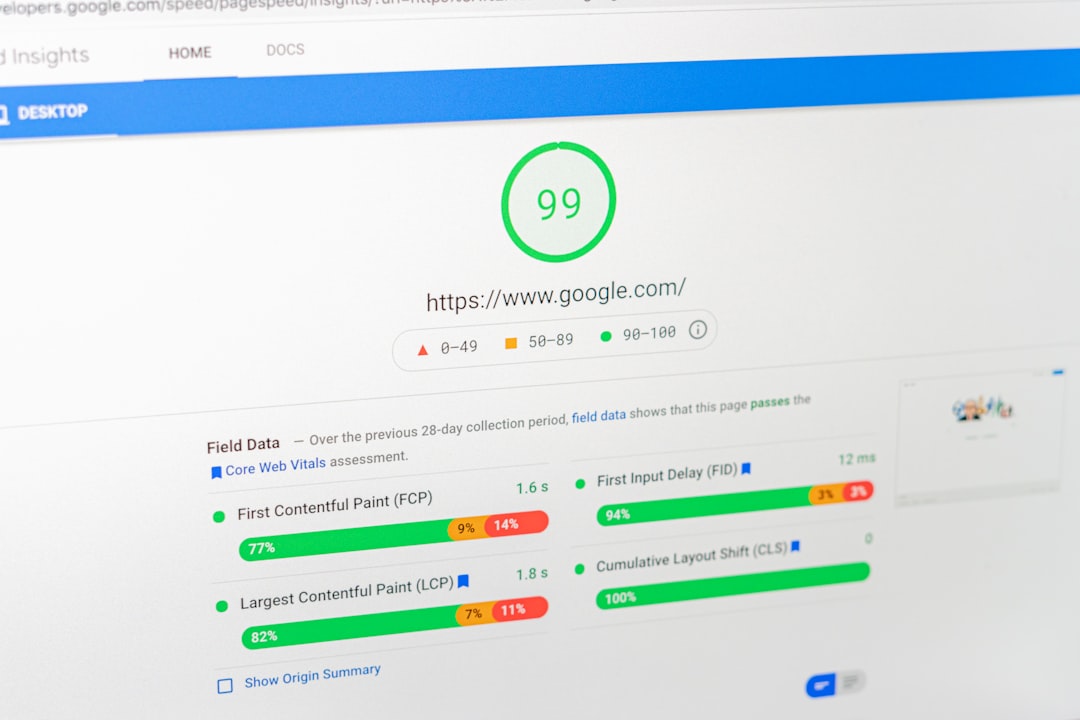
Speed improvements should focus on usability first. Compress large images, use caching, remove unnecessary plugins, and test important templates individually. You do not need a perfect score. The goal is a site that loads cleanly, is easy to use, and sends consistent signals about which pages matter most.
A Simple Order of Operations
The fastest path is to work in sequence instead of chasing random tasks. Fix the issues that block visibility before the issues that polish visibility. That order prevents wasted effort and keeps your changes connected to actual ranking outcomes.
| Priority | What to fix first | Why it matters |
|---|---|---|
| 1 | Indexing and crawl access | Pages cannot rank if search engines cannot reach them. |
| 2 | SEO plugin conflicts | Conflicting output creates mixed signals across the site. |
| 3 | Titles and page targeting | Clearer relevance improves both understanding and clicks. |
| 4 | Internal links | Supports discovery, hierarchy, and topic relationships. |
| 5 | Archives and duplicate URLs | Reduces clutter and signal dilution. |
| 6 | Speed and schema | Supports a stronger site after the basics are stable. |
When to Get Professional Help
If you have already installed the plugin, written the content, and followed the checklists but rankings are still flat, a diagnostic review usually helps more than another tool. The question is rarely whether you have done enough. The real question is whether the right issues got fixed in the right order.
WordPress SEO Expert can help you sort out whether your site is being held back by indexing, duplication, weak targeting, or plugin clutter. Book a free SEO consultation. No pitch, no pressure. Just an honest look at what your site actually needs and whether your current setup is part of the solution or part of the problem.
Contact WordPress SEO Expert today to schedule a consultation if you want a practical plan for improving WordPress SEO fundamentals without overcomplicating your setup.