Low rankings usually come from a scattered plan, not one missing plugin. If you want better Google SEO in WordPress, start by fixing the settings that control crawling, indexing, titles, and internal links before you spend time chasing plugin scores or publishing more pages.
This is where most site owners get stuck. WordPress gives you the tools, but themes, plugins, archives, and inconsistent page setup can quietly create a stack of smaller problems that hold rankings down. One clean setup usually beats a complicated one.
What to optimize first in WordPress

Start with the issues that block visibility before the issues that polish visibility. If Google cannot crawl the right pages, index the right version, or understand your page titles, everything else underperforms.
Begin with crawlability, indexability, title tags, canonical setup, and internal linking. Google explains that descriptive, concise titles help users understand a result, that descriptive anchor text helps clarify linked pages, and that a sitemap helps search engines understand which pages you consider important. It also warns that robots.txt alone does not prevent indexing and that noindex directives are the proper page-level control when you do not want a URL in search results.
If you need a broader baseline first, review our WordPress SEO best practices before making changes across the site.
Use one SEO plugin, not several

One well-configured SEO plugin is enough. Running overlapping plugins often creates duplicate metadata, conflicting canonicals, and competing sitemap outputs that make troubleshooting harder.
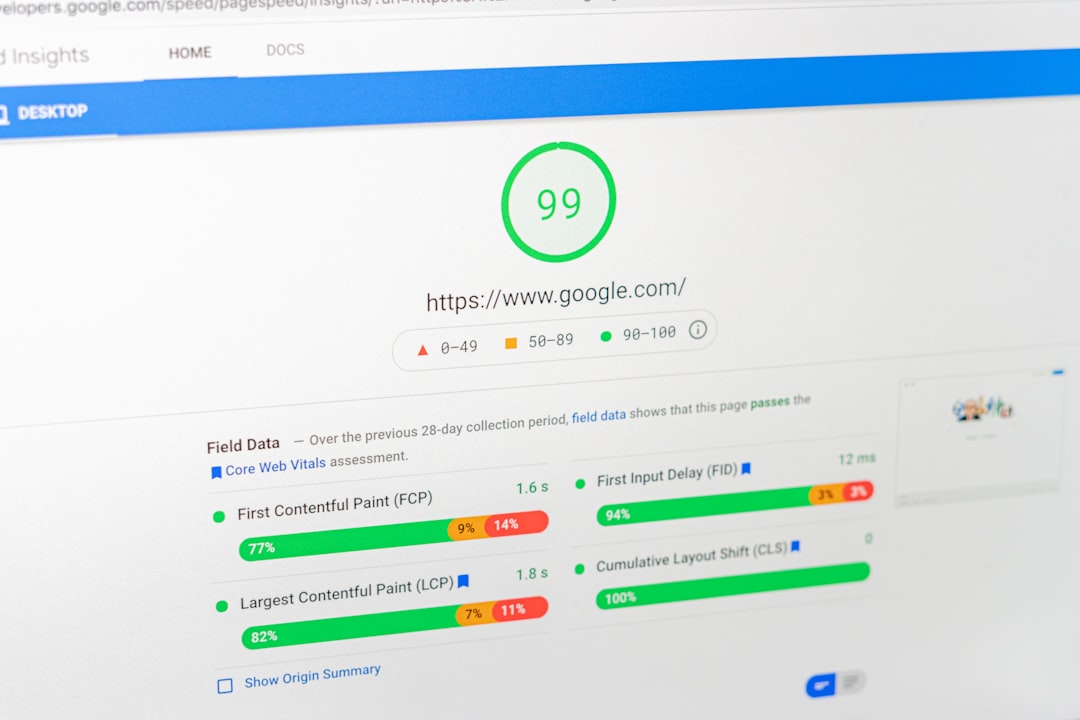
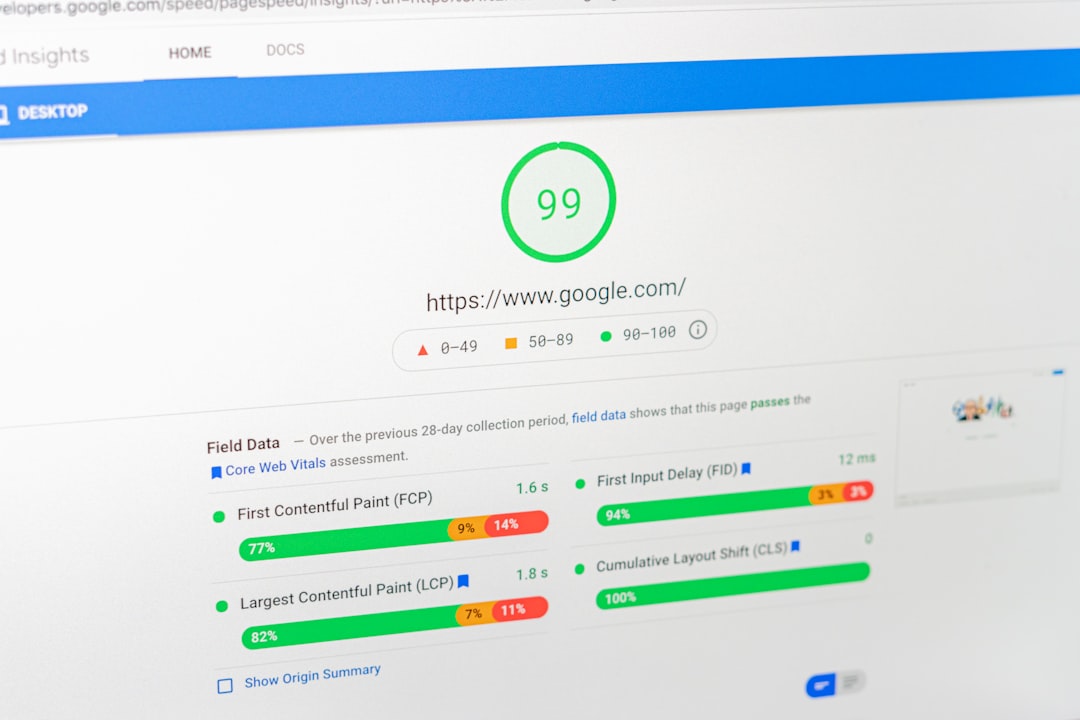
Pick one primary SEO plugin and configure the essentials first: title templates, meta descriptions, XML sitemaps, social defaults, and archive indexing rules. A green light in an SEO plugin does not mean the page deserves to rank. The goal is a site that loads cleanly, answers intent clearly, and sends consistent signals to Google.
If you are still deciding between plugin setups, our Yoast SEO vs Rank Math comparison can help you choose the cleaner fit for your site type.
Write titles Google can understand
Your title tag is one of the strongest on-page signals you control. Google recommends writing descriptive, concise titles, avoiding repeated boilerplate, and avoiding keyword stuffing.
That means your title should describe the actual page, not just list keyword variations. Make each important page distinct. Google may generate alternative title links in search when a title is overly long, vague, or repetitive, so clarity matters more than squeezing in every keyword version.
| Weak title | Stronger title |
|---|---|
| SEO Services | SEO Company | SEO Expert | WordPress SEO Services for Small Businesses |
| Blog | How to Optimize WordPress Google SEO |
| Best SEO Plugin, SEO Plugin WordPress, WordPress SEO Tool | Best WordPress SEO Plugin for Small Business Sites |
Check indexing and archive settings
Indexing mistakes are common in WordPress, and they can suppress rankings even when the page content is solid. Check whether important pages are indexable, whether low-value archives are creating noise, and whether duplicate URLs are competing with the main version.
Review category pages, tag archives, author archives, attachment pages, and search result pages. Not every archive deserves to be indexed. For many small business sites, broad service pages, product categories, and the strongest blog posts matter more than thin taxonomy pages. Use canonicals and redirects carefully so Google sees one clear preferred version of each page.
Submit a sitemap and keep it clean
A sitemap helps Google discover and understand important URLs, but it works best when it includes pages that should actually be indexed. A bloated sitemap full of thin, redirected, or noindex pages sends messy signals.
Your SEO plugin will usually generate an XML sitemap automatically. Make sure it includes your important pages and excludes URLs you do not want ranking. Then submit it in Google Search Console. Google says sitemaps tell search engines which pages and files you think are important, and Search Console is the recommended place to submit them.
Improve internal links with intent

Internal links help Google discover pages and understand which pages matter most. They also help users move from broad information to the next logical action.
Link related posts to service pages, connect overlapping articles, and make sure high-value pages are not isolated. Use descriptive anchor text instead of vague phrases. Google specifically recommends anchor text that is descriptive and reasonably concise. If a page only exists in your sitemap and nowhere else in your site structure, fix that before publishing another article.
If you are working through a wider cleanup, our guide to WordPress SEO best practices can help you prioritize structure, indexing, and technical basics in the right order.
Format content for people, not plugin scores
Helpful content usually performs better than content written to satisfy plugin checklists. Google says its ranking systems prioritize helpful, reliable, people-first content rather than content created mainly to manipulate rankings.
Use one clear H1, useful subheadings, short paragraphs, and direct answers near the top of each section. Consolidate overlapping pages instead of publishing thin near-duplicates for every slight keyword variation. You do not need a perfect plugin score. You need a page that matches intent, answers the question clearly, and is easy to use.
If your pages feel bloated, repetitive, or over-optimized, WordPress SEO Expert can help you identify what to simplify and what to keep.
A simple WordPress Google SEO checklist
Most sites do not have one catastrophic SEO issue. They have several smaller issues that compound over time. This order keeps you focused on the fixes that matter most.
| Priority | What to check | Why it matters |
|---|---|---|
| 1 | Indexing rules and crawl access | Pages cannot rank if Google cannot reach or index them properly |
| 2 | Canonical and redirect setup | Prevents duplicate URL confusion and diluted signals |
| 3 | Title tags and page intent | Improves relevance and click potential |
| 4 | Internal linking | Strengthens discovery, hierarchy, and topic relationships |
| 5 | Sitemap quality | Keeps important indexable URLs visible in Search Console |
| 6 | Content structure | Helps users and search engines understand the page faster |
| 7 | Plugin overlap | Reduces conflicting metadata and technical clutter |
What to stop doing
Stop treating plugin indicators as proof of optimization. Stop stacking SEO plugins. Stop publishing thin pages for tiny keyword variations. Stop letting tag archives, attachment pages, and parameter URLs expand without a plan.
A cleaner setup usually outperforms a busier one. Fix the pages that already matter to leads, sales, or impressions first. Then expand only after the foundation is stable.
The best next step
The best next move is usually a focused review of your highest-value pages, not a full site rewrite. Start with the pages already earning impressions, the pages closest to page one, and the pages tied directly to revenue.
If you are not sure whether your current setup is helping or quietly hurting your rankings, WordPress SEO Expert can help. Book a free SEO consultation. No pitch, no pressure. Just an honest look at what your site actually needs and whether your current setup is part of the solution or part of the problem.
Contact WordPress SEO Expert today to schedule a consultation and get a clearer plan for what to fix first on your WordPress site.