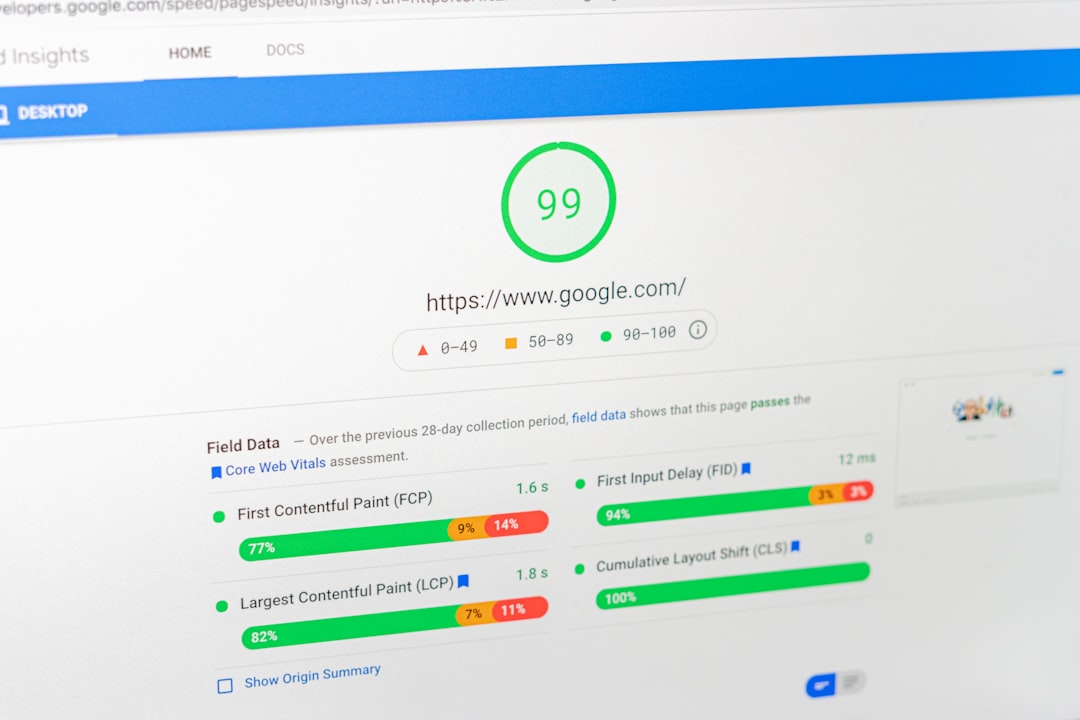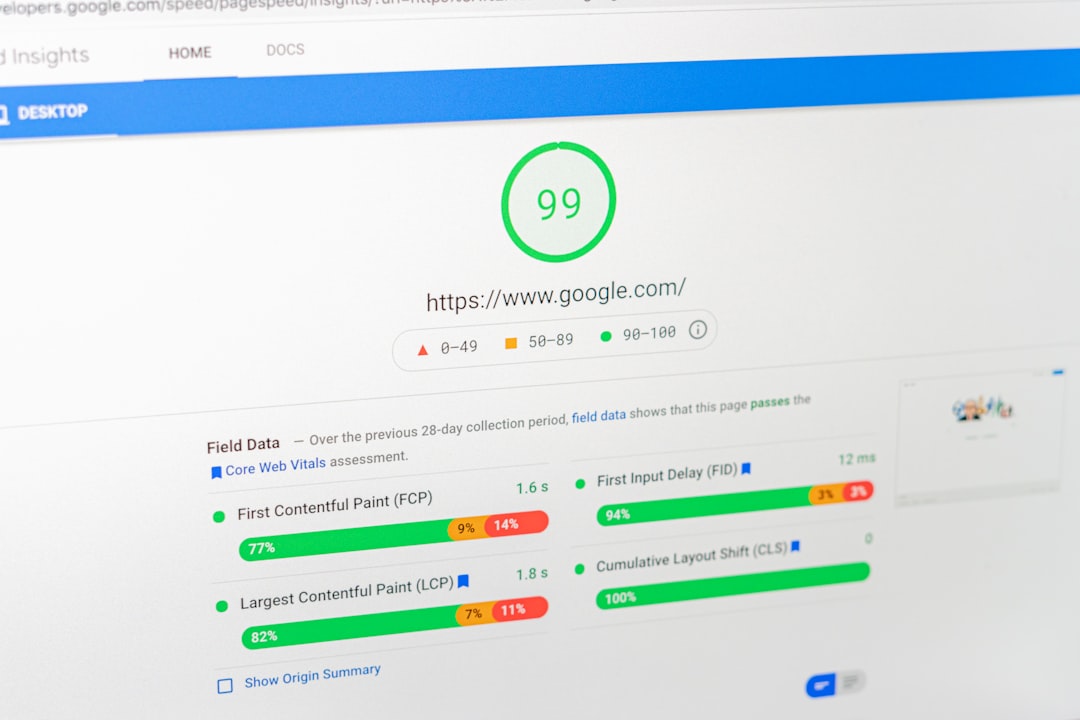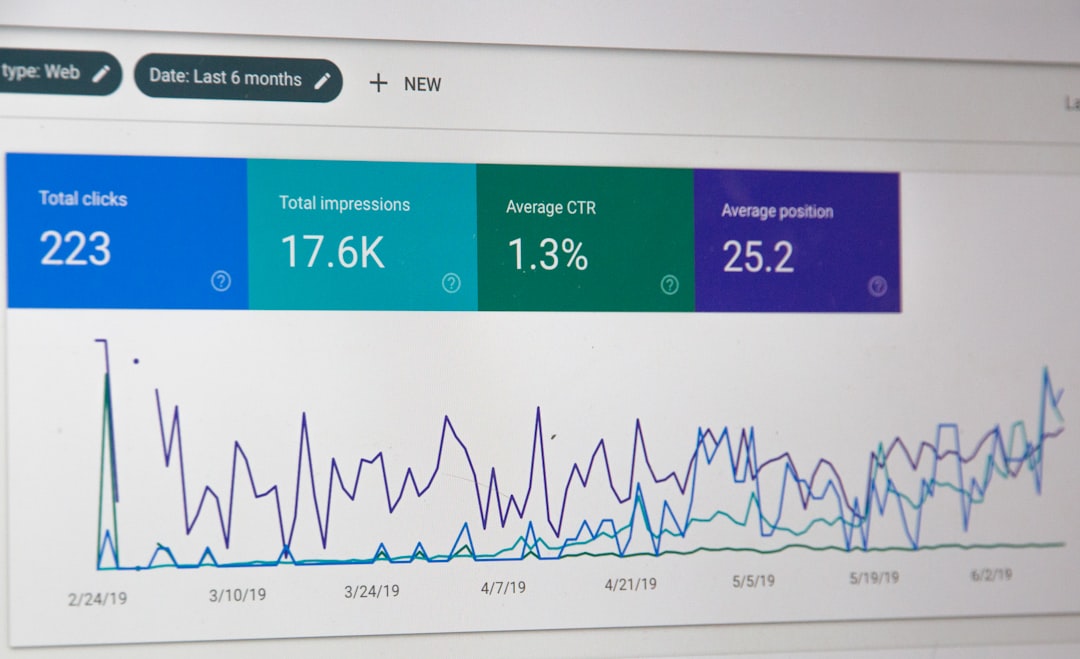

Advanced WordPress SEO fundamentals are less about secret tactics and more about getting the right signals in the right order. Most flat rankings come from a stack of smaller issues such as weak page targeting, thin archives, internal link gaps, and plugin clutter. Fix the issues that block visibility before the issues that polish visibility.
A green light in an SEO plugin does not mean the page deserves to rank. One well-configured SEO plugin is enough, and most improvements come from cleaner structure, better page intent, and fewer technical conflicts. If you need a broader baseline first, review our practical guide for DIY site owners and our advanced WordPress SEO setup strategies for related context.
What advanced SEO fundamentals really mean
Advanced fundamentals mean tightening the parts of WordPress that influence crawling, indexing, relevance, and site structure. The goal is not to add complexity. The goal is to remove ambiguity so search engines can understand which pages matter, what each page targets, and how your content fits together.
On most WordPress sites, the real work starts with basics that were never fully finished. Important pages may compete with archives, metadata may be repetitive, and internal links may not support the URLs that need authority most. Advanced work begins when you stop treating SEO as a plugin checklist and start treating it as site architecture.
Start with indexing and crawl control
If Google cannot consistently reach the right pages, everything else underperforms. Before adjusting copy, schema, or advanced settings, confirm that your most important URLs are indexable, included in your sitemap, and not competing with thin or duplicate templates.
That usually means reviewing service pages, core landing pages, major category pages, and important blog posts first. Then check whether tag archives, author archives, date archives, search pages, and media attachment pages are adding noise. Most site owners do not have one catastrophic problem. They have a stack of smaller issues that compound over time.
What to check first
Look for noindex settings that affect important pages, duplicate URL versions, orphaned pages, and weak sitemap output. If your strongest pages are not clearly supported in your internal structure, search engines have less context for why they matter. Fixing this layer often creates more progress than rewriting title tags on pages that are structurally weak.
Use one SEO plugin and configure it deeply

One well-configured SEO plugin is enough. Running overlapping plugins often creates duplicate metadata, conflicting canonicals, and competing sitemap outputs. The advanced move is not adding more SEO tools. It is simplifying the stack so one system controls the essentials cleanly.
Choose one primary plugin, then configure title templates, archive indexing, schema defaults, social settings, and sitemap behavior carefully. After that, test real pages instead of assuming the dashboard settings are working as expected. A clean setup usually beats a feature-heavy setup every time.
Strengthen page targeting before polishing copy
Every important page should target one clear need. Advanced on-page SEO starts by making sure a page matches a distinct search intent, not by stuffing in more variations of the same keyword. When two pages chase the same topic, they usually weaken each other instead of giving you more chances to rank.
This is where titles, headings, and supporting sections need to align. A strong page has a clear topic, a useful structure, and content that answers the question better than a generic competitor page. The page does not need perfect optimization scores. It needs a clear purpose and signals that reinforce that purpose consistently.
| Weak title | Stronger title |
|---|---|
| SEO Services | SEO Company | SEO Expert | WordPress SEO Services for Small Businesses |
| Blog | WordPress SEO Tips for Service Businesses |
| Product Category | Shop | Commercial Lighting Parts and Replacements |
Google recommends descriptive, concise titles and warns against repetitive boilerplate and keyword stuffing. You can review that guidance in Google Search Central’s documentation on SEO fundamentals and title links guidance on how title links in Google Search are created.
Build internal links around importance, not convenience

Internal links help search engines discover pages, understand relationships, and identify which URLs carry the most value. Advanced internal linking is not about adding links everywhere. It is about making sure your most important pages are supported by relevant pages throughout the site.
Link broad informational posts to service pages, connect closely related articles, and make sure important URLs are not only reachable from the main menu. If you are trying to improve an underperforming page, internal link support is often one of the first things worth checking because it is easy to overlook and highly compounding.
If you are not sure whether your structure is helping or hurting, WordPress SEO Expert can help. A focused review often shows that weak architecture and mixed signals are holding the site back more than a missing feature is.
Control archive and taxonomy noise
Advanced WordPress SEO usually improves when you stop optimizing page by page and start managing templates intelligently. Not every archive deserves to rank. Thin tag pages, duplicate author archives, and weak date archives often dilute relevance instead of adding value.
The goal is not to noindex everything by default. The goal is to decide which templates support search visibility and which ones only support navigation. This is especially important on sites that have grown over time without a clear taxonomy plan.
Treat schema and plugins as support layers
Schema, social metadata, and advanced plugin settings can support a strong site, but they cannot rescue weak structure or unclear targeting. Add the markup that fits the page, keep it accurate, and avoid overlapping outputs from multiple plugins or theme functions.
Google’s structured data guidance is clear that markup should reflect the visible page content. You can confirm that in Google Search Central’s structured data policies. Cleaner markup is usually more helpful than more markup.
Use a practical order of operations
Advanced SEO gets easier when you follow a clear sequence. Do not jump from schema to page speed to blog production without knowing which layer is actually blocking progress. A prioritized workflow saves time and reduces the chance that you polish pages that still have structural problems.
| Priority | Focus | Why it comes first |
|---|---|---|
| 1 | Indexing and crawl access | Pages cannot rank if search engines cannot reach them correctly. |
| 2 | Canonicals and redirects | Prevents duplicate URL confusion and diluted signals. |
| 3 | Page intent and titles | Improves topical clarity and relevance. |
| 4 | Internal linking | Strengthens hierarchy and supports important pages. |
| 5 | Archive controls | Reduces low-value indexation and site noise. |
| 6 | Schema and polish | Supports understanding after the core setup is stable. |
When to get help
If your rankings are flat and you are not sure whether the real problem is indexing, duplication, weak targeting, or plugin clutter, the issue is usually diagnostic, not motivational. You do not need more random tactics. You need a clearer sequence and a cleaner setup.
WordPress SEO Expert can help you sort technical problems from content problems before you change anything major. Book a free SEO consultation. No pitch, no pressure. Just an honest look at what your site actually needs and whether your current setup is part of the solution or part of the problem.
Contact WordPress SEO Expert today to schedule a consultation if you want a shorter fix list, stronger priorities, and a clearer path to better rankings.