WordPress SEO combines general search engine optimization with the specific technical features of the WordPress platform. Mastering it requires more than knowing how to add keywords to a page.
A strong understanding of technical SEO, content, search intent, website structure, performance, and data can help create a more effective optimization process.
Understand the WordPress Foundation

Start by learning how WordPress websites are structured.
Important areas include:
- Pages and posts
- Categories and tags
- Permalinks
- Themes
- Plugins
- Media files
- Menus
- Widgets
- Templates
Understanding these elements makes it easier to identify where SEO problems can originate.
For example, a poorly structured category system can create unnecessary URLs, while an incorrectly configured plugin can affect indexing.
Learn Keyword Research
Keyword research is one of the foundations of SEO.
Instead of selecting keywords only because they have high search volume, consider:
- Search intent
- Relevance
- Competition
- Business value
- Audience needs
A service business may need commercial keywords for its main pages, while informational keywords can be useful for supporting blog content.
Master On-Page SEO
On-page optimization involves improving individual pages so their topic and purpose are clear.
Important elements include:
Page Titles
Titles should accurately describe the page and naturally include the main topic where appropriate.
Headings
H1, H2, and H3 headings can organize content into clear sections.
Content
Content should answer the searcher’s needs instead of simply repeating keywords.
Images
Images should be appropriately sized, optimized, and described with useful alt text when relevant.
Develop Technical SEO Skills
Technical SEO becomes increasingly important as websites become larger.
Learn how to review:
- Indexing
- Crawlability
- XML sitemaps
- Robots.txt
- Canonicals
- Redirects
- Duplicate URLs
- Broken links
- Mobile usability
- Website performance
These areas help determine whether search engines can efficiently access and understand a website.
Learn Internal Linking
Internal linking connects related pages.
For example:
Main Service Page
↓
Supporting Guide
↓
Related Blog Post
A thoughtful internal linking structure can help users discover relevant content and provide additional context to search engines.
Understand Content Strategy
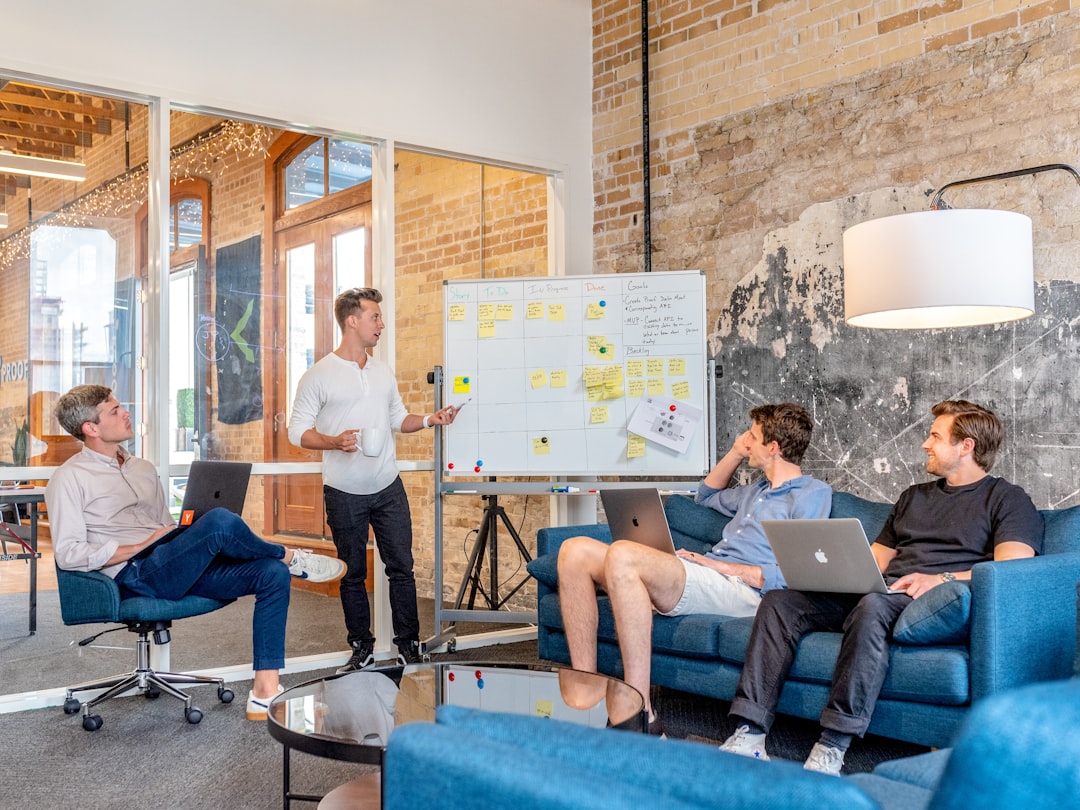
Mastering WordPress SEO also means understanding how content fits into the wider website.
Instead of publishing random articles, organize content around important topics.
For example, a website focused on WordPress services could build content around:
- WordPress SEO
- WordPress speed
- WordPress security
- WordPress maintenance
- WordPress development
This creates a more organized content ecosystem.
Learn Performance Optimization
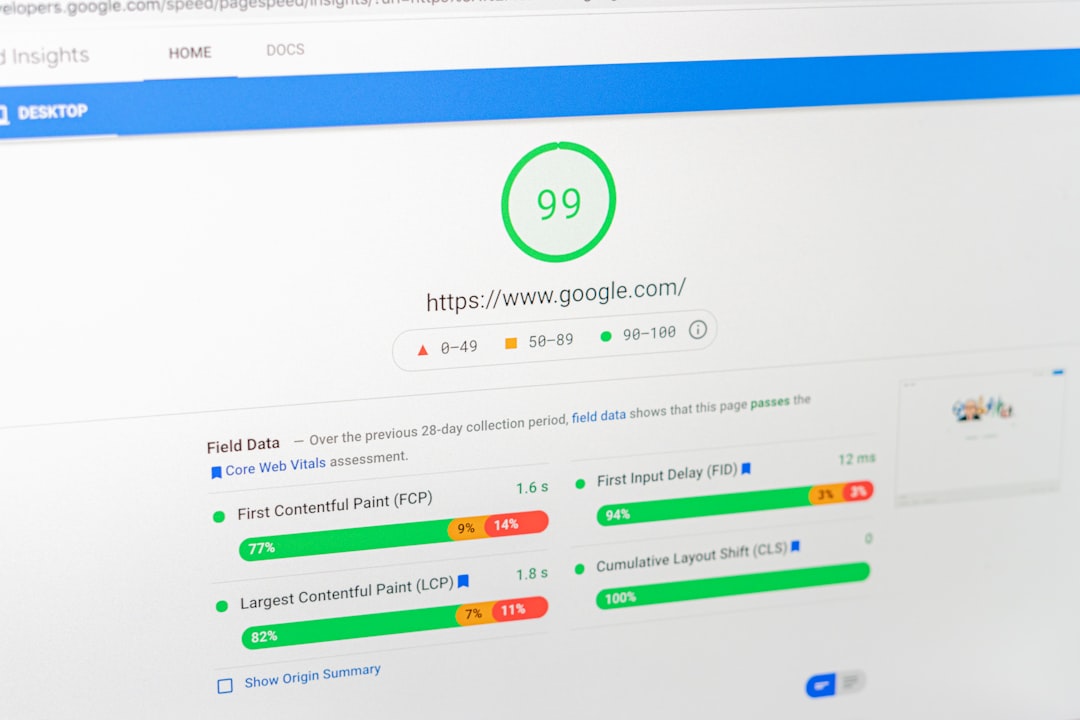
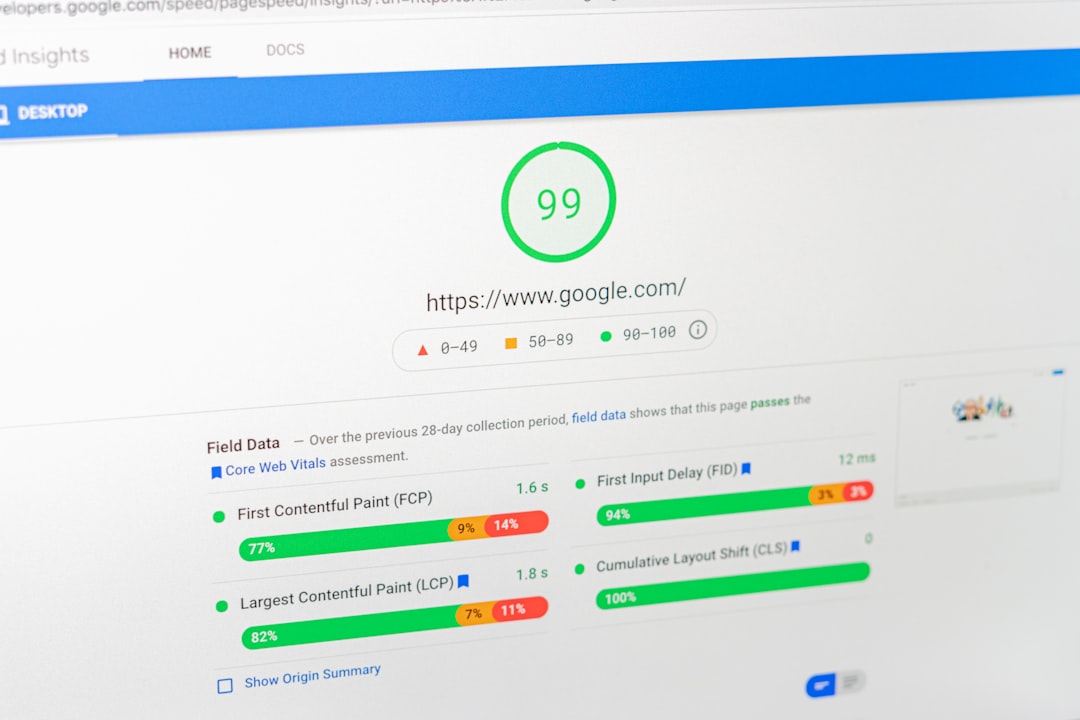
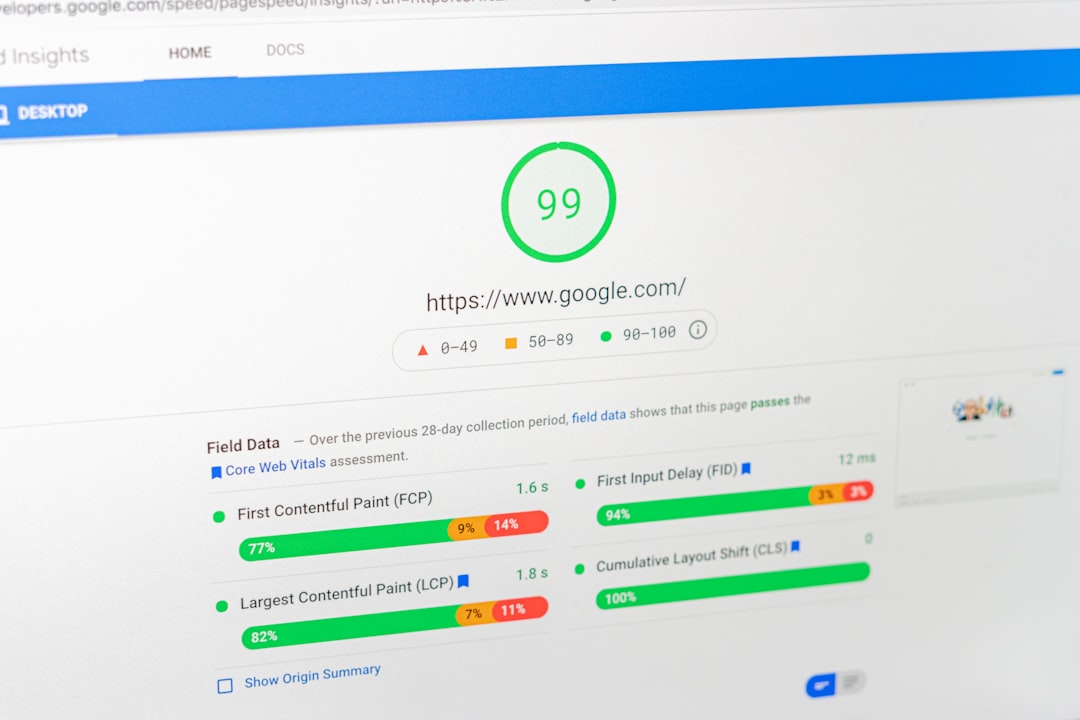
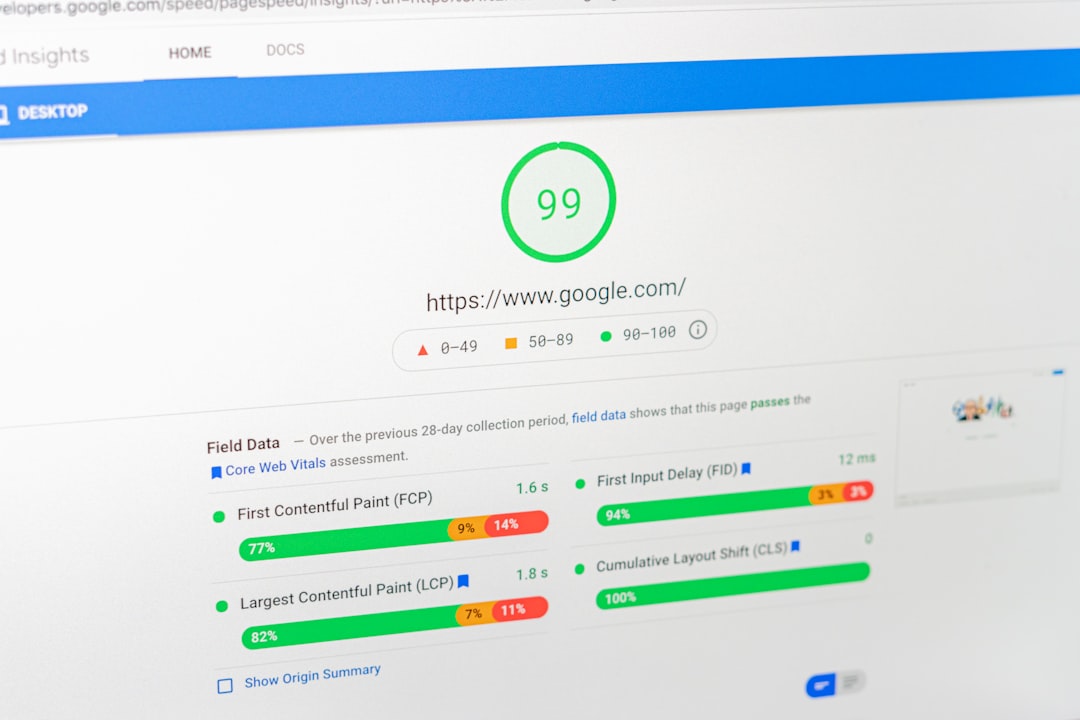
Website performance can affect the user experience and is an important part of technical SEO.
Review areas such as:
| Area | What to Check |
|---|---|
| Images | Size and compression |
| Plugins | Unnecessary or duplicate plugins |
| Scripts | Heavy resources |
| Hosting | Server performance |
| Caching | Cache configuration |
| Mobile | Performance on smaller devices |
Optimization should focus on actual performance problems rather than making changes without measurement.
Use SEO Data

Mastering SEO means learning from data.
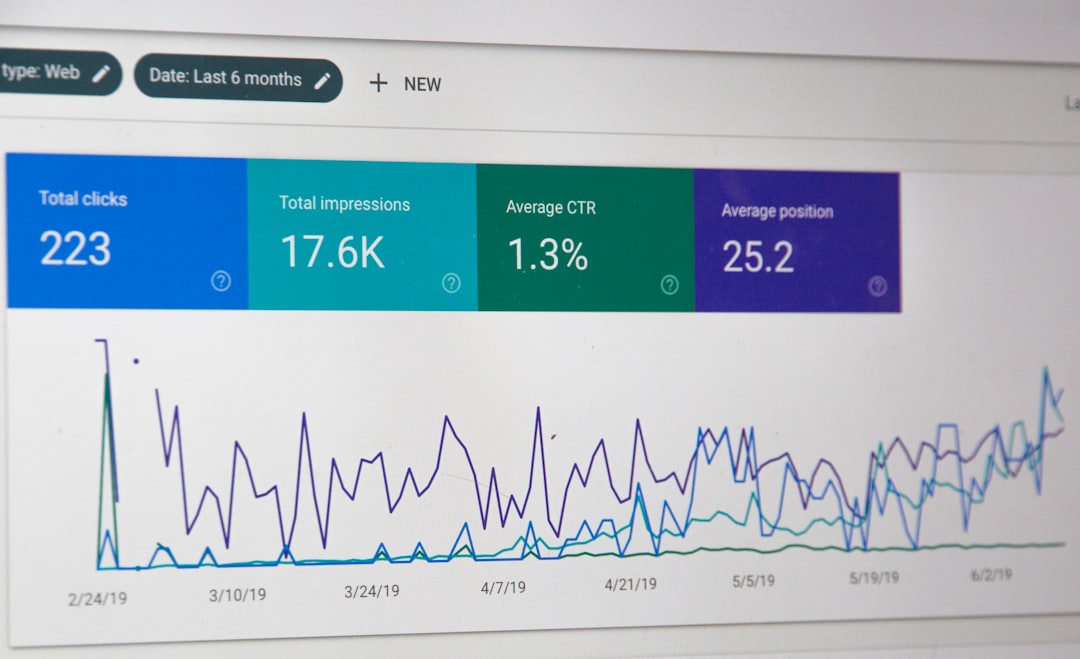
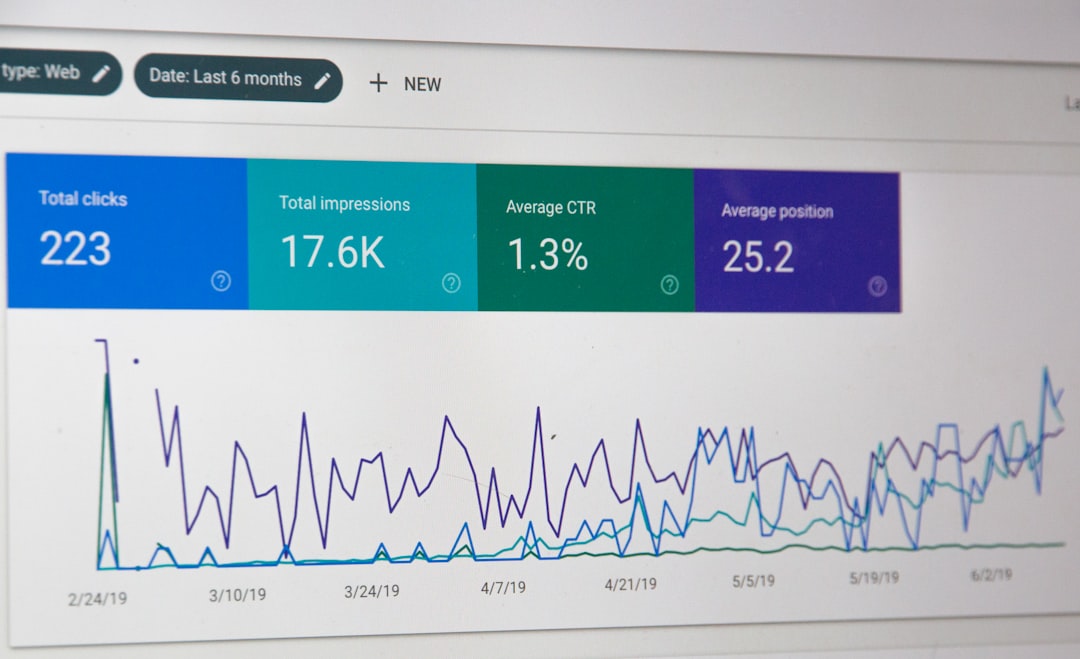
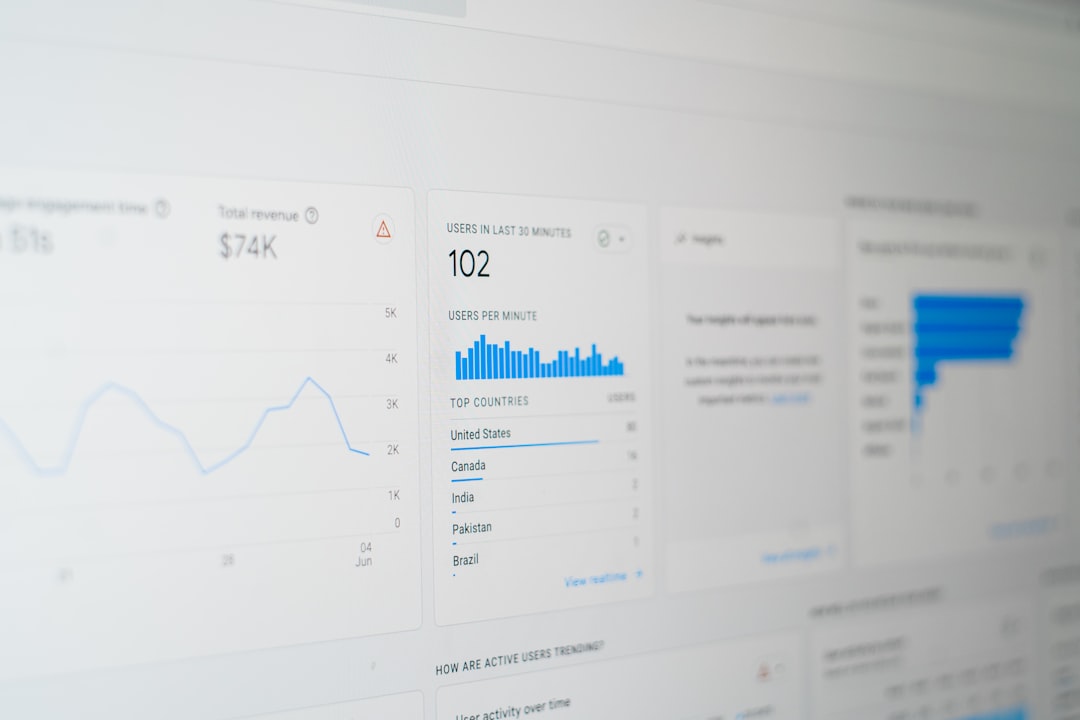
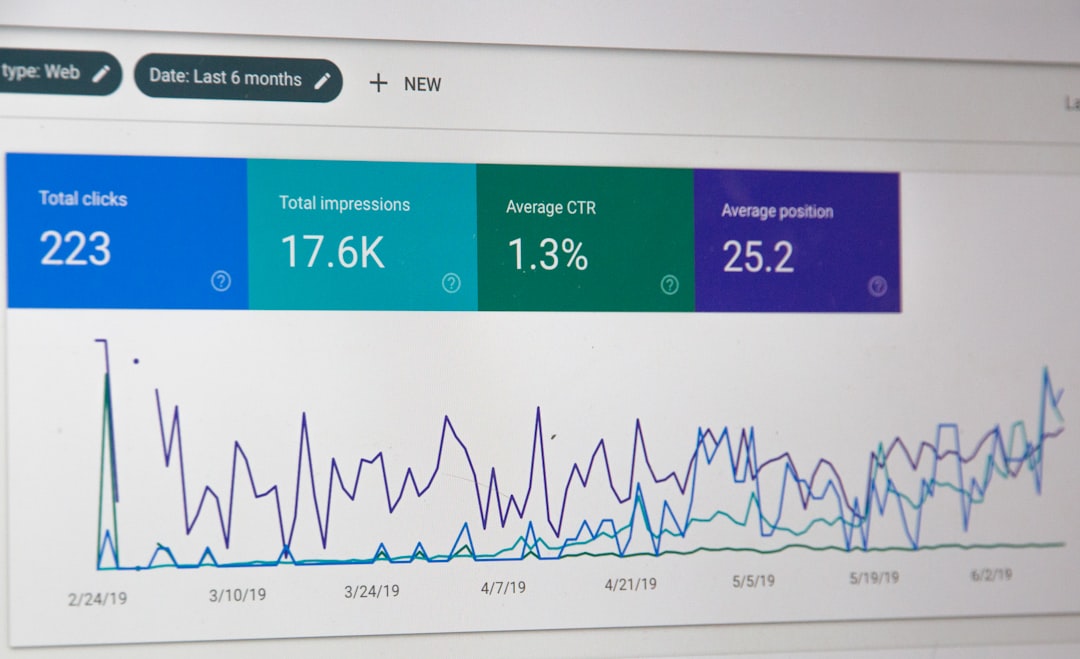
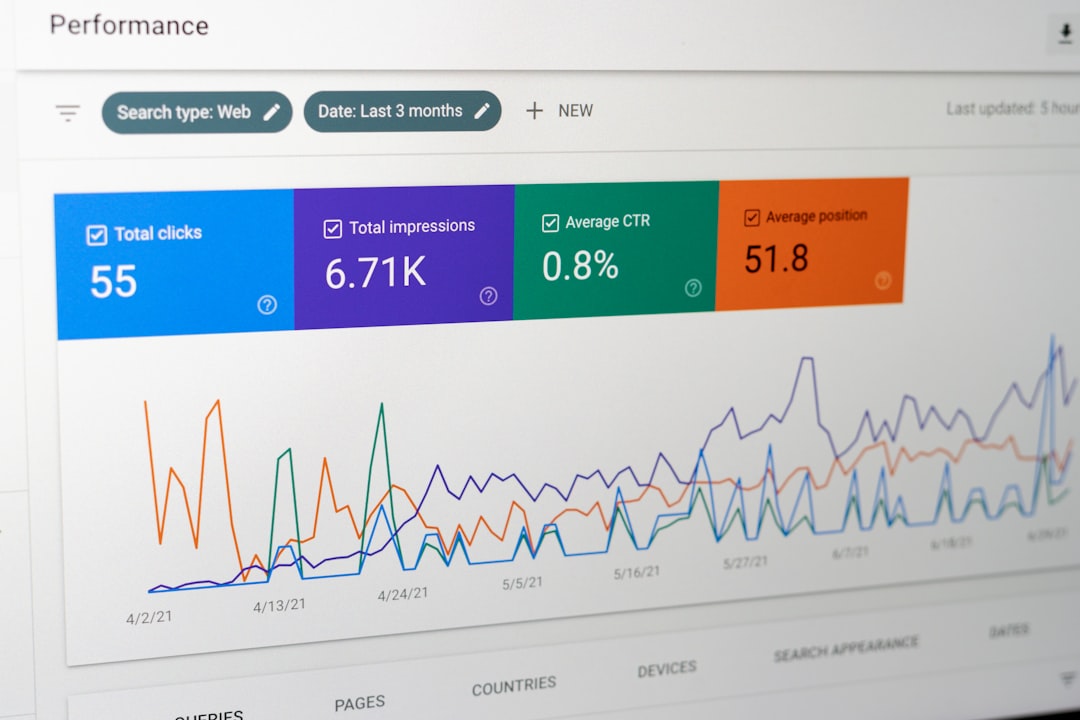
Useful sources include search performance and analytics tools that can show:
- Search queries
- Impressions
- Clicks
- Landing pages
- Traffic trends
- Conversions
For example, if a page receives many impressions but few clicks, its title and search-result presentation may deserve review.
Build an Ongoing Process
SEO changes as websites, competitors, search behavior, and content change.
A useful workflow is:
Audit → Research → Optimize → Publish → Monitor → Improve
Do not expect every change to produce immediate results. Measure changes over time and focus on meaningful improvements.
When an SEO Agency Can Help
Businesses that do not have the time or technical resources to manage these areas can work with a WordPress SEO agency.
Professional support can combine technical audits, keyword research, content strategy, on-page optimization, internal linking, performance improvements, and reporting.
Mastering WordPress SEO ultimately means understanding how all these pieces work together rather than treating SEO as a collection of isolated tasks.