
A WordPress SEO company helps businesses improve the organic visibility of their WordPress websites through a combination of technical, content, and search optimization services.
For a business owner, understanding what these companies actually do can make it easier to evaluate SEO services and determine which areas of a website need attention.
What Is a WordPress SEO Company?

A WordPress SEO company specializes in improving WordPress websites for search engines and users.
Its work can include:
- SEO audits
- Keyword research
- On-page optimization
- Technical SEO
- Content optimization
- Internal linking
- Local SEO
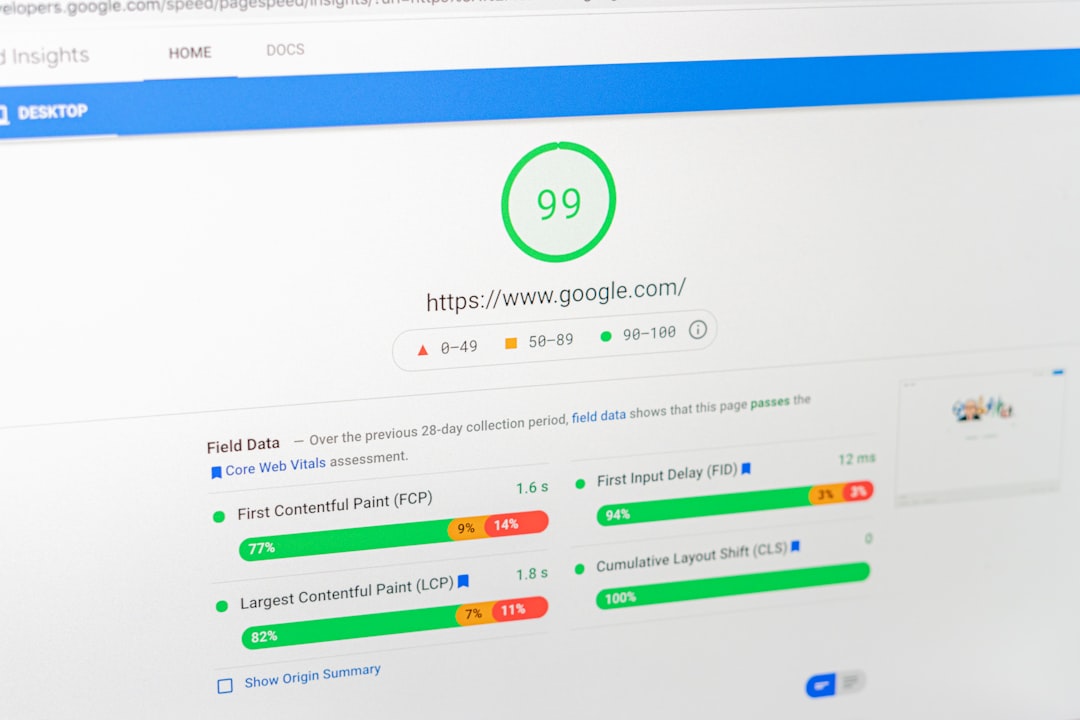
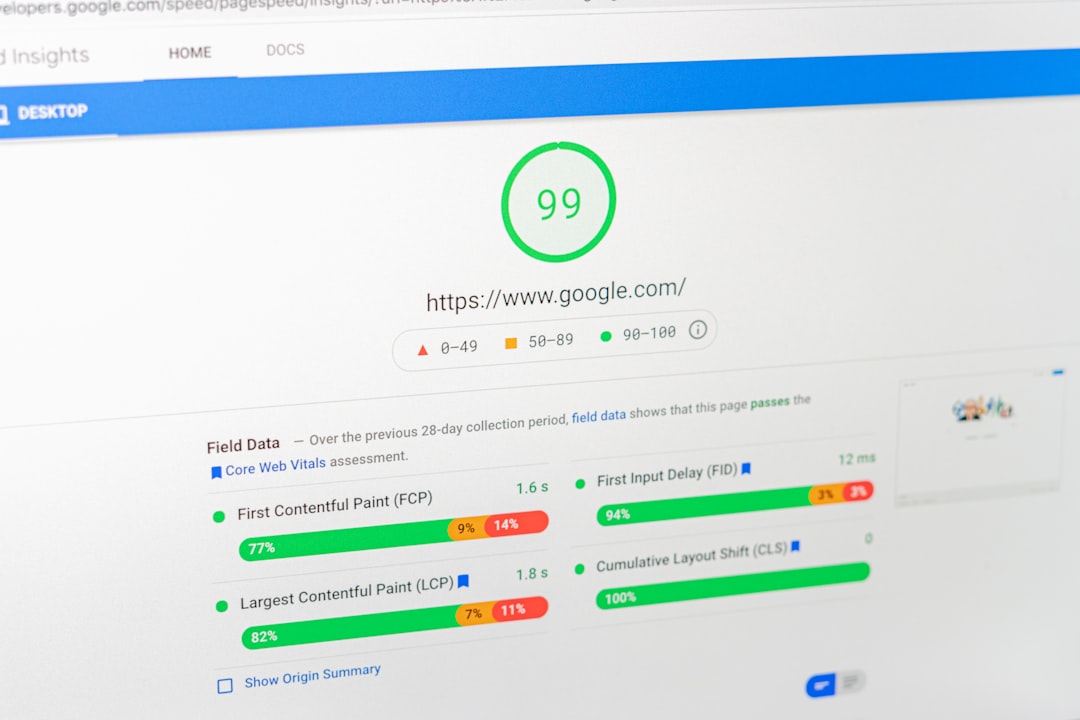
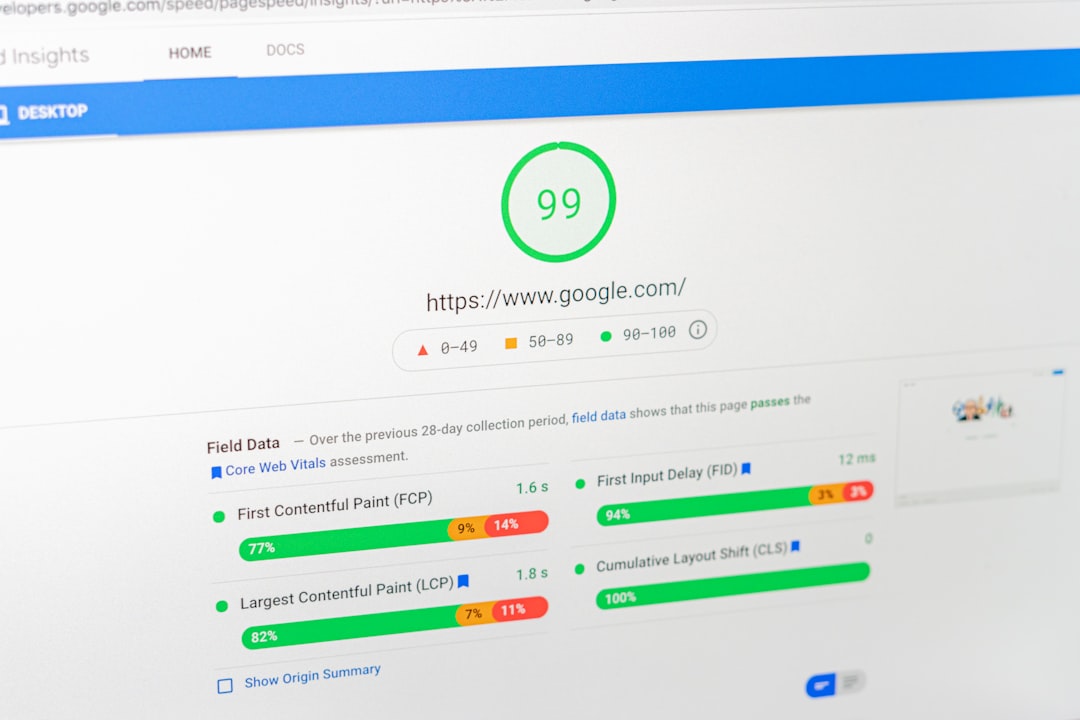
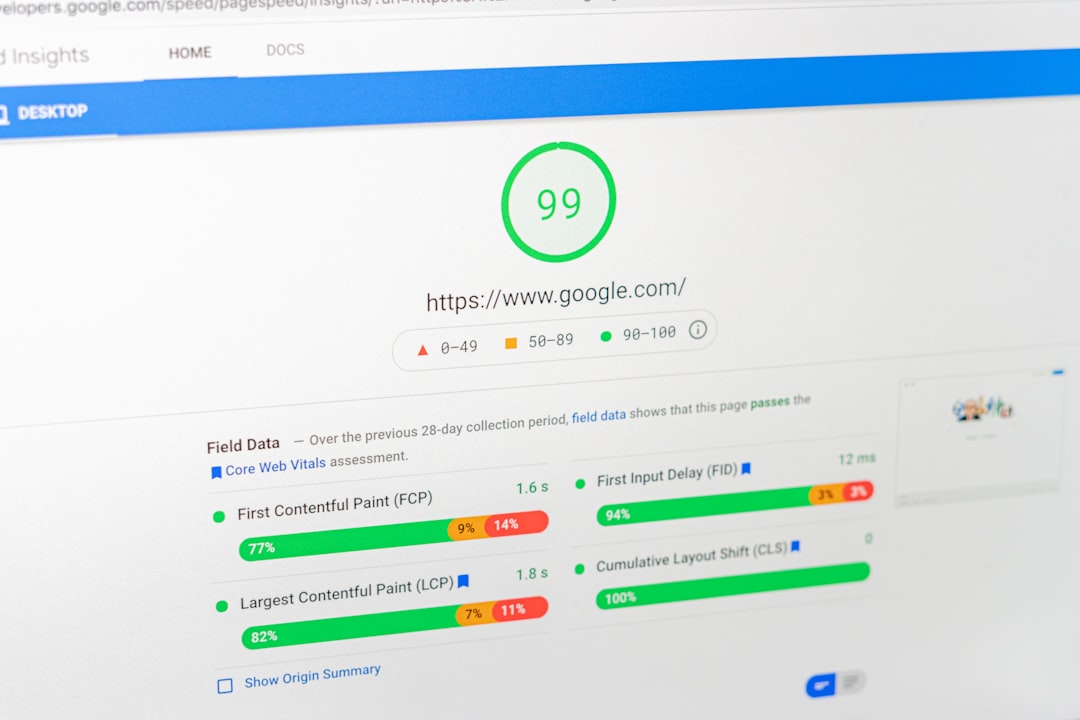
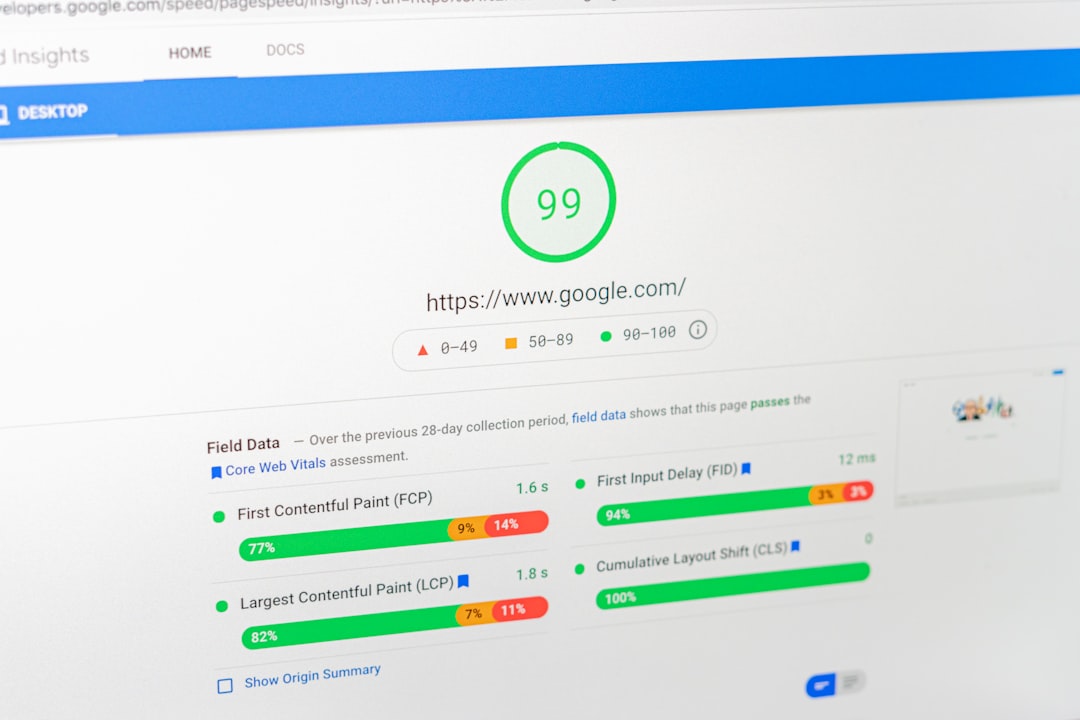
- Website performance
- SEO reporting
The exact service mix depends on the website and its goals.
Why WordPress-Specific SEO Matters
General SEO principles apply to many platforms, but WordPress has its own technical environment.
SEO work may involve:
- Plugins
- Themes
- Permalinks
- Categories
- Tags
- Templates
- Sitemaps
- Media settings
A problem with one of these areas can affect multiple pages.
For example, an incorrect indexing setting can prevent search engines from accessing pages that the business wants to appear in search results.
What Services Can a WordPress SEO Company Provide?
SEO Audit
An audit establishes the current condition of the website.
It may review technical issues, content, links, indexing, performance, and website structure.
Keyword Research
Keyword research identifies relevant topics and phrases that potential customers search for.
These keywords can then be mapped to appropriate pages.
On-Page SEO
On-page work may include:
- Titles
- Headings
- Content
- Images
- Internal links
- URLs
- Meta descriptions
Technical SEO
Technical optimization can address:
- Crawlability
- Indexing
- Redirects
- Canonicals
- Sitemaps
- Robots.txt
- Broken links
- Performance
Content Optimization
Existing articles and landing pages can be reviewed and improved based on relevance, search intent, and quality.
Choosing Priorities
A good SEO process does not necessarily try to fix everything at once.
Priorities can be organized like this:
| Priority | Examples |
|---|---|
| High | Indexing errors, major technical problems |
| Medium | Internal linking, content improvements |
| Ongoing | Content creation, authority building |
| Monitoring | Rankings, traffic, conversions |
This helps direct resources toward meaningful areas first.
SEO for Different WordPress Websites

Different websites require different strategies.
Local Businesses
Local websites may focus on services, locations, local content, and business information.
Ecommerce Websites
Stores may need attention to product pages, categories, structured data, images, and duplicate URLs.
Service Businesses
Service websites often need strong service pages supported by relevant educational content.
Blogs and Publishers
Content-focused websites may prioritize topic organization, internal linking, technical performance, and content quality.
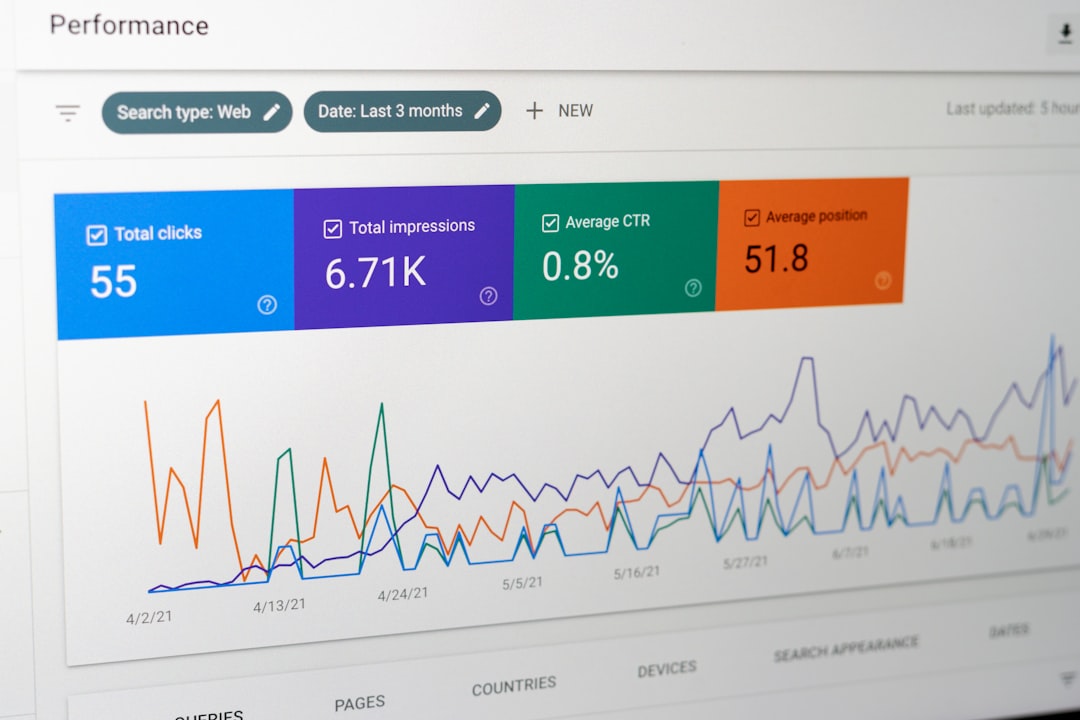
Measuring SEO Performance
A company should be able to explain what is being measured.
Useful metrics include:
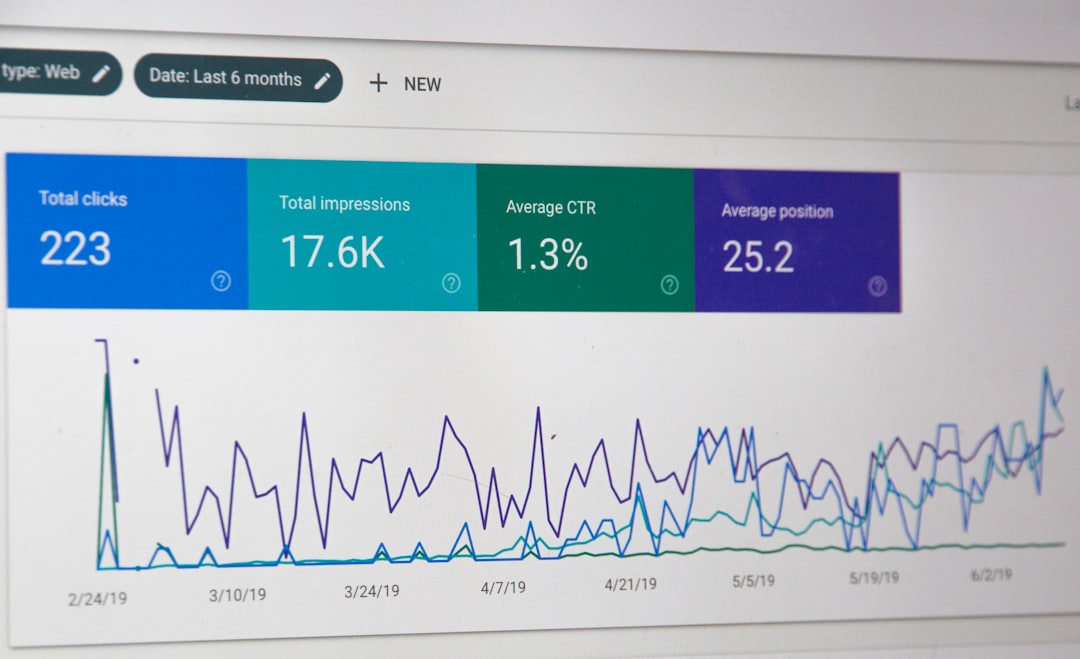
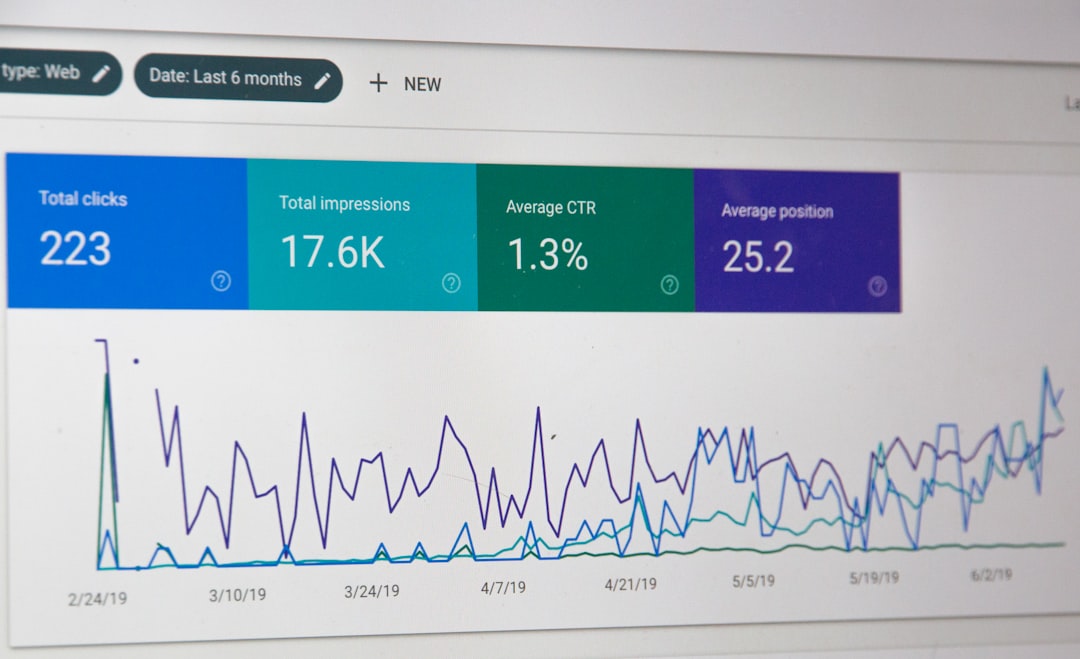
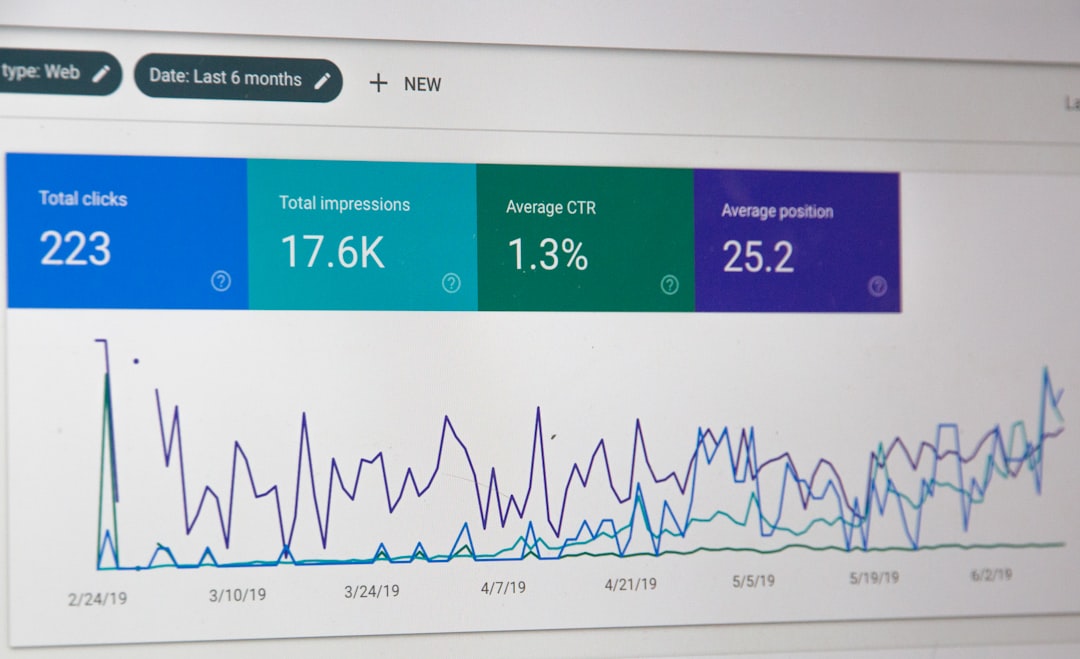
- Organic clicks
- Impressions
- Search positions
- Organic landing pages
- Conversions
- Indexed pages
- Technical issues
Traffic alone does not tell the whole story. Relevant traffic and business outcomes are also important.
When Professional Support Makes Sense
A WordPress SEO company can be useful when a business has limited internal SEO resources, a technically complicated website, declining organic traffic, or a need for a long-term optimization strategy.
Professional SEO should be based on the actual condition of the website rather than a fixed list of changes.
A strong WordPress SEO process combines technical improvements, useful content, logical site structure, performance optimization, and ongoing measurement to support sustainable organic growth.