
Organic traffic can become an important source of visitors for a WordPress website, but increasing it requires more than publishing content regularly.
A strong SEO strategy combines technical accessibility, useful content, relevant keywords, internal linking, website performance, and ongoing measurement.
A WordPress SEO agency can bring these areas together into a structured process.
Start With Technical SEO

Before focusing heavily on content, make sure search engines can access important pages.
Review areas such as:
- Indexing
- Crawlability
- XML sitemap
- Robots.txt
- Canonical URLs
- Redirects
- Broken links
- Mobile usability
If important pages cannot be properly crawled or indexed, content optimization alone may not solve the problem.
Find the Right Search Opportunities
Keyword research should focus on topics that are relevant to the business and its audience.
For example, a WordPress maintenance company could target topics around:
- WordPress maintenance services
- WordPress security
- WordPress updates
- Website backups
- WordPress troubleshooting
These can then be divided between commercial pages and informational content.
Improve Existing Pages
One of the easiest opportunities can be improving pages that already receive search impressions.
Look for pages that:
- Rank for relevant keywords
- Receive impressions but few clicks
- Have outdated information
- Lack important sections
- Have weak internal links
Improving an existing page can sometimes be more efficient than creating another page covering the same subject.
Create Helpful Supporting Content
A website can build topical depth by publishing content around its main services.
For example:
Main Service: WordPress SEO
Supporting Content:
- WordPress SEO basics
- Technical WordPress SEO
- WordPress SEO audit
- WordPress site speed
- WordPress internal linking
These articles can link to the main service page when relevant.
Optimize Titles and Headings
A page title should clearly communicate what the page is about.
Headings should organize the content into logical sections.
Avoid writing titles purely for keywords.
A useful title should also make sense to the person seeing it in search results.
Strengthen Internal Links
Internal links can guide visitors toward useful related pages.
For example:
Blog Post → Detailed Guide → Service Page
This can help distribute contextual relevance across the website and make important pages easier to discover.
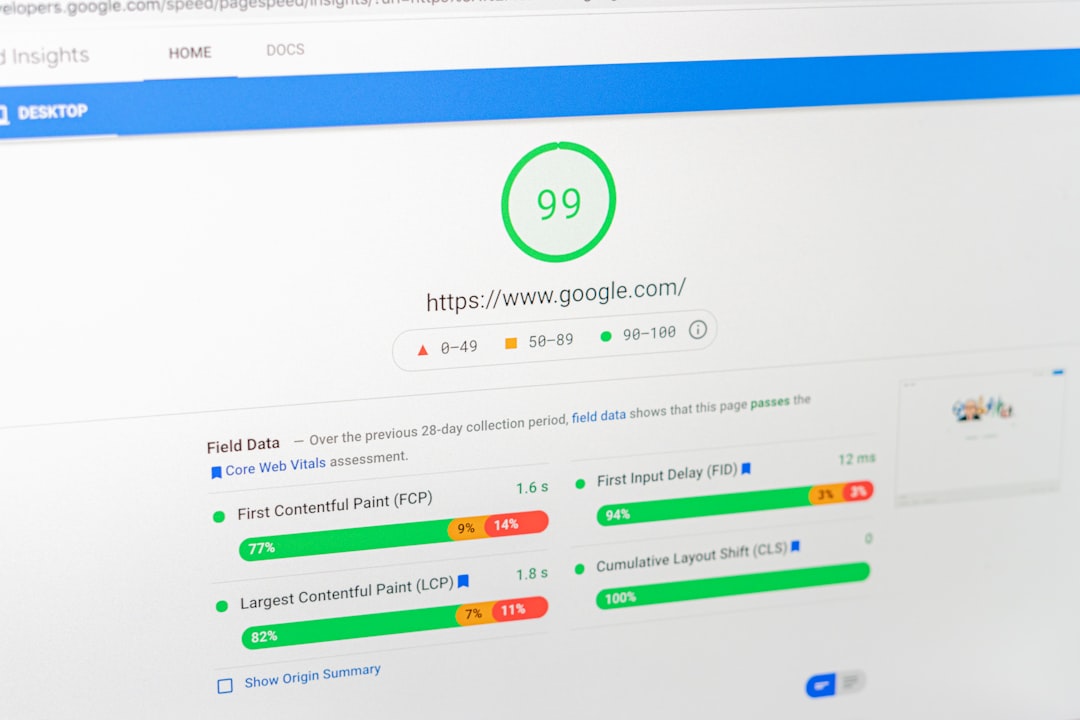
Improve Page Experience
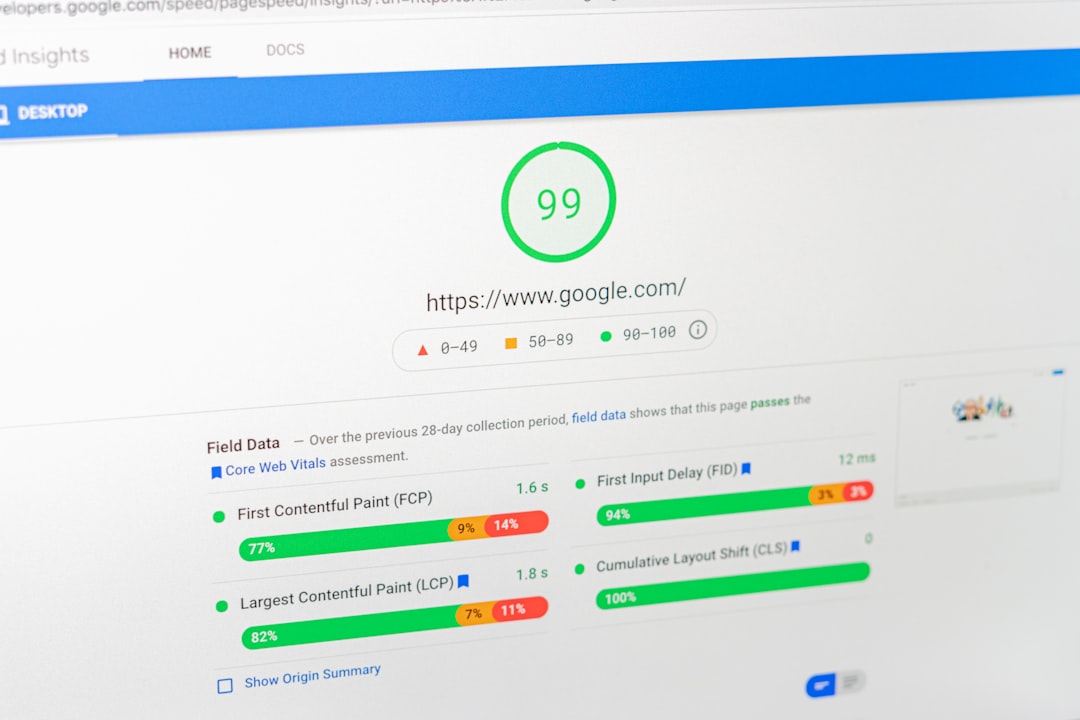
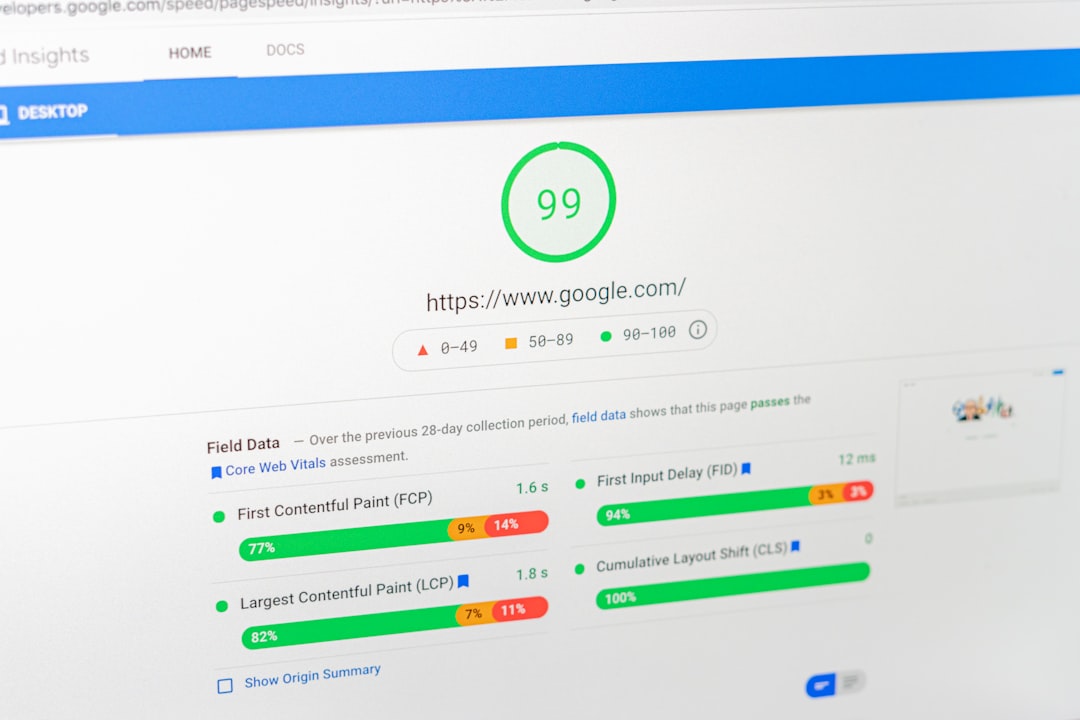
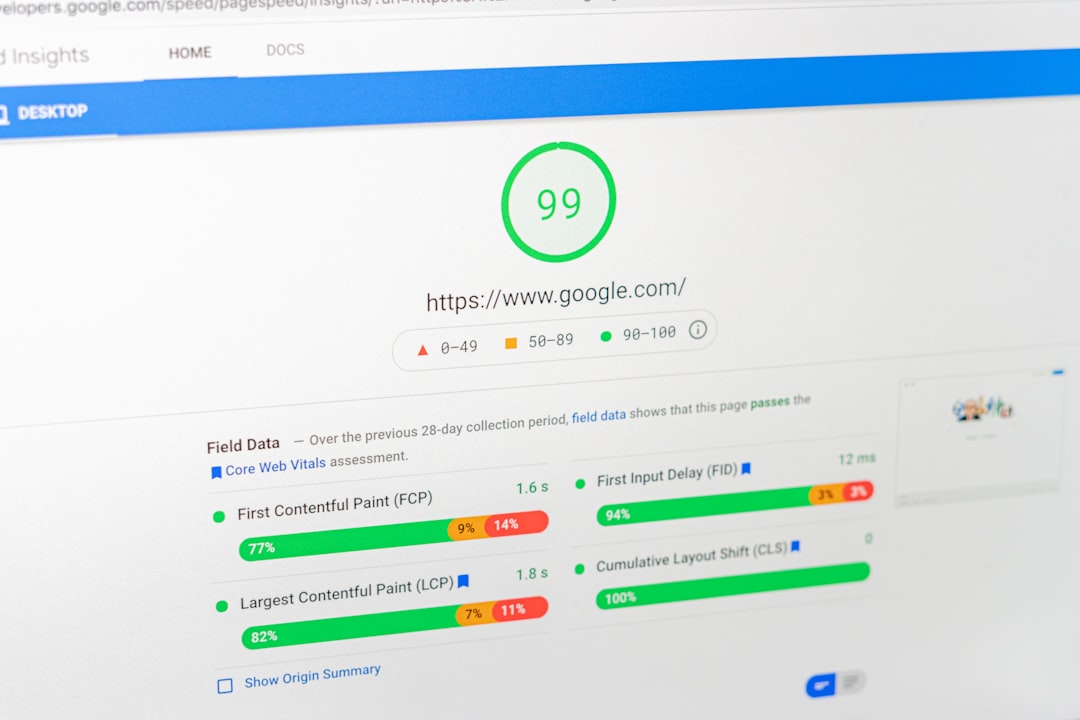
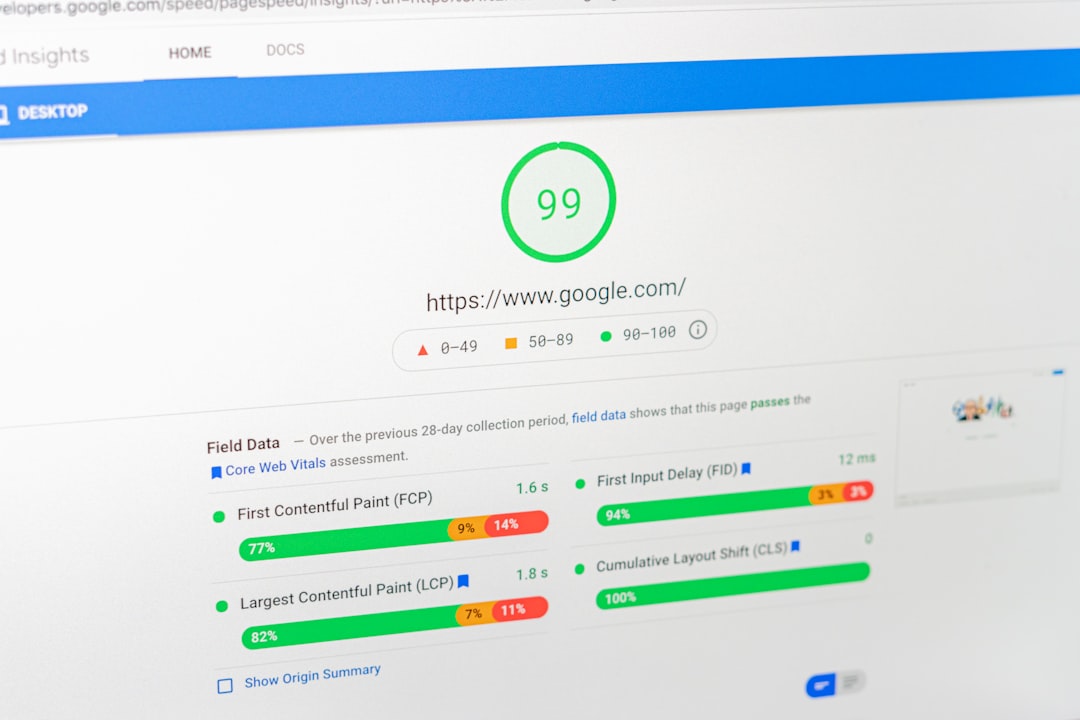
Organic visitors are more likely to engage with a website when pages are easy to use.
Review:
- Loading speed
- Mobile layout
- Navigation
- Readability
- Images
- Buttons
- Forms
- Pop-ups
SEO should work together with usability rather than treating the two as separate goals.
Build Relevant Authority
Content and technical optimization are important, but authority can also influence organic visibility.
Depending on the industry, a strategy may include:
- Relevant backlinks
- Digital PR
- Industry resources
- Partnerships
- Quality guest contributions
- Business citations
The emphasis should be on relevance and credibility instead of obtaining links in large quantities.
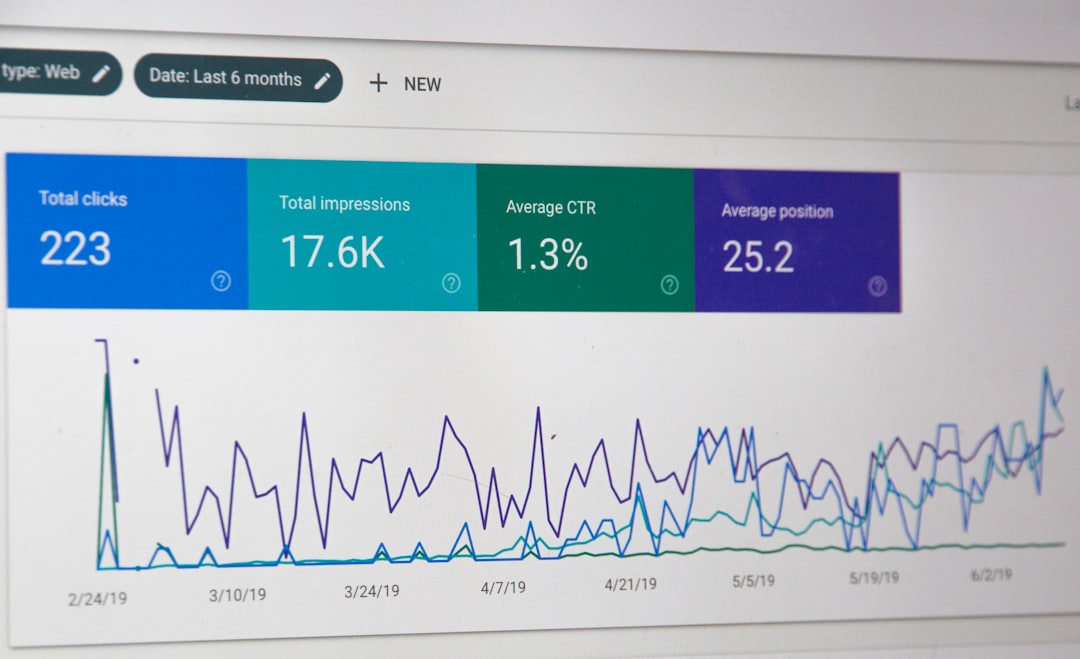
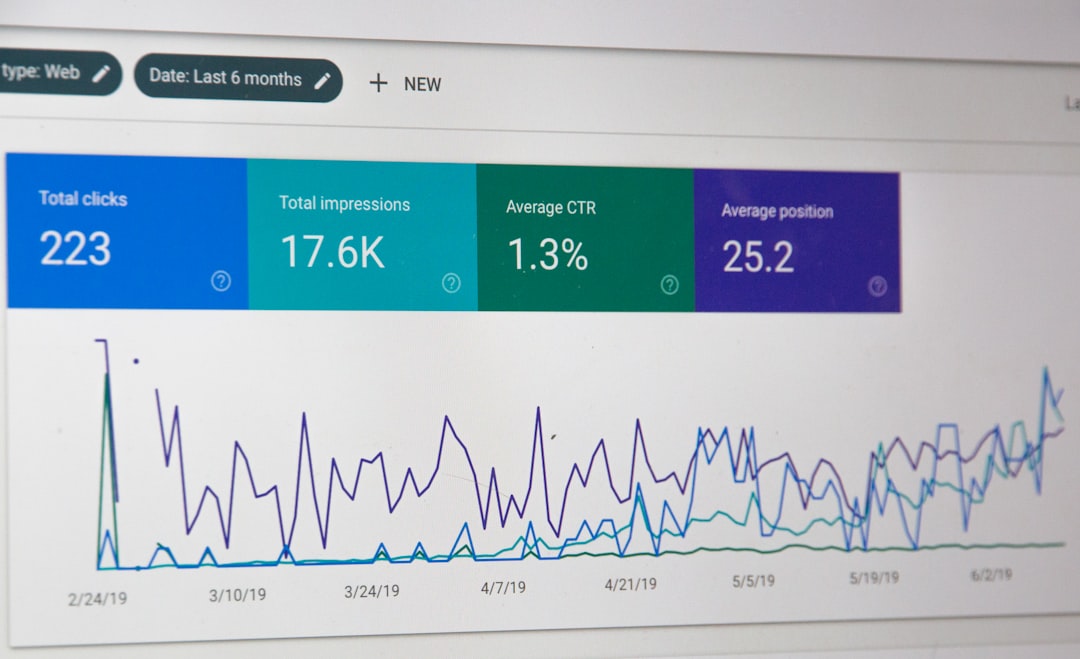
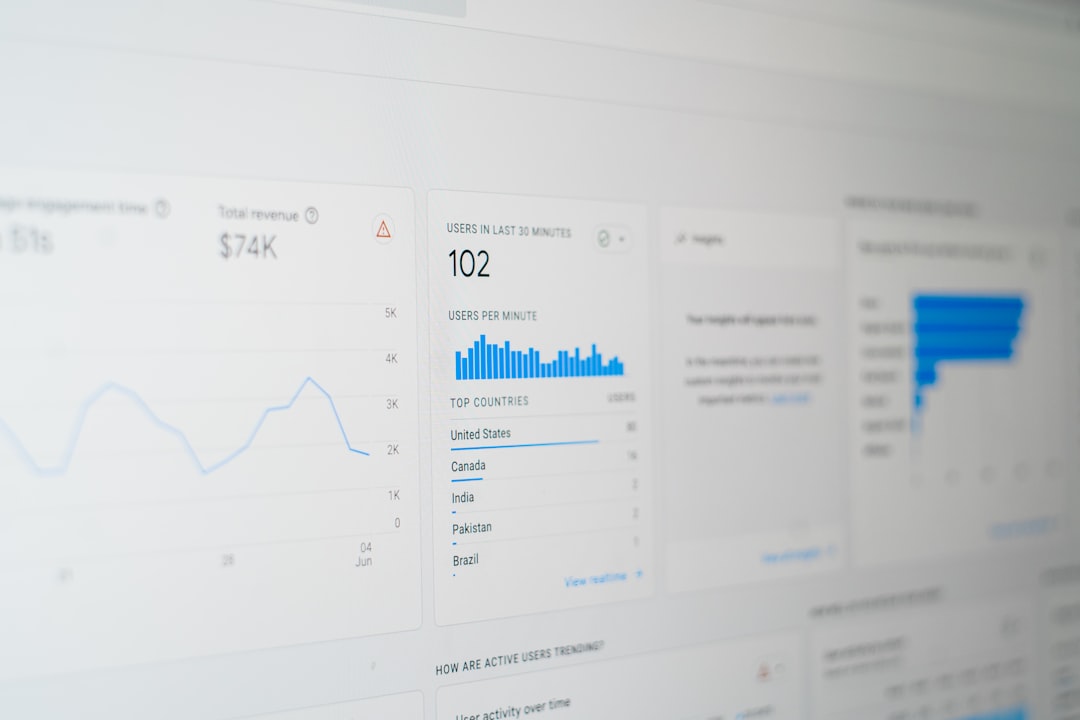
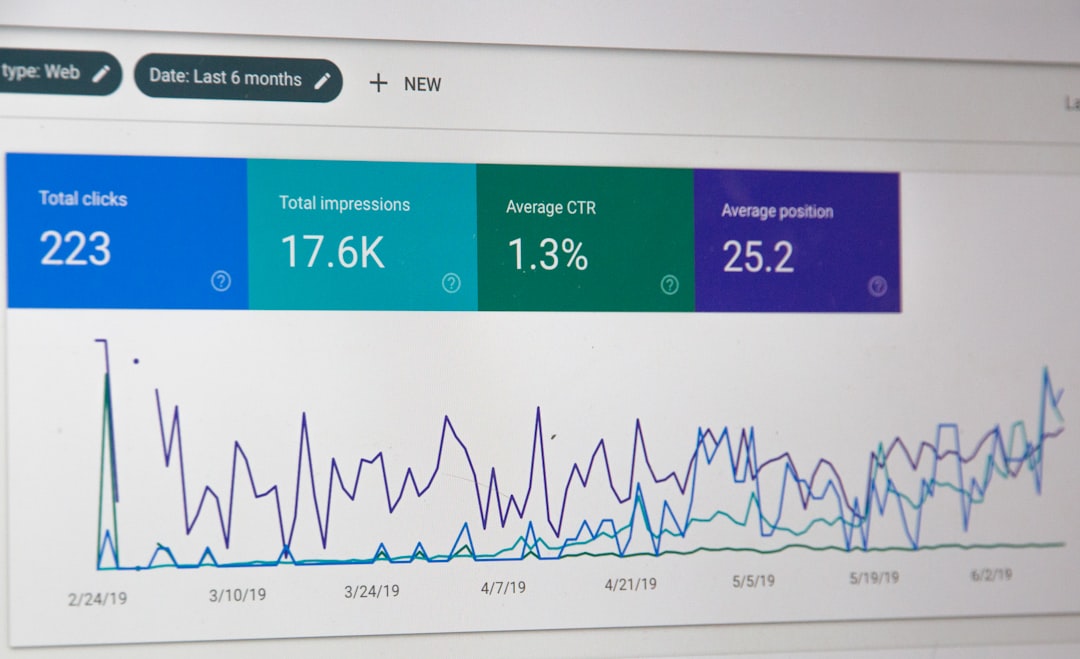
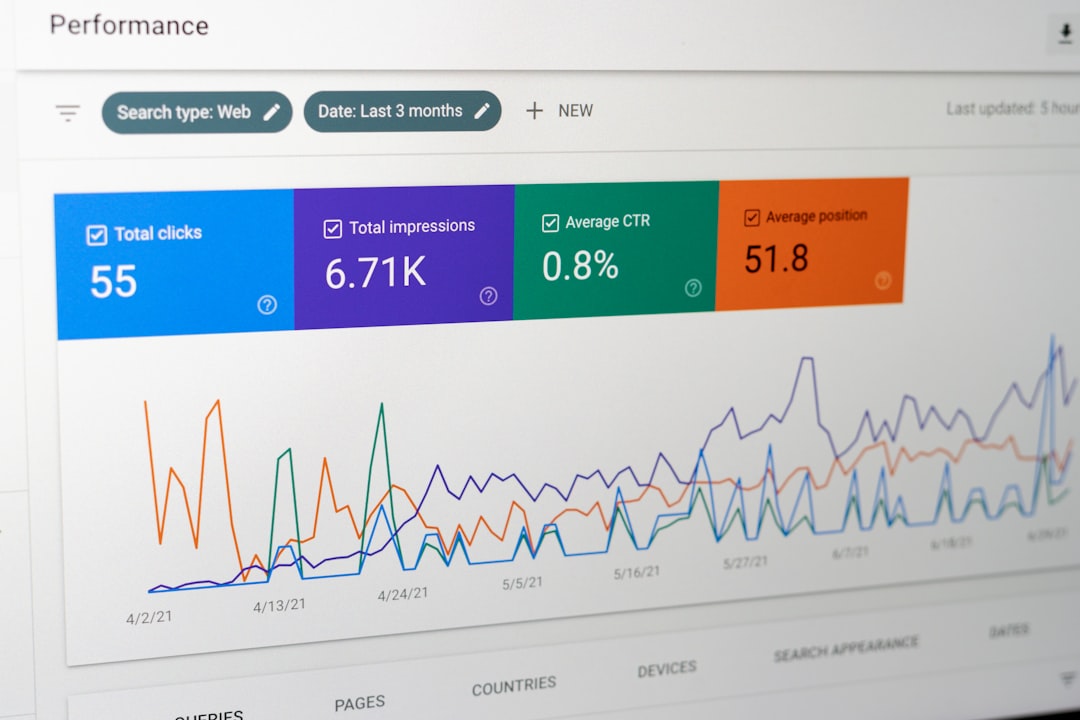
Measure Organic Traffic

Track performance regularly.
| Metric | What It Shows |
|---|---|
| Organic clicks | Visitors from search |
| Impressions | Search visibility |
| Average position | Ranking trends |
| CTR | How often impressions become clicks |
| Conversions | Business value |
| Landing pages | Which pages attract visitors |
These metrics can reveal which parts of the strategy are working and where additional optimization may be needed.
Build a Continuous Process
Increasing organic traffic is rarely a single optimization task.
A practical process looks like:
Audit → Research → Optimize → Create → Link → Measure → Improve
A WordPress SEO agency can manage this process while adapting it to the website’s industry, competition, content, and business objectives.
The goal is not simply to attract more visitors. It is to attract relevant organic visitors who are genuinely interested in what the website offers.