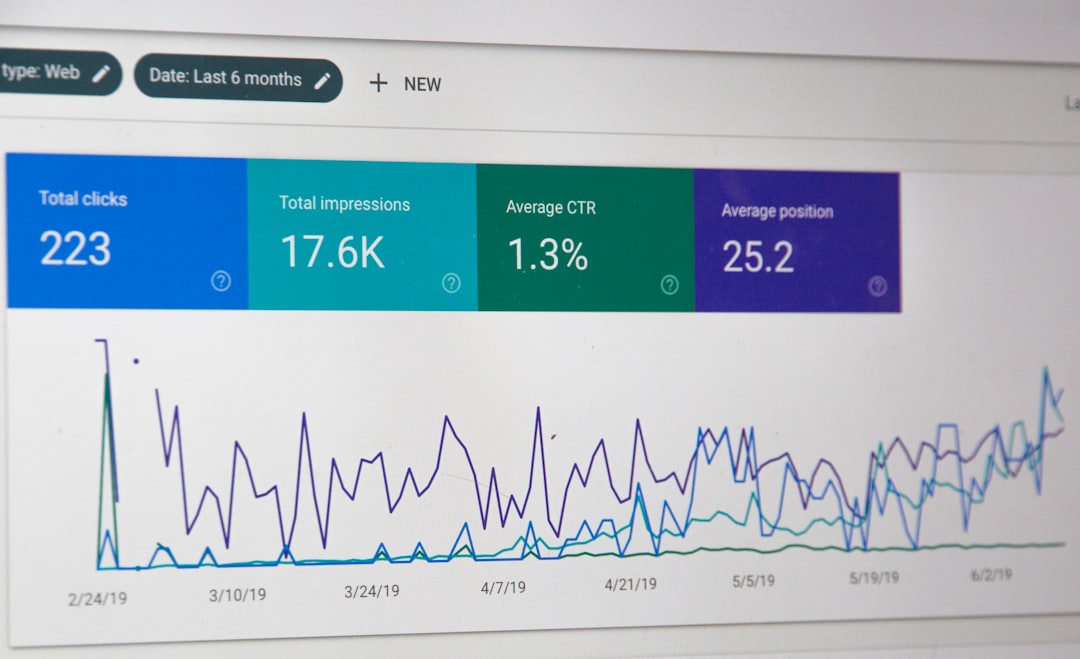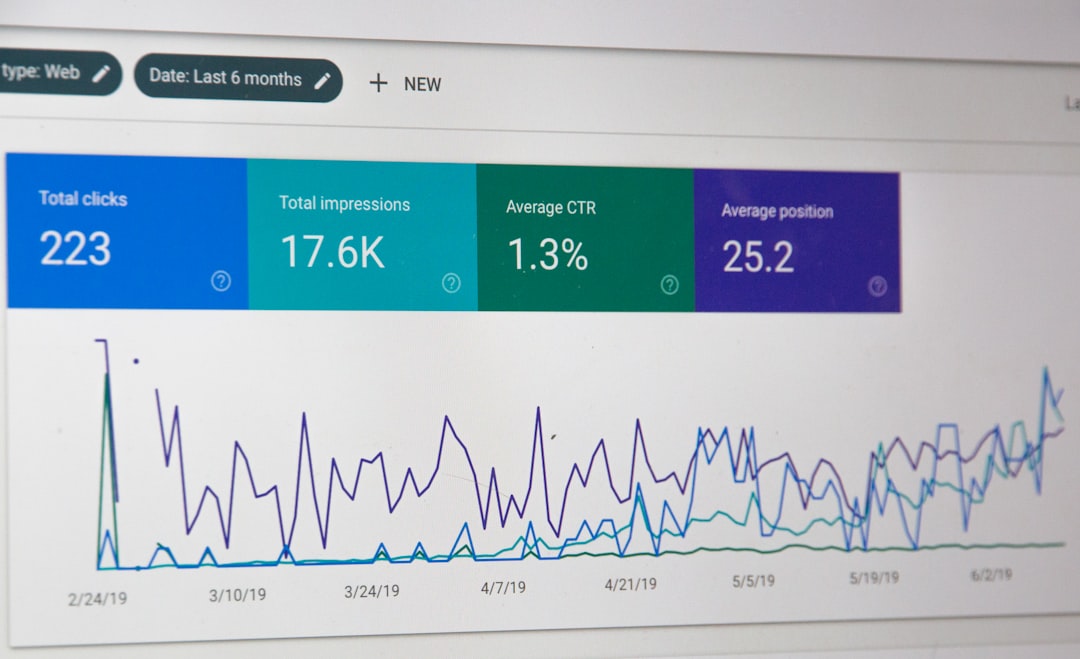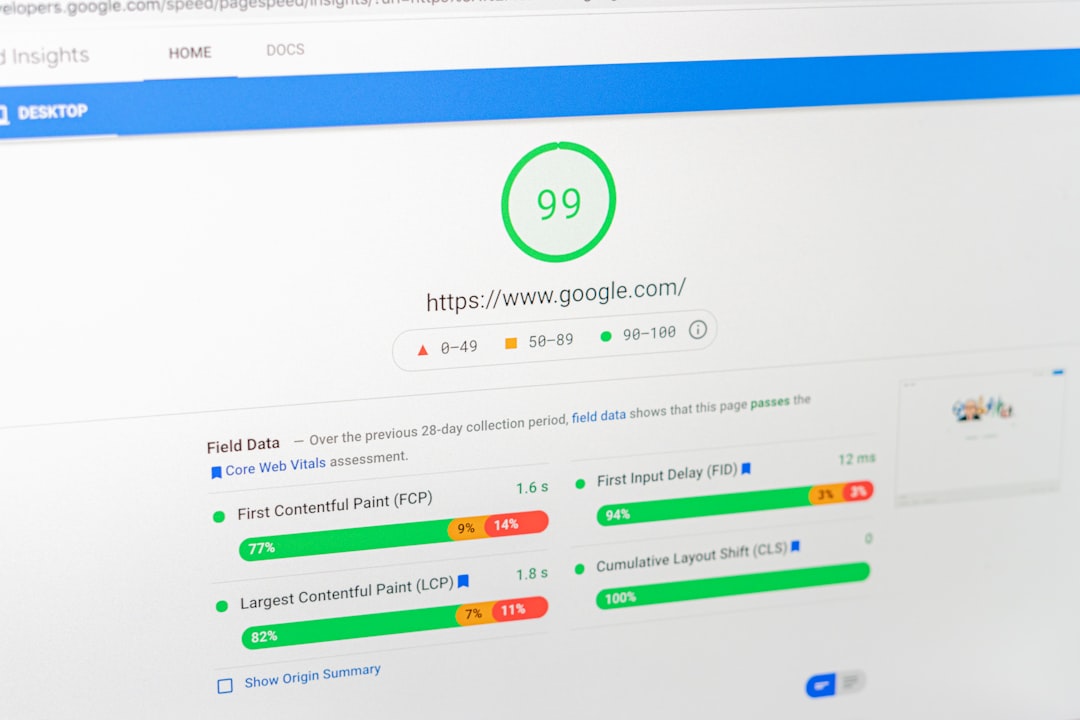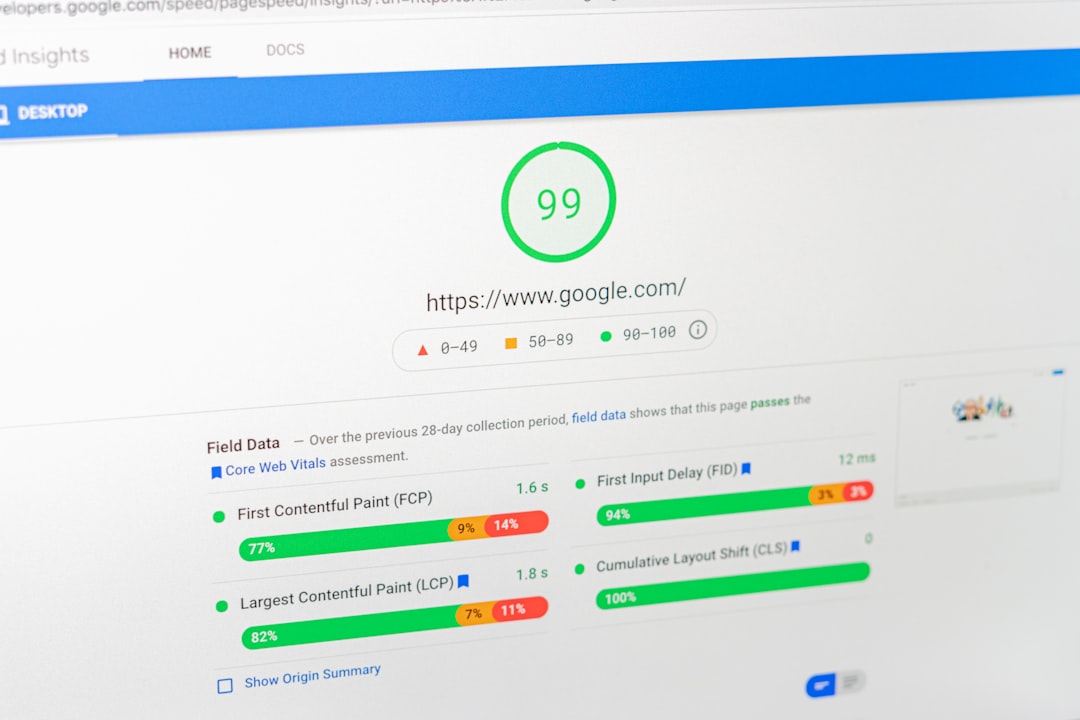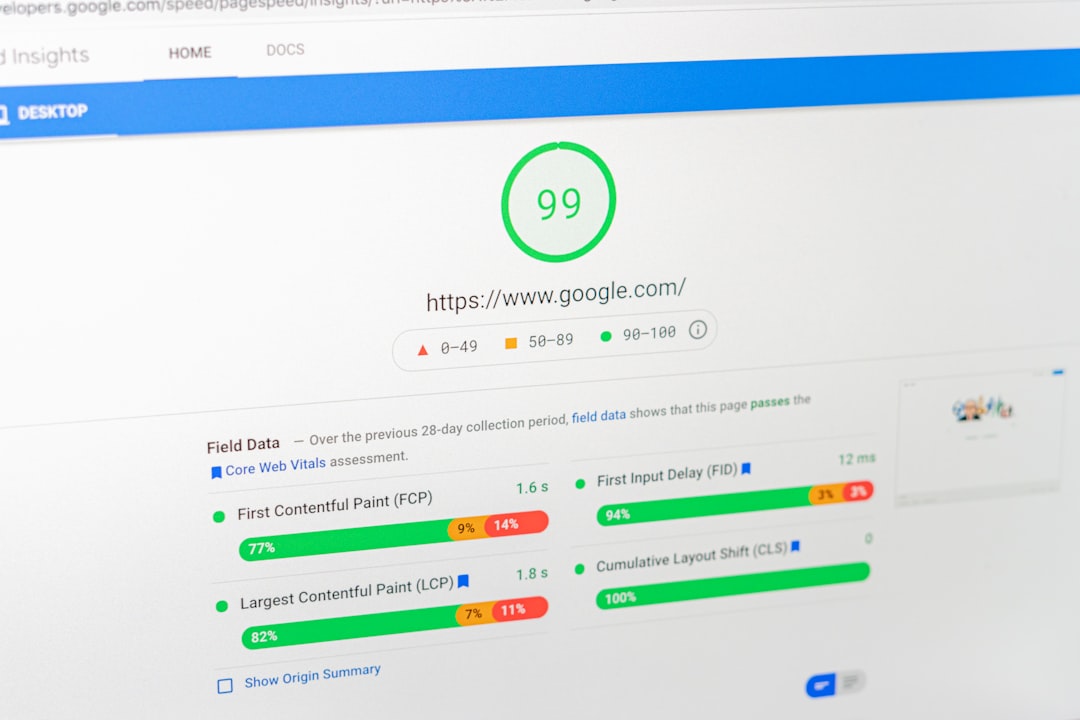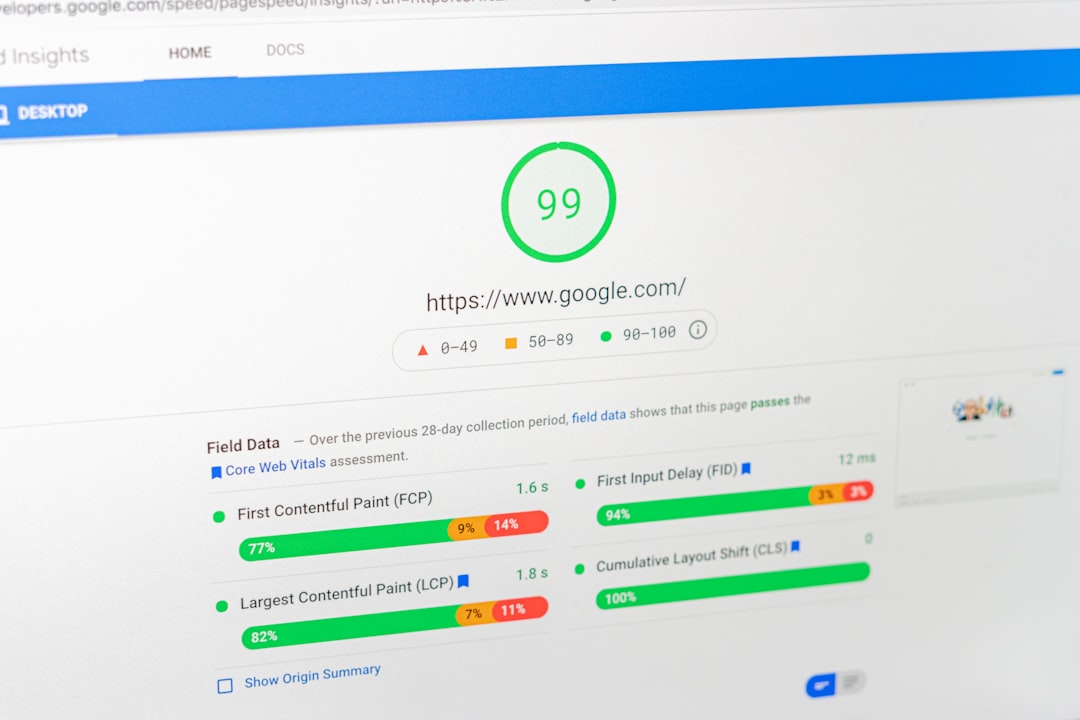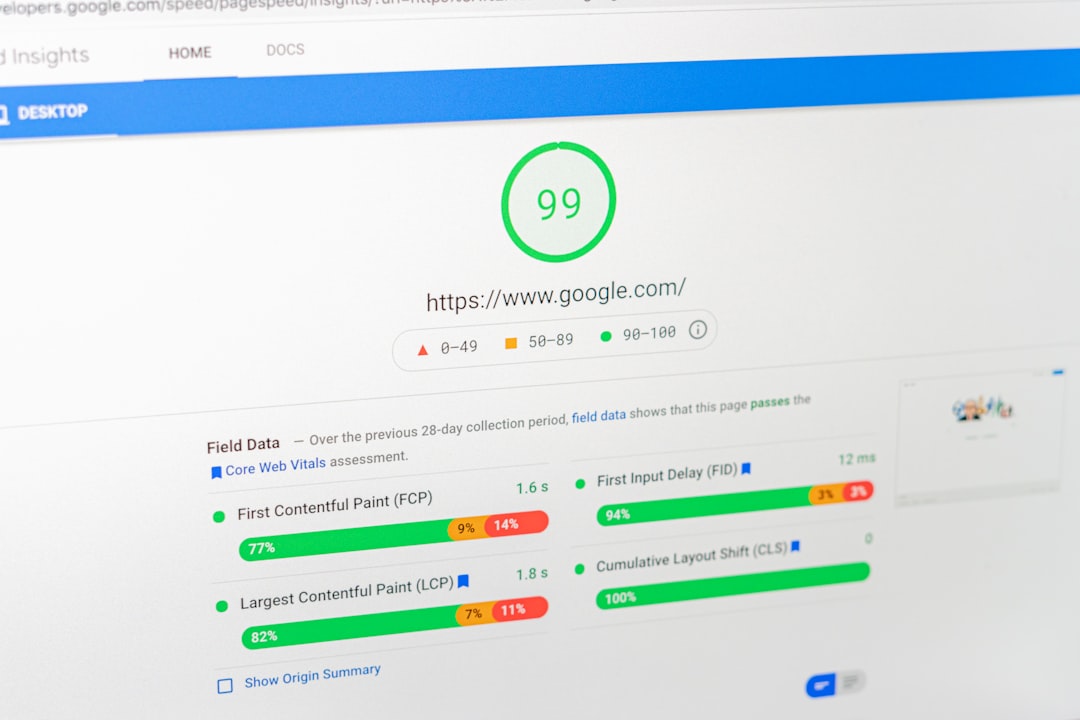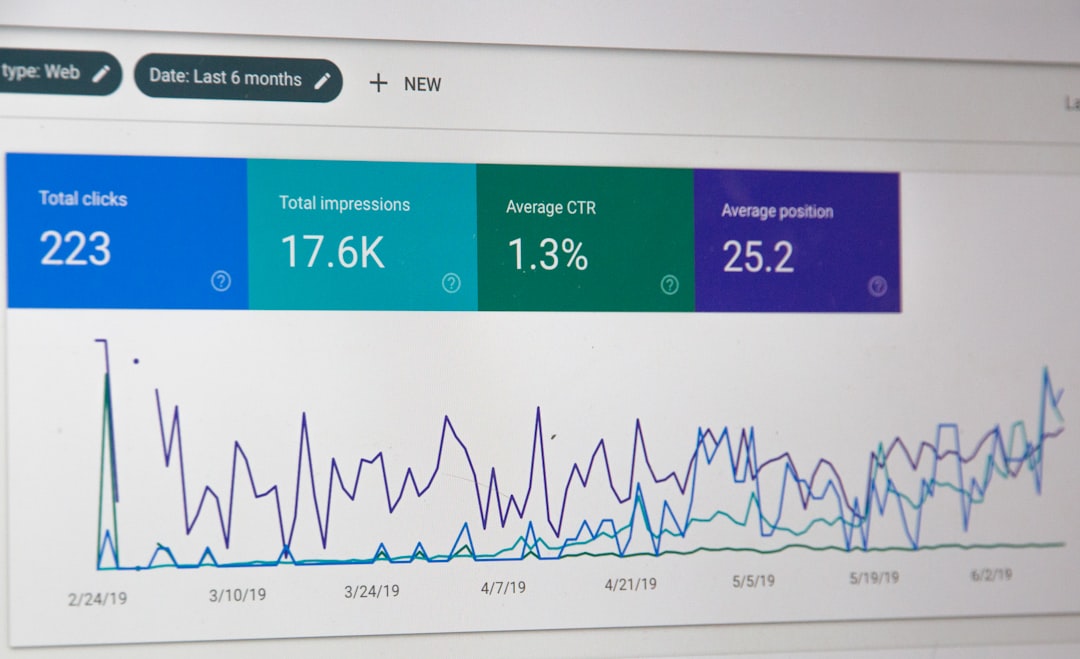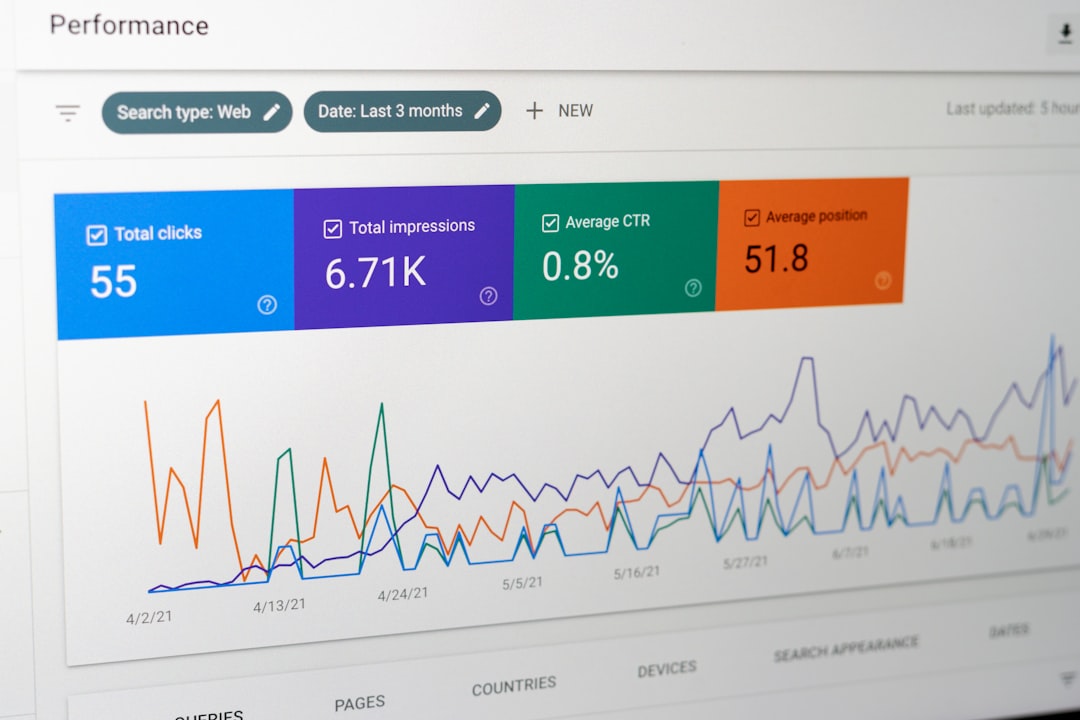
Flat rankings usually point to a scattered plan, not a lack of effort. Small businesses often install the right tools, publish a few posts, and still see little movement because the basics are being handled out of order. A green light in an SEO plugin does not mean the page deserves to rank.
WordPress SEO fundamentals come down to a simple sequence: make sure important pages can be crawled and indexed, give each page one clear job, strengthen internal links, and keep your plugin setup simple. If you skip the foundation and jump straight to tweaks, you end up polishing pages that are still hard for search engines to trust or understand.
If you want a broader baseline before building your plan, start with our practical WordPress SEO guide for DIY site owners and our WordPress SEO strategy framework. Both will help you see how the fundamentals fit together before you start changing plugins or rewriting pages.
What small businesses should focus on first

The first priority is visibility, not perfection. Your site does not need every advanced SEO feature. It needs a clean structure, a few strong pages, and consistent signals about which pages matter most.
For most small businesses, the pages that deserve the most attention are the homepage, core service pages, main location pages if they are truly unique, and a small group of supporting blog posts. These are usually the pages closest to leads and revenue. Everything else should support them.
This is where many sites get off track. Blog content expands, plugins multiply, and archive pages pile up while the real money pages stay thin or disconnected. Fix the issues that block visibility before the issues that polish visibility.
The core WordPress SEO fundamentals
The fundamentals are not complicated, but they do depend on each other. When one layer is weak, the next layer has less impact. That is why a small business SEO strategy works better when it follows a clear order.
1. Make sure important pages can be indexed

If a key page is noindexed, blocked, orphaned, or missing from your sitemap, other improvements will have limited value. Start by checking whether search engines can actually access the pages you care about most.
Review your main services, core landing pages, and any high-value blog posts. Then look for low-value pages WordPress may be generating automatically, such as thin tag archives, attachment pages, or duplicate archive views. Most site owners do not have one catastrophic problem. They have a stack of smaller issues that compound over time.
2. Give each page one clear search intent
Each important page should target one main topic and one main visitor need. When a page tries to cover everything, it usually becomes vague and harder to rank.
Your homepage should support your broadest business offering. Service pages should answer transactional or commercial intent. Blog posts should answer informational questions and point readers toward the next logical page. If two pages chase the same idea, consolidation is often better than publishing another variation.
3. Write clearer titles and headings
Titles and headings help search engines and users understand the page quickly. They work best when they are specific, readable, and closely matched to the actual topic of the page.
| Weak title | Stronger title |
|---|---|
| SEO Services | SEO Company | SEO Expert | WordPress SEO Services for Small Businesses |
| Blog | WordPress SEO Tips for Local Service Businesses |
The stronger versions make the page purpose clearer without stuffing variations into the title. A green light in an SEO plugin does not mean the wording is useful. The goal is not a score. The goal is clarity.
4. Strengthen internal links
Internal linking is one of the simplest ways to reinforce page importance. It helps search engines discover related pages and helps visitors move from general information to a service or contact page naturally.
Link blog posts to relevant service pages. Link related articles to each other where the connection is useful. Make sure important pages are not only reachable from the main navigation. If your structure feels messy, our WordPress SEO strategy framework can help you prioritize what should connect to what.
5. Keep your plugin setup simple
One well-configured SEO plugin is enough for most small business sites. Running overlapping plugins often creates duplicate metadata, conflicting canonicals, and competing sitemap outputs.
If your site has accumulated extra SEO tools over time, simplify before troubleshooting rankings. Clean systems are easier to diagnose. If you are not sure whether your current setup is helping or quietly getting in the way, WordPress SEO Expert can help.
A simple strategy small businesses can actually follow

The best strategy is one you can repeat without turning SEO into a full-time job. Small businesses usually do better with a short monthly process than a massive checklist they never finish.
| Priority | What to review |
|---|---|
| 1 | Check that key pages are crawlable, indexable, and linked internally |
| 2 | Confirm each core page targets one clear service or topic |
| 3 | Improve titles, headings, and page introductions for clarity |
| 4 | Strengthen internal links from blog content to service pages |
| 5 | Remove plugin overlap and low-value page clutter |
This approach keeps your attention on what actually affects visibility. You do not need a perfect score. The goal is a site that loads cleanly, is easy to use, and sends consistent signals about which pages matter most.
If you are experiencing flat rankings, confusing plugin output, or unclear page targeting, our team at WordPress SEO Expert can help.
What to stop doing
Small business sites often improve faster when they remove distractions. Not every SEO task deserves equal time, and some of the most common habits create more noise than progress.
Stop chasing plugin scores as if they predict rankings. Stop publishing thin posts just to hit a content schedule. Stop creating near-duplicate pages for tiny keyword variations. Stop adding new tools before you understand which tool is already controlling titles, canonicals, and sitemaps.
Most SEO gains come from better prioritization, not more activity. A smaller number of focused improvements usually beats a longer list of disconnected tasks.
The next step if your rankings are still flat
If your site has traffic potential but rankings are stuck, the issue is usually not effort. It is often a mix of indexing problems, overlapping pages, weak internal links, or pages that are too broad to compete well.
That is where a proper audit helps. WordPress SEO Expert can review your setup, identify what is actually blocking growth, and help you focus on the fixes with the highest payoff first.
Contact WordPress SEO Expert today to schedule a consultation. Book a free SEO consultation. No pitch, no pressure. Just an honest look at what your site actually needs and whether your current setup is part of the solution or part of the problem.