
WordPress SEO feels complicated at first, but the basics are simpler than most beginners expect. If your rankings are flat or your site is brand new, the real goal is not chasing plugin scores. It is building a clean setup that helps search engines crawl, understand, and trust your most important pages.
WordPress SEO Expert helps site owners sort out what matters first so they do not waste time polishing the wrong things. One well-configured SEO plugin is enough. A green light in an SEO plugin does not mean the page deserves to rank.
What WordPress SEO actually means
WordPress SEO is the process of making your site easy to crawl, easy to understand, and useful enough to earn visibility. Beginners often assume SEO is mostly keywords and plugin settings, but the fundamentals are broader: indexing, page structure, internal links, titles, and content quality all work together.
Google’s own guidance emphasizes clear, concise page titles and helpful site structure rather than gimmicks. That is why a simple setup usually performs better than a cluttered one with overlapping tools and inconsistent settings. If you want a broader overview of how these pieces fit together, see our practical WordPress SEO guide for DIY site owners.
Start with one SEO plugin

Beginners should start with one SEO plugin, not several. Running multiple SEO plugins can create duplicate metadata, conflicting canonicals, and competing sitemaps, which makes a simple site harder to troubleshoot than it needs to be.
Pick one tool, configure the essentials, and leave the rest alone until you understand what each setting does. This is where many WordPress sites go off track early. If your current setup already feels messy, our guide on fixing WordPress SEO setup problems walks through the cleanup process in a practical order.
Set up the core basics first

Your first SEO wins usually come from a few basic settings. Make sure your site can be indexed, your sitemap is active, your page titles are descriptive, and your important pages are linked from other pages on the site.
Google recommends descriptive title text and advises against keyword stuffing in title elements. Google also may use your meta description in search results when it summarizes the page well. In practical terms, that means every important page should have a clear title, a useful summary, and a defined purpose.
| SEO basic | Why it matters |
|---|---|
| One SEO plugin | Prevents conflicting metadata and duplicate SEO output |
| Indexable pages | Lets search engines access your main content |
| XML sitemap | Helps search engines discover key URLs |
| Clear titles | Improves topical clarity and click potential |
| Internal links | Helps search engines and users find related pages |
Write better page titles from the start
Page titles are one of the easiest beginner fixes because they shape both relevance and click potential. A weak title usually sounds generic or stuffed. A stronger title tells both the reader and the search engine what the page is actually about.
| Weak title | Stronger title |
|---|---|
| SEO Services | SEO Company | SEO Expert | WordPress SEO Services for Small Businesses |
| Blog | WordPress SEO Tips for Beginners |
| Home | Family Law Attorney in Phoenix |
You do not need perfect wording on the first try. You do need clear wording. Keep titles specific, natural, and aligned with the page itself instead of forcing every keyword variation into one line.
Use headings and content structure correctly

Beginners should treat headings as a structure tool, not a styling trick. Each page needs one clear H1, then H2s for main sections and H3s when a section needs a sub-point. This helps users scan the page and helps search engines understand the hierarchy of the content.
Your content should also match one clear intent. If a page is meant to explain, explain. If it is meant to sell a service, keep it focused on that service. Mixing multiple intents on one thin page usually weakens the result.
Build internal links early

Internal links are a beginner-friendly SEO habit that pays off over time. They help search engines discover deeper pages, show which pages matter most, and guide visitors toward related content or services.
Use descriptive anchor text that tells readers what they will find next. Link blog posts to related guides, service pages, and supporting articles. That is much stronger than leaving posts isolated and hoping the sitemap does all the work. If you are building a site structure from scratch, connect each new page to existing content as you publish it.
If you are experiencing these symptoms, our team at WordPress SEO Expert can help. A focused review can usually tell whether your problem is indexing, duplicate content, weak targeting, or internal link gaps.
Keep technical SEO simple at the beginning
Beginners do not need an advanced technical checklist on day one. They do need to avoid the common setup mistakes that stop pages from being found in the first place.
Check that your site is visible to search engines in WordPress settings. Make sure your SEO plugin has generated a sitemap. Review thin archives, attachment pages, and unnecessary tag pages so they do not clutter the site. Most site owners do not have one catastrophic problem. They have a stack of smaller issues that compound over time.
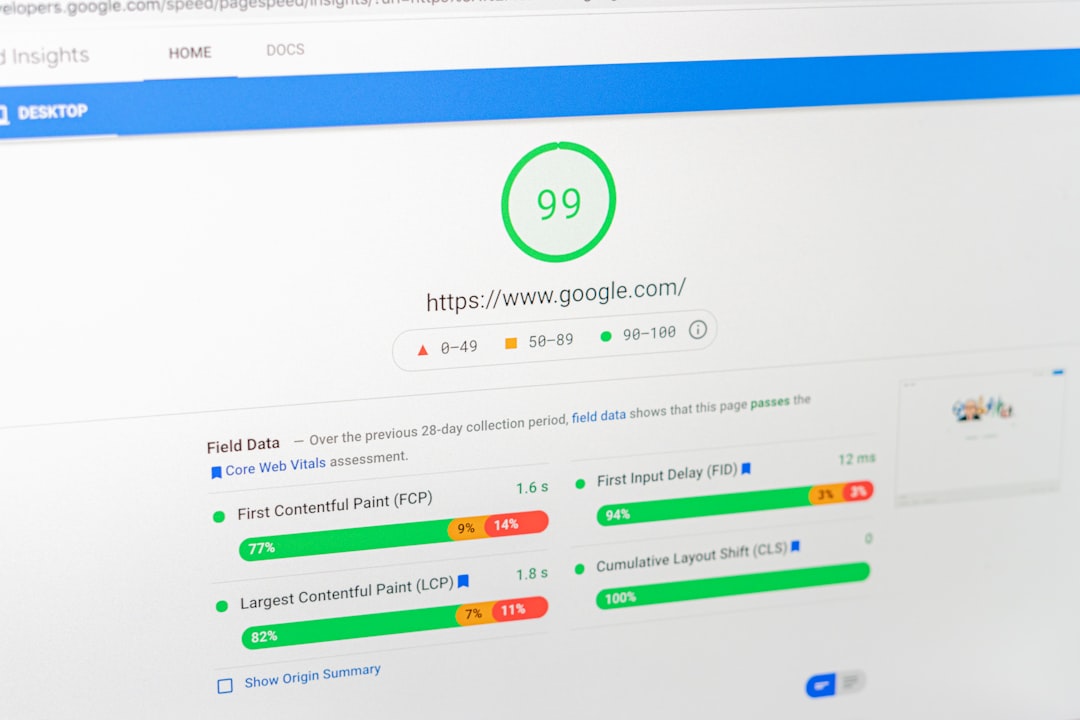
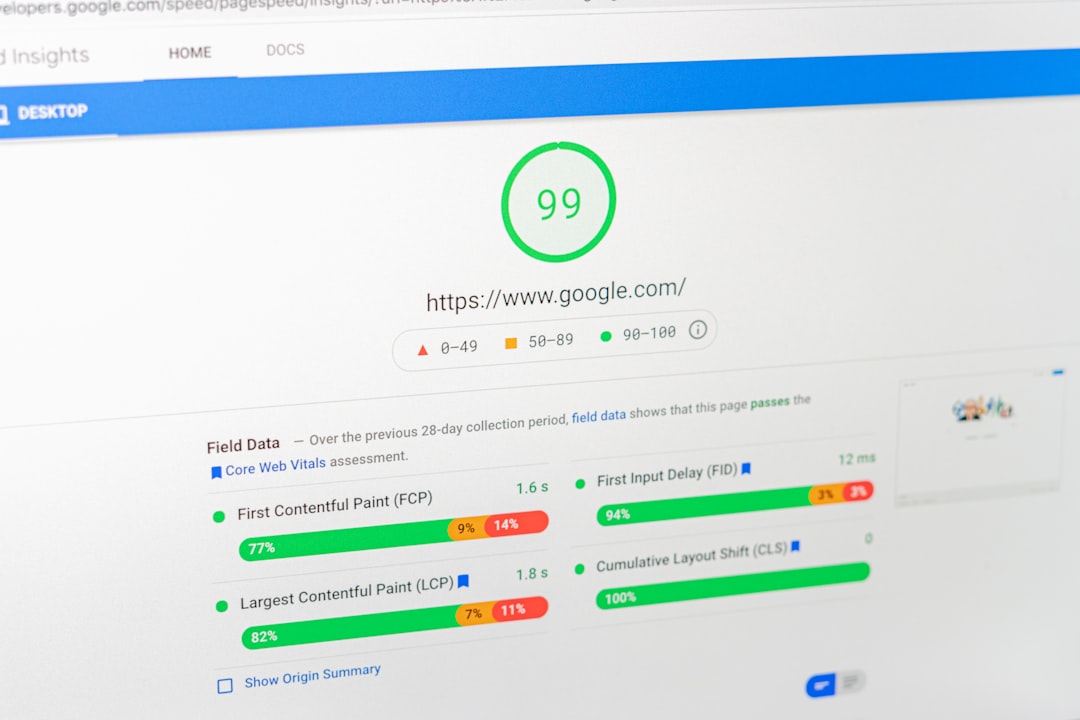
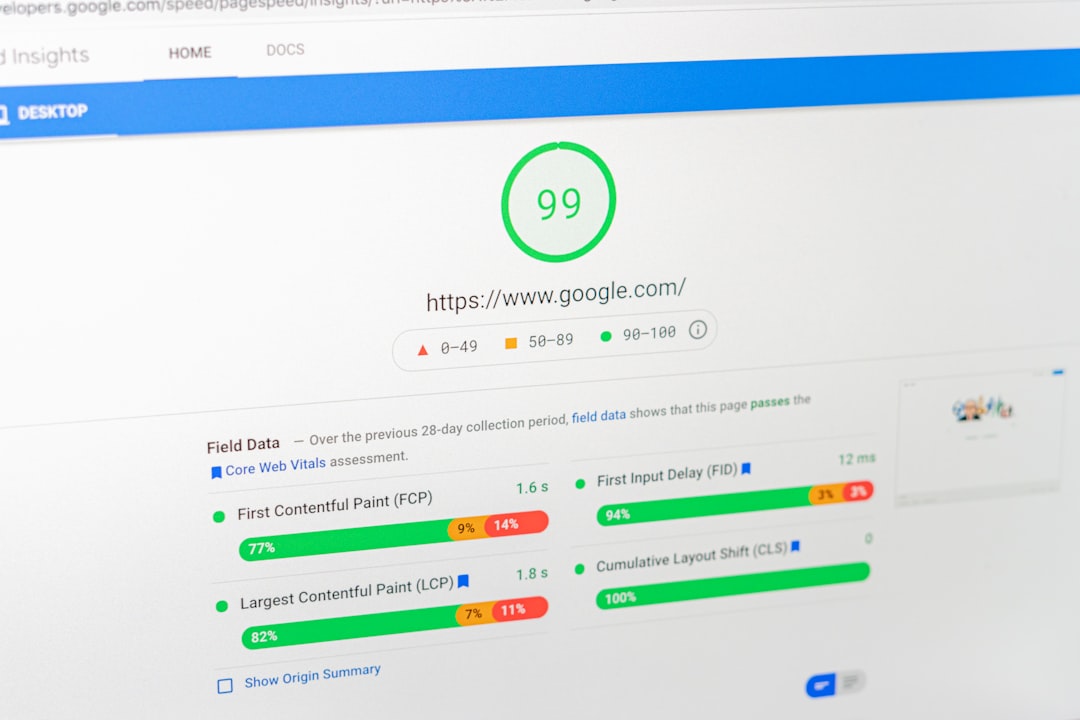
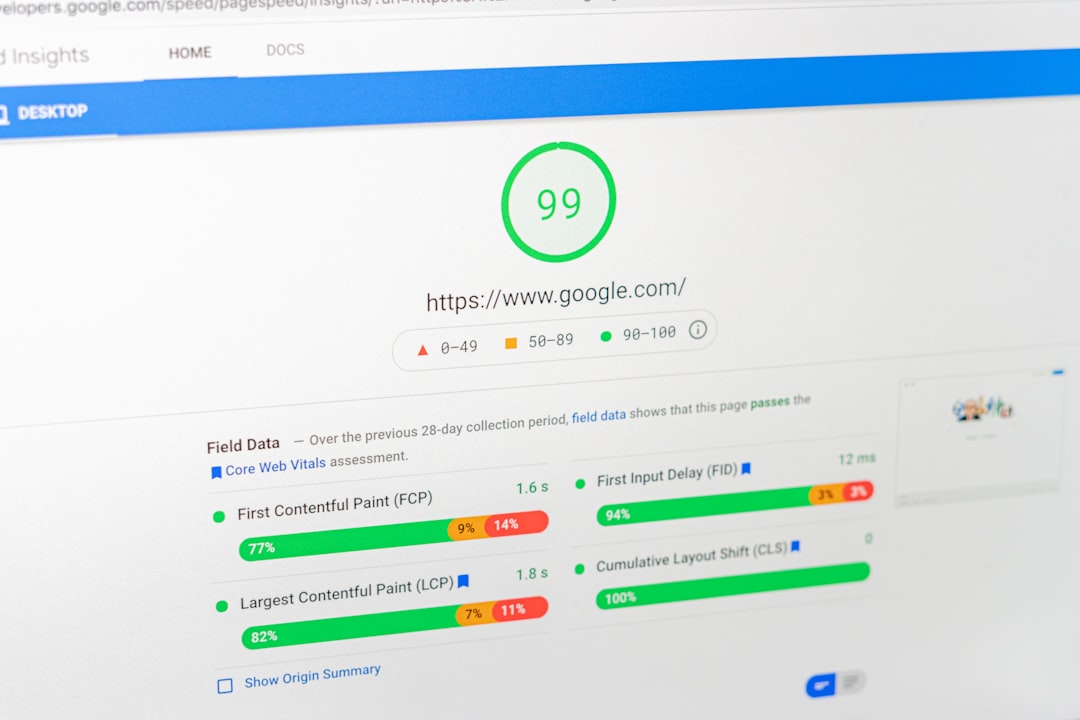
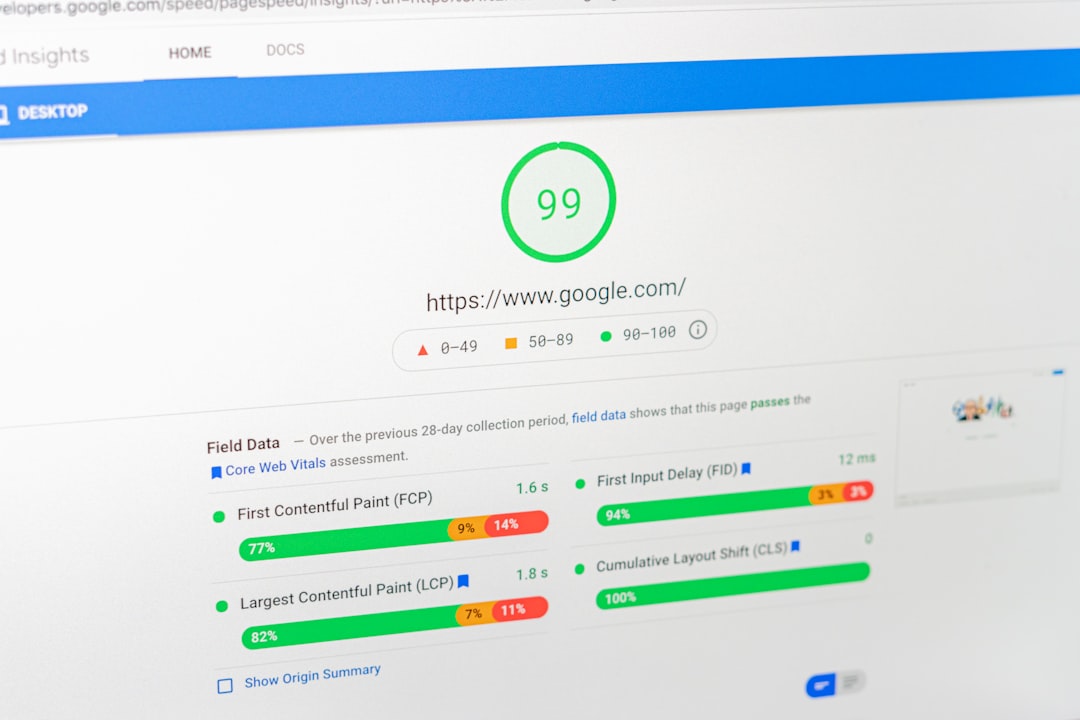
You do not need a perfect score. The goal is a site that loads cleanly, is easy to use, and sends consistent signals about which pages matter most.
What beginners should ignore for now
Some SEO tasks matter later, but they should not distract you from the fundamentals. If your indexing, titles, structure, and internal links are weak, adding more schema types or obsessing over every plugin recommendation will not solve the deeper problem.
Ignore the pressure to make every score green. Ignore the urge to install extra tools just because they promise automation. Focus on a simple structure, helpful pages, and consistent signals instead.
A simple beginner order of operations
The easiest way to learn WordPress SEO is to work in the right order. Fix the issues that block visibility before the issues that polish visibility. That approach saves time and prevents a lot of beginner frustration.
| Step | Focus |
|---|---|
| 1 | Make sure search engines can index the site |
| 2 | Use one SEO plugin and configure the basics |
| 3 | Write strong page titles and clear headings |
| 4 | Improve internal links between important pages |
| 5 | Publish useful content that matches search intent |
When to get help
If you have covered the basics and your site still is not gaining traction, the issue is usually not effort. It is prioritization. A second set of eyes can often find the bottleneck much faster than another round of plugin changes or random content updates.
Book a free SEO consultation with WordPress SEO Expert. No pitch, no pressure. Just an honest look at what your site actually needs and whether your current setup is part of the solution or part of the problem.
Contact WordPress SEO Expert today to schedule a consultation if you want a practical plan for getting your WordPress SEO basics right without overcomplicating the process.