
Flat traffic does not always mean your WordPress SEO setup is failing. More often, it means you are measuring the wrong signals or looking at them in the wrong order. The goal is not to chase plugin scores. The goal is to see whether your setup helps Google crawl the right pages, understand them clearly, and earn more qualified clicks over time.
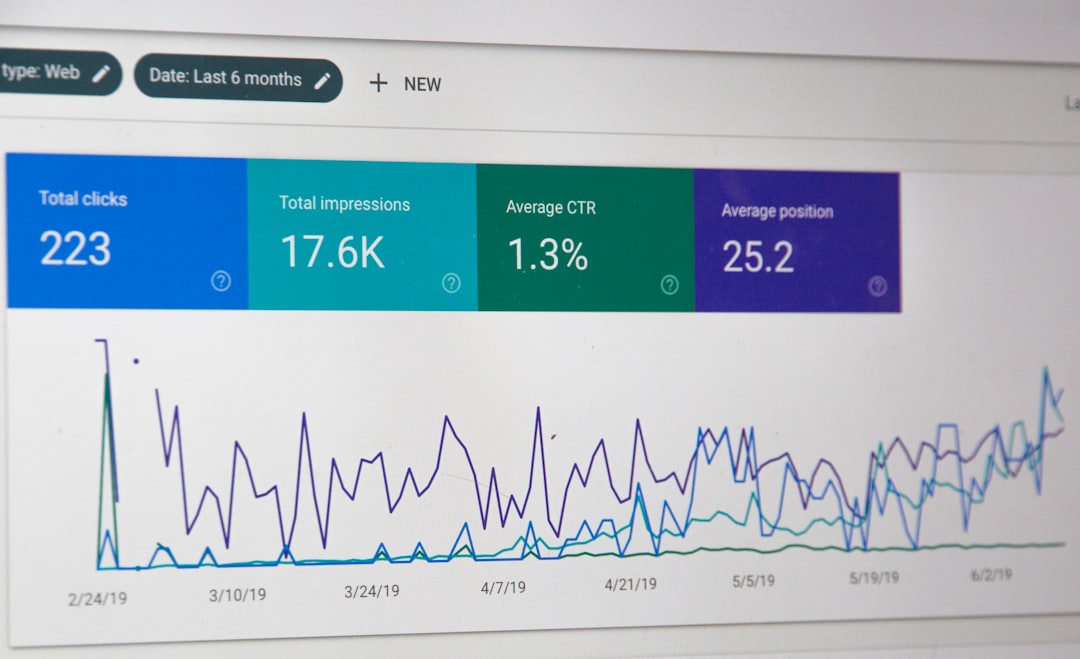
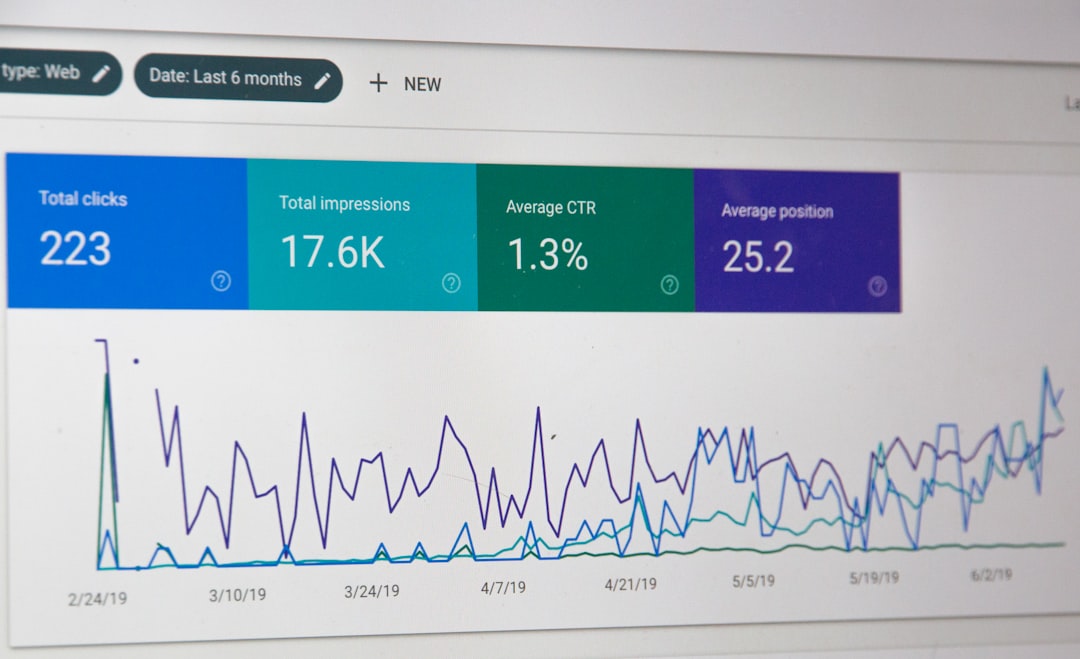
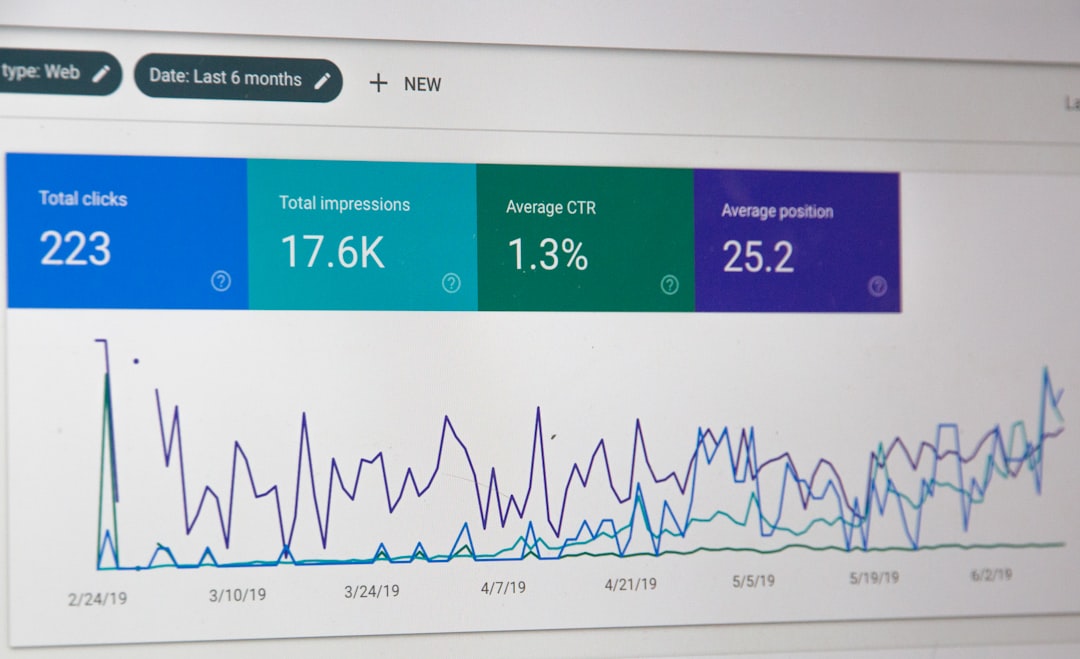
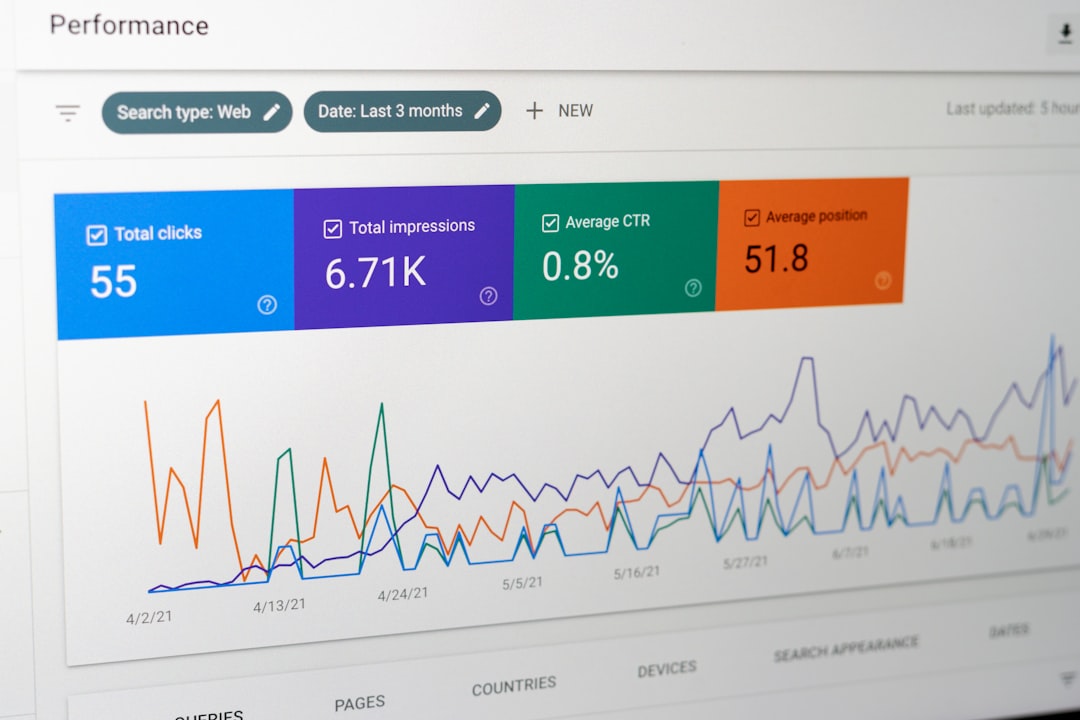
That is why performance measurement should start with visibility, not with green lights inside a plugin. Google Search Console gives you the clearest baseline: clicks, impressions, average CTR, and average position. From there, you can connect page-level indexing, internal linking, and speed signals to the pages that actually matter most.
Start With the Metrics That Matter
The fastest way to measure a WordPress SEO setup is to track whether your important pages are being indexed, shown, and clicked. If those three things are not improving, the setup needs work even if your plugin says everything looks fine.
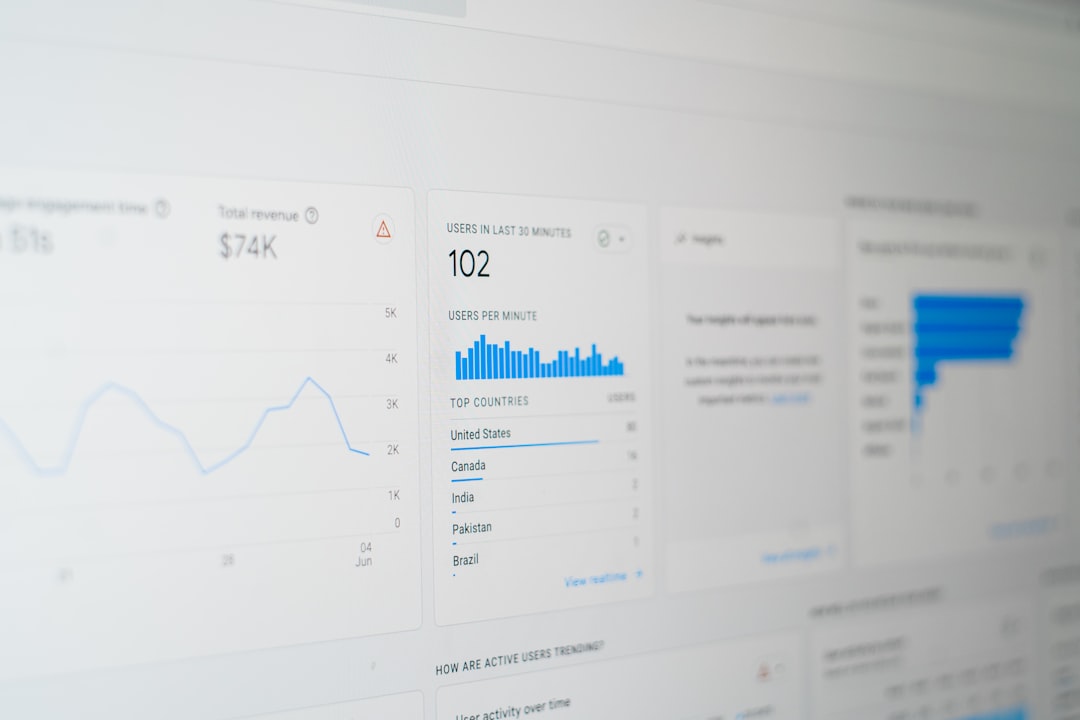
In Google Search Console, the Performance report shows clicks, impressions, average CTR, and average position. Those are the core SEO outcome metrics for most site owners. The Page indexing report shows whether Google can actually index the pages you want to rank. Together, these reports tell you far more than any plugin checklist can.
If you need a broader baseline before you measure changes, review our practical guide to WordPress SEO. If your setup already feels messy, this guide to fixing WordPress SEO setup problems will help you clean up the foundation first.
Measure Indexing Before Rankings

If key pages are not indexed properly, rankings and traffic data will mislead you. Measure whether Google can find and index your homepage, service pages, product pages, and top blog posts before you spend time analyzing small ranking shifts.
Use the Page indexing report in Google Search Console to check which URLs are indexed and which are excluded. Then use URL Inspection on individual pages if something important is missing. This is especially important after redesigns, migrations, plugin changes, or WooCommerce catalog updates, when pages can quietly fall out of the index.
Most site owners do not have one catastrophic problem. They have a stack of smaller issues that compound over time. A page blocked by noindex, a weak internal link structure, and duplicate archive settings can all suppress performance at the same time.
Track Search Console Metrics by Page Type
Do not measure the whole site as one lump. Break performance down by page type so you can see whether the issue is with blog content, service pages, WooCommerce categories, or product pages.
A simple structure works well. Group your measurement around homepage, primary service pages, key category pages, top blog posts, and any revenue-driving landing pages. Compare each group month over month for clicks, impressions, CTR, and average position. That makes it easier to spot whether your setup problem is sitewide or isolated to one section.
| Metric | What it tells you | What to watch for |
|---|---|---|
| Impressions | How often your page appears in search | Low or falling visibility on important pages |
| Clicks | How much search traffic reaches the page | Flat clicks despite rising impressions |
| Average CTR | How often searchers choose your result | Weak titles or mismatched intent |
| Average position | General ranking trend for the top result | Slow decline across key pages |
| Indexing status | Whether Google can include the page in search | Important pages excluded or not indexed |
Use CTR to Evaluate Titles and Snippets
If impressions are healthy but clicks are weak, your setup may be sending poor relevance signals in titles and descriptions. CTR is one of the clearest ways to see whether your search snippet is doing its job.
Google recommends descriptive, concise title text and warns against keyword stuffing or repetitive boilerplate. That matters because many WordPress sites still use generic templates that repeat the site name or stuff multiple variations into the title. A green light in an SEO plugin does not mean the page deserves to rank, and it definitely does not mean the title is compelling enough to win the click.
| Weak title | Stronger title |
|---|---|
| SEO Services | SEO Company | SEO Expert | WordPress SEO Services for Small Businesses |
| Blog | How to Measure WordPress SEO Performance |
| Technical SEO | Technical SEO Checks for WordPress Sites |
If impressions rise but CTR stays weak, review title tags first, then meta descriptions, then search intent. If you are experiencing these symptoms, our team at WordPress SEO Expert can help.
Measure Internal Link Support

Important pages often underperform because they are under-supported, not because they are badly written. Internal links help Google discover pages, understand hierarchy, and connect informational content to the pages that drive leads or sales.
Check whether each important page is linked from related posts, category pages, and core navigation paths. If a page has impressions but weak rankings, and it is barely linked internally, the setup may be failing to reinforce that page’s importance. This is a common issue on sites with scattered publishing and no clear content map.
For example, a post about setup issues should naturally support a post about measurement, and both should connect back to relevant service or strategy pages. That is one reason we recommend reading our guide on fixing setup problems alongside our practical WordPress SEO guide when diagnosing stalled performance.
Watch Speed and Experience as Support Metrics
Speed matters, but it should be treated as a support layer, not the only performance score that matters. Measure whether your key templates load cleanly and whether Search Console flags ongoing experience issues before you obsess over perfect lab scores.
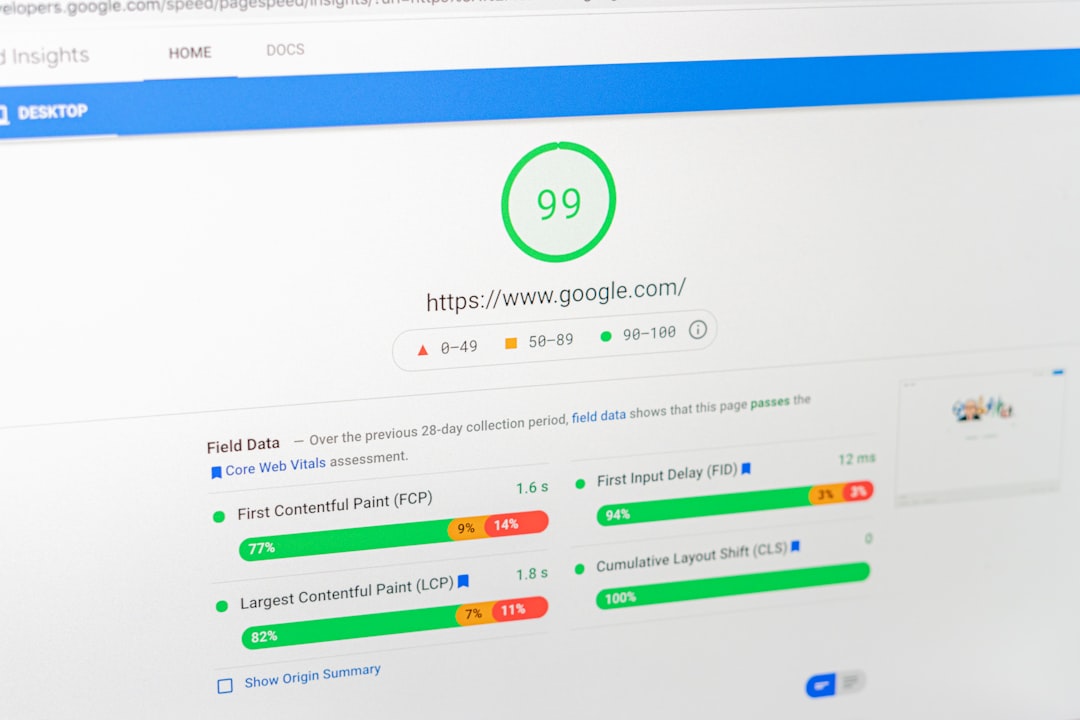
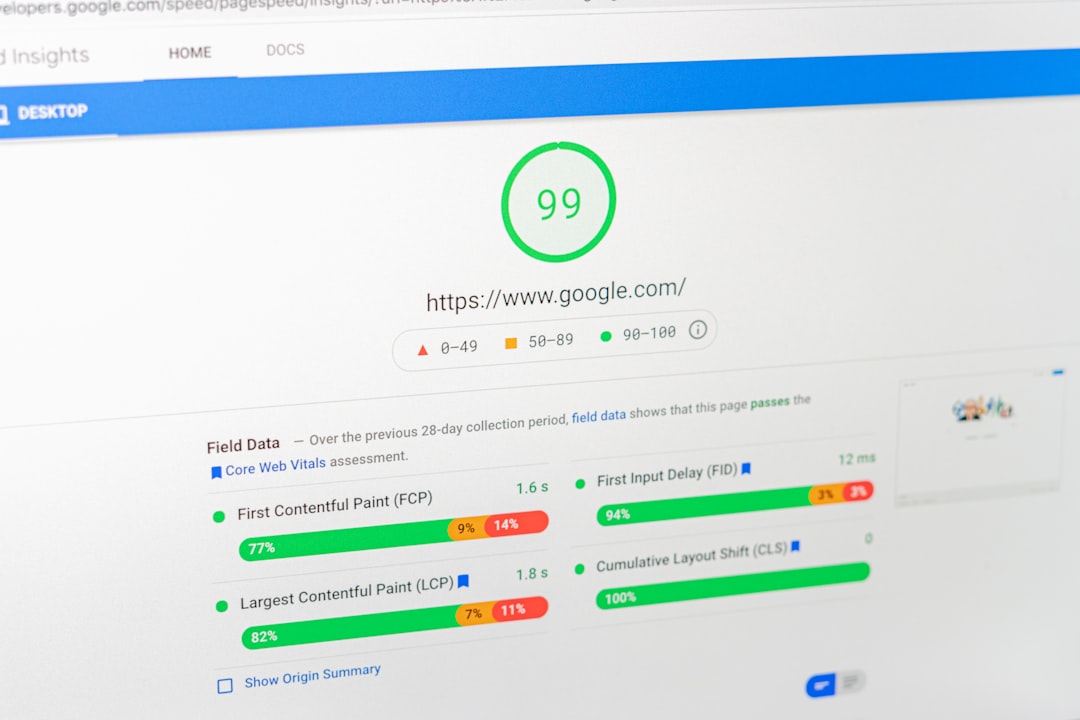
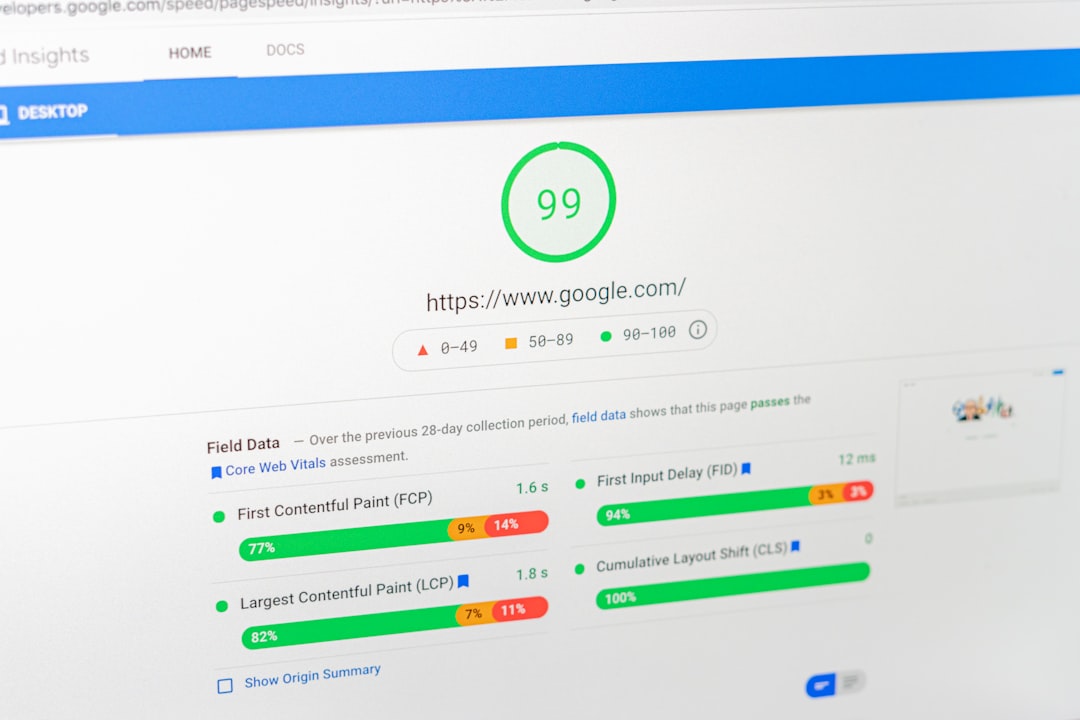
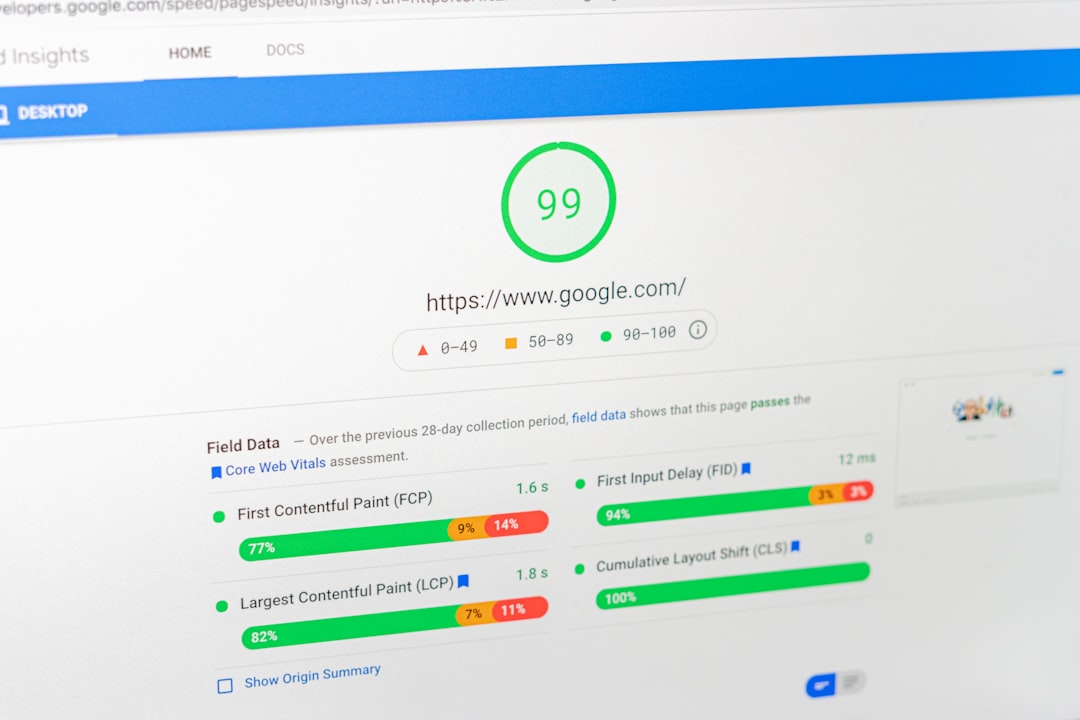
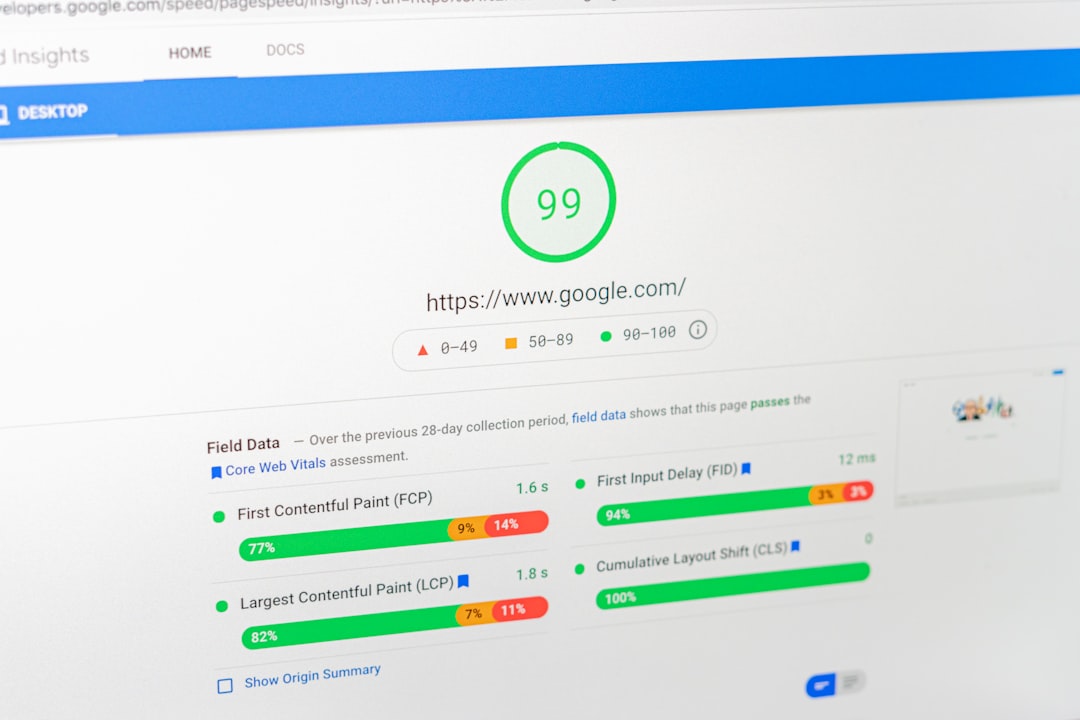
Use PageSpeed Insights and the Core Web Vitals reporting available through Google tools to review your homepage, a service page, a product or category page, and a blog post separately. These templates often perform differently. A site that looks fine on the homepage can still have bloated product pages or builder-heavy service pages that slow down real users.
You do not need a perfect score. The goal is a site that loads cleanly, is easy to use, and sends consistent signals about which pages matter most.
Build a Simple Monthly SEO Scorecard

The best measurement system is simple enough to repeat every month. Track a small set of leading and lagging indicators so you can see whether changes in your setup are improving visibility or just creating more noise.
A practical scorecard should include indexed key pages, clicks, impressions, CTR, average position for top pages, and notes on any major changes such as plugin removals, redirect fixes, title rewrites, or archive noindex updates. Keep it simple enough that you will actually maintain it.
| Area | What to record monthly |
|---|---|
| Indexing | Any important pages excluded, newly indexed, or losing coverage |
| Visibility | Impressions for top pages and page groups |
| Traffic | Clicks from Google Search to key pages |
| Snippet performance | CTR changes after title or description edits |
| Ranking trend | Average position changes for priority queries and pages |
| Technical changes | Plugin changes, redirects, canonical fixes, archive settings |
What Good Performance Usually Looks Like
A healthy WordPress SEO setup usually shows gradual improvement in index stability, impressions, and qualified clicks on important pages. It does not always mean every metric rises at once. In many cases, impressions improve first, then CTR and clicks improve after title, intent, and internal link adjustments.
That is why context matters. If impressions are rising, indexing is stable, and your most important pages are getting more visibility, the setup may be working even before traffic jumps dramatically. If nothing is moving for months, or visibility keeps shifting to low-value pages, the setup likely needs a sharper strategy and cleaner technical controls.
What to Stop Measuring
Some metrics create more confusion than clarity. Stop treating plugin readability lights, keyword density checks, and inflated all-in-one SEO scores as proof that your setup is strong.
One well-configured SEO plugin is enough. Running overlapping plugins often creates duplicate metadata, conflicting canonicals, and competing sitemap outputs. Measure outcomes in search, not cosmetic scores in the dashboard.
When to Get Help
If your rankings are flat and you are not sure whether the real problem is indexing, duplication, weak targeting, or plugin clutter, outside diagnosis can save a lot of wasted effort. The point of measurement is to make better decisions, not to drown in reports.
WordPress SEO Expert can help you figure out what your setup is actually doing, what it is failing to do, and what to fix first. Book a free SEO consultation. No pitch, no pressure. Just an honest look at what your site actually needs and whether your current setup is part of the solution or part of the problem.
Contact WordPress SEO Expert today to schedule a consultation if you want a practical measurement plan tied to the pages and problems that matter most.