
WordPress SEO setup does not need to be complicated. Most flat rankings come from a scattered setup, not from one missing tool. If your site already has an SEO plugin, some content, and a few optimizations in place, the next win is usually better prioritization rather than more features.
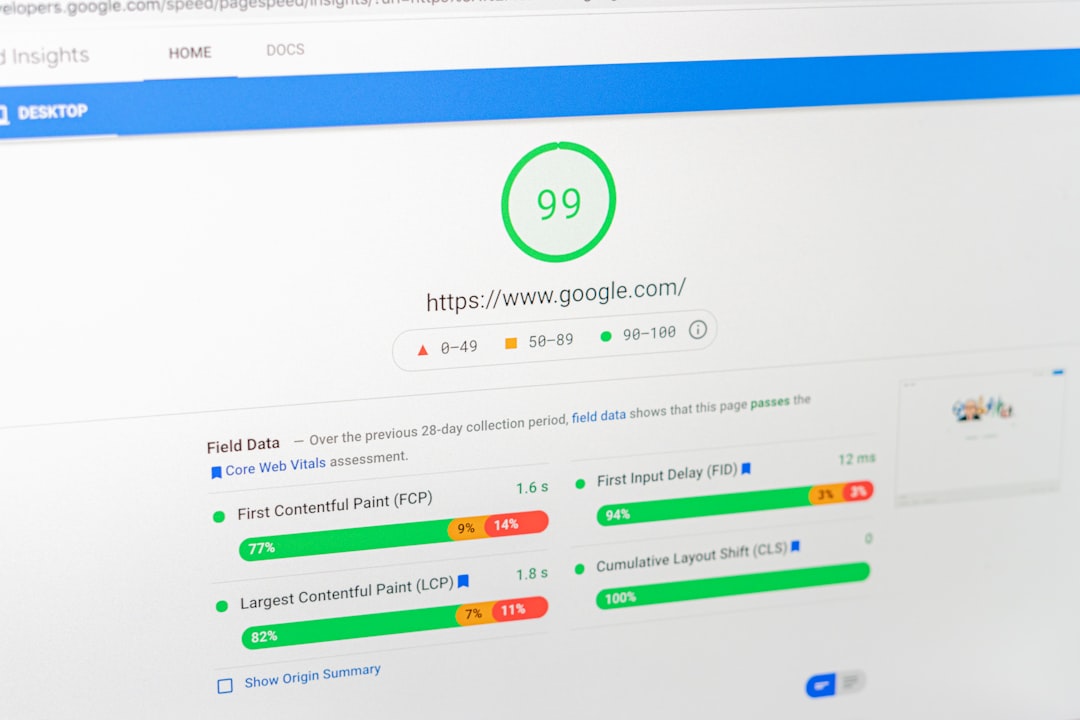
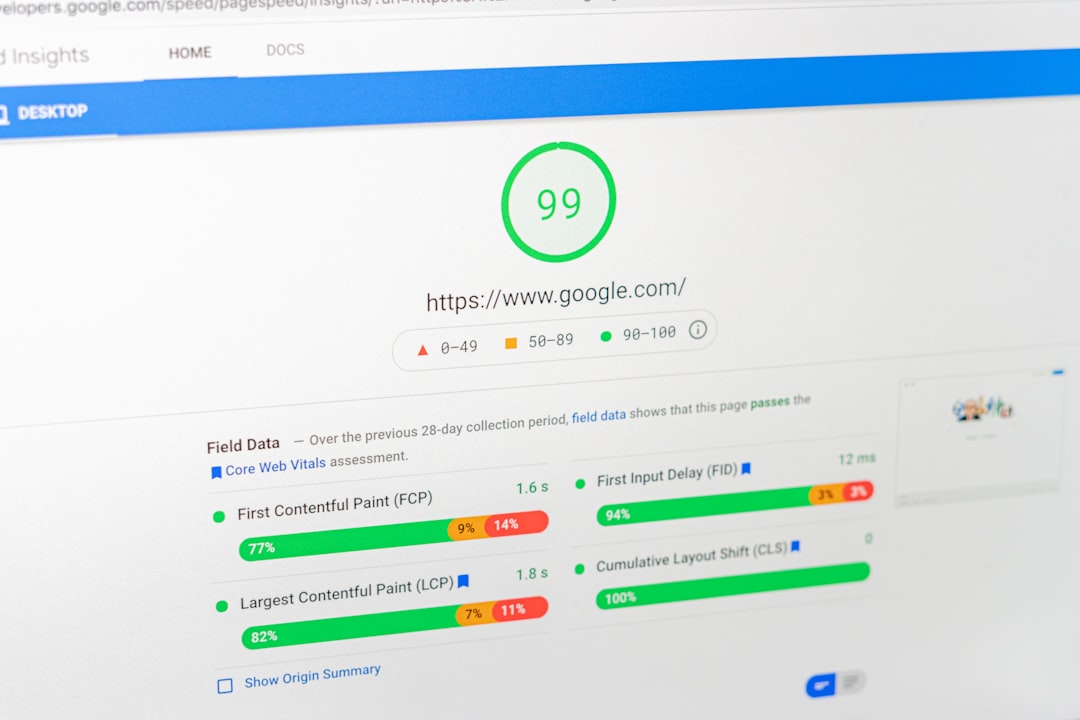
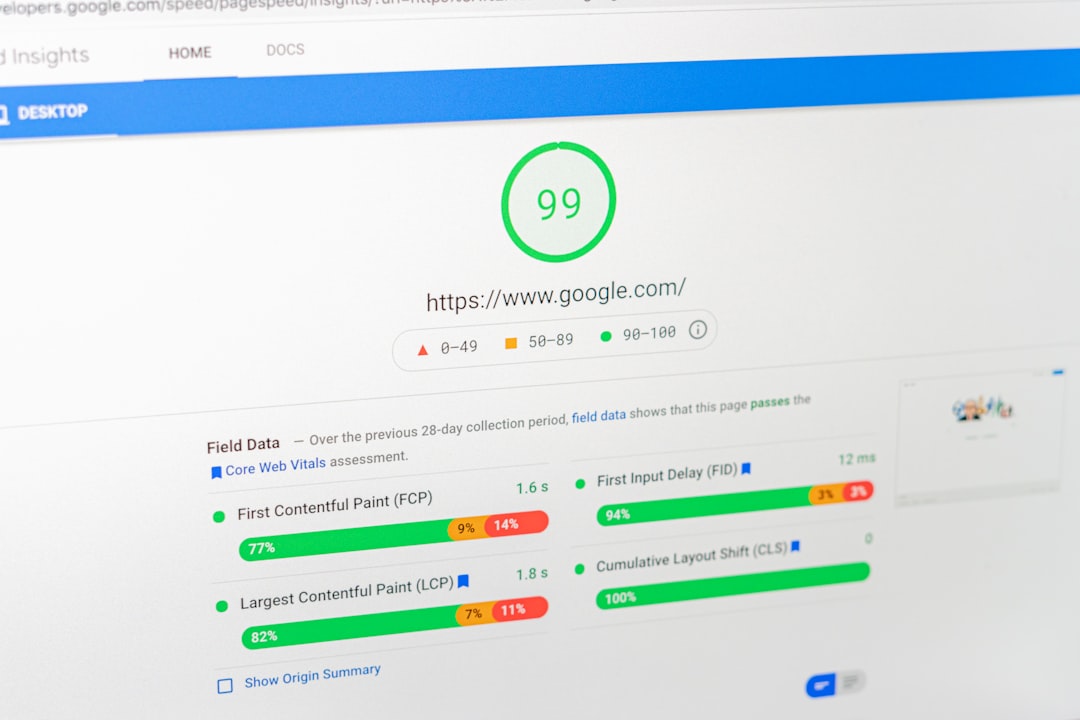
A green light in an SEO plugin does not mean the page deserves to rank. What matters more is whether search engines can crawl the right pages, whether your titles clearly describe what each page offers, and whether your site sends consistent signals about which URLs matter most. If you want a deeper look at common configuration problems, consider reviewing common configuration problems on this site.
What is a simple WordPress SEO setup?
A simple WordPress SEO setup means using one well-configured plugin, keeping important pages crawlable, writing clear titles, and avoiding duplicate or low-value pages. The goal is not a perfect score. The goal is a site that is easy to understand for both users and search engines.
Most site owners do not have one catastrophic problem. They have a stack of smaller issues that compound over time. That is why the cleanest setup is usually the one with fewer plugins, clearer defaults, and less clutter across archives, attachments, and thin tag pages.
Start with one SEO plugin

One well-configured SEO plugin is enough for most WordPress sites. Running overlapping plugins often creates duplicate metadata, conflicting canonicals, and competing sitemap outputs that make troubleshooting harder than it should be.
If your site has Yoast, Rank Math, or another major SEO plugin already installed, keep the one you can manage confidently and remove overlapping SEO tools. Plugin simplicity is usually more valuable than a long feature list. If you are still comparing options, a side-by-side comparison of the two can help you make a cleaner choice.
Focus these plugin settings first
The first settings that matter are titles, meta descriptions for key pages, XML sitemap status, and indexing rules for archives and attachments. Fix the issues that block visibility before the issues that polish visibility.
| Setting | What to do |
|---|---|
| Title templates | Keep them readable and specific to the page type |
| Meta descriptions | Write custom descriptions for your most important pages first |
| XML sitemap | Make sure it is enabled and includes pages you want indexed |
| Archive rules | Review categories, tags, author pages, and attachment pages |
| Canonical settings | Check that the preferred version of each page is clear |
Check crawlability before you edit content
If search engines cannot crawl or index the right pages, better writing alone will not fix the problem. Before changing copy, check whether your important pages are visible, linked internally, and included where they should be.
Look for accidental noindex settings, pages buried too deep in the site, and key service or product pages that are technically live but poorly connected. Simple internal links from relevant pages often do more good than adding another optimization plugin.
Write clear titles, not stuffed titles

Your page title is one of the clearest signals you control. Keep it descriptive, concise, and specific to the page. Titles should help users understand what they will get, not repeat awkward keyword variations.
This is where many WordPress setups drift off course. Site owners follow plugin prompts, add extra words, and end up with titles that sound forced. Cleaner titles usually create stronger relevance and a better user signal.
| Weak title | Stronger title |
|---|---|
| SEO Services | SEO Company | SEO Expert | WordPress SEO Services for Small Businesses |
| Blog | WordPress SEO Setup Explained Simply |
| Best SEO Plugin, SEO Plugin, WordPress SEO Plugin | How to Choose a WordPress SEO Plugin |
Use meta descriptions as support, not a shortcut
Meta descriptions help shape how a page is summarized in search, but they do not rescue weak targeting or indexing problems. Write them for your homepage, service pages, category pages, and best posts before you worry about every low-value archive.
Keep them clear and useful. A short summary that matches the page is more valuable than squeezing the keyword into every sentence. The purpose is to support clicks from the right visitor, not to game rankings.
Clean up duplicate and low-value pages
Duplicate URLs and thin archive pages quietly weaken many WordPress sites. Attachment pages, unnecessary tag archives, filter URLs, and inconsistent page versions can all create mixed signals if they are left unmanaged.
Decide which pages deserve visibility and reduce the rest. That may mean noindexing low-value archives, redirecting outdated URLs, or simplifying category structures. If you want a broader framework for this cleanup work, review a broader WordPress SEO best practices framework.
If you are experiencing these setup problems, our team at WordPress SEO Expert can help. We look at whether the real issue is indexing, duplication, weak targeting, or plugin clutter before recommending changes.
Build internal links with intent
Internal linking should help search engines and users understand which pages matter most. Link related posts to service pages, connect overlapping topics, and make sure your most valuable pages are not isolated.
Think in pathways, not random links. A post about setup should naturally connect to content about plugin choices, technical fixes, and broader best practices. That creates a stronger site structure and makes your content easier to discover and trust.
A simple order of operations
The easiest way to avoid wasted effort is to follow a short sequence. Start with the problems that block visibility, then move to the improvements that refine visibility. This keeps you from rewriting pages while bigger technical issues are still holding the site back.
| Priority | What to fix first |
|---|---|
| 1 | Search visibility and crawl access |
| 2 | Single SEO plugin setup |
| 3 | Title tags for key pages |
| 4 | XML sitemap and indexing rules |
| 5 | Duplicate URL and archive cleanup |
| 6 | Internal links to important pages |
| 7 | Meta description improvements |
What to stop doing
Stop treating plugin indicators as the goal. Stop stacking SEO plugins. Stop publishing thin near-duplicate pages because the keyword wording is slightly different. These habits create clutter faster than they create results.
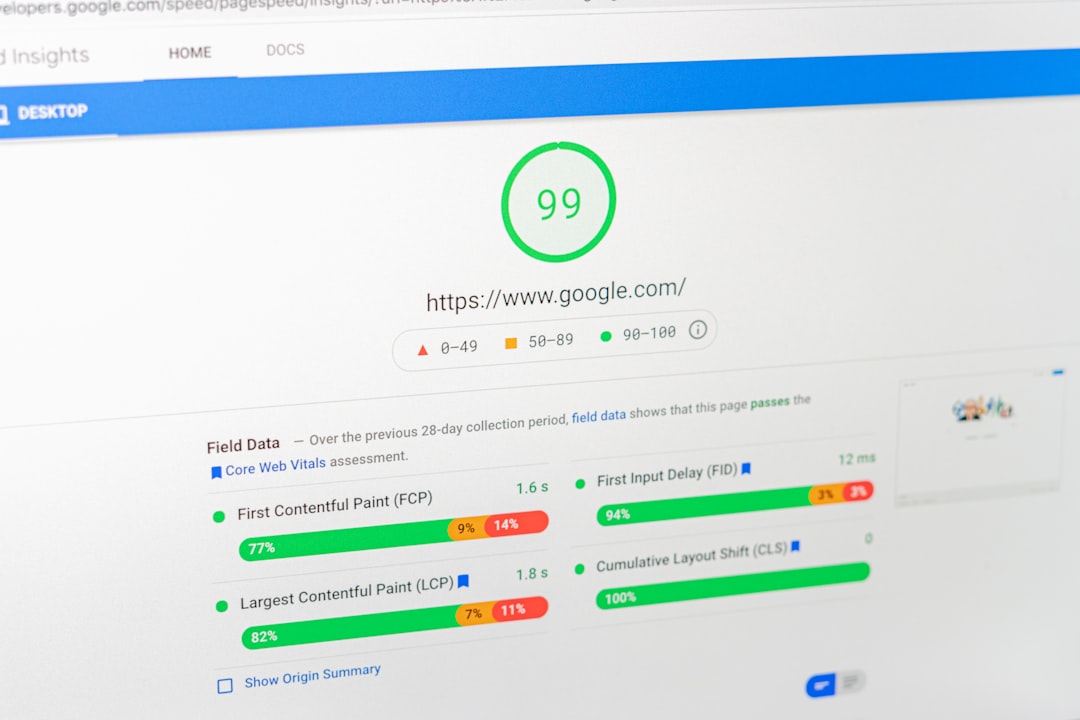
You do not need a perfect score. You need a site that loads cleanly, is easy to use, and sends consistent signals about which pages matter most. That usually comes from simplification, not from adding more settings.
When simple setup is not enough
If your setup looks clean but rankings are still flat, the issue is often prioritization rather than effort. A second set of eyes can usually tell whether the bottleneck is technical SEO, weak page targeting, or an internal linking problem that has gone unnoticed.
Book a free SEO consultation with WordPress SEO Expert. No pitch, no pressure. Just an honest look at what your site actually needs and whether your current setup is part of the solution or part of the problem.
Contact WordPress SEO Expert today to schedule a consultation if you want a practical plan for simplifying your WordPress SEO setup and fixing the issues that matter first.