Setting up SEO properly from the beginning can make a WordPress website easier for search engines to crawl, understand, and index. A good SEO setup also creates a stronger foundation for future content and organic growth.
The process does not require changing every setting at once. The goal is to establish the basics first and then build on them as the website grows.
Start With a Clear Website Structure
Before focusing on keywords, make sure the website itself is organized logically.
A typical business website might include:
- Home
- About
- Services
- Individual service pages
- Blog
- Contact
Each important page should have a clear purpose. Avoid creating several pages that target almost exactly the same topic unless there is a genuine reason for having them.
A simple structure also makes navigation easier for visitors.
Choose a Search-Friendly URL Structure
WordPress allows you to configure permalinks from the dashboard.
Use URLs that are short and descriptive. For example:
/wordpress-seo-services/
is clearer than a URL containing random numbers or unnecessary parameters.
If an existing website already has established URLs, avoid changing them without a proper redirect plan.
Make Sure HTTPS Is Enabled
Your website should use HTTPS rather than an unsecured HTTP connection.
After enabling HTTPS, check that important pages, images, scripts, and internal links are not still pointing to insecure versions.
Also make sure the preferred version of your domain is consistent.
Configure Search Engine Visibility
WordPress includes a setting that can discourage search engines from indexing the site.
This can be useful during development, but it should be reviewed carefully before launching a website.
After launch, verify that important pages are available for indexing and check their status through Google Search Console.
Install and Configure One SEO Plugin
An SEO plugin can make common optimization tasks easier.
Depending on your setup, an SEO plugin may help manage:
- Page titles
- Meta descriptions
- XML sitemaps
- Canonical settings
- Social metadata
- Basic schema options
Avoid running multiple SEO plugins that perform the same functions. Overlapping settings can create conflicts and unnecessary complications.
Set Up Google Search Console

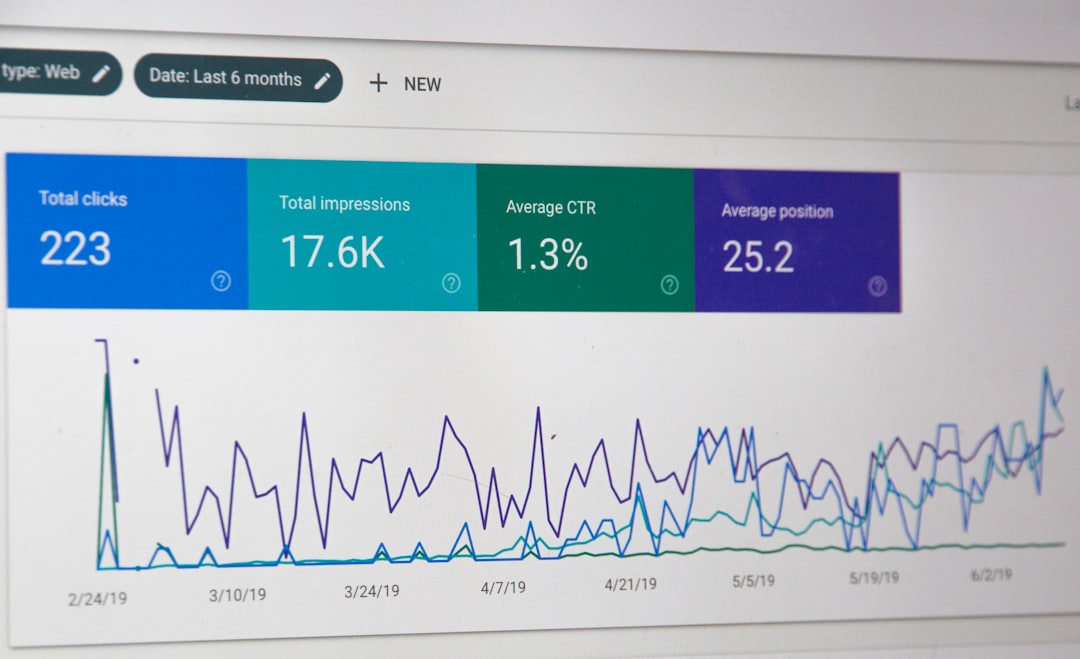
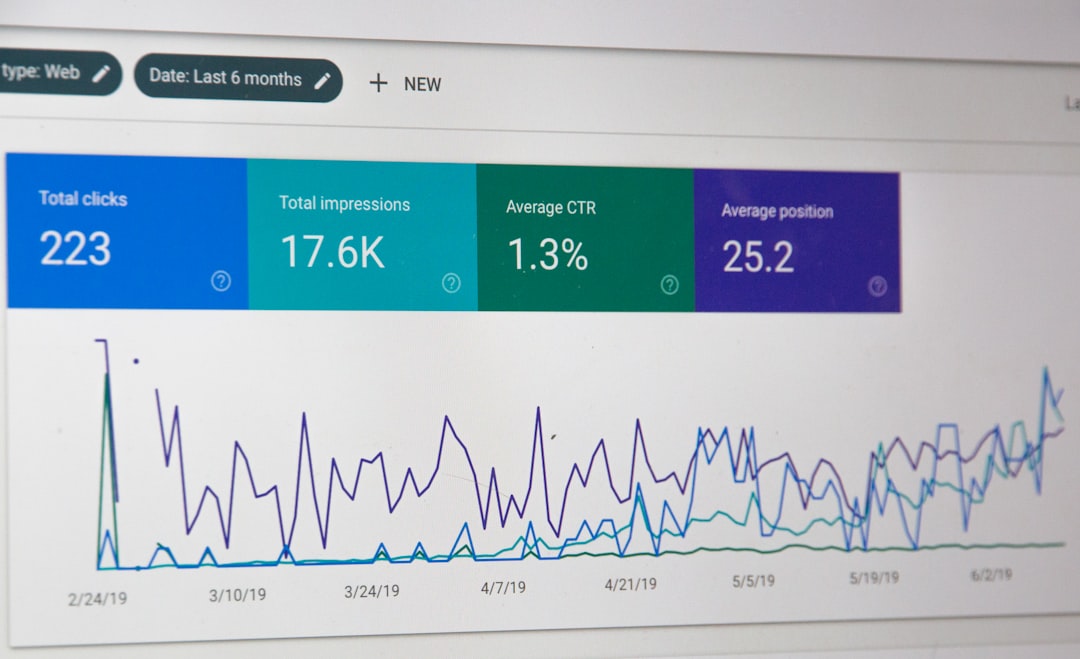
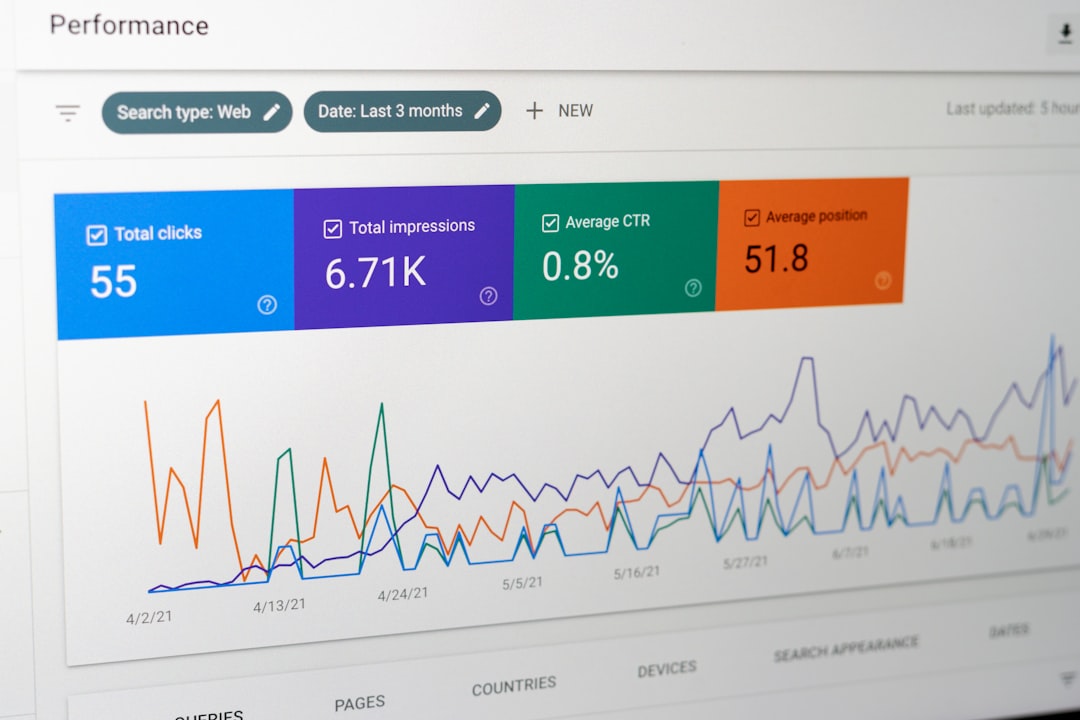
Google Search Console is an important part of an SEO workflow.
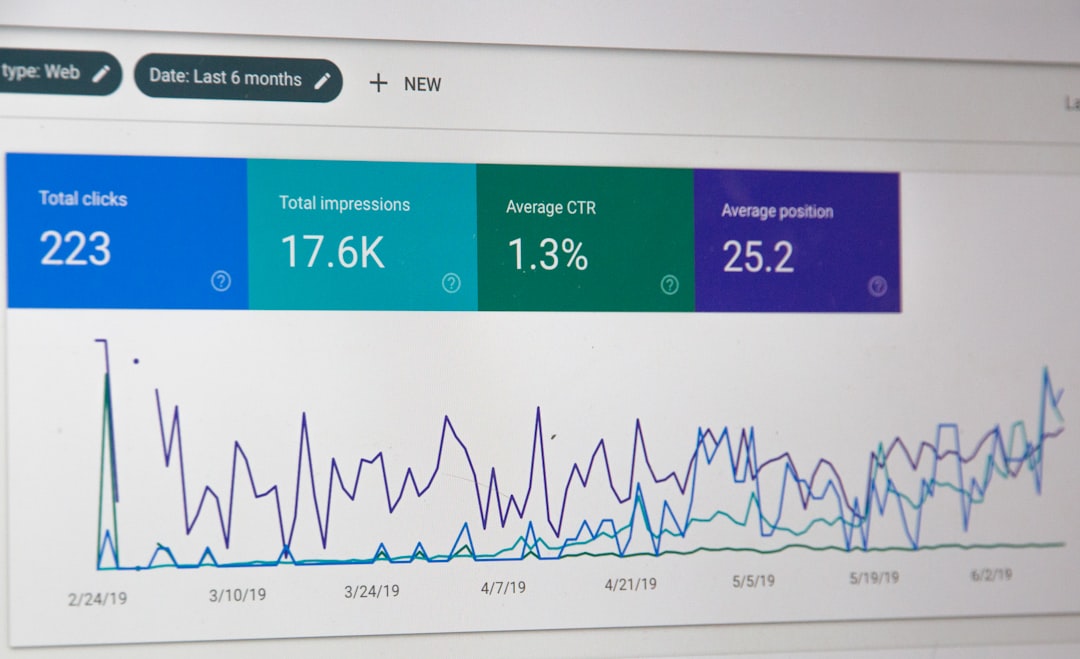
Once the website is verified, you can monitor:
- Search queries
- Impressions
- Clicks
- Average position
- Indexing information
- Sitemap status
- Certain technical issues
Submit the site’s XML sitemap when appropriate and monitor it for errors.
Create Useful Page Titles
Every important page should have a unique, descriptive title.
The title should clearly communicate the subject of the page and naturally reflect its primary topic.
Avoid repeating the same title across multiple pages or filling titles with several variations of the same keyword.
Organize Headings
Use headings to create a logical content structure.
Generally:
- H1 = main page topic
- H2 = major sections
- H3 = supporting sections
A clear heading structure improves readability and helps visitors quickly understand a page.
Optimize Images
Before uploading images, consider their dimensions and file size.
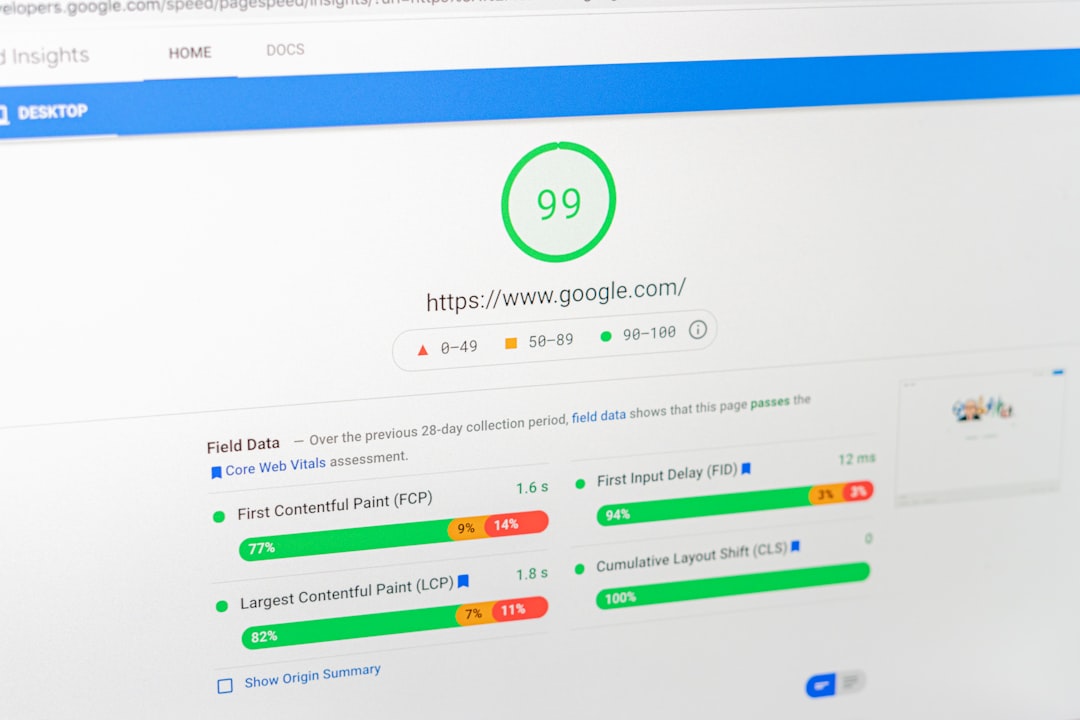
Large, unnecessary images can increase page weight and slow down loading.
Use descriptive filenames and appropriate alt text for images that provide meaningful information. Alt text should describe the image rather than act as a list of keywords.
Build Internal Links
Internal links should be part of the setup from the beginning.
Connect related pages so users and search engines can discover important content more easily.
For example, a service page about WordPress SEO can link to relevant articles about technical SEO, keyword research, or website audits.
Check Mobile Experience
Test the website on phones and tablets.
Look at:
- Navigation
- Font size
- Buttons
- Images
- Forms
- Menus
- Page spacing
A responsive theme is helpful, but individual pages should still be tested after publishing.
Create an Ongoing SEO Process
SEO setup is only the starting point. After launch, continue monitoring performance, publishing useful content, fixing technical issues, and improving existing pages.
For websites that depend heavily on organic traffic, a WordPress SEO expert can help establish a more detailed setup and prioritize technical and content improvements.
A strong setup gives your website a clean foundation. From there, consistent optimization and measurement can support long-term organic growth.