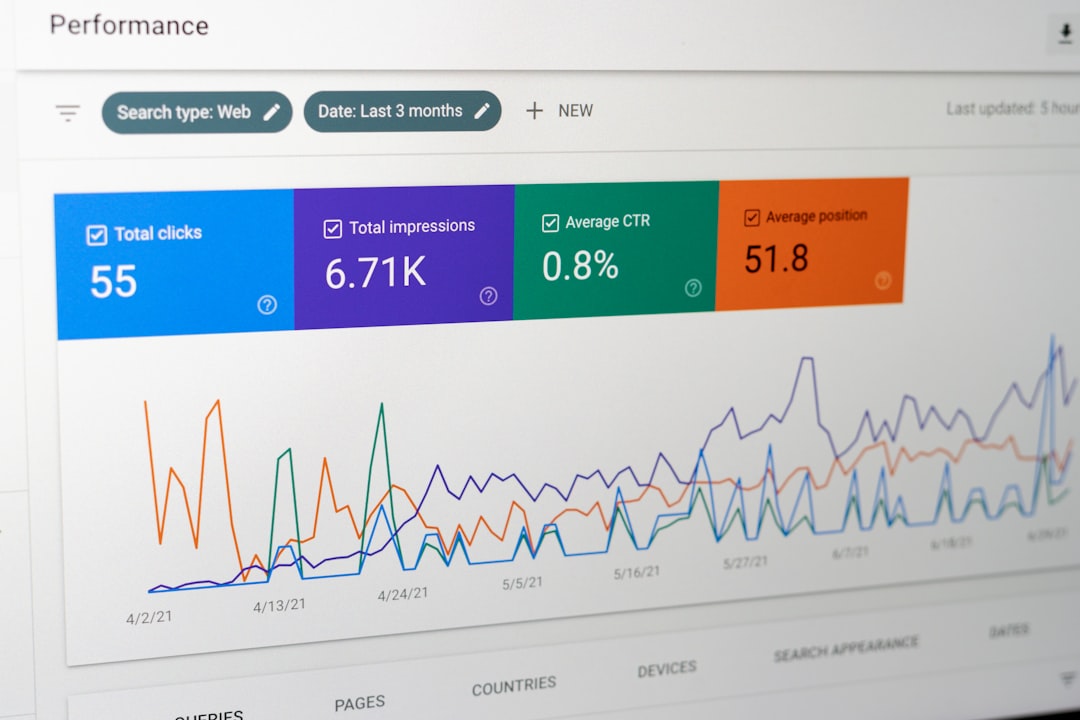

A clear SEO workflow makes WordPress optimization more organized and easier to manage. Instead of making random changes whenever rankings move, a structured process helps you identify problems, prioritize tasks, implement improvements, and measure the results.
Whether you manage one website or several, a consistent WordPress website SEO workflow can save time and reduce missed opportunities.
Step 1: Understand the Website
Start by learning what the website does and who it serves.
Identify:
- Main products or services
- Target audience
- Important locations
- Main competitors
- Business goals
- Existing content
SEO decisions should support the purpose of the website. A local service business will need a different strategy from an international ecommerce store.
Step 2: Perform an SEO Audit
Before changing anything, review the current website.
Check technical elements, content, links, page structure, indexing, mobile experience, and performance.
Look for problems such as:
- Broken links
- Slow pages
- Duplicate content
- Missing titles
- Incorrect indexing settings
- Poor internal linking
- Weak content
An audit creates a baseline and helps determine what should be fixed first.
Step 3: Research Keywords and Search Intent
Identify the searches relevant to the website’s audience.
Do not focus only on high-volume keywords. Consider relevance, competition, business value, and search intent.
Group related keywords around specific pages instead of trying to make one page rank for everything.
For example, a WordPress SEO business might have separate pages for:
- WordPress SEO services
- Local WordPress SEO
- Ecommerce WordPress SEO
- Technical SEO
- WordPress SEO audits
Step 4: Create or Improve the Site Structure
Organize pages logically.
Visitors should be able to move from broad topics to more specific information without confusion.
Use navigation menus, categories where appropriate, breadcrumbs when useful, and internal links to establish relationships between related pages.
Step 5: Optimize Important Pages
Work through priority pages one by one.
Review:
- Page titles
- H1 headings
- Subheadings
- Content
- URLs
- Images
- Internal links
- Meta descriptions
Make improvements that support the page’s actual purpose rather than adding keywords mechanically.
Step 6: Improve Technical Performance

Once the content structure is clear, address technical issues.
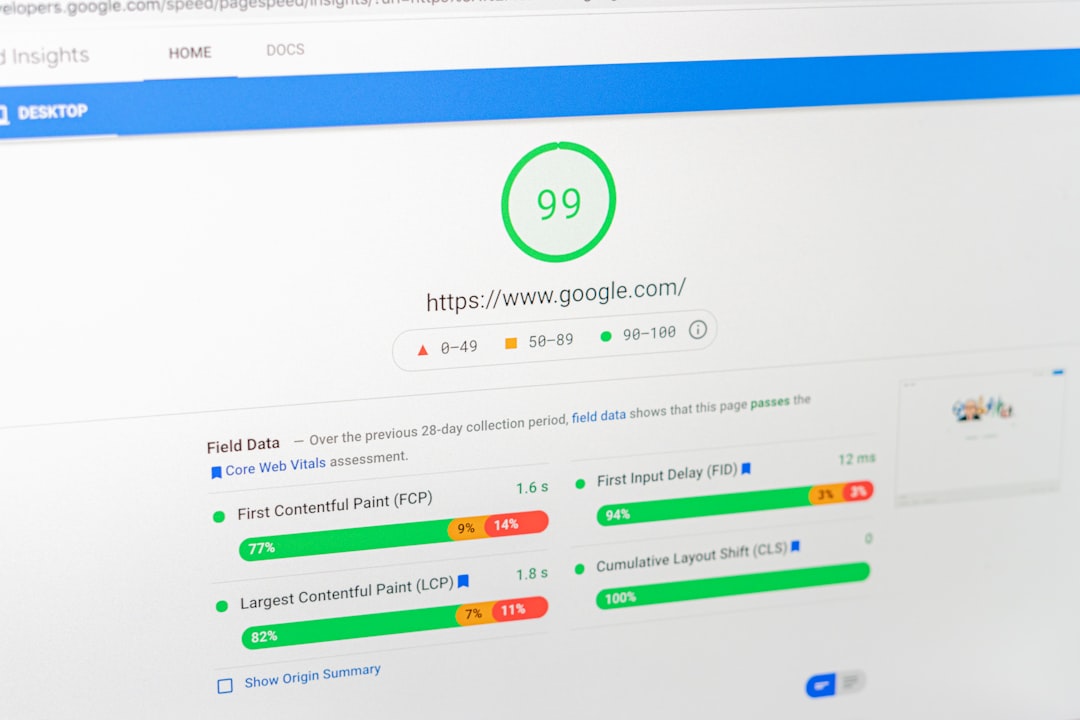
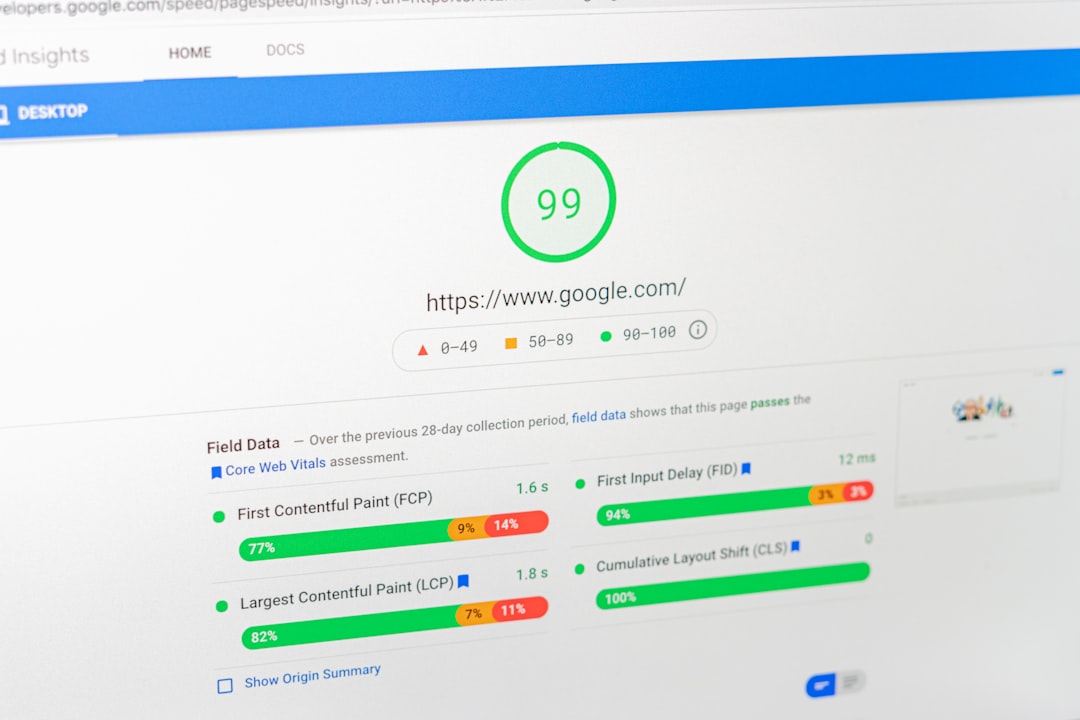
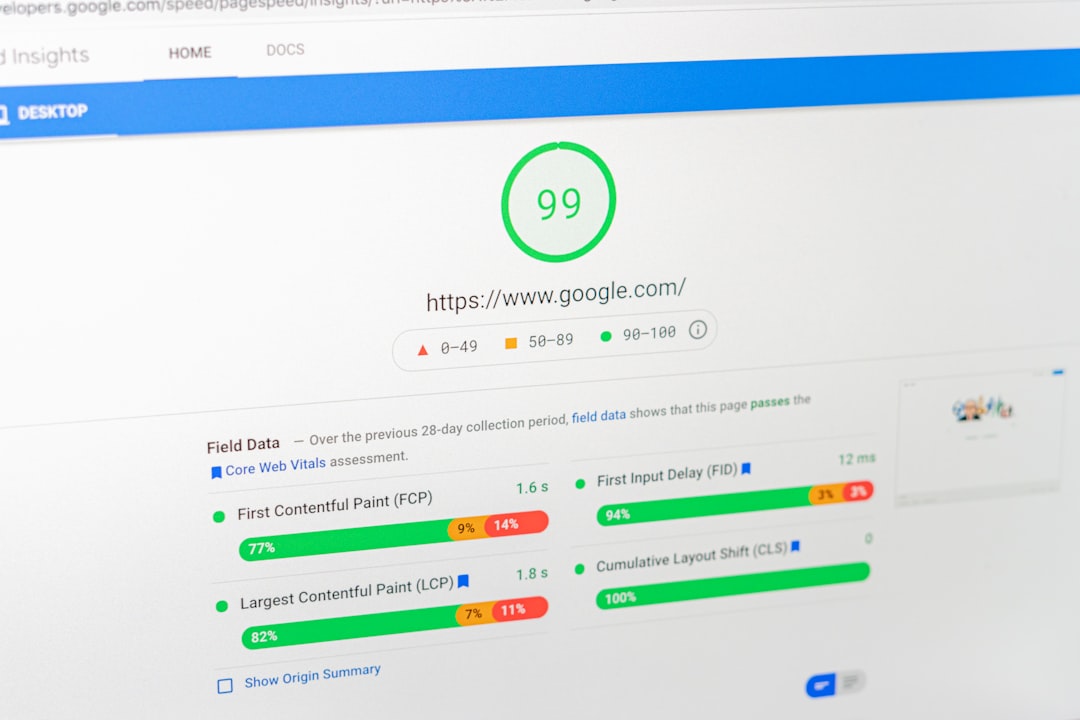
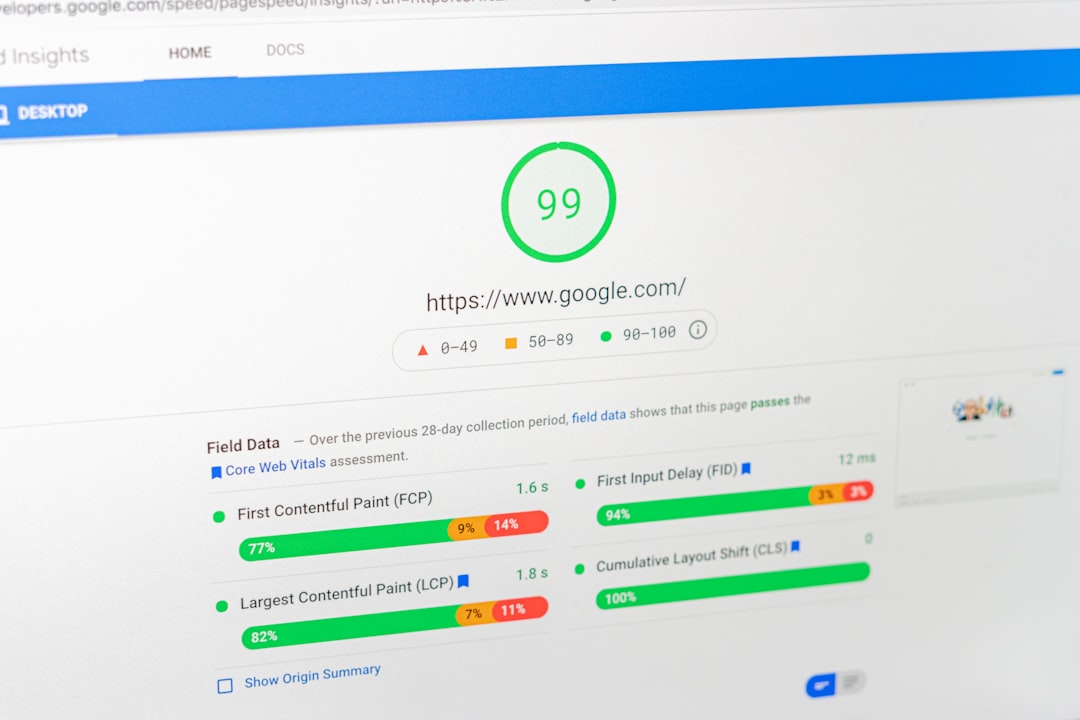
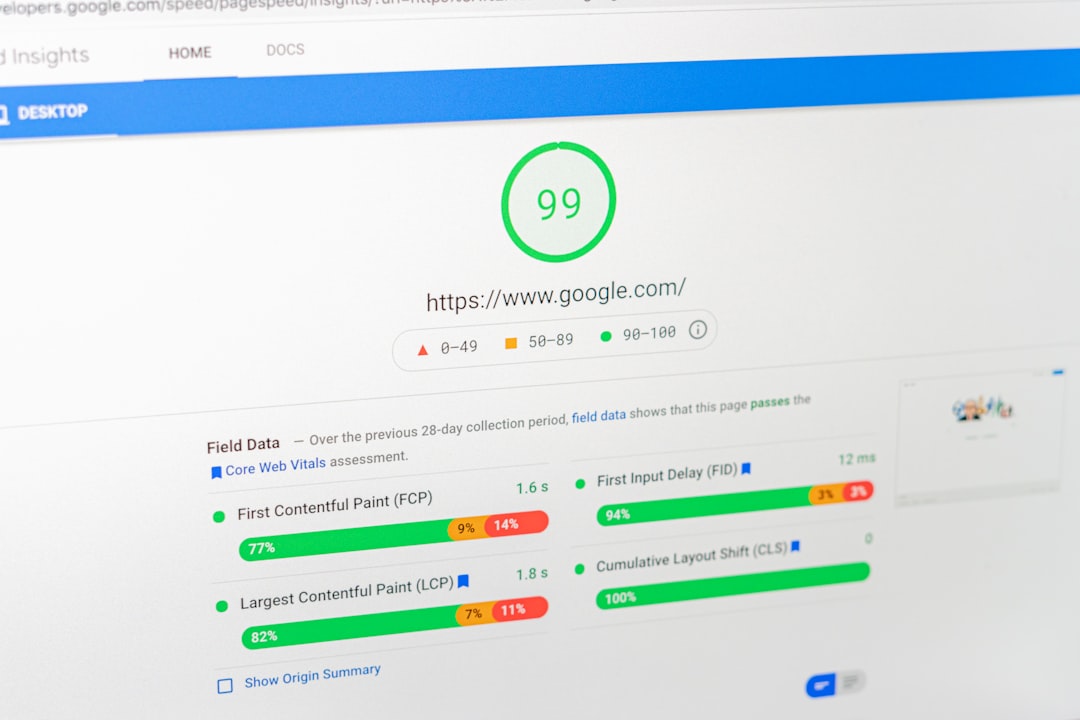
Check website speed, mobile usability, crawlability, redirects, indexing, XML sitemap configuration, and other relevant technical areas.
Fix high-impact issues first. There is little value in spending hours on minor technical details while important pages remain inaccessible or poorly optimized.
Step 7: Build Content Around Core Topics
Develop supporting content that answers related questions and expands the website’s topical coverage.
For example, a website targeting WordPress SEO could publish useful articles about:
- Keyword research
- On-page SEO
- Technical SEO
- Website speed
- Local SEO
- Internal linking
- SEO audits
Connect these articles to relevant service and category pages through natural internal links.
Step 8: Work on Authority and Links
After establishing a strong website foundation, focus on earning relevant external links.
Potential methods include useful resources, digital PR, expert contributions, partnerships, outreach, and content that other websites genuinely want to reference.
Avoid treating backlinks as a numbers game. Relevance and quality are important.
Step 9: Measure Performance
SEO requires ongoing measurement.
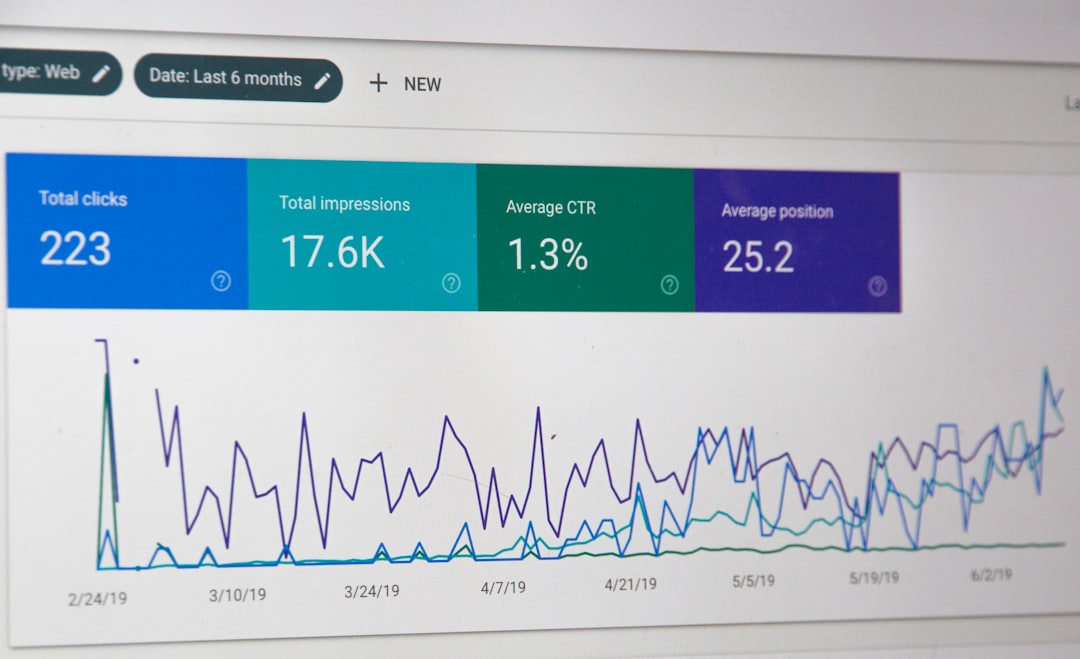
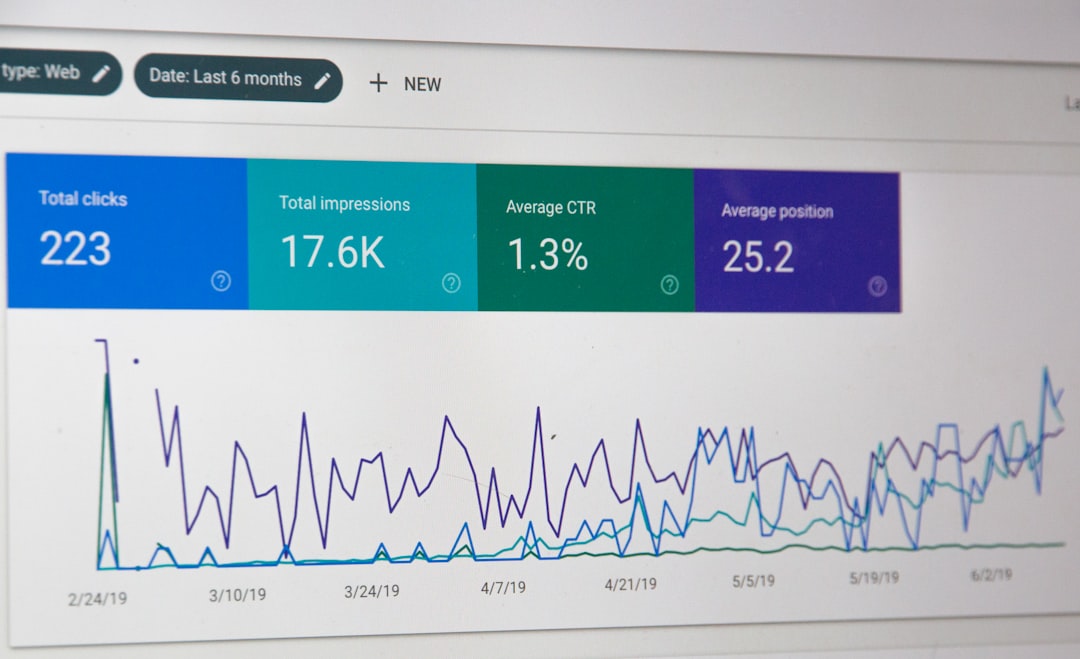
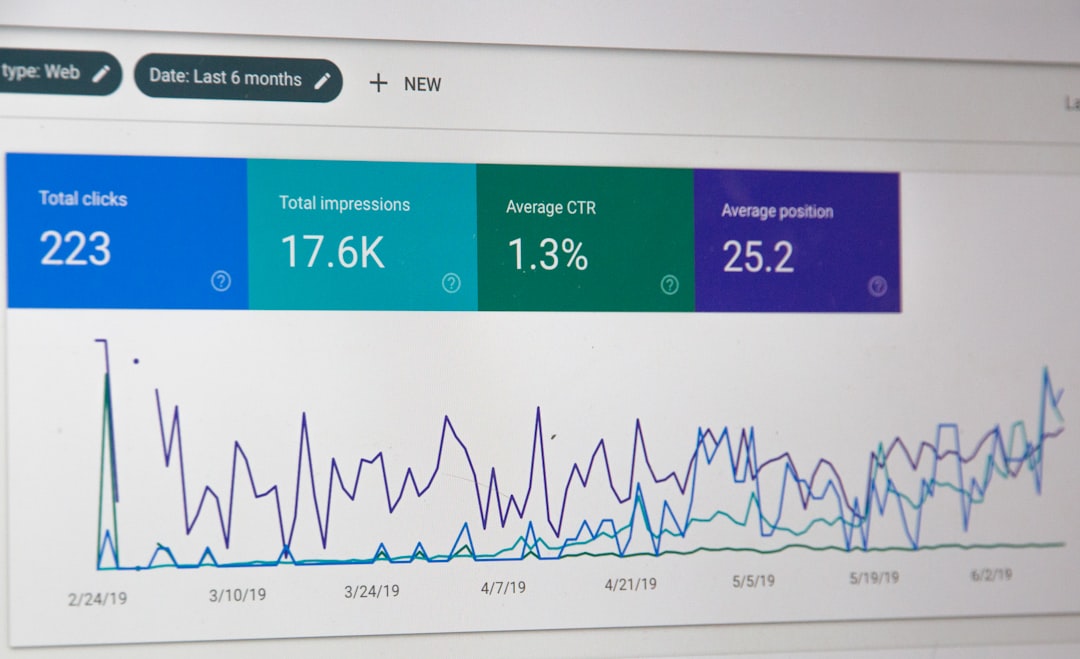
Use tools such as Google Search Console and analytics platforms to track:
- Organic clicks
- Impressions
- Search queries
- Rankings
- Organic traffic
- Leads
- Conversions
Record important changes so you can understand which actions are producing useful results.
Step 10: Review and Repeat
SEO is not a one-time task.
Search behavior changes, competitors publish new content, websites grow, and older pages become outdated. Review your website regularly and update the workflow according to what the data shows.
A Simple Workflow
| Stage | Main Purpose |
|---|---|
| Website review | Understand goals and audience |
| SEO audit | Find problems and opportunities |
| Keyword research | Identify relevant searches |
| Site structure | Organize pages logically |
| On-page optimization | Improve important pages |
| Technical SEO | Resolve accessibility and performance issues |
| Content | Build useful topical coverage |
| Link building | Develop relevant authority |
| Measurement | Track results |
| Ongoing improvement | Update the strategy |
When to Use a Professional Workflow
Small websites can often handle basic SEO internally, but larger sites or businesses competing in difficult search results may benefit from professional support.
A WordPress SEO expert can turn the workflow into a prioritized strategy based on the website’s current condition, competition, and business goals.
The most important part is consistency. A structured workflow prevents SEO from becoming a collection of disconnected tasks and helps turn optimization into an ongoing process of improvement.