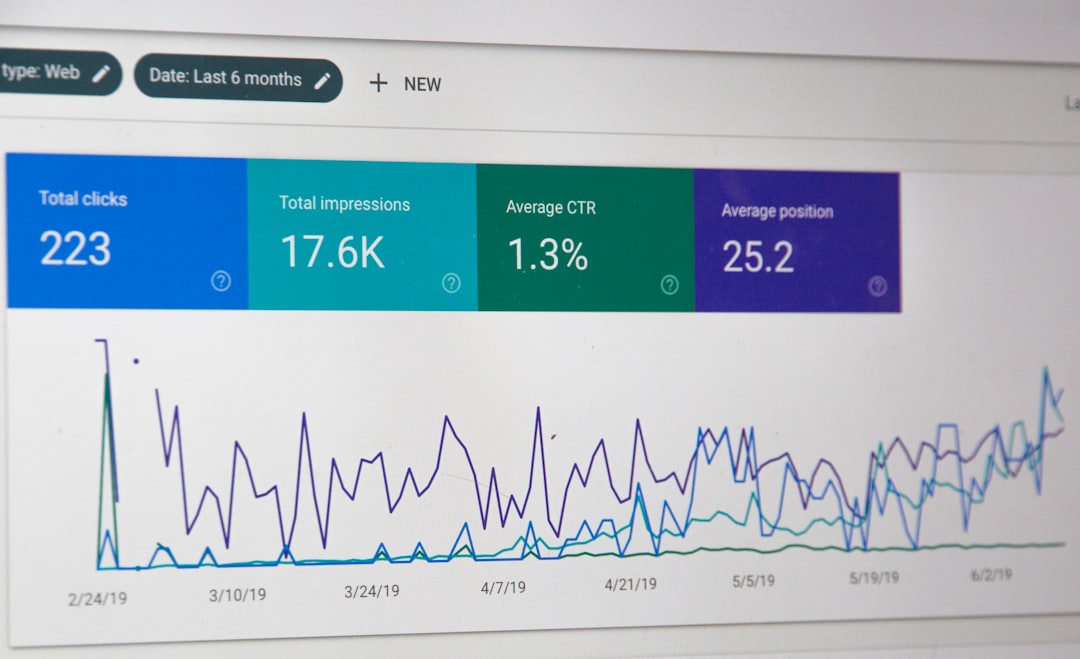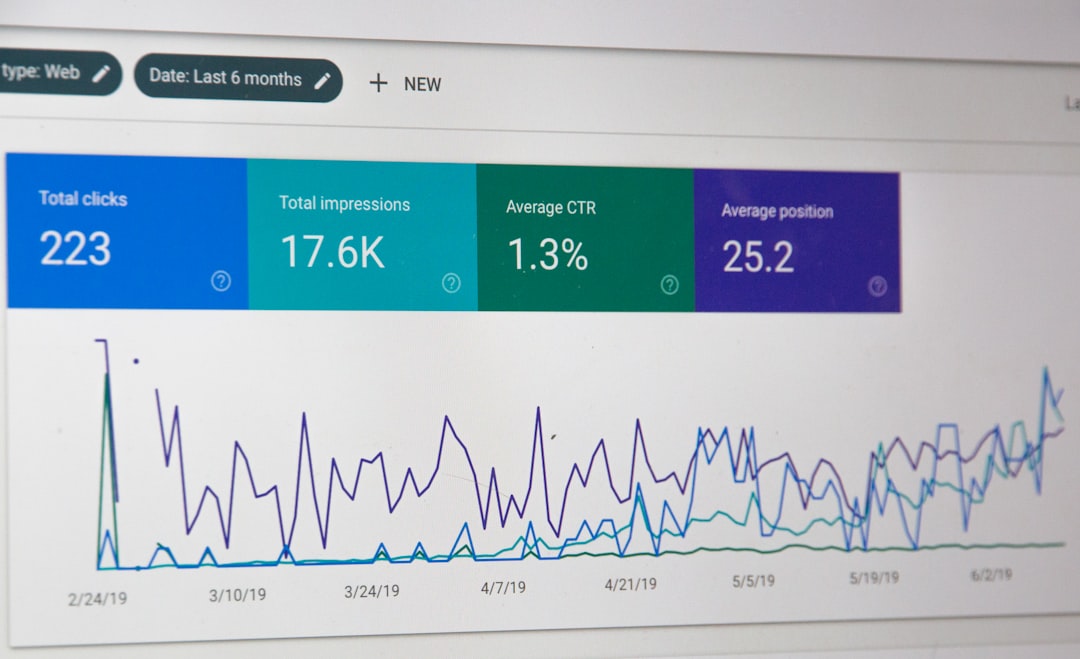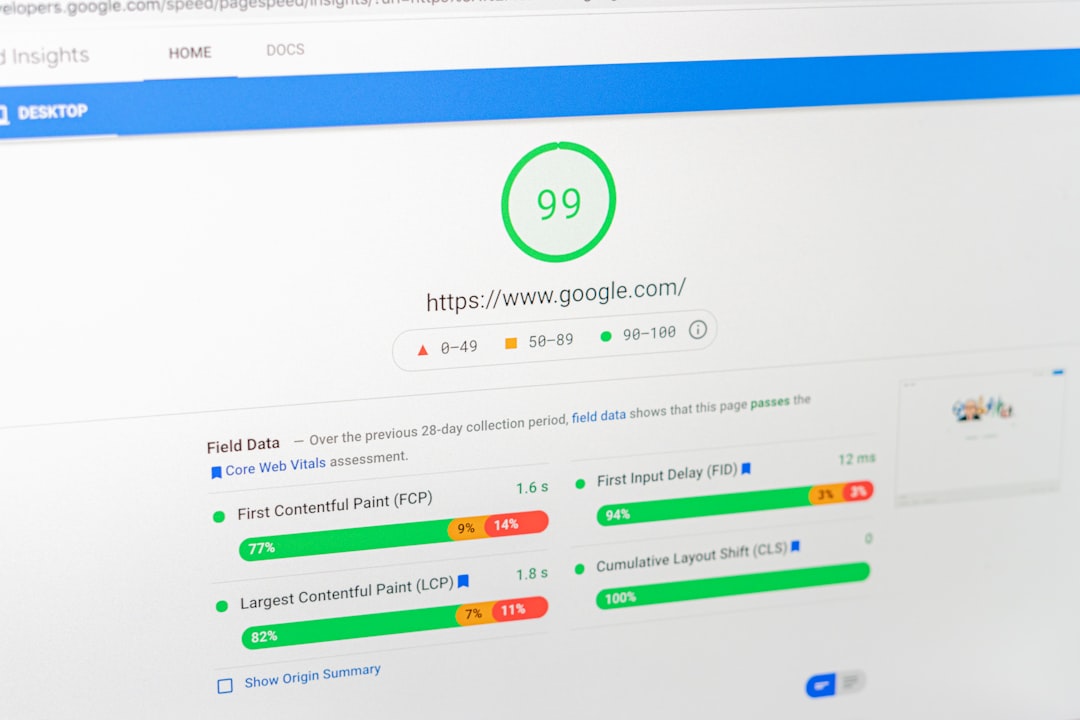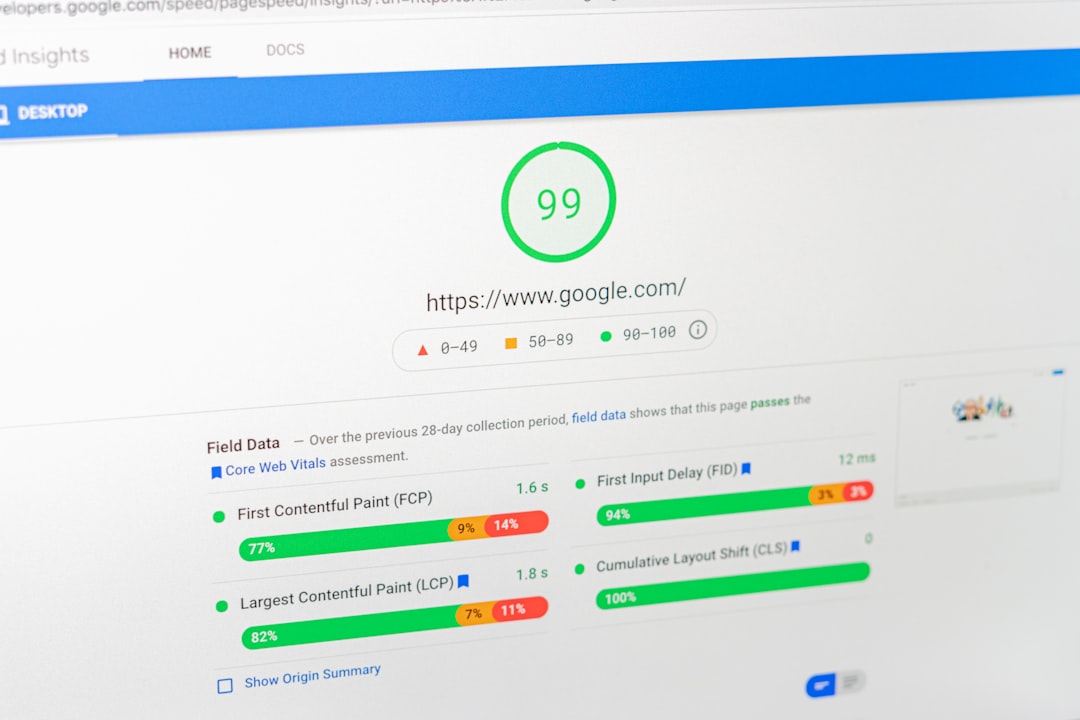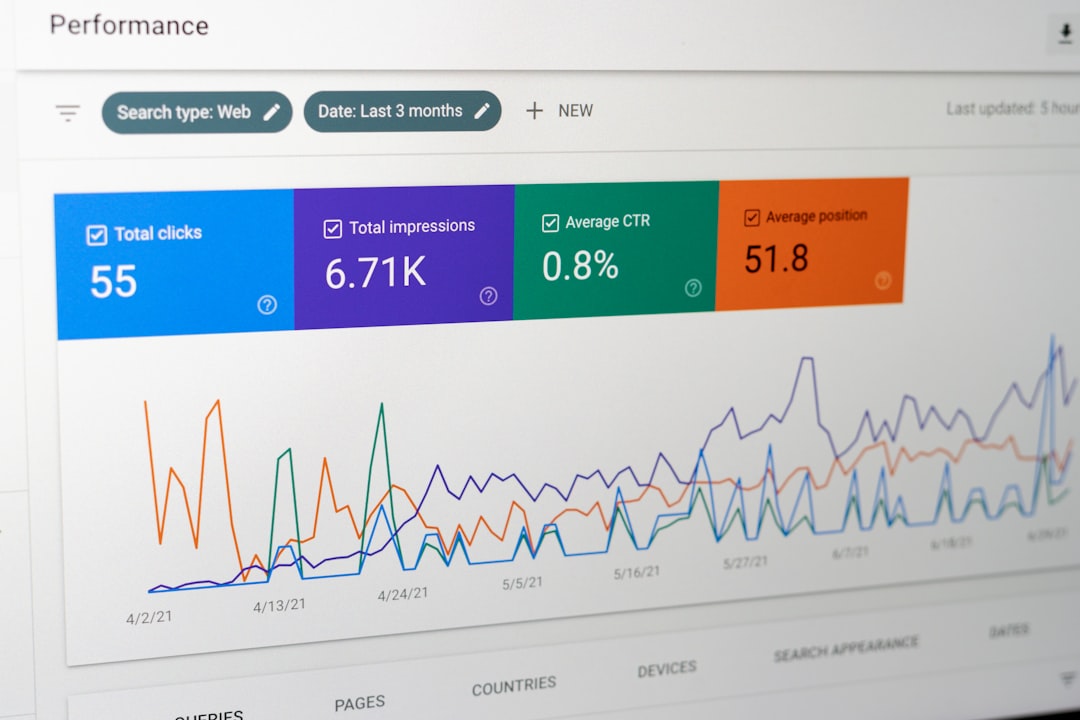

A WordPress SEO strategy audit helps identify what is working, what needs improvement, and where new opportunities exist. Instead of changing website elements based on assumptions, an audit provides a structured way to evaluate the site’s technical setup, content, keywords, links, and overall search performance.
A useful audit does not need to change everything. Its purpose is to prioritize the improvements that matter most.
Review the Website Structure
Start by examining how the website is organized.
Check whether important pages are easy to reach from the main navigation and whether related content is logically connected.
Look for:
- Unnecessary page levels
- Orphaned pages
- Confusing categories
- Duplicate sections
- Poor URL structures
- Important pages that are difficult to access
A clear structure benefits both users and search engines.
Check Indexing
Search engines need to be able to discover and index the pages that should appear in search.
Review whether important pages are being indexed and whether pages that should remain out of search are configured appropriately.
Also check for unexpected indexing problems after website redesigns, migrations, or plugin changes.
Analyze Keyword Targeting
Review the keywords assigned to important pages.
Ask:
- Does the keyword match the page?
- Does the page satisfy search intent?
- Are several pages targeting the same topic unnecessarily?
- Are there valuable topics the website does not cover?
- Are keywords connected to actual business goals?
Keyword research should guide the strategy, not control every sentence on the page.
Evaluate On-Page SEO
Review important pages for:
Titles
Are they descriptive and relevant?
Headings
Is the content organized logically?
Content
Does it answer the searcher’s main question?
URLs
Are they simple and meaningful?
Meta Information
Are search snippets clearly represented?
Internal Links
Does the page connect naturally to relevant content?
Audit Content Quality
Look at the existing content as a whole.
Identify pages that are:
- Outdated
- Thin
- Repetitive
- No longer relevant
- Missing important information
- Receiving impressions but little engagement
Some pages may benefit from updating, while others may be better combined or removed when appropriate.
The decision should be based on the page’s purpose and performance rather than simply its word count.
Check Technical SEO

Technical issues can affect the entire strategy.
Review:
- XML sitemap
- Robots configuration
- Canonical URLs
- Redirects
- Broken links
- HTTPS
- Mobile usability
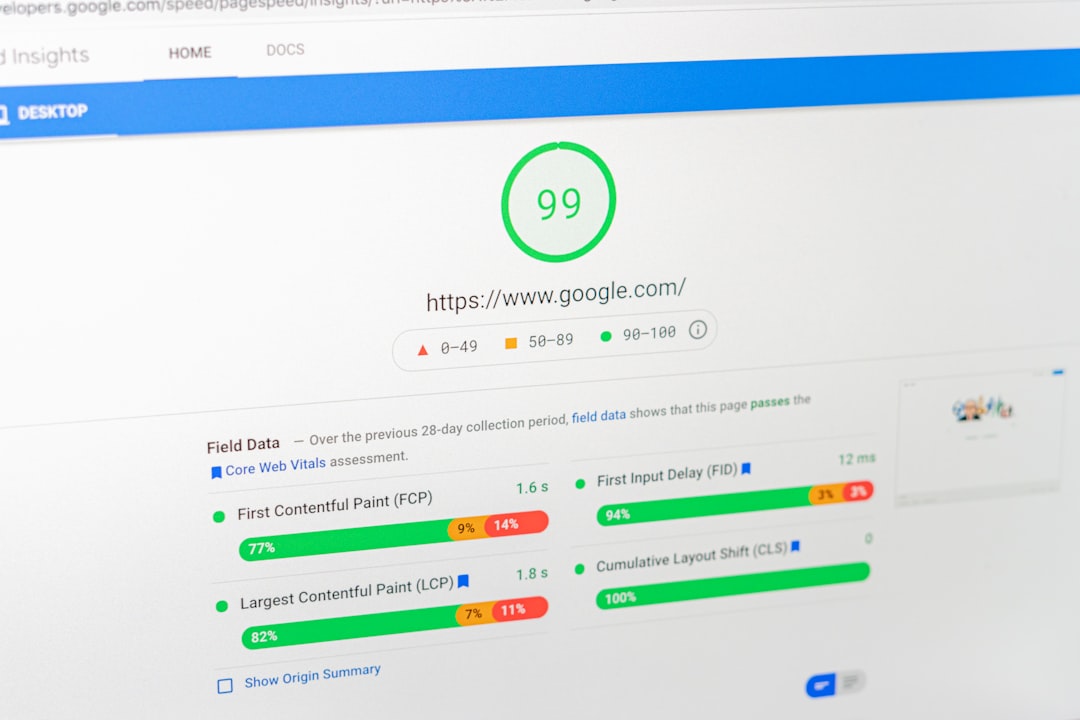
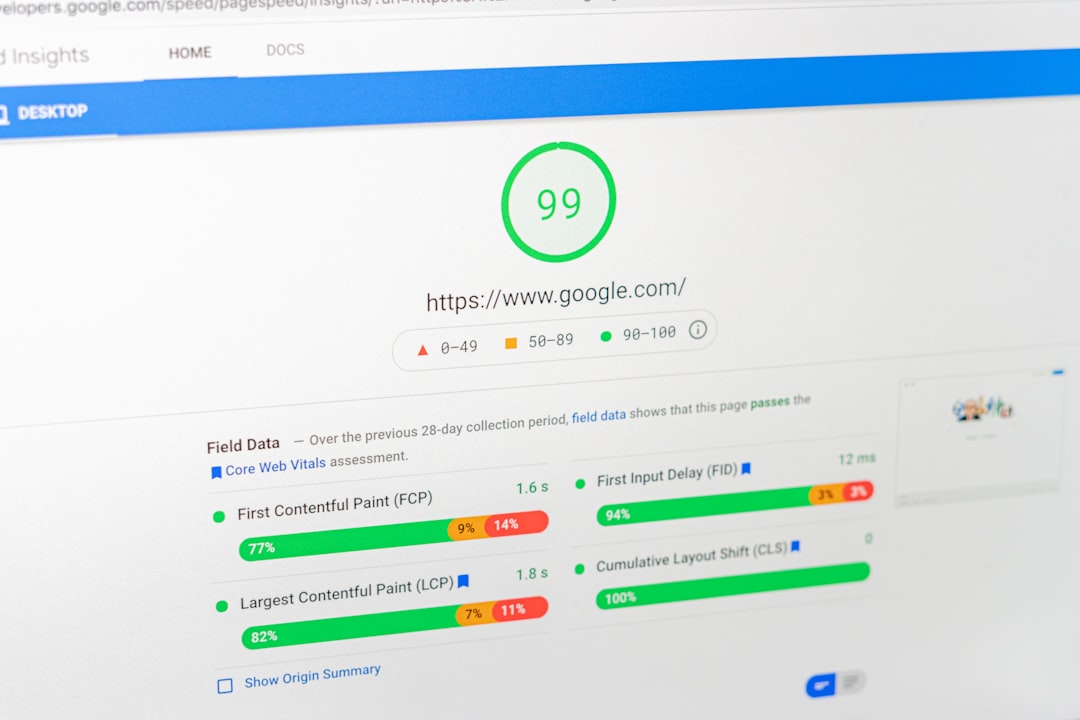
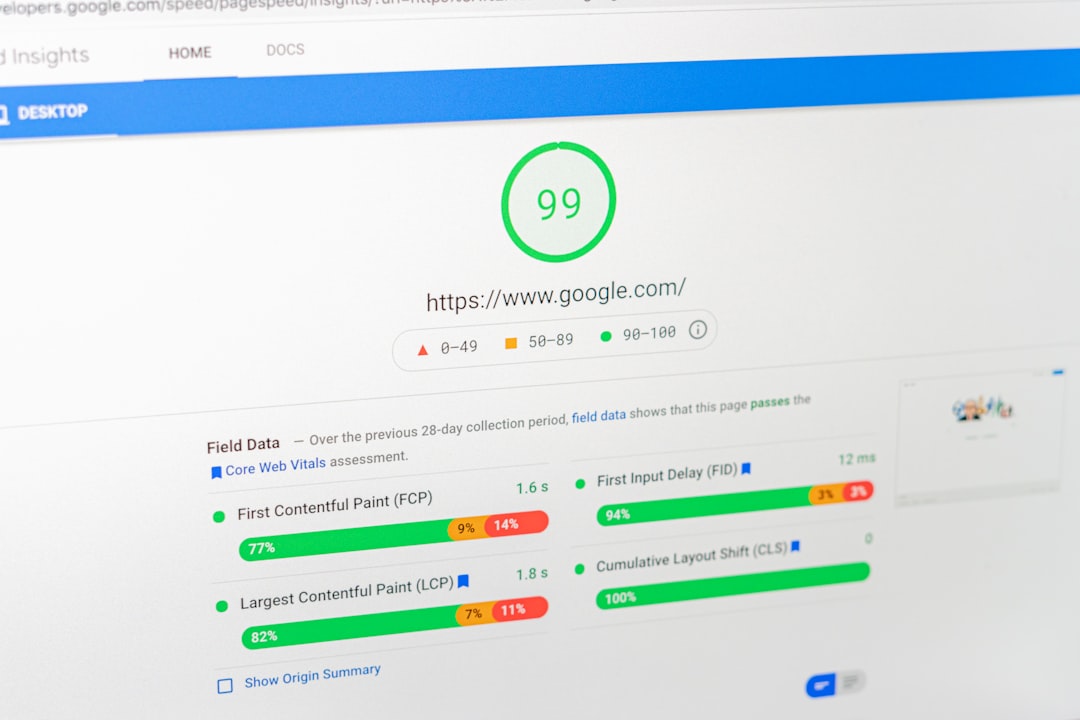
- Page performance
- Duplicate URLs
- Plugin-related issues
Make technical changes carefully, especially on websites that are already receiving organic traffic.
Review Internal Linking
Internal links should create useful connections between related pages.
Find important pages that receive very few internal links. Also identify links pointing to outdated or broken URLs.
A simple internal-linking review can uncover opportunities without requiring new content.
Evaluate Off-Page Signals
Review the site’s external authority and backlink profile.
Focus on whether links are relevant and useful rather than simply counting them.
Look for opportunities to earn stronger mentions through industry resources, partnerships, digital PR, and valuable content.
Measure Performance
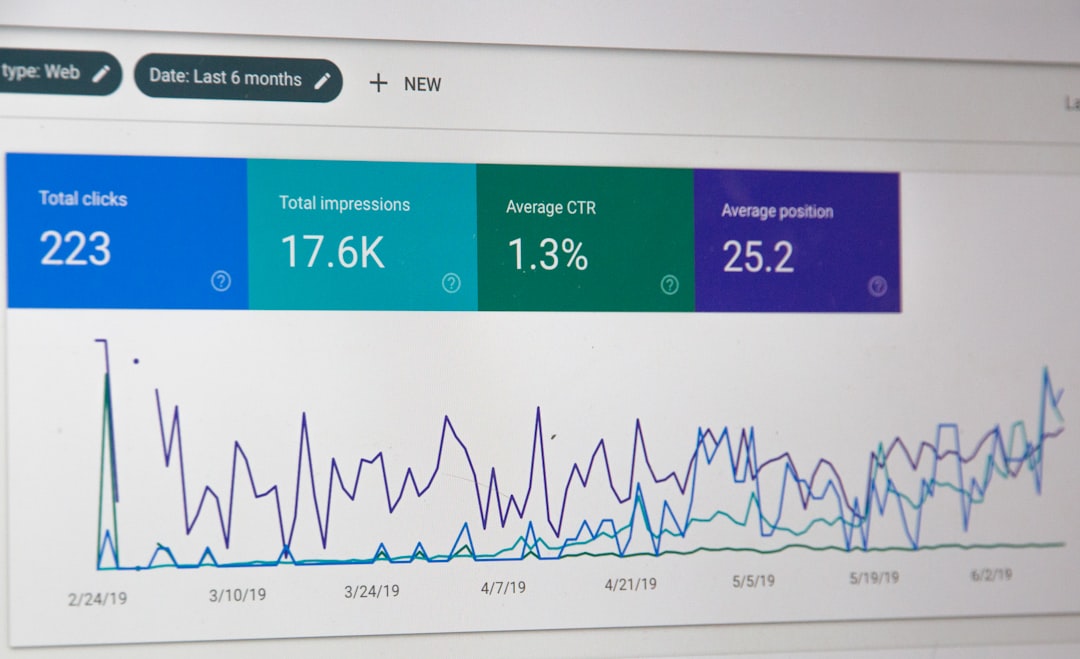
An audit should compare SEO activity with actual results.
Review:
| Area | What to Examine |
|---|---|
| Visibility | Impressions and rankings |
| Traffic | Organic visitors |
| Engagement | Visitor interaction |
| Leads | Inquiries or submissions |
| Conversions | Completed goals |
| Content | Strong and weak pages |
This helps separate activities that produce meaningful results from those that simply create more work.
Create an Action Plan
After the audit, prioritize issues.
A practical order might be:
- Critical technical problems
- Important indexing issues
- High-value page optimization
- Internal linking
- Content improvements
- New content opportunities
- Authority building
- Ongoing measurement
A WordPress SEO company can perform this type of audit and turn the findings into an ongoing optimization plan.
The real value of an SEO audit is not the report itself. It is having a clear list of improvements that can be implemented and measured over time.