Once the basic SEO foundations are in place, a WordPress website can move toward more advanced strategies. These techniques focus on improving topical coverage, content relationships, technical performance, search intent, and overall website efficiency.
Advanced SEO should build on a strong foundation rather than replace it.
Build Topic Clusters
Instead of treating every article as an isolated page, organize related content around broader topics.
For example, a WordPress SEO website might have a main page about WordPress SEO with supporting content covering:
- Keyword research
- Technical SEO
- Internal linking
- Local SEO
- Page speed
- Content optimization
Connect these pages naturally through internal links.
This creates a clearer relationship between related topics.
Improve Search Intent Mapping
Advanced keyword research goes beyond finding phrases.
Map each keyword to the type of page that best satisfies the search.
For example:
| Search Intent | Suitable Content |
|---|---|
| Informational | Guide or tutorial |
| Commercial | Service or comparison page |
| Transactional | Product or service page |
| Navigational | Brand or specific website page |
This prevents different pages from competing unnecessarily for the same search purpose.
Identify Content Gaps
Compare your website’s coverage with what users need to know.
Content gaps may include missing subtopics, unanswered questions, weak supporting pages, or outdated resources.
The objective is not to copy competitors. Instead, identify opportunities to provide more useful and complete information.
Strengthen Internal Link Architecture
Advanced internal linking should be intentional.
Important commercial pages should receive relevant links from supporting content. At the same time, informational articles should link to related resources that help readers continue their research.
Review internal links periodically as the website expands.
Improve Technical Efficiency
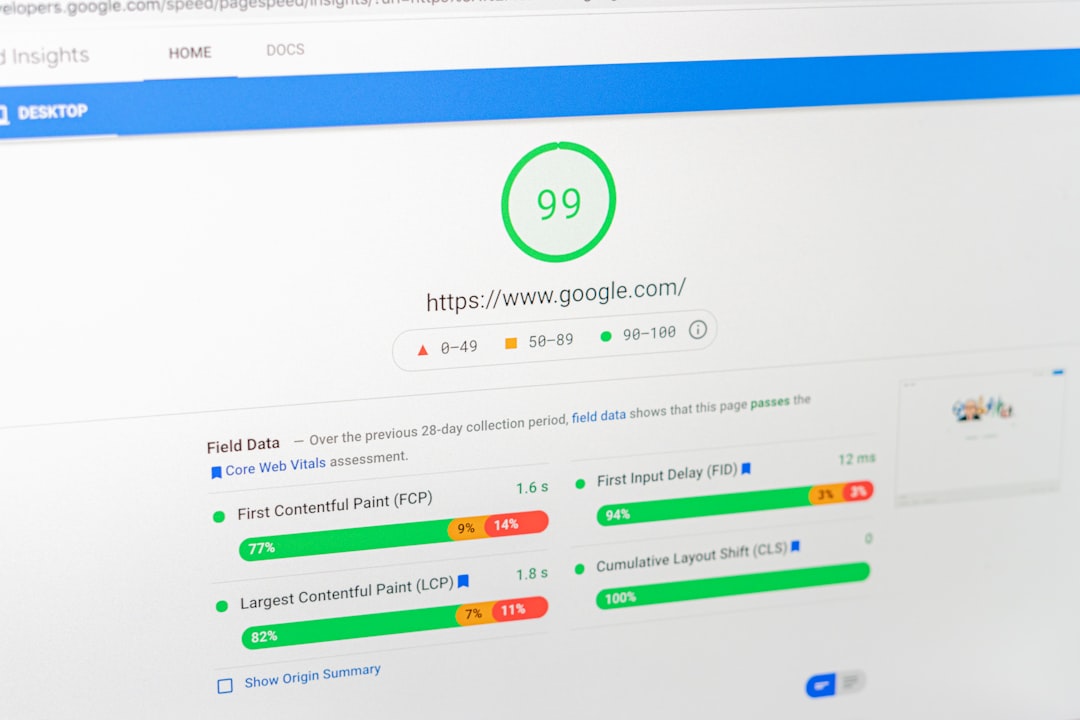
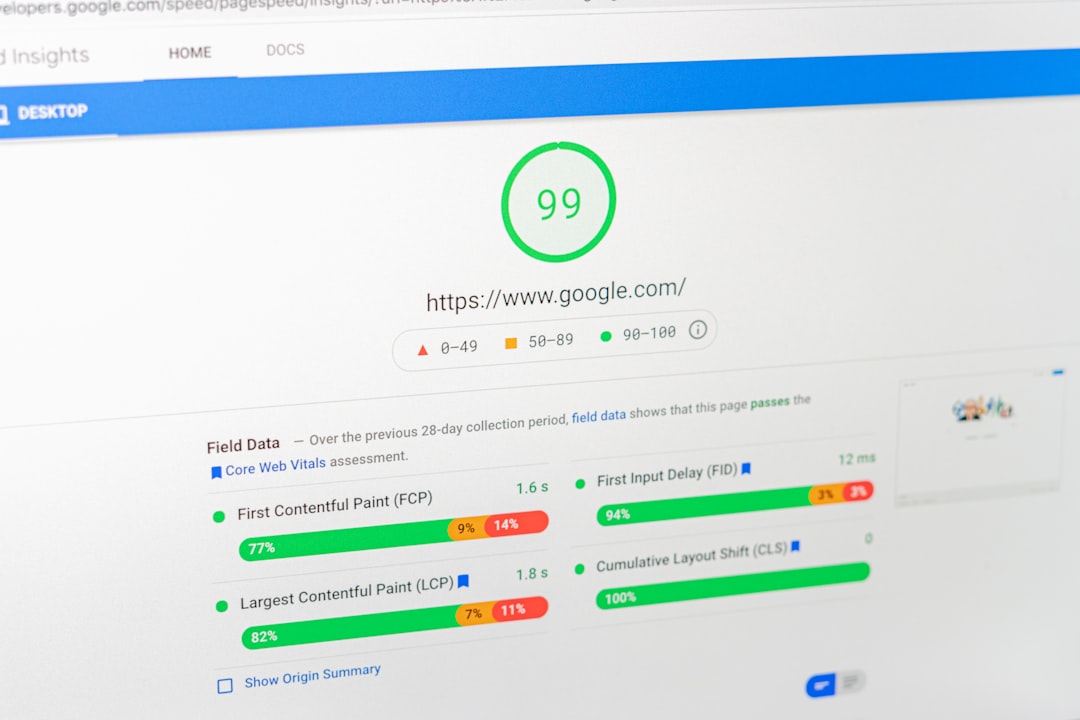
Advanced technical SEO can involve examining how WordPress generates and manages pages.
Review unnecessary URLs, duplicate content, pagination, redirects, canonicalization, and indexing behavior.
Large websites may also need closer attention to crawl efficiency so search engines can spend resources on the pages that matter most.
Optimize Content Based on Performance

Do not wait for an article to fail completely before reviewing it.
Look at pages that have:
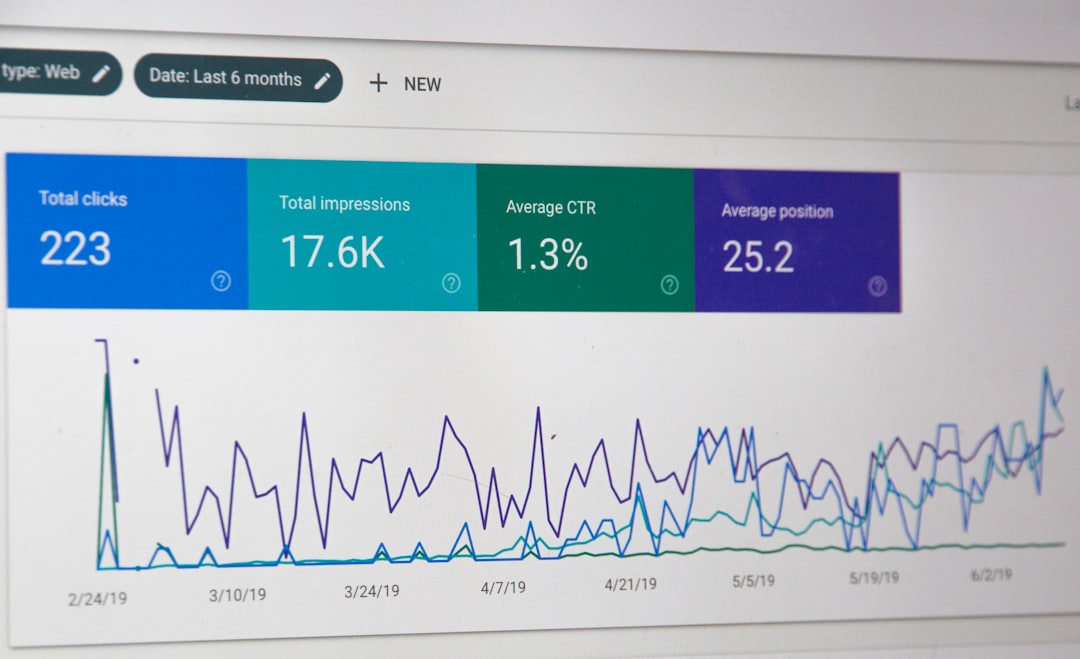
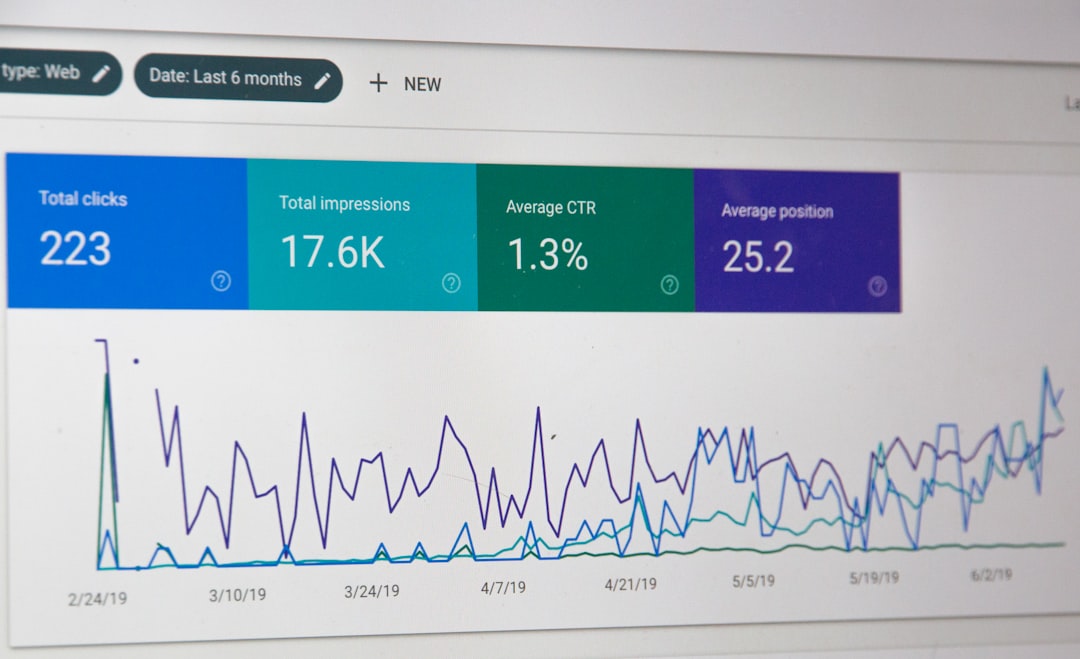
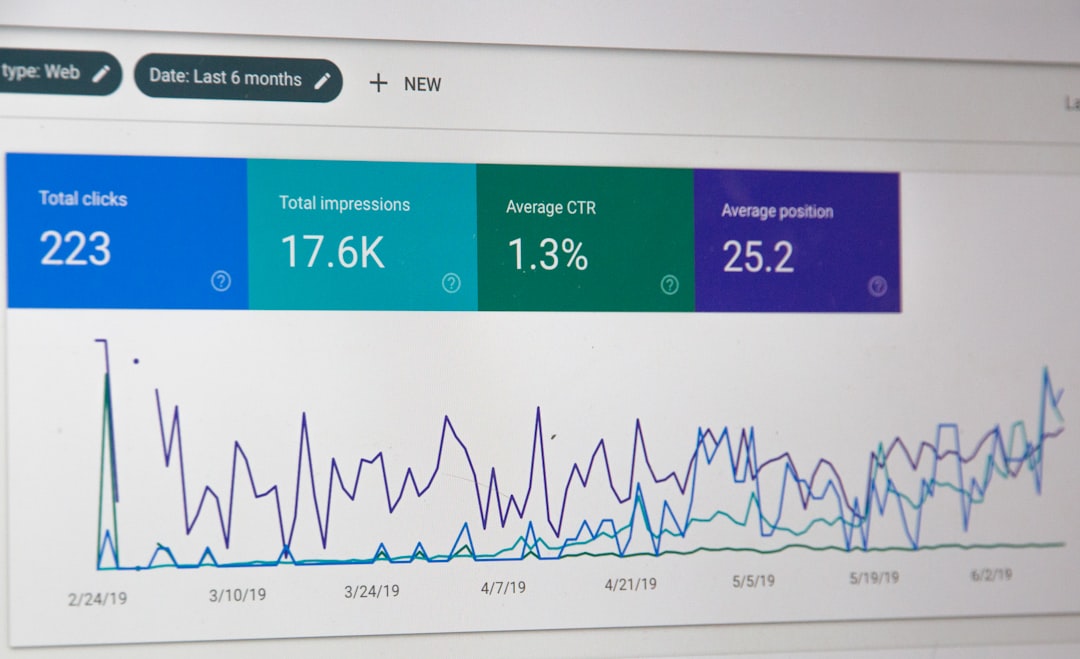
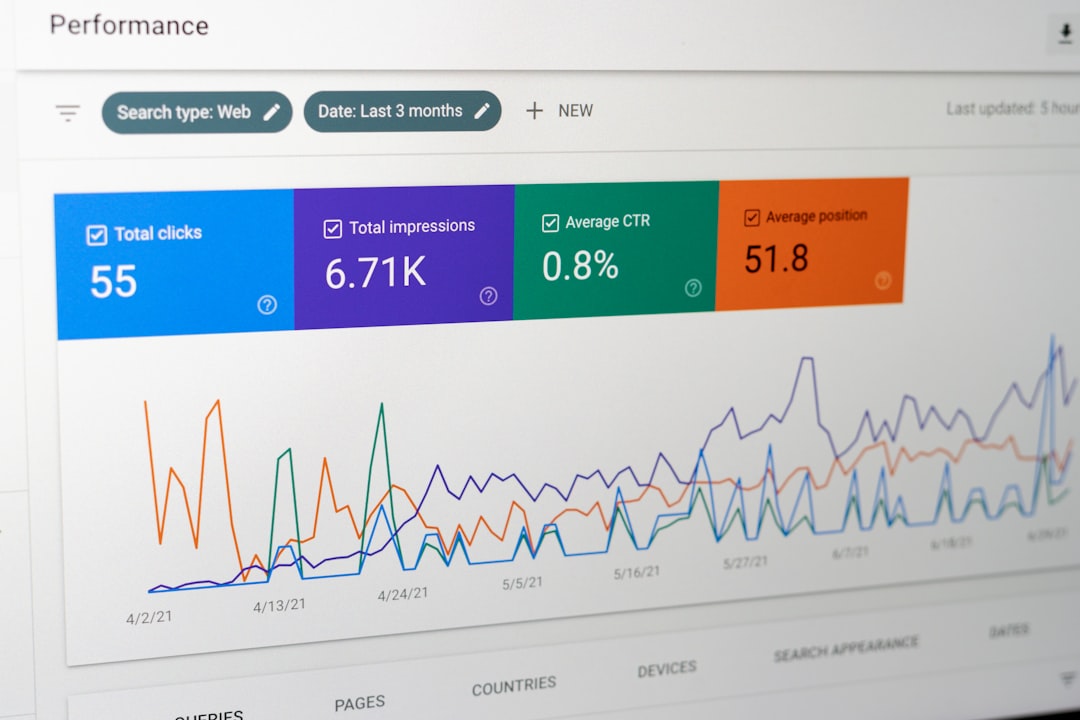
- High impressions but low CTR
- Strong rankings but low conversions
- Traffic but weak engagement
- Declining organic visibility
- Strong performance for related queries
Each situation may require a different response.
A page with high impressions and low clicks may need a better search result presentation, while a page with traffic but few conversions may need stronger relevance or a clearer user journey.
Use Structured Data Where Appropriate
Structured data can help search engines understand specific types of content.
Depending on the page, this may include information about products, organizations, articles, events, or other supported content types.
Implementation should accurately represent the visible content and follow current search guidelines.
Build Topical Authority Through Useful Resources
Advanced content strategies often focus on depth rather than publishing volume.
Create comprehensive resources around important subjects and support them with narrower articles.
This approach can help a website become a more useful destination for people researching a particular topic.
Strengthen External Authority
Relevant backlinks can support a site’s overall authority.
Advanced link-building strategies may include:
- Digital PR
- Original research
- Expert contributions
- Industry resources
- Partnerships
- Link-worthy tools or guides
Quality and relevance should remain the priority.
Create a Measurement Framework
Advanced SEO needs consistent measurement.
Track performance at several levels:
Page level: Which pages are improving?
Topic level: Which subjects generate visibility?
Business level: Which organic visitors become leads or customers?
This gives a more complete view than tracking a list of keywords alone.
Use an Iterative SEO Process
Advanced SEO is still based on continuous improvement.
A practical framework is:
Research → Hypothesis → Optimization → Measurement → Analysis → Refinement
For businesses managing complex WordPress websites, a WordPress SEO company can combine these strategies with technical audits, content planning, on-page optimization, and ongoing reporting.
Advanced SEO is most effective when it makes the website more useful, more accessible, and more closely aligned with what users are searching for.