Improving Google rankings requires more than adding keywords to WordPress pages. A strong SEO strategy combines useful content, technical health, clear website structure, relevant keywords, and ongoing measurement.
If a website has already been optimized but is not gaining the expected visibility, a few strategic improvements can help identify where the problem lies.
Start With Search Intent
One of the most important ranking considerations is whether your page satisfies what the searcher wants.
For example, someone searching for “WordPress SEO tips” probably wants practical information. Someone searching for “WordPress SEO company” may be looking for professional services.
Create the type of page that best matches the intent behind the search.
Improve Existing Content
Before publishing dozens of new articles, review the content you already have.
Look for pages that:
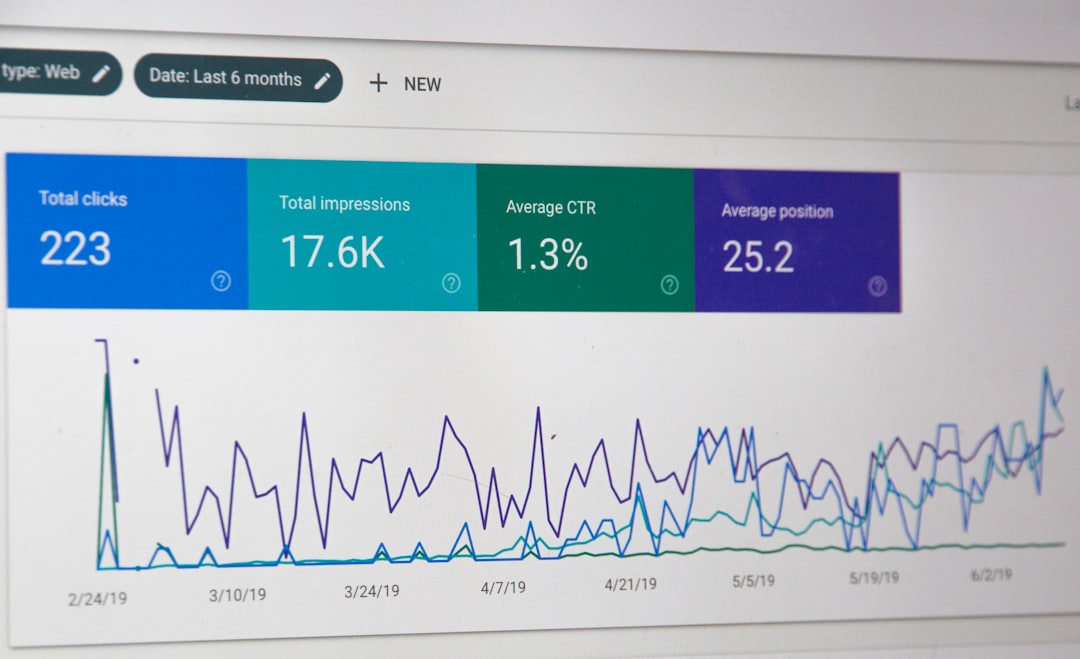
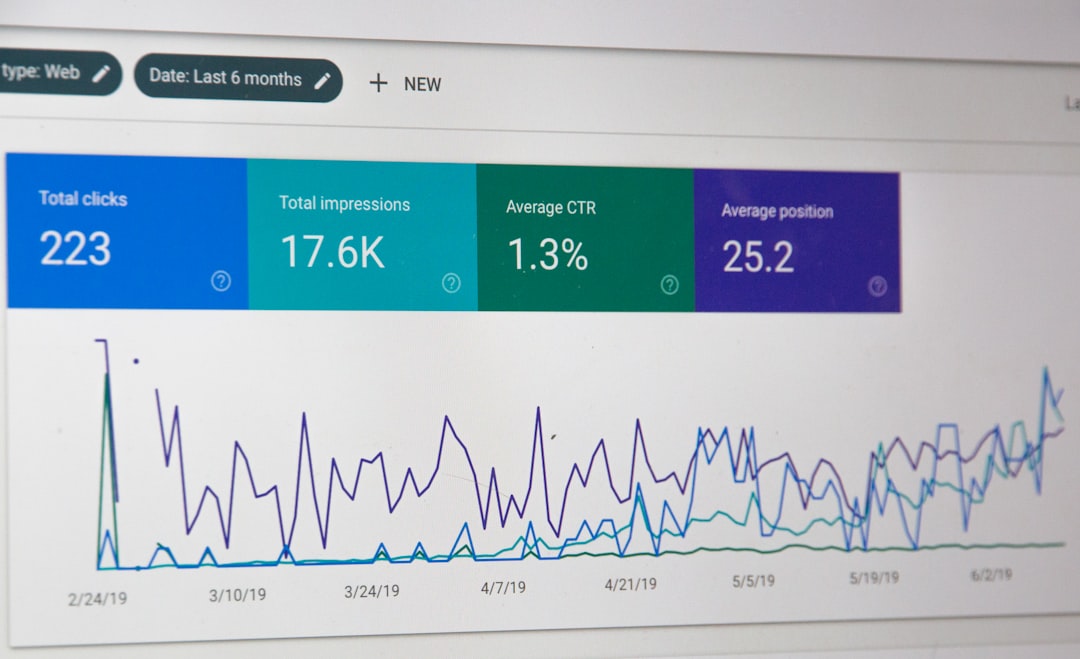
- Receive impressions but few clicks
- Have outdated information
- Target similar topics
- Lack important supporting information
- Have weak internal links
- No longer match search intent
Updating useful existing pages can be more practical than constantly creating new ones.
Make Titles Clear and Relevant
Your page title gives searchers an immediate idea of what they will find.
A strong title should be specific and accurately represent the content. Avoid stuffing several variations of the same keyword into one title.
The goal is to make the result useful and understandable.
Build Topic Depth
A website can become more useful when it covers a subject from different relevant angles.
For example, a WordPress SEO website could have content covering:
- Keyword research
- Technical SEO
- Local SEO
- Site speed
- On-page optimization
- Content strategy
- Internal linking
Related pages can then be connected through internal links.
Strengthen Internal Links

Internal links help distribute attention across important pages and guide visitors toward related resources.
When publishing a new article, review existing content for places where a relevant link could be added.
Use descriptive anchor text that makes sense in the sentence.
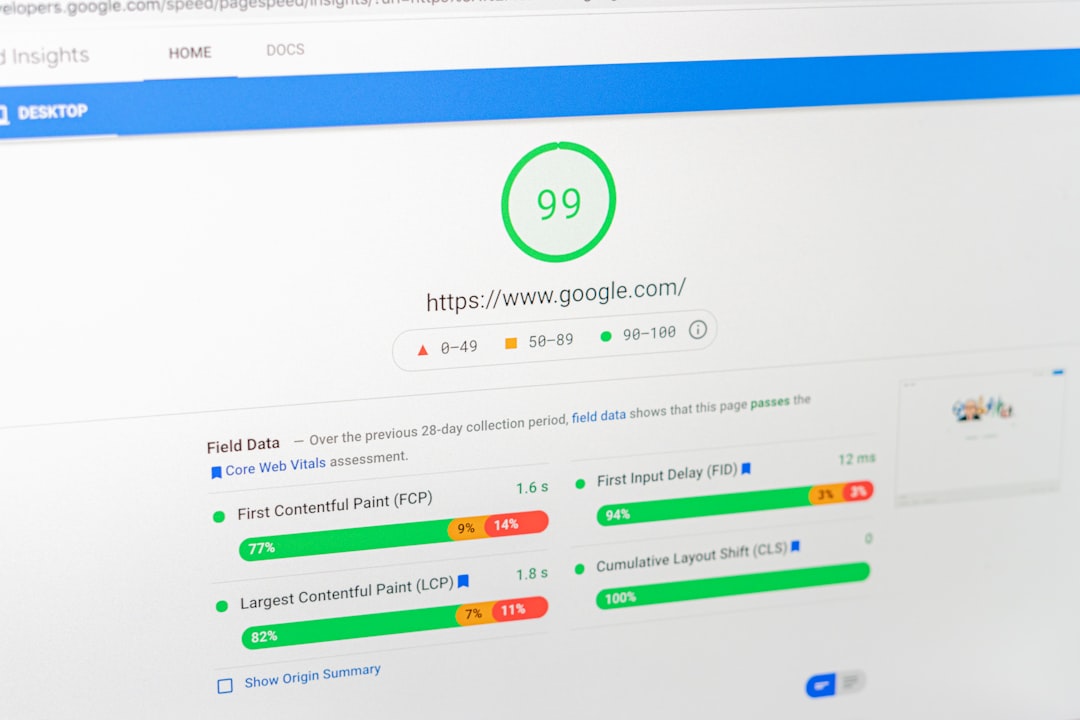
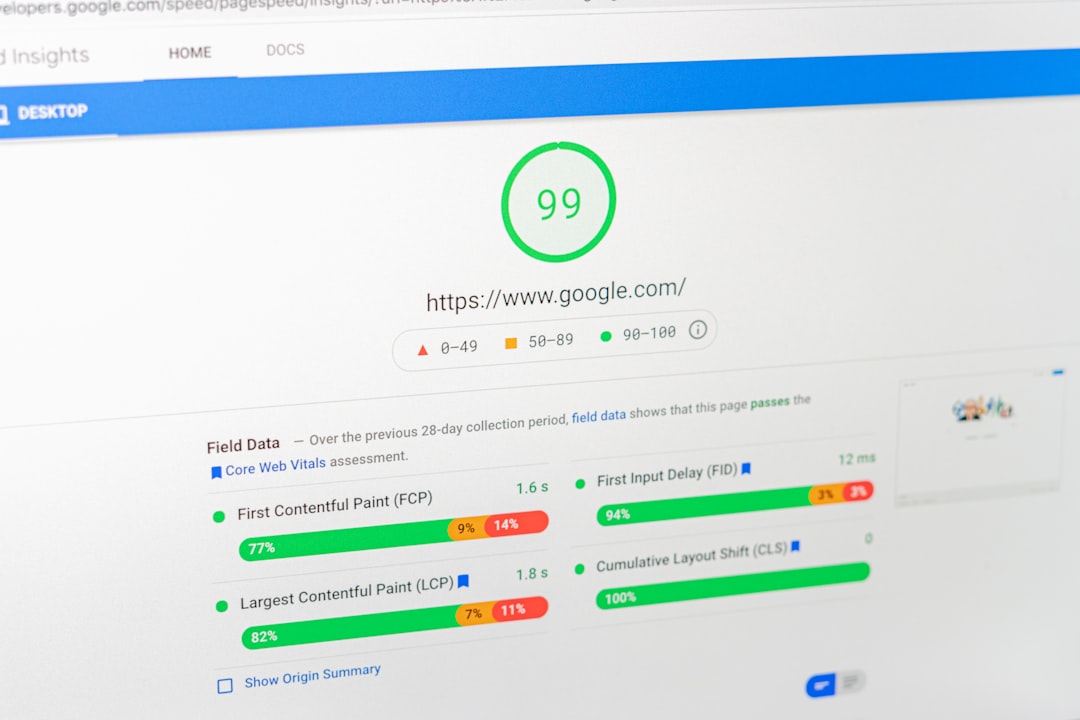
Improve Page Speed
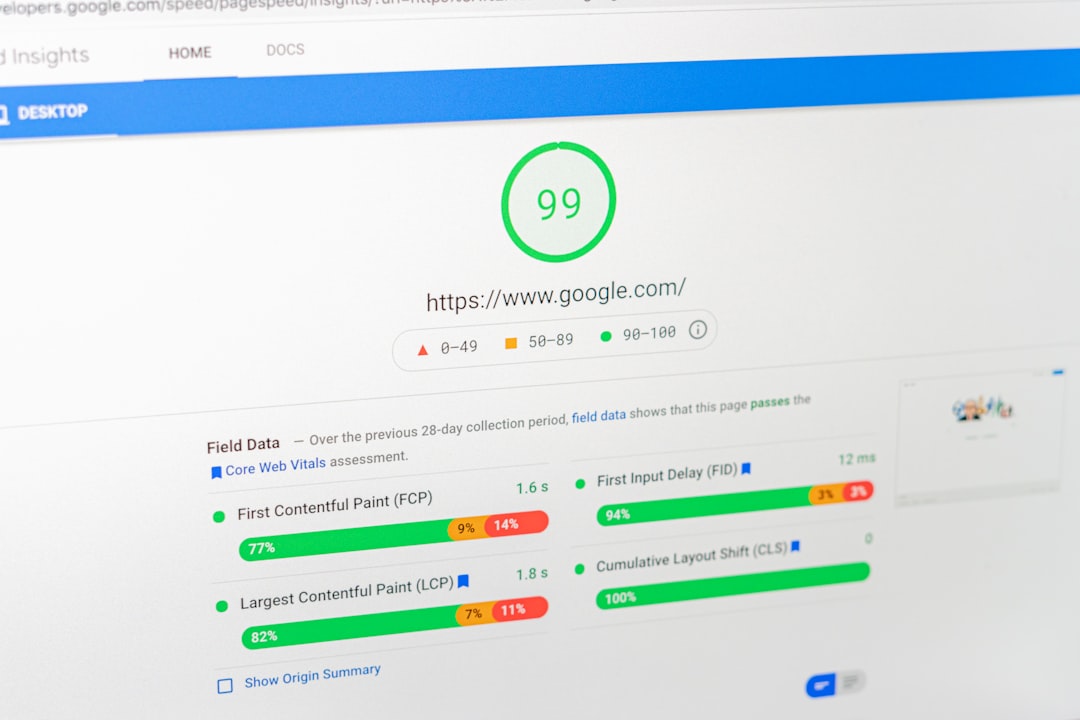
Performance matters for user experience.
Review large images, unnecessary plugins, scripts, hosting configuration, and other factors that may slow down the website.
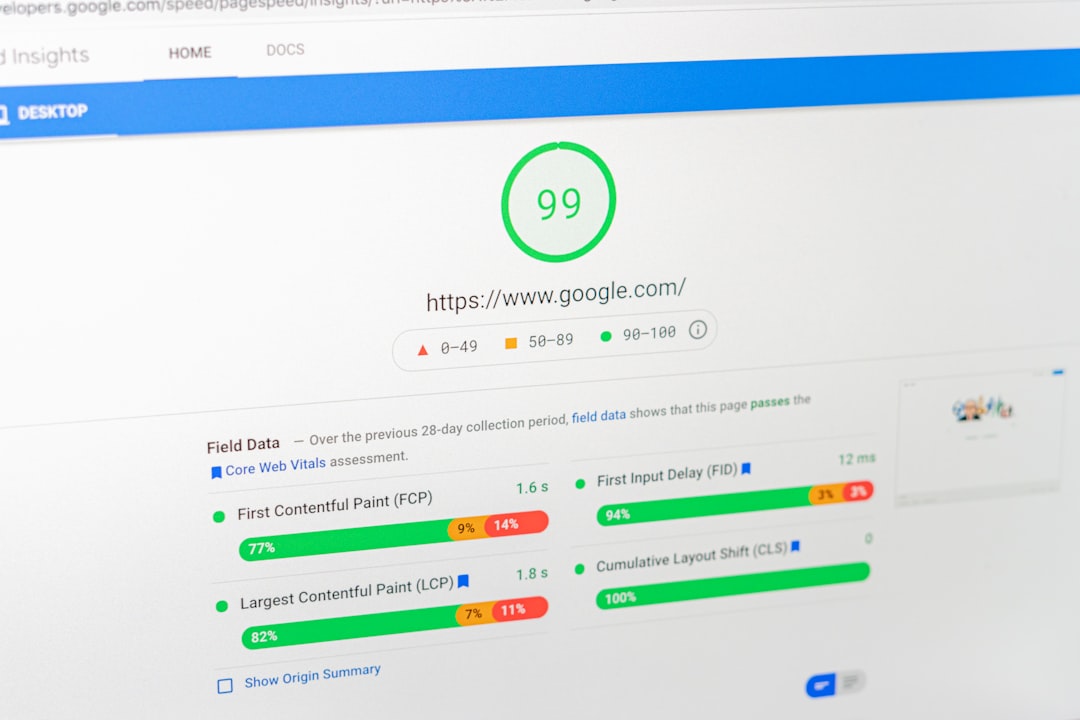
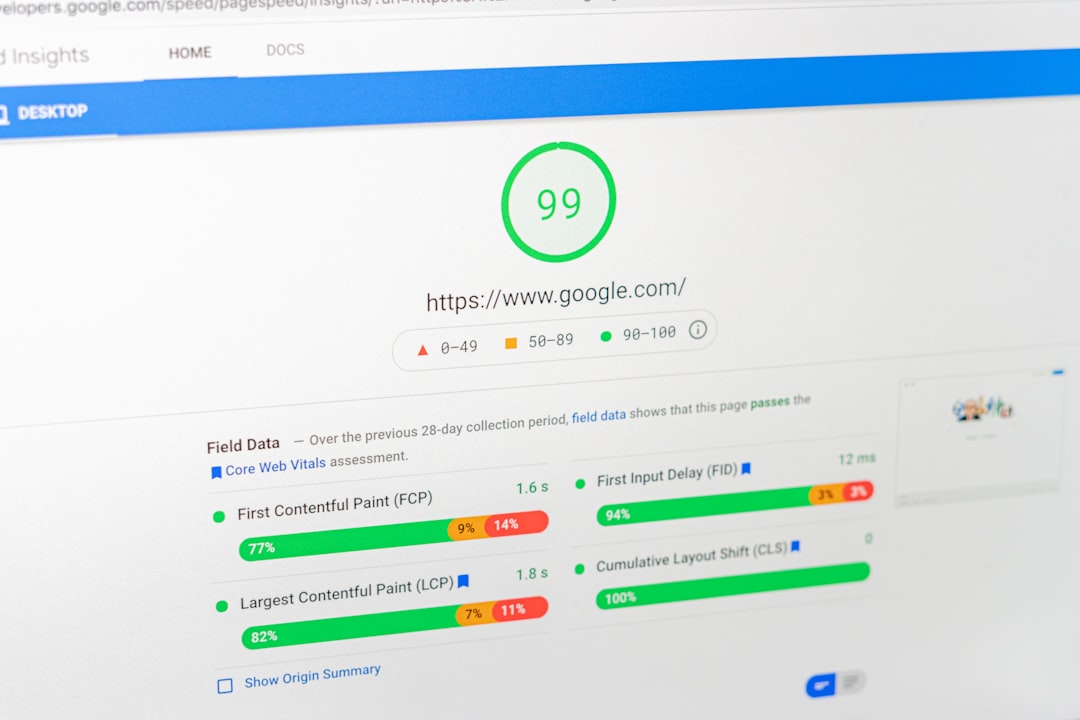
Do not optimize speed blindly. Use performance testing to identify the resources that actually need attention.
Make the Website Mobile-Friendly
Check the website on different screen sizes.
Menus, forms, buttons, tables, images, and text should remain usable on mobile devices.
A good mobile experience also makes it easier for visitors to interact with important pages after arriving through search.
Create Helpful Content
Search-focused content should still be written for people.
Avoid filling pages with repetitive phrases just because a keyword is important. Instead, explain the topic clearly, answer related questions naturally, and provide examples where they add value.
Useful content is more likely to attract engagement and naturally earn references from other websites.
Earn Relevant Authority
External links and mentions can support a site’s authority when they come from relevant and trustworthy sources.
Consider opportunities such as:
- Industry publications
- Digital PR
- Expert contributions
- Partnerships
- Useful resources
- Original research
Avoid making backlink quantity the only objective.
Monitor Search Performance
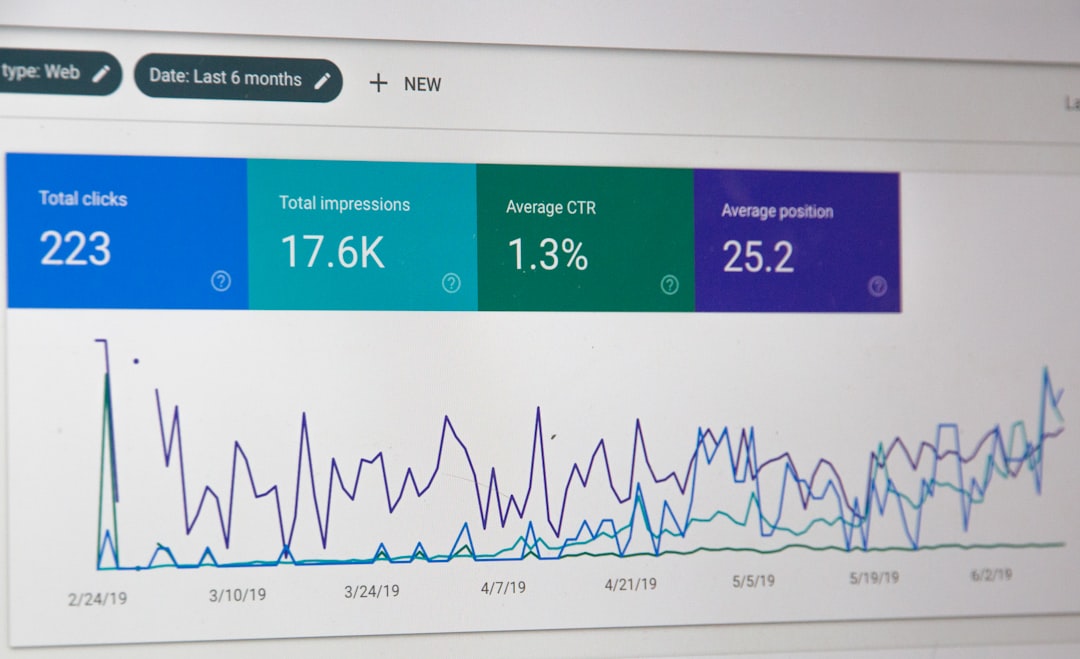
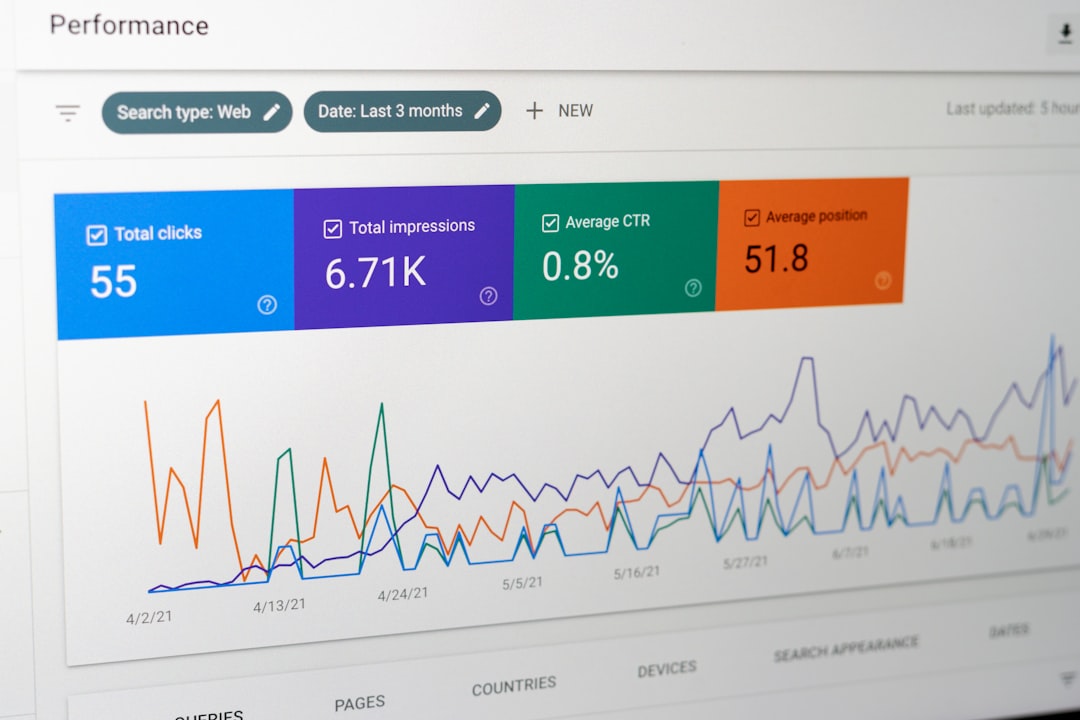
Use performance data to understand what needs improvement.
Important metrics include:
| Metric | Why It Matters |
|---|---|
| Impressions | Shows search visibility |
| Clicks | Shows traffic generated |
| CTR | Indicates search-result engagement |
| Organic Traffic | Measures search visitors |
| Rankings | Tracks keyword visibility |
| Leads | Connects SEO to business activity |
| Conversions | Measures completed goals |
If rankings improve but conversions do not, the strategy may need to focus more on relevance and user experience.
Keep Testing and Improving
Google rankings can change as competition, content, and search behavior change. That is why SEO should be treated as an ongoing process.
A WordPress SEO company can help businesses manage audits, content optimization, technical improvements, keyword research, and performance tracking when internal resources are limited.
The strongest approach is to identify real opportunities, make useful improvements, measure the results, and continue refining the strategy.